
 한국어
한국어 English
 日本語
日本語 中文(简体)
Dosage form image
Viewing nowYongjin Dapagliflozin 5mg (Dapagliflozin Monohydrate Mixture)
Dapagliflozin Anhydrous Lactose Mixture 7.635mg
Tablet · Prescription medication
Yongjin Pharmaceutical Co., Ltd.
MFDS item code 202005357 · Approved 2020.07.23
This product's status changed to Approval withdrawn on 2024.12.23. It may no longer be sold, so consult a doctor or pharmacist before taking it.
Blood sugar control and reduction of cardiovascular risk in type 2 diabetes
This medication helps to effectively control blood sugar in patients with type 2 diabetes. It can be used alone or in combination with other medications alongside dietary and exercise therapy. It can be administered especially to patients who do not achieve adequate blood sugar control and have cardiovascular disease or risk factors. This medication may have a positive impact not only on blood sugar management but also on the reduction of the risk of cardiovascular events, so it should be used safely according to the patient's condition.
The recommended dose of this medication for monotherapy and for combination with other glucose-lowering medications, such as insulin, is 10mg once daily. This medication can be taken orally at any time during the day, regardless of meals. The tablet should be swallowed whole. For initial combination therapy with metformin, the recommended starting dose is 5mg or 10mg once daily. In patients with renal impairment, liver impairment, and elderly patients (≥65 years).
This medication should not be used in certain patients. It should not be administered to patients who are allergic to the main component or additives of this medication, patients with type 1 diabetes, patients with diabetic ketoacidosis, and patients with genetic lactose intolerance issues. Additionally, it should not be used in patients with severely impaired kidney function, end-stage kidney disease, or those undergoing dialysis. Patients with kidney function problems or suspected acute kidney injury should use this medication with caution. Especially patients with reduced blood volume, chronic kidney failure, heart failure, or those taking diuretics or specific antihypertensive medications are at higher risk of acute kidney injury and should have their condition checked carefully before administration. If fluid loss occurs, drug administration should be temporarily suspended and kidney function should be closely monitored. In patients with severe symptoms of heart failure, the use of this medication is not recommended, and caution is required for patients allergic to the colorants included in the medication. Using this medication may result in hypoglycemia, decreased fluid volume, infections (particularly genital and urinary tract infections), abnormal kidney function, changes in specific hormone levels in the blood, etc. Hypoglycemia is especially more likely to occur when taken together with insulin or sulfonylureas, so caution should be exercised. Pregnant or breastfeeding women should not use this medication, and the safety for children has not been established. This medication should be used with caution in patients at risk of dehydration or hypotension, as serious metabolic disturbances such as ketoacidosis may occur, and immediate consultation with medical personnel is necessary if symptoms arise. This medication may interact with other drugs, so especially when taken with diuretics, insulin, or insulin secretagogues, the doctor's instructions should be closely followed. In case of overdose, appropriate treatment is required based on symptoms, and while this medication has minimal effects on driving or machine operation capabilities, caution is needed due to the risk of hypoglycemia. This medication may be restricted or not recommended for specific patient groups such as children, pregnant women, and patients with severely impaired kidney or liver function, so medical consultation is required.
Hives, severe swelling (edema), chest tightness, difficulty breathing, cold sweat, pallor, severe rash with fever, blisters, skin peeling, oral/ocular mucosal pain, shortness of breath or difficulty breathing, asthma attacks, breathing abnormalities accompanied by cough+fever, jaundice (yellowing of the skin or eyes), profound fatigue, sudden and very severe headaches, thunderclap headaches, seizures, confusion of consciousness, visual disturbances, paralysis, urination
Not everyone experiences these, and they can vary from person to person.
This medication may be sensitive to air or moisture; therefore, it should be stored in a sealed container. Storage temperature should be suitable at room temperature between 1 to 30 degrees Celsius, avoiding very hot or cold places.
Yellow, biconvex, round film-coated tablet
28 tablets/box [(7 tablets/PTP x 4)]
Even with the same ingredient, strength, dosage form and how it is taken can differ.
Dapagliflozin Anhydrous Lactose Mixture 7.635mg
Tablet · Prescription medication
Yongjin Pharmaceutical Co., Ltd.
Dapagliflozin Anhydrous Lactose Mixture 7.635mg
Tablet · Prescription medication
International Pharmaceuticals Co., Ltd.
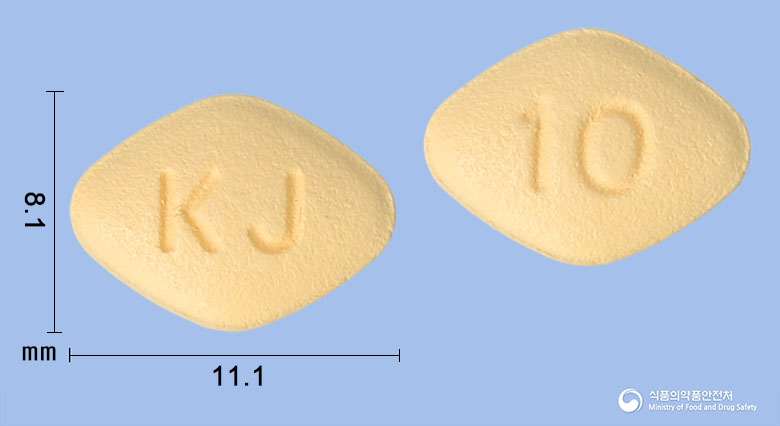
Dapagliflozin Anhydrous Lactose Mixture 15.27mg
Tablet · Prescription medication
International Pharmaceutical Co., Ltd.
Dapagliflozin Anhydrous Lactose Mixture 7.635mg
Tablet · Prescription medication
Shinil Pharmaceutical Co., Ltd.
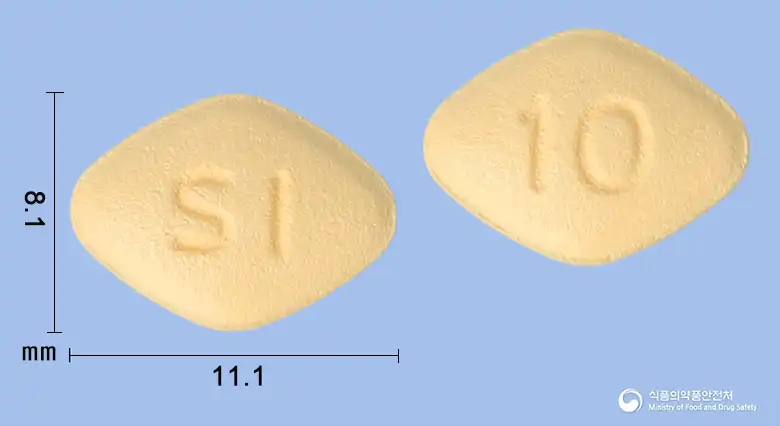
Dapagliflozin Anhydrous Lactose Mixture 15.27mg
Tablet · Prescription medication
Sinil Pharmaceutical Co., Ltd.
Dapagliflozin Anhydrous Lactose Mixture 7.635mg
Tablet · Prescription medication
Dongwha Pharmaceutical Co., Ltd.
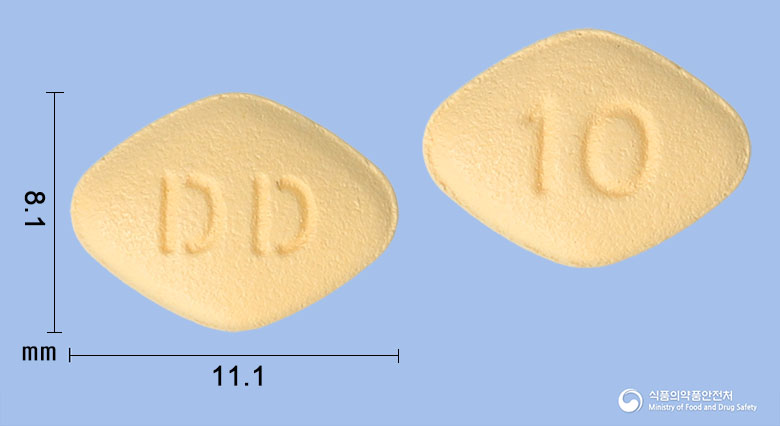
Dapagliflozin Anhydrous Lactose Mixture 15.27mg
Tablet · Prescription medication
Donghwa Pharmaceutical Co., Ltd.
Dapagliflozin Anhydrous Lactose Mixture 7.635mg
Tablet · Prescription medication
Albozen Korea Co., Ltd.
Even with the same ingredient, the dose and directions can differ by strength and dosage form. Talk to a doctor or pharmacist before switching from a medication you are already taking.
No questions yet.
For anything that needs medical judgment, consult a doctor or pharmacist.
This drug information is based on data provided by the Korea Ministry of Food and Drug Safety.
Consult a doctor or pharmacist for accurate dosage, administration, and usage instructions.