
 한국어
한국어 English
 日本語
日本語 中文(简体)
Dosage form image
Viewing nowLevotirin Liquid (Levocetirizine Hydrochloride)
Levocetirizine Hydrochloride 0.05g
Solution · Prescription medication
Aprogen Biologics, Co., Ltd.
MFDS item code 202005211 · Notified 2020.07.21
This product's status changed to Expired on 2025.07.21. It may no longer be sold, so consult a doctor or pharmacist before taking it.
Relief of symptoms of allergic rhinitis (seasonal, perennial) and chronic urticaria
This medication helps alleviate symptoms such as nasal congestion, sneezing, and runny nose in patients with seasonal or perennial allergic rhinitis. It is also effective in relieving itching and rashes in individuals suffering from chronic idiopathic urticaria. When used in conjunction with hydrocortisone topical preparations, it can provide good therapeutic effects for alleviating itching caused by dermatitis and eczema. It is safe for use in adults and children aged 6 and older. Overall, it is used to improve various allergy and skin-related symptoms.
For adults and children aged 6 years and older: 5 mg (10 mL as liquid) of levocetirizine hydrochloride orally once a day, regardless of meals. Dosing adjustments for adult patients with renal impairment are based on renal function (creatinine clearance rate (CLCR (ml/min))). - Mild (50 ≤ CLCR < 80): 5 mg once a day - Moderate (30 ≤ CLCR < 50): 5 mg twice a day - Severe (10 ≤ CLCR < 30): 5 mg three times a day
For children aged 2 years and older but under 6 years: 1.25 mg (2.5 mL as liquid) orally twice a day. For children aged 1 year and older but under 2 years: 1.25 mg (2.5 mL as liquid) orally once a day.
This medication should not be used by patients with allergies to specific ingredients or those who have previously experienced hypersensitivity to hydroxyzine or piperazine derivatives. This medication should not be given to patients with severely impaired renal function or those undergoing dialysis. It is also not recommended for pregnant or potentially pregnant women, as well as nursing mothers. This medication should not be used in infants under 1 year of age, and children under 6 years of age should be administered in liquid form instead of tablet form. The liquid formulation contains maltitol, so patients who are genetically predisposed to fructose malabsorption should refrain from taking it. Patients with weakened kidney or liver function, and the elderly should be cautious, as this medication may remain in the body for an extended period. Neurological symptoms such as drowsiness, headaches, dizziness, and fatigue may occur with this medication. Gastrointestinal side effects may include dry mouth, nausea, decreased appetite, abdominal pain, and diarrhea. Rarely, heart rate may become rapid or irregular, and there could be abnormalities in blood cell counts. Allergic reactions may manifest as skin rashes, itching, swelling, and in severe cases, anaphylaxis. Ocular symptoms may include blurriness or redness in the eyes. Liver and kidney function test values may temporarily rise. In children, common reported side effects include fever, diarrhea, vomiting, and otitis media. Drowsiness or lethargy may occur after administration, so caution should be exercised when driving or operating machinery. It is advisable to avoid consuming this medication with alcohol or other drugs that affect the central nervous system as it may worsen drowsiness or decrease concentration. Patients with issues in urinary excretion or conditions like benign prostatic hyperplasia need to be cautious when taking this medication. The liquid formulation contains preservatives and sweeteners, which can cause allergic reactions, and the sweetener has been raised for possible carcinogenicity in animal studies, necessitating caution. It is important to avoid excessive alcohol intake while taking this medication along with other antihistamines. Taking it with food may slow absorption rates but will not affect the total amount of the medication's efficacy. It is safest not to use this medication during pregnancy or breastfeeding. Dosage adjustments are necessary for children under 12 years, and it should not be used in infants under 1 year of age. Elderly patients should start on lower doses and closely monitor their condition due to potential drug retention in the body from declining kidney function. It is recommended to discontinue this medication prior to allergy testing as it could affect test results. In cases of overdose, symptoms may include drowsiness, agitation, and anxiety; as there is no specific antidote, treatment should be symptomatic. This medication is not effectively removed by dialysis, requiring caution in overdose situations.
Not everyone experiences these, and they can vary from person to person.
This medication is sensitive to light, so it should be stored in a sealed container that protects it from light. The recommended storage temperature is between 1 and 30 degrees Celsius.
Colorless transparent solution in a plastic bottle
500 milliliters/bottle
Even with the same ingredient, strength, dosage form and how it is taken can differ.
Levocetirizine Hydrochloride 0.05g
Solution · Prescription medication
Aprogen Biologics, Co., Ltd.
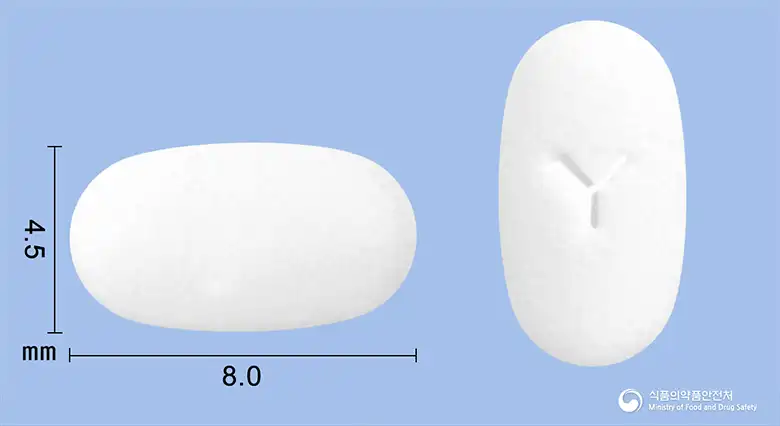
Levocetirizine Hydrochloride 5mg
Tablet · Prescription medication
HanKook UCB Pharma Co., Ltd.
Levocetirizine Hydrochloride 50mg
Solution · Prescription medication
Korea UCB Pharmaceutical Co., Ltd.
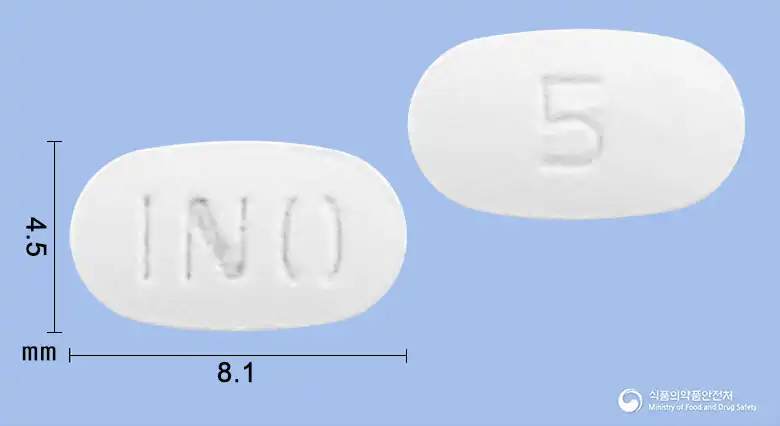
Levocetirizine Hydrochloride 5mg
Tablet · Prescription medication
HK inno.N Co., Ltd.
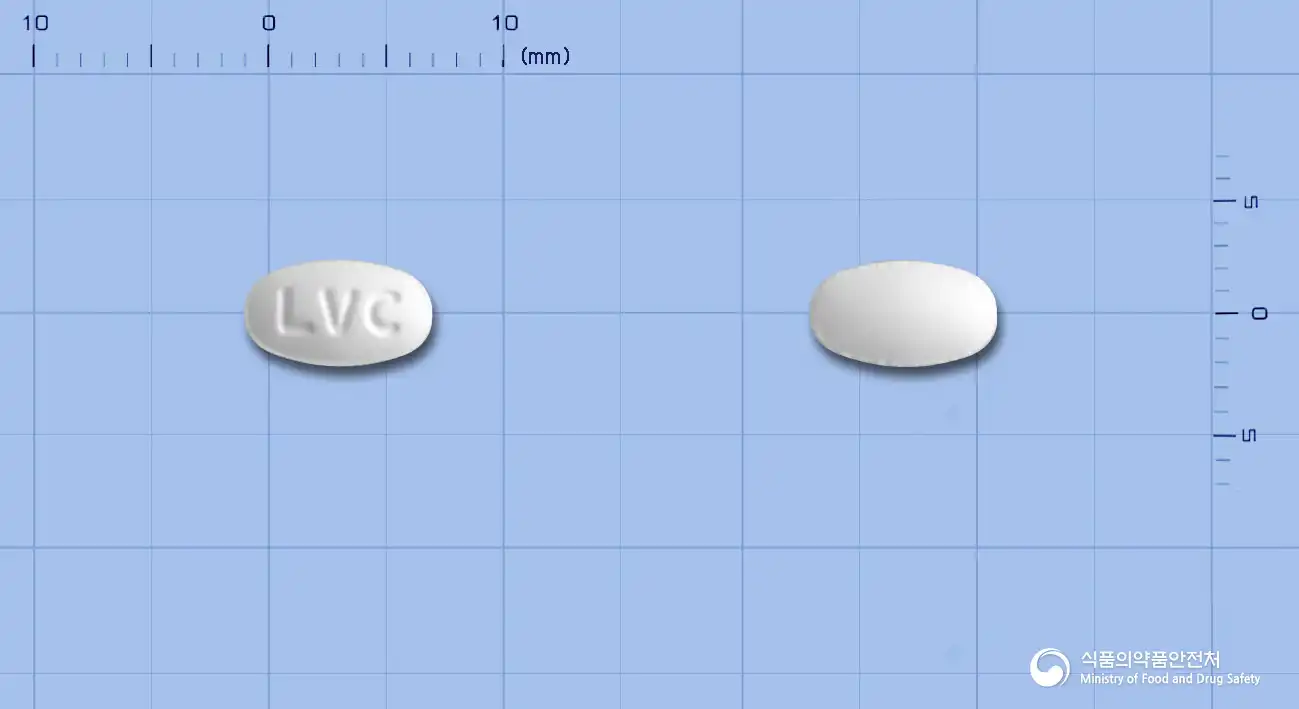
Levocetirizine Hydrochloride 5mg
Tablet · Prescription medication
Hanwha Pharmaceutical Co., Ltd.
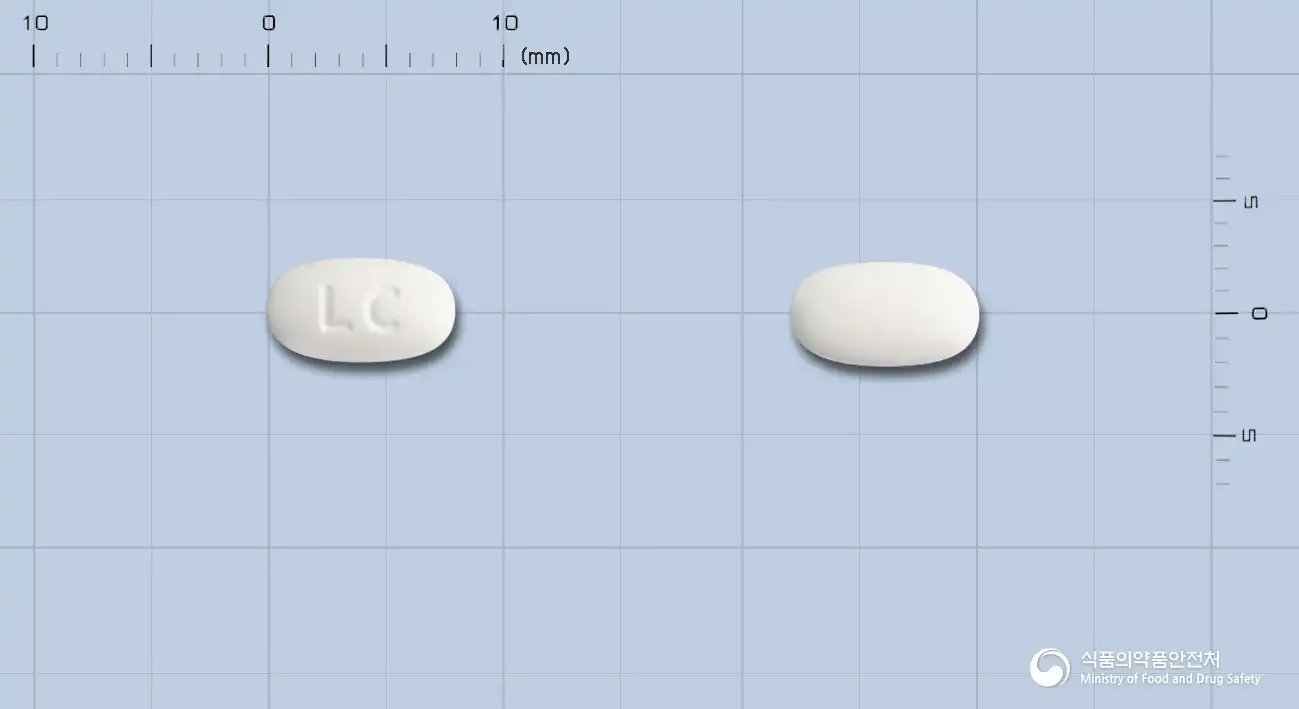
Levocetirizine Hydrochloride 5mg
Tablet · Prescription medication
Dongkwang Pharmaceutical Co., Ltd.
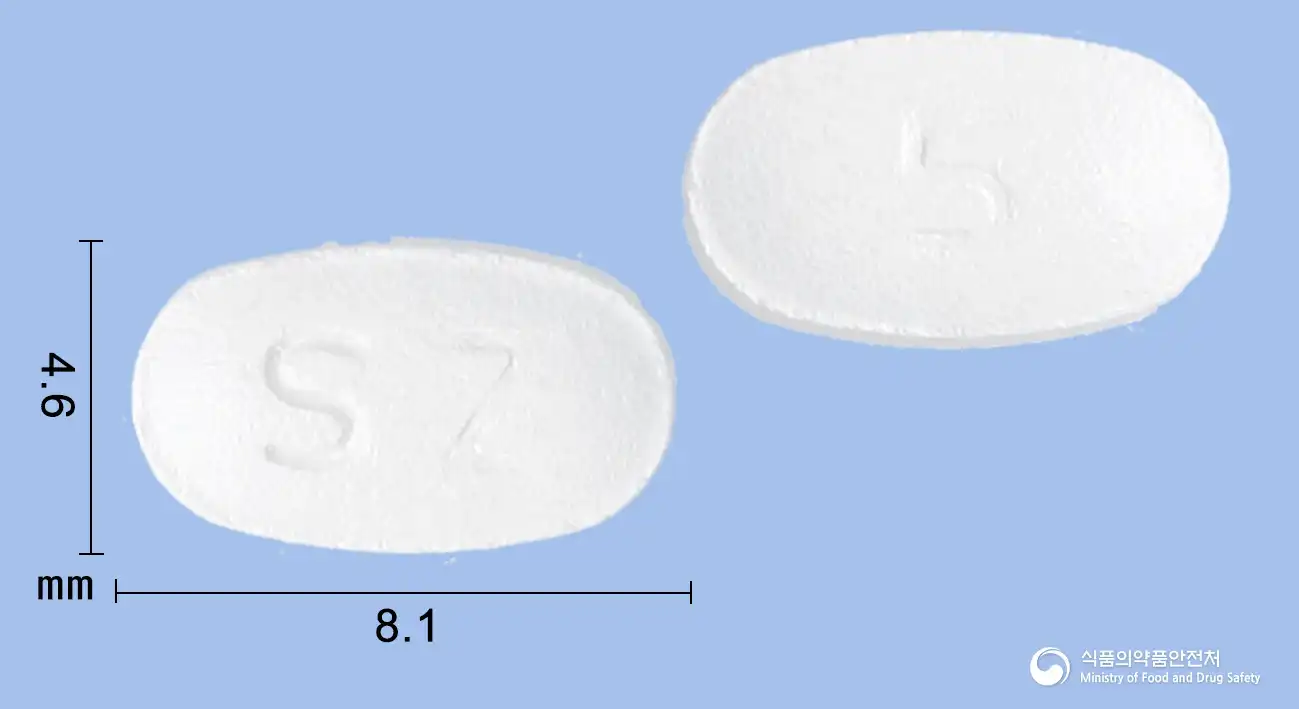
Levocetirizine Hydrochloride 5mg
Tablet · Prescription medication
Kyungdong Pharmaceutical Co., Ltd.
Levocetirizine Hydrochloride 5mg
Tablet · Prescription medication
Hanlim Pharmaceutical Co., Ltd.
Even with the same ingredient, the dose and directions can differ by strength and dosage form. Talk to a doctor or pharmacist before switching from a medication you are already taking.
No questions yet.
For anything that needs medical judgment, consult a doctor or pharmacist.
This drug information is based on data provided by the Korea Ministry of Food and Drug Safety.
Consult a doctor or pharmacist for accurate dosage, administration, and usage instructions.