
 한국어
 English
 日本語
 中文(简体)
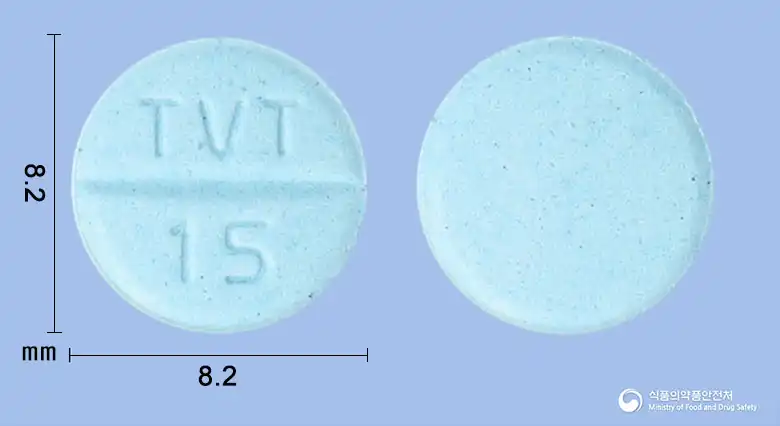 Viewing now
Myungin Tolvaptan 15 mg
Tolvaptan 15mg
Tablet · Prescription medication
Myungin Pharmaceutical Co., Ltd.
MFDS item code 202004774 · Approved 2020.06.30 · Insurance code 651904970
Treatment of hyponatremia; inhibition of progression of autosomal dominant polycystic kidney disease
This medication is used to treat hypervolemic or euvolemic hyponatremia resulting from conditions such as heart failure or syndrome of inappropriate antidiuretic hormone secretion. It is particularly effective when serum sodium concentration is less than 125 mEq/L or when symptoms are present but correction through fluid restriction is difficult. Additionally, it helps to slow progression of cyst formation and decrease in kidney function in patients with chronic kidney disease stages 1 to 4, particularly those with rapidly progressive autosomal dominant polycystic kidney disease. Thus, it is useful in addressing sodium imbalance and the progression of kidney disease.
1. Hyponatremia The recommended initial dose for adults is 15mg once daily. To achieve the target serum sodium concentration, increase the dose to 30mg once daily at intervals of at least 24 hours, and increase up to a maximum of 60mg once daily. Do not administer for more than 30 days to minimize the risk of liver injury. This product is taken mainly in the morning with water, with or without food, and swallowed without chewing. 2. Autosomal dominant polycystic kidney disease (ADPKD) The initial dose is 60mg per day, divided into 2 daily doses: 45mg before breakfast and 15mg 8 hours later. Thereafter, considering tolerability, increase the dose to 90mg per day (60mg+30mg) at intervals of at least 1 week, and then increase to 120mg per day (90mg+30mg). This product must be swallowed with water without chewing. The dose should be reduced in patients taking strong CYP3A inhibitors, and dose adjustment is also required in patients taking moderate CYP3A inhibitors.
This medication is used for the treatment of hyponatremia, and during initiation and resumption of administration, serum sodium concentrations must be closely monitored in a hospital setting. Rapid increases in serum sodium concentration may lead to serious neurological complications; therefore, regular monitoring of serum sodium levels and fluid volume is necessary. Patients with impaired liver function should avoid using this medication, and administration should be discontinued immediately if liver damage symptoms occur. In treating autosomal dominant polycystic kidney disease, liver function tests should be conducted regularly, and the medication should be discontinued if signs of liver damage are evident. This medication should not be administered to patients with specific allergic reactions, patients requiring urgent elevation of serum sodium levels, or patients who have difficulty managing body fluids. Caution should be exercised in dehydrated or hypovolemic patients, and adequate hydration should be encouraged. Diabetic patients should carefully manage their blood sugar control, and those with cardiovascular diseases or the elderly should use it with caution. This medication may interact with various drugs; therefore, it is essential to consult a healthcare provider regarding concomitant medications. Women who are pregnant or may become pregnant should not take this medication, and breastfeeding women should carefully consider whether to use it. In cases of overdose, appropriate treatment should be sought immediately under medical supervision, as there is no specific antidote for toxicity. This medication may cause drowsiness or muscle weakness when driving or operating machinery, so caution is advised. Overall, this medication requires attention when regulating electrolyte balance in the blood, and regular blood tests and symptom monitoring are essential.
Not everyone experiences these, and they can vary from person to person.
This medication should be stored in a tightly closed container to protect it from air and moisture. The recommended storage temperature is room temperature between 1 to 30 degrees Celsius.
Blue round tablet
10 tablets/box (10 tablets/PTP X1)
Even with the same ingredient, strength, dosage form and how it is taken can differ.
Viewing nowTolvaptan 15mg
Tablet · Prescription medication
Myungin Pharmaceutical Co., Ltd.
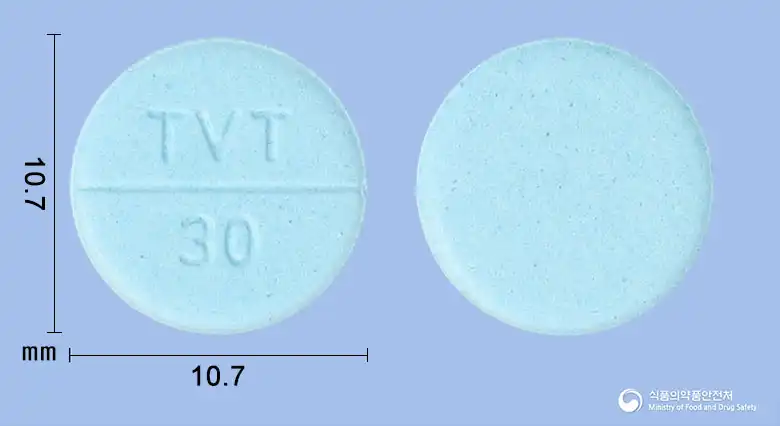
Tolvaptan 30mg
Tablet · Prescription medication
Myungin Pharmaceutical Co., Ltd.
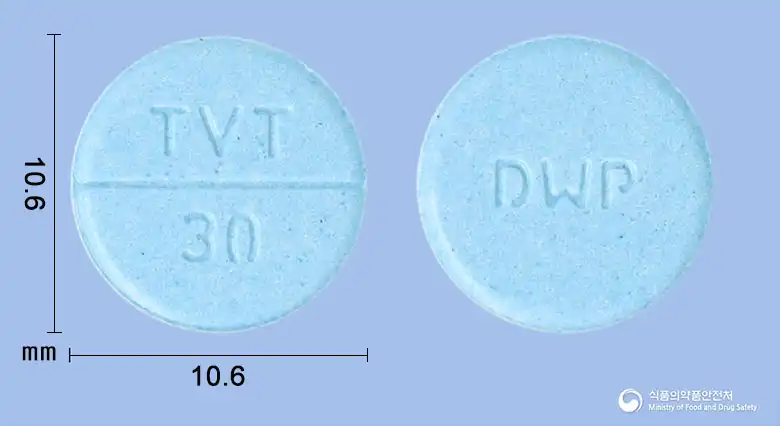
Tolvaptan 30mg
Tablet · Prescription medication
Daewon Pharmaceutical Co., Ltd.
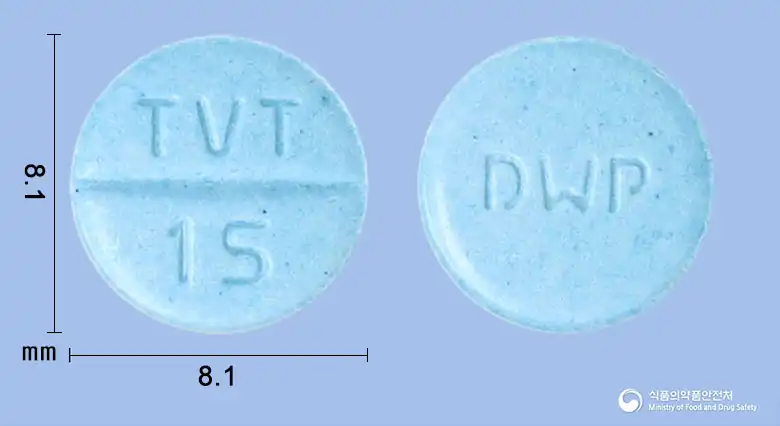
Tolvaptan 15mg
Tablet · Prescription medication
Daewon Pharmaceutical Co., Ltd.
Even with the same ingredient, the dose and directions can differ by strength and dosage form. Talk to a doctor or pharmacist before switching from a medication you are already taking.
No questions yet.
For anything that needs medical judgment, consult a doctor or pharmacist.
This drug information is based on data provided by the Korea Ministry of Food and Drug Safety.
Consult a doctor or pharmacist for accurate dosage, administration, and usage instructions.