
 한국어
 English
 日本語
 中文(简体)
Dosage form image
Viewing nowFasiga 10 mg Tablets (Dapagliflozin)
Dapagliflozin 10mg
Tablet · Prescription medication
HanKook Pharmaceuticals Co., Ltd.
MFDS item code 202004457 · Approved 2020.06.17
This product's status changed to Expired on 2025.06.17. It may no longer be sold, so consult a doctor or pharmacist before taking it.
Improves blood glucose control in type 2 diabetes mellitus
This medicine is used to help control blood sugar levels in patients with type 2 diabetes. It can be administered alone or in combination with other diabetes treatments in addition to dietary and exercise therapy. For example, it is used additionally when blood sugar control is inadequate with monotherapy with metformin or sulfonylureas, or when insulin therapy is not sufficient. It is also helpful for combination therapy with sitagliptin, a dipeptidyl peptidase-4 inhibitor, or in regimens combining multiple medications. This is used in various therapeutic methods to effectively control blood sugar.
Type 2 diabetes mellitus Monotherapy and add-on combination therapy The recommended dose of this medicine is 10 mg once daily for monotherapy and add-on combination therapy with other glucose-lowering agents, such as insulin. When this medicine is used in combination with insulin or an insulin secretagogue such as a sulfonylurea, a lower dose of insulin or the insulin secretagogue may be considered to reduce the risk of hypoglycemia. Initial combination therapy For patients who have not previously received pharmacological treatment for diabetes, the recommended initial dose of this medicine when administered in combination with metformin is 5 mg once daily or 10 mg once daily. Special populations Renal impairment - eGFR below 45 mL/min/1.73m2: Use of this medicine to improve glycemic control is not recommended. - Patients on dialysis: Do not administer this medicine. Hepatic impairment No dosage adjustment is necessary for patients with mild or moderate hepatic impairment. For patients with severe hepatic impairment, an initial dose of 5 mg is recommended. If well tolerated, this dose may be increased to 10mg. Elderly patients (≥ 65 years) Dosage adjustment based on age is not recommended. Method of administration This medicine may be taken orally once daily at any time of day, with or without food. The tablet should be swallowed whole.
The efficacy and safety of dapagliflozin in children under 18 years of age have not been established. No relevant data are available.
This drug should not be used in patients with allergies to its ingredients or excipients. It should also not be administered to patients with type 1 diabetes or those with diabetic ketoacidosis. It contains anhydrous lactose, making it unsuitable for patients with galactose intolerance, Lapp lactase deficiency, or genetic disorders related to glucose-galactose absorption. Patients undergoing dialysis should not use this drug. This drug should be used cautiously in patients who are volume-depleted or have impaired kidney function, as hypotension or changes in kidney function may occur; therefore, the patient's condition should be closely monitored before and after administration. In patients with moderate or severe renal impairment, the blood glucose control effect may be reduced, requiring caution. During treatment with this drug, genital infections or urinary tract infections may occur, particularly in women or those with a history of past infections, with a higher recurrence risk. Symptoms of hypoglycemia may occur but are more common when taken with medications such as insulin or sulfonylureas. Dehydration or hypotension may occur due to volume depletion, so fluid status must be managed well, and symptoms should be reported immediately. Diabetic ketoacidosis may rarely occur, so if symptoms of ketoacidosis appear regardless of blood sugar levels, medical attention should be sought promptly. This drug may affect kidney function, so regular kidney function tests are important. Severe infections such as Fournier's gangrene have been rarely reported, so if symptoms such as pain, tenderness, redness, or swelling occur in the genital or perineal area, medical attention should be sought immediately. Pregnant or breastfeeding women are advised not to use this drug, and administration should be discontinued upon confirmation of pregnancy. Elderly patients or those with impaired kidney function should be closely monitored due to increased risks of volume depletion and hypotension. When using this drug, precautions should be taken while driving or operating machinery for symptoms of hypoglycemia, and the risk of hypoglycemia may increase when used in combination with insulin or sulfonylureas. Due to drug interactions, when taken with diuretics, the risk of dehydration and hypotension may be increased, necessitating dose adjustments and monitoring as per the physician's instructions. There is no specific antidote in case of overdose, so appropriate treatment based on symptoms should be received. The safety and efficacy of this drug in pediatric patients have not been established; therefore, it is not recommended for children.
Not everyone experiences these, and they can vary from person to person.
This medicine must be stored in a tightly sealed container to avoid exposure to air or moisture. Additionally, it should be kept at room temperature between 1 to 30 degrees Celsius, avoiding places that are too hot or too cold.
Yellow, double convex, diamond-shaped film-coated tablet
8 tablets/PPT [(8 tablets/Alu-Alu)], 100 tablets/bottle
Even with the same ingredient, strength, dosage form and how it is taken can differ.
Dapagliflozin 10mg
Tablet · Prescription medication
HanKook Pharmaceuticals Co., Ltd.
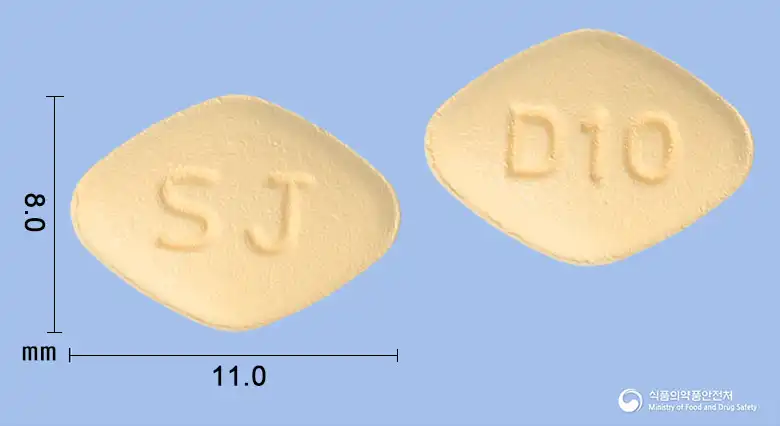
Dapagliflozin 10mg
Tablet · Prescription medication
Samjin Pharmaceutical Co., Ltd.
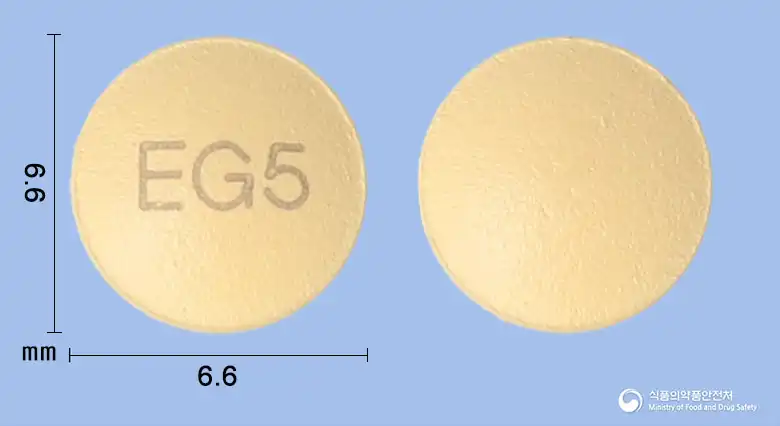
Dapagliflozin 5mg
Tablet · Prescription medication
Jongkundang Co., Ltd.
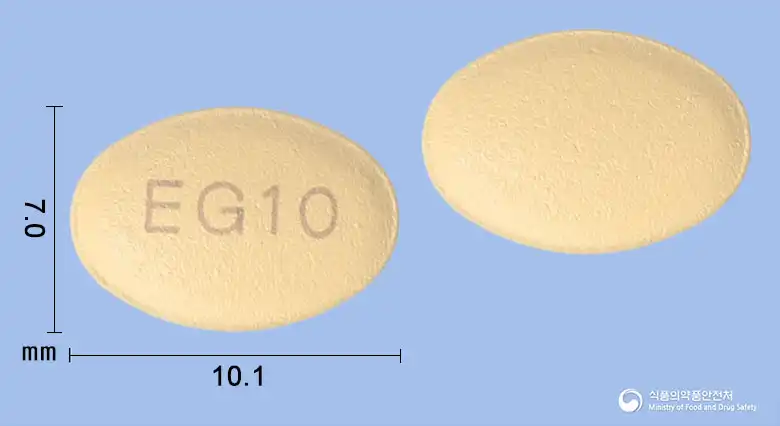
Dapagliflozin 10mg
Tablet · Prescription medication
Jongkundang Co., Ltd.
Dapagliflozin 10mg
Tablet · Prescription medication
Korea Prime Pharma Co., Ltd.
Dapagliflozin 10mg
Tablet · Prescription medication
Withus Pharmaceutical Co., Ltd.
Dapagliflozin 10mg
Tablet · Prescription medication
IYUN Pharmaceutical Co., Ltd.
Dapagliflozin 10mg
Tablet · Prescription medication
Litepharmtech Co., Ltd.
Even with the same ingredient, the dose and directions can differ by strength and dosage form. Talk to a doctor or pharmacist before switching from a medication you are already taking.
No questions yet.
For anything that needs medical judgment, consult a doctor or pharmacist.
This drug information is based on data provided by the Korea Ministry of Food and Drug Safety.
Consult a doctor or pharmacist for accurate dosage, administration, and usage instructions.