
 한국어
한국어 English
 日本語
日本語 中文(简体)
Dosage form image
Viewing nowPogli Tablets (Dapagliflozin)
Dapagliflozin 10mg
Tablet · Prescription medication
Korea Prime Pharma Co., Ltd.
MFDS item code 202004448 · Approved 2020.06.17
This product's status changed to Expired on 2025.06.17. It may no longer be sold, so consult a doctor or pharmacist before taking it.
Improves blood glucose control in type 2 diabetes
This medication is used in conjunction with dietary and exercise therapy to improve blood glucose control in patients with type 2 diabetes. It can be administered alone, but for patients who have never received diabetes medication previously and find it challenging to control blood glucose on monotherapy, it may be used in combination with metformin. Furthermore, when adequate blood glucose control cannot be achieved with monotherapy using metformin or sulfonylureas, this medication may be added if insulin therapy or sitagliptin therapy is also inadequate. In situations requiring multiple drug combinations, this medication helps improve blood glucose control. Thus, this medication effectively enhances blood glucose control in conjunction with various diabetes treatment methods.
The recommended dosage of this medication for monotherapy and additional combination therapy with insulin and other hypoglycemic agents is 10mg once daily. For initial combination therapy with metformin, the initial recommended dose is 5mg or 10mg once daily. This medication can be taken orally at any time of the day, regardless of food intake. The tablets should be swallowed whole.
The efficacy and safety of dapagliflozin in children under 18 years of age have not been established. No relevant data is available.
This medication should not be used in patients with allergies to the active ingredient or excipients. It should also not be administered to patients with type 1 diabetes or diabetic ketoacidosis. It is safest to avoid this medication in patients with severely impaired renal function or those on dialysis. This medication should be used cautiously in patients who are volume-depleted or have renal impairment. It can lower blood pressure or decrease intravascular fluid volume, leading to hypotension and changes in renal function. Elderly patients or those on diuretics should have their fluid status and renal function monitored frequently. For patients with reduced renal function, the blood glucose control effects of this medication may be diminished, and the decision to administer it should be based on renal function. While taking this medication, the risk of genital and urinary tract infections may increase; therefore, consult a healthcare professional immediately if infection symptoms occur. Due to the risk of hypoglycemia, dosage adjustments may be necessary when taken with insulin or sulfonylureas, among other hypoglycemic agents. This medication could cause dehydration or hypotension symptoms; notify your healthcare professional if symptoms of dehydration occur. A serious metabolic disturbance known as ketoacidosis may occur, so if symptoms like vomiting, abdominal pain, or difficulty breathing arise, visit a hospital immediately. It is recommended that women who are pregnant or planning to become pregnant do not use this medication. Breastfeeding women should also avoid this medication, and its safety in children and adolescents has not been established. There are no specific antidotes for overdose; appropriate treatment should be obtained based on symptoms. During the course of this medication, caution should be exercised when driving or operating machinery due to the risk of hypoglycemia and other side effects. This medication should be stored away from direct sunlight and kept out of reach of children.
Urticaria, severe swelling (edema), chest tightness, difficulty breathing, cold sweat, pallor, severe rash with fever, blisters, peeling skin, pain in oral/ocular mucous membranes, shortness of breath or difficulty breathing, asthma attack, breathing irregularities accompanied by cough and fever, yellowing of the skin or eyes (jaundice), profound lethargy, sudden and severe headaches, thunderclap headaches, seizures, altered consciousness, visual disturbances, paralysis, urination
Not everyone experiences these, and they can vary from person to person.
This medication may be sensitive to air and moisture, so it should be stored in a tightly closed container. Maintaining the storage temperature between 1 and 30 degrees Celsius at room temperature is important. Proper storage will help maintain the effectiveness and safety of the medication.
Yellow, biconvex, diamond-shaped film-coated tablet
100 tablets/bottle, 8 tablets/box [(8 tablets/Alu-Alu)]
Even with the same ingredient, strength, dosage form and how it is taken can differ.
Dapagliflozin 10mg
Tablet · Prescription medication
Korea Prime Pharma Co., Ltd.
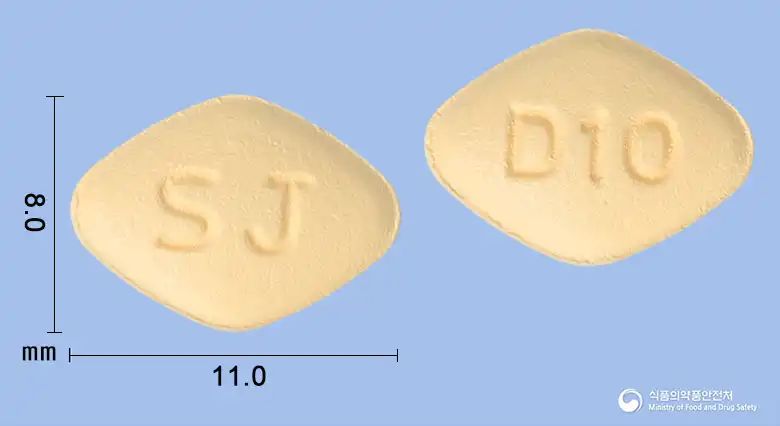
Dapagliflozin 10mg
Tablet · Prescription medication
Samjin Pharmaceutical Co., Ltd.
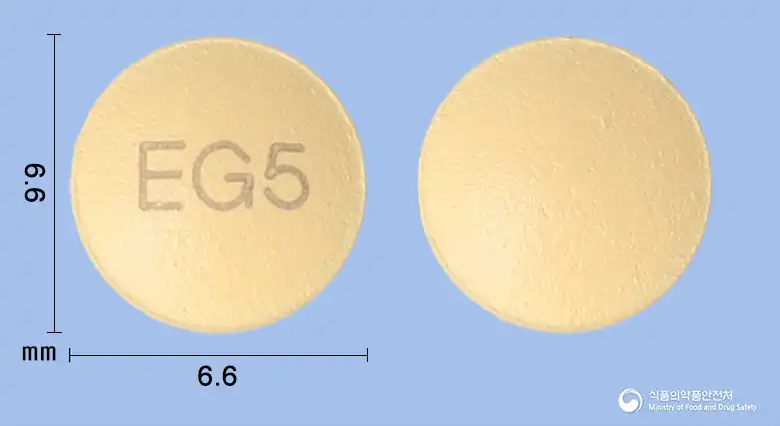
Dapagliflozin 5mg
Tablet · Prescription medication
Jongkundang Co., Ltd.
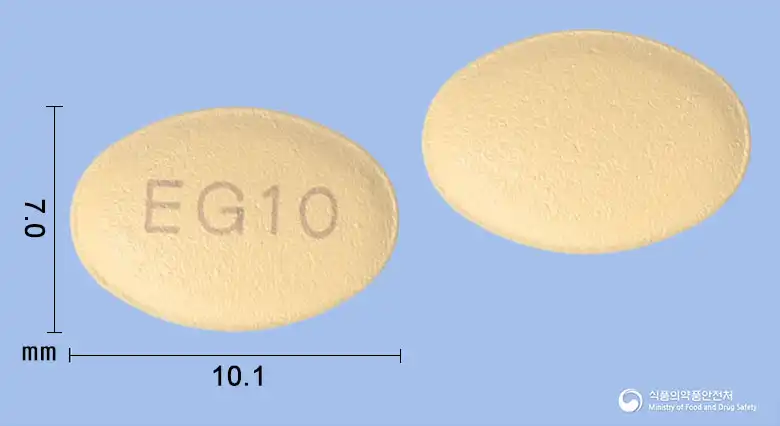
Dapagliflozin 10mg
Tablet · Prescription medication
Jongkundang Co., Ltd.
Dapagliflozin 10mg
Tablet · Prescription medication
Withus Pharmaceutical Co., Ltd.
Dapagliflozin 10mg
Tablet · Prescription medication
IYUN Pharmaceutical Co., Ltd.
Dapagliflozin 10mg
Tablet · Prescription medication
Litepharmtech Co., Ltd.
Dapagliflozin 10mg
Tablet · Prescription medication
Samchundang Pharm. Co., Ltd.
Even with the same ingredient, the dose and directions can differ by strength and dosage form. Talk to a doctor or pharmacist before switching from a medication you are already taking.
No questions yet.
For anything that needs medical judgment, consult a doctor or pharmacist.
This drug information is based on data provided by the Korea Ministry of Food and Drug Safety.
Consult a doctor or pharmacist for accurate dosage, administration, and usage instructions.