
 한국어
한국어 English
 日本語
日本語 中文(简体)
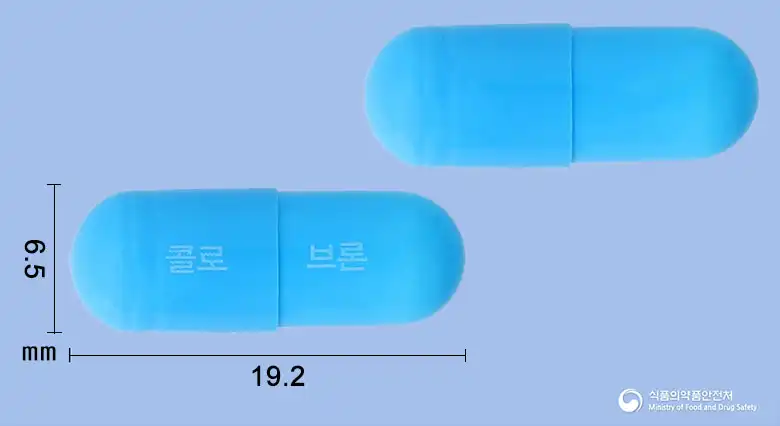
Dosage form image
Viewing nowCombinationCystine Capsule
Acetylcysteine 200mg · Chlorpheniramine Maleate 4mg
Hard capsule · OTC medication · Combination
Mirae Biopharmaceutical Co., Ltd.
MFDS item code 202004111 · Notified 2020.05.29
This product's status changed to Expired on 2025.05.29. It may no longer be sold, so consult a doctor or pharmacist before taking it.
Improvement of symptoms related to acute and chronic respiratory diseases (cough, phlegm) and pediatric cold symptoms.
This medication is used to relieve cough and phlegm caused by acute and chronic respiratory diseases, as well as cough among children with seasonal colds and cold symptoms.
Adults take 1 capsule once, usually 3 times a day. The dosage may be adjusted appropriately according to age and symptoms.
Children aged 3 to 12 years take 1/2 capsule once, usually 3 times a day.
This medication should not be administered to certain patients. For example, it should not be used in patients with allergies to this medication, patients with gastric or duodenal ulcers, patients with glaucoma, patients with lower urinary tract obstruction such as benign prostatic hyperplasia, and in premature or newborn infants. Additionally, this medication contains lactose, and individuals with genetic conditions such as galactose intolerance, lactase deficiency, and glucose-galactose malabsorption should avoid taking it. There are also patients who should use this medication cautiously. Patients with elevated intraocular pressure, patients with hyperthyroidism, patients with stenosing peptic ulcers or pyloric obstruction, patients with cardiovascular diseases or hypertension, patients with epilepsy, patients with bronchitis or asthma, patients with liver disease, and newborns should be used carefully under a doctor's judgment. When taking this medication, rare gastrointestinal symptoms such as nausea, vomiting, inflammation of the mouth, heartburn, and diarrhea may occur. Allergic reactions such as skin rash, itching, headache, tinnitus, and bronchospasm may also occur, and in rare cases, symptoms of rapid heartbeat or elevated blood pressure may appear. In severe cases, shock symptoms may occur, so if breathing difficulties, cyanosis, chest discomfort, or lowered blood pressure are observed, treatment should be stopped immediately and appropriate treatment should be administered. There may be symptoms such as convulsions or mental confusion, so careful observation is required, and blood tests should be performed to check for blood abnormalities such as aplastic anemia or agranulocytosis. Neuropsychiatric side effects such as drowsiness, headache, insomnia, dizziness, nervousness, etc., may occur, as well as gastrointestinal symptoms, urinary tract problems, and respiratory symptoms. This medication may cause drowsiness, so it is advisable to avoid dangerous activities such as driving a vehicle or operating machinery while taking it. Moreover, taking this medication with certain antibiotics may decrease the effectiveness of the antibiotics, so it should be taken with a minimum interval of 2 hours. Caution is needed when taken with alcohol or central nervous system depressants as it may enhance drowsiness. Women who are pregnant or may become pregnant should carefully consider the benefits and risks of using this medication, and breastfeeding women should also take care as this medication may be excreted in breast milk. The elderly may have decreased bodily functions, so it must be administered cautiously while closely monitoring their condition. In case of overdose, severe poisoning symptoms and cardiovascular abnormalities may arise, so immediate emergency measures such as inducing vomiting or gastric lavage should be taken. Finally, it is not recommended to mix this medication with other medications in solution.
Not everyone experiences these, and they can vary from person to person.
This medication should be stored in a tightly closed container to prevent exposure to air or moisture. It is best to maintain a storage temperature between 1 and 30 degrees Celsius.
A hard capsule with a white powder filled inside, with a light blue upper and lower part.
PTP - 10 capsules/PTP, PTP - 1000 capsules/PTP [10 capsules/PTP x 100]
Even with the same ingredient, strength, dosage form and how it is taken can differ.
Acetylcysteine 200mg · Chlorpheniramine Maleate 4mg
Hard capsule · OTC medication · Combination
Mirae Biopharmaceutical Co., Ltd.
Acetylcysteine 2000mg · Chlorpheniramine Maleate 40mg
Syrup · OTC medication · Combination
Seoul Pharmaceutical Co., Ltd.
 Combination
Acetylcysteine 200mg · Chlorpheniramine Maleate 4mg
Hard capsule · OTC medication · Combination
Jeongwoo Pharmaceutical Co., Ltd.
Acetylcysteine 2000mg · Chlorpheniramine Maleate 40mg
Syrup · OTC medication · Combination
Yuyu Pharmaceutical Co., Ltd.
Acetylcysteine 2000mg · Chlorpheniramine Maleate 40mg
Syrup · OTC medication · Combination
Dongkook Pharmaceutical Co., Ltd.
Acetylcysteine 2000mg · Chlorpheniramine Maleate 40mg
Syrup · OTC medication · Combination
Boryeong Biopharma Co., Ltd.
Acetylcysteine 2000mg · Chlorpheniramine Maleate 40mg
Syrup · OTC medication · Combination
Huons Life Science Co., Ltd.
Acetylcysteine 2000mg · Chlorpheniramine Maleate 40mg
Syrup · OTC medication · Combination
Hankook Hyutex Pharmaceuticals Co., Ltd.
Even with the same ingredient, the dose and directions can differ by strength and dosage form. Talk to a doctor or pharmacist before switching from a medication you are already taking.
No questions yet.
For anything that needs medical judgment, consult a doctor or pharmacist.
This drug information is based on data provided by the Korea Ministry of Food and Drug Safety.
Consult a doctor or pharmacist for accurate dosage, administration, and usage instructions.