
 한국어
한국어 English
 日本語
日本語 中文(简体)
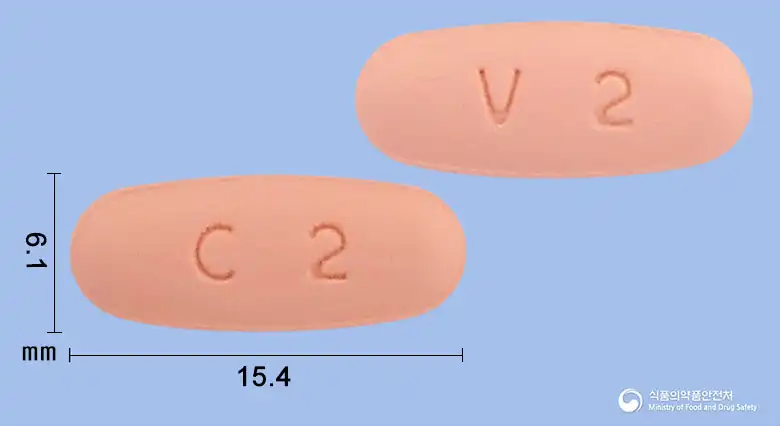 Viewing nowCombination
Kvarban 10/160 mg
Rosuvastatin Calcium 10.4mg · Valsartan 160mg
Tablet · Prescription medication · Combination
Pamjen Science Co., Ltd.
MFDS item code 202003921 · Approved 2020.05.27
(Hypertension, Heart Failure) treatment and improvement of hypercholesterolemia and reduction of cardiovascular disease risk
This medication is used for patients who need to take both valsartan and rosuvastatin simultaneously. Valsartan is used for essential hypertension and heart failure, especially in heart failure patients intolerant to ACE inhibitors, and is effective in reducing the risk of death after myocardial infarction. Rosuvastatin lowers cholesterol levels in patients with hypercholesterolemia and mixed hyperlipidemia that are difficult to control with diet and delays the progression of atherosclerosis. It also helps reduce the risks of stroke, myocardial infarction, and revascularization in patients at high risk for cardiovascular disease. Therefore, this medication is used to improve various cardiovascular disease-related conditions including hypertension, heart failure, and hypercholesterolemia.
This medication is administered only to adults, and the dosage should be individualized based on the effects and tolerability of valsartan and rosuvastatin for each patient. ◆ Valsartan 1. Essential hypertension - Take with water during meals or between meals. - It is recommended to take it at the same time every day (e.g., in the morning). - The basic recommended dose is 80 mg administered orally once a day, and if blood pressure control is insufficient, it can be increased to 160 mg per day.
Safety and efficacy in children and adolescents (under 18 years) have not been established. Therefore, it should not be administered to children and adolescents under 18 years.
This medication can cause serious harm to the fetus if taken during pregnancy, especially in the second and third trimesters; therefore, it should be stopped immediately if pregnancy is confirmed. Patients with allergies to this medication, severe impairment of liver or kidney function, and certain muscle disorders should not take this medication. Particular caution is required for elderly patients or those with high potassium levels, as well as patients with impaired liver function, and regular liver function tests should be performed. If symptoms of muscle pain or weakness occur while taking this medication, notify a doctor immediately, and in severe cases, discontinuation of the medication may be necessary. Interactions with other medications may occur, so all medications being taken should be reported to a doctor or pharmacist. This medication is not recommended for breastfeeding women; it is advisable to avoid taking it while breastfeeding. Safety and effectiveness in children and adolescents have not been established, so use in this population is not advisable. In case of overdose, as there are no specific antidotes, immediate medical assistance should be sought, and caution should be taken as symptoms such as hypotension may occur. This medication should be kept out of reach of children, and not transferred to other containers, as this is important for maintaining the quality of the medication.
Hives, angioedema (swelling of face, lips, pharynx, tongue, etc.), jaundice, severe edema, severe allergic reactions, severe skin adverse reactions, difficulty breathing, respiratory distress, asthma attacks, respiratory abnormalities associated with cough and fever, severe neurological symptoms (headache, thunderclap headache, seizures, confusion, visual disturbances, paralysis), markedly decreased urine output, severe edema accompanied by increased blood pressure, severe edema or urinary abnormalities, vasculitis
Dyspepsia, nausea, chest discomfort, dizziness, headache, conjunctival hemorrhage, constipation, asthenia, chest pain, facial edema, peripheral edema, nasopharyngitis, urinary tract infection, bruising, increased serum liver aminotransferases (AST, ALT), increased serum creatine phosphokinase, increased serum potassium, increased gamma-glutamyl transferase, musculoskeletal stiffness, limb pain, sensory loss, anxiety, upper respiratory tract infection, headache, dizziness, fatigue
Not everyone experiences these, and they can vary from person to person.
This medication is sensitive to light; therefore, it should be stored in a container that does not allow light to enter. Additionally, it is important to store it at room temperature, between 1 and 30 degrees Celsius, to maintain the medication's effectiveness.
Pink oval film-coated tablet
30 tablets/box [10 tablets/PTP x 3]
Even with the same ingredient, strength, dosage form and how it is taken can differ.
Viewing nowCombinationRosuvastatin Calcium 10.4mg · Valsartan 160mg
Tablet · Prescription medication · Combination
Pamjen Science Co., Ltd.
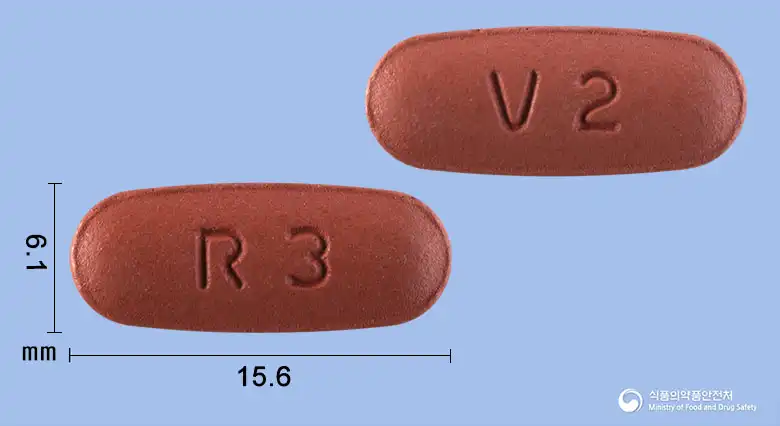 Combination
Rosuvastatin Calcium 20.8mg · Valsartan 160mg
Tablet · Prescription medication · Combination
Dongkwang Pharmaceutical Co., Ltd.
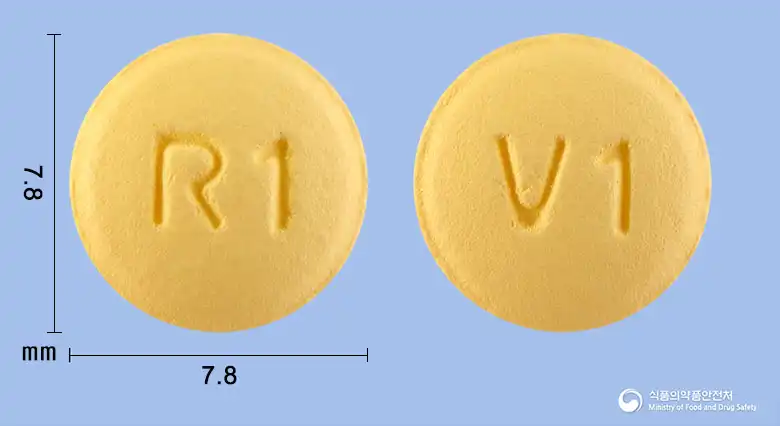 Combination
Rosuvastatin Calcium 5.2mg · Valsartan 80mg
Tablet · Prescription medication · Combination
Dongkwang Pharmaceutical Co., Ltd.
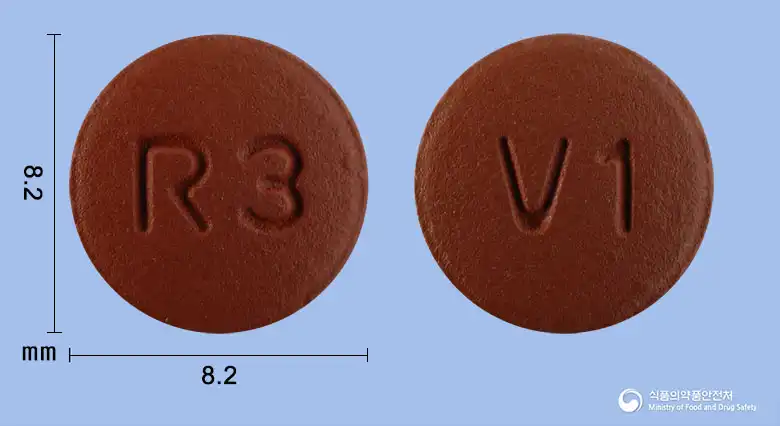 Combination
Rosuvastatin Calcium 20.8mg · Valsartan 80mg
Tablet · Prescription medication · Combination
Dongkwang Pharmaceutical Co., Ltd.
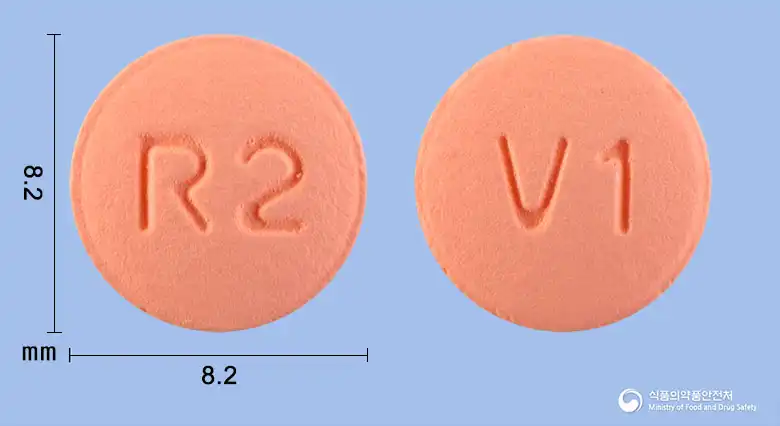 Combination
Rosuvastatin Calcium 10.4mg · Valsartan 80mg
Tablet · Prescription medication · Combination
Dongkwang Pharmaceutical Co., Ltd.
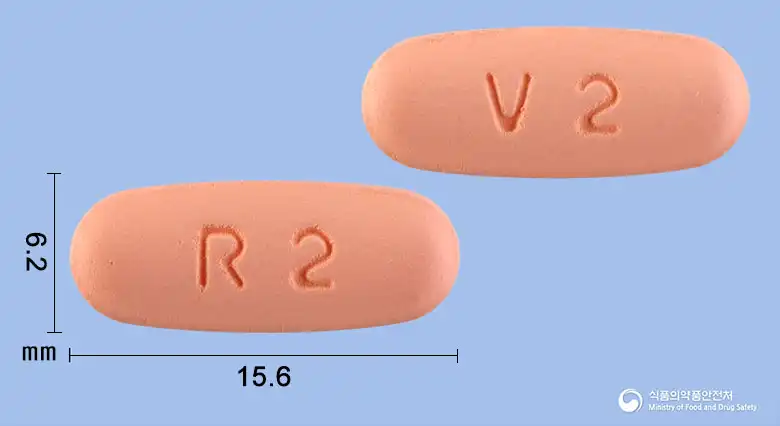 Combination
Rosuvastatin Calcium 10.4mg · Valsartan 160mg
Tablet · Prescription medication · Combination
Dongkwang Pharmaceutical Co., Ltd.
Rosuvastatin Calcium 20.8mg · Valsartan 160mg
Tablet · Prescription medication · Combination
Medika Korea Co., Ltd.
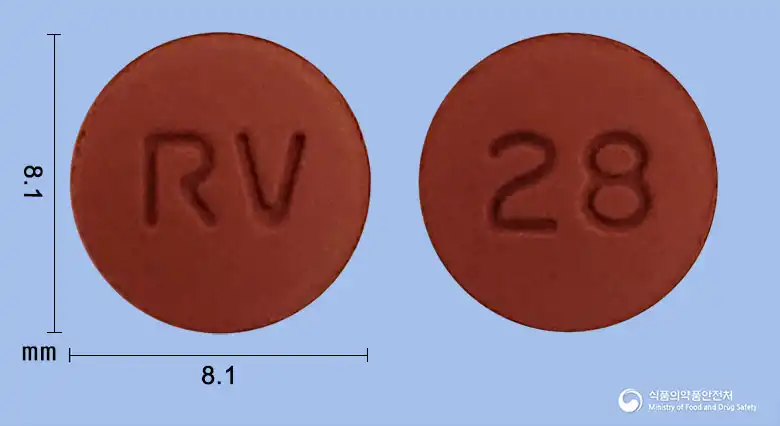 Combination
Rosuvastatin Calcium 20.8mg · Valsartan 80mg
Tablet · Prescription medication · Combination
Medica Korea Co., Ltd.
Even with the same ingredient, the dose and directions can differ by strength and dosage form. Talk to a doctor or pharmacist before switching from a medication you are already taking.
No questions yet.
For anything that needs medical judgment, consult a doctor or pharmacist.
This drug information is based on data provided by the Korea Ministry of Food and Drug Safety.
Consult a doctor or pharmacist for accurate dosage, administration, and usage instructions.