
 한국어
한국어 English
 日本語
日本語 中文(简体)
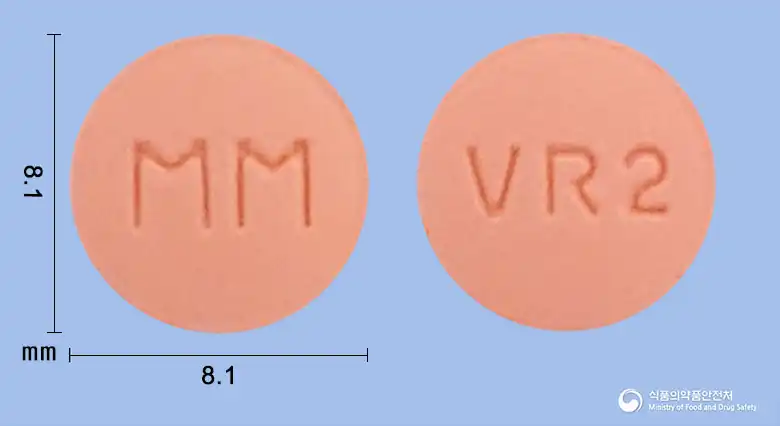 Viewing nowCombination
Valsartan and Rosuvastatin Tablets 10/80 mg
Rosuvastatin Calcium 10.4mg · Valsartan 80mg
Tablet · Prescription medication · Combination
Myungmoon Pharmaceutical Co., Ltd.
MFDS item code 202003853 · Approved 2020.05.26 · Insurance code 649807670
(Hypertension, Heart Failure) treatment and (Hypercholesterolemia) improvement
This medication is used for patients who need to take both valsartan and rosuvastatin. Valsartan is effective for essential hypertension and heart failure, and it reduces the risk of mortality after myocardial infarction. It is particularly helpful for heart failure patients who are intolerant to ACE inhibitors. Rosuvastatin is used for the treatment of primary and familial hypercholesterolemia, mixed dyslipidemia, and it contributes to reducing the risk of cardiovascular diseases. Additionally, it controls hypercholesterolemia and delays the progression of atherosclerosis. The combination of these two medications can effectively improve cardiovascular health.
For essential hypertension, the recommended starting dose of valsartan is 80 mg orally once daily, and in cases where blood pressure control is poor, the dose may be increased up to a maximum of 320 mg per day. For heart failure, the starting dose is 40 mg orally twice a day, which may be increased up to 80 mg or 160 mg per single dose. To reduce the risk of mortality after myocardial infarction, the starting dose is 20 mg administered orally twice daily, gradually increasing the dosage.
Safety and efficacy have not been established for pediatric patients under 18 years of age, so it should not be administered.
This medication may cause serious harm to the fetus, especially after the second trimester, so it should be discontinued immediately upon confirmation of pregnancy. Women of childbearing potential should use appropriate contraceptive methods, and it is safe for pregnant or breastfeeding women to avoid this medication. This medication should not be administered to patients with severe liver or kidney dysfunction, liver cirrhosis, bile duct obstruction, or certain muscular diseases. Caution is needed for the elderly, patients with hyperkalemia, and those with liver disorders, and regular liver and kidney function tests are recommended. Because this medication lowers blood pressure, symptoms of hypotension or dizziness may occur, so caution should be exercised during driving or operating machinery. Additionally, if symptoms such as muscle pain or weakness occur, consulting a doctor immediately is necessary, and in severe cases, discontinuation of the medication may be needed. This medication may interact with other antihypertensive agents, diuretics, potassium supplements, and certain antibiotics, so it is essential to inform your doctor of any other medications being taken. In cases of overdose, severe hypotension or altered consciousness may occur, and immediate medical attention is required; blood dialysis is not effective. This medication has not been established for safety and efficacy in children and adolescents, so it should not be used. When storing, keep it out of reach of children and do not transfer it to other containers.
Hives, severe swelling (edema), chest tightness, difficulty breathing, cold sweat, pallor, severe rash with fever, blisters, skin peeling, pain in oral/ocular mucosa, shortness of breath or difficulty breathing, asthma attacks, respiratory abnormalities accompanied by cough and fever, jaundice (yellowing of skin or eyes), profound lethargy, sudden and severe headache, lightning headache, seizures, altered consciousness, visual disturbances, paralysis, urinary retention
Dyspepsia, nausea, dizziness, headache, conjunctival hemorrhage, constipation, asthenia, chest pain, facial swelling, peripheral edema, nasopharyngitis, urinary tract infection, bruising, increased serum liver transaminase (AST, ALT) levels, increased serum creatinine phosphokinase, increased serum potassium levels, increased gamma-glutamyl transferase, musculoskeletal stiffness, limb pain, paresthesia, anxiety, upper respiratory tract infection, pharyngitis, tonsillitis, spinal canal stenosis, insomnia
Not everyone experiences these, and they can vary from person to person.
This medication is sensitive to light, so it should be stored in light-resistant containers. Additionally, it should be stored at room temperature between 1 to 30 degrees Celsius, avoiding excessively hot or cold places.
Pink round film-coated tablets
30 tablets per box [(10 tablets/PTP) * 3]
Even with the same ingredient, strength, dosage form and how it is taken can differ.
Viewing nowCombinationRosuvastatin Calcium 10.4mg · Valsartan 80mg
Tablet · Prescription medication · Combination
Myungmoon Pharmaceutical Co., Ltd.
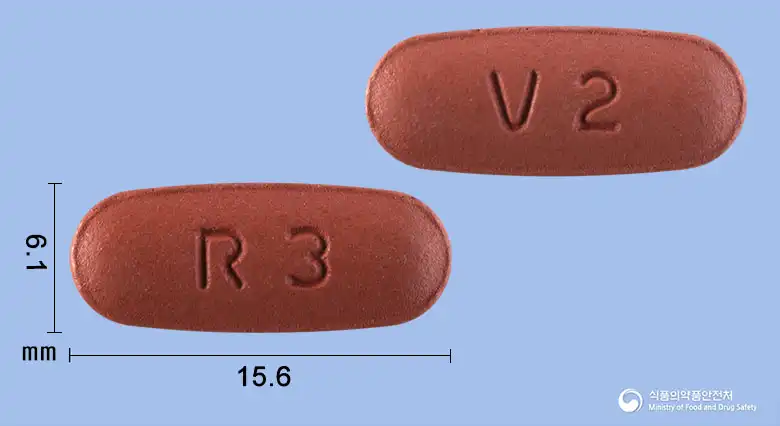 Combination
Rosuvastatin Calcium 20.8mg · Valsartan 160mg
Tablet · Prescription medication · Combination
Dongkwang Pharmaceutical Co., Ltd.
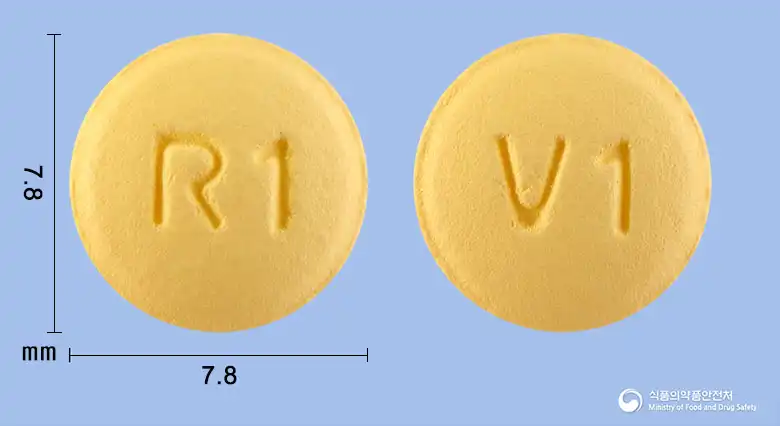 Combination
Rosuvastatin Calcium 5.2mg · Valsartan 80mg
Tablet · Prescription medication · Combination
Dongkwang Pharmaceutical Co., Ltd.
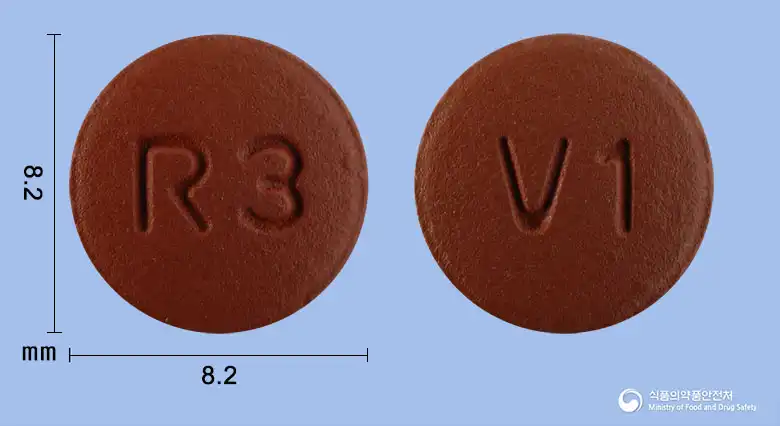 Combination
Rosuvastatin Calcium 20.8mg · Valsartan 80mg
Tablet · Prescription medication · Combination
Dongkwang Pharmaceutical Co., Ltd.
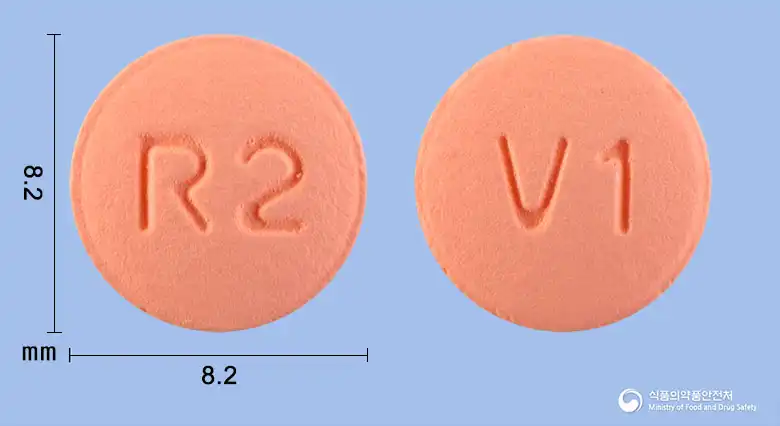 Combination
Rosuvastatin Calcium 10.4mg · Valsartan 80mg
Tablet · Prescription medication · Combination
Dongkwang Pharmaceutical Co., Ltd.
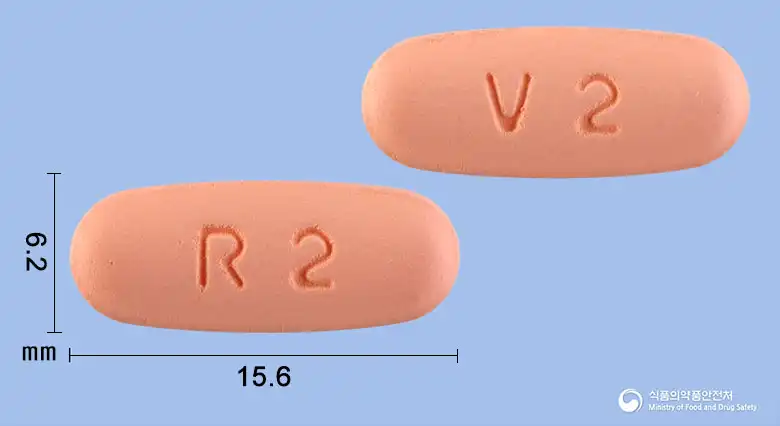 Combination
Rosuvastatin Calcium 10.4mg · Valsartan 160mg
Tablet · Prescription medication · Combination
Dongkwang Pharmaceutical Co., Ltd.
Rosuvastatin Calcium 20.8mg · Valsartan 160mg
Tablet · Prescription medication · Combination
Medika Korea Co., Ltd.
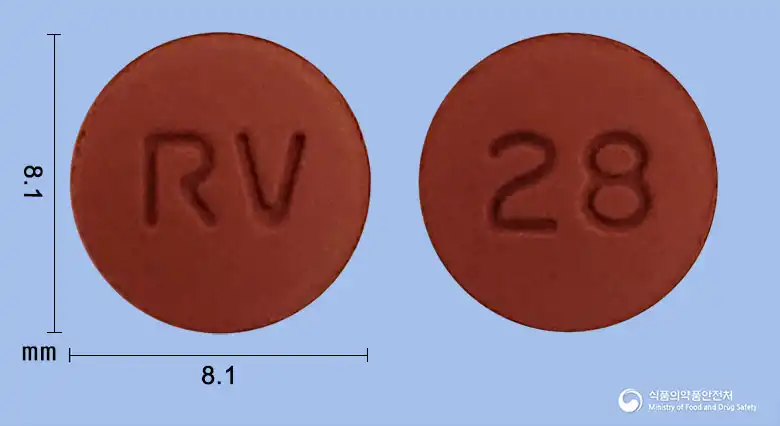 Combination
Rosuvastatin Calcium 20.8mg · Valsartan 80mg
Tablet · Prescription medication · Combination
Medica Korea Co., Ltd.
Even with the same ingredient, the dose and directions can differ by strength and dosage form. Talk to a doctor or pharmacist before switching from a medication you are already taking.
No questions yet.
For anything that needs medical judgment, consult a doctor or pharmacist.
This drug information is based on data provided by the Korea Ministry of Food and Drug Safety.
Consult a doctor or pharmacist for accurate dosage, administration, and usage instructions.