
 한국어
 English
 日本語
 中文(简体)
 Viewing now
Ladokshim Tablet (Cefpodoxime Proxetil)
Cefpodoxime Proxetil 100mg
Tablet · Prescription medication
Lightpharmtech Co., Ltd.
MFDS item code 202003692 · Approved 2020.05.21 · Insurance code 690302850
Treatment of respiratory, otorhinolaryngological, and dental infections; skin and soft tissue infections; and genitourinary infections
This medication is used to treat various infections caused by multiple types of bacteria. Specifically, it is effective against dermatological and soft tissue infections such as folliculitis, boils, carbuncles, shingles, soft tissue infections, lymphangitis, and paronychia. It is also used for respiratory infections like mastitis, pharyngitis, acute bronchitis, chronic bronchitis, and pneumonia, as well as urogenital infections such as pyelonephritis, cystitis, and gonococcal urethritis. Furthermore, it is widely used for various infectious diseases such as Bartholin's gland inflammation, otitis media, sinusitis, periodontitis, and osteomyelitis. It is a very effective drug for treating infections and alleviating symptoms against various types of bacteria. Therefore, it is used for treating skin, respiratory, urogenital, and other soft tissue infections.
Adults: Administer cefpodoxime 100mg (potency) per dose orally twice daily after meals. If the condition is severe or the response is considered inadequate, administer 200mg (potency) per dose orally twice daily after meals. Adjust the dose appropriately according to age, symptoms, etc.
This medication should not be used in patients who have had severe allergic reactions or shock due to this medication in the past. Also, since this medication contains lactose, patients with genetically determined galactose intolerance, Lapp lactase deficiency, or glucose-galactose malabsorption should not take it. In principle, this medication should not be administered to patients who have had allergies to its components or cephalosporin antibiotics; however, it must be used cautiously in special circumstances. Caution is also needed for patients with allergies to penicillin antibiotics. Caution should also be exercised when administering this medication to patients who have a predisposition to allergic reactions such as bronchial asthma, rashes, or urticaria. Patients with severely impaired renal function must be cautious in administering this medication, as it is excreted through the kidneys. Patients who have difficulty taking medications orally, receive parenteral nutrition, the elderly, and those with poor general condition should be carefully monitored for signs of vitamin K deficiency. This medication can occasionally cause severe shock or acute allergic reactions such as anaphylaxis, and if symptoms appear, administration must be stopped immediately. If hypersensitivity reactions such as rashes, urticaria, itching, or fever occur, administration should be ceased, and appropriate treatment sought. Gastrointestinal side effects may include severe colitis, which can occur infrequently, thus any abdominal pain or diarrhea should be promptly reported to medical personnel. If respiratory symptoms or pneumonia symptoms develop, administration should be stopped, and treatment is necessary. Blood tests may show changes in white blood cell or platelet counts; therefore, regular testing is necessary for long-term use. Neurological side effects may occur in patients with impaired kidney function, such as cognitive disturbances and seizures, thus care must be taken. Severe skin reactions may occur infrequently, necessitating careful observation of the skin, with immediate reporting of any abnormalities. Since this medication may affect liver and kidney functions, regular tests are necessary. Antibiotic treatment may lead to candidiasis in the oral cavity; thus, attention to symptoms is required for signs of such occurrences. Symptoms of vitamin K or vitamin B deficiency may arise, and monitoring for these symptoms is essential. To prevent the emergence of resistant bacteria, it is preferable to use this medication for the shortest effective duration, following susceptibility tests. It is recommended to take a medical history and perform skin reaction tests before administration to predict allergic reactions. Caution is necessary when operating vehicles or machinery as dizziness may occur. For use exceeding 10 days, blood tests to check white blood cell counts should be conducted. In patients with impaired kidney function, dose adjustment may be necessary, and administration should be stopped if seizures occur. Severe skin reactions have been reported, so consultation with medical personnel must occur immediately if skin symptoms develop. This medication should be administered cautiously alongside diuretics or aminoglycoside antibiotics, as it may place extra strain on the kidneys. Additionally, concomitant use with probenecid may delay excretion, increasing blood concentration. Antacids or gastric acid secretion inhibitors may interfere with the absorption of this medication, so timing of administration is important. Safety during pregnancy is not assured; thus, women who are pregnant or may become pregnant should use it cautiously, weighing risks against benefits. Breastfeeding women should discontinue breastfeeding, as this medication can be transmitted in breast milk. Safety in neonates and children has not been sufficiently established. Elderly patients are at risk for bleeding due to decreased body function and vitamin K deficiency, thus dosage and intervals should be appropriately adjusted while closely monitoring their condition. This medication may affect certain clinical test results; therefore, it is important to inform healthcare personnel during testing.
Shock
Not everyone experiences these, and they can vary from person to person.
This medication should be stored in a tightly sealed container to protect it from air and light exposure, at a safe temperature between 1 to 30 degrees Celsius. Proper storage can maintain the medication's efficacy over time.
White round film-coated tablets
30 tablets/bottle, 100 tablets/bottle
Even with the same ingredient, strength, dosage form and how it is taken can differ.
Viewing nowCefpodoxime Proxetil 100mg
Tablet · Prescription medication
Lightpharmtech Co., Ltd.

Cefpodoxime Proxetil 100mg
Tablet · Prescription medication
HK inno.N Co., Ltd.
Cefpodoxime Proxetil 5000mg
Prescription medication
HK inno.N Co., Ltd.
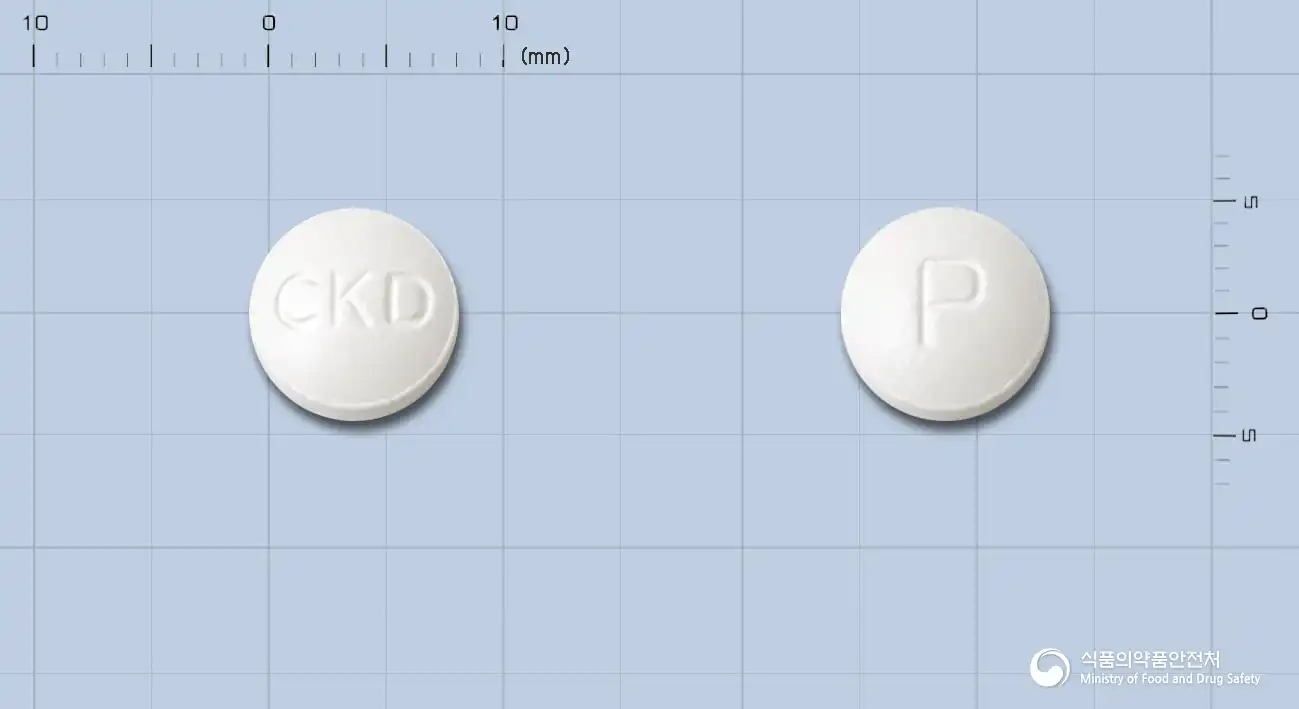
Cefpodoxime Proxetil 100mg
Tablet · Prescription medication
Jongkundang Co., Ltd.

Cefpodoxime Proxetil 100mg
Tablet · Prescription medication
Youngjin Pharmaceutical Co., Ltd.

Cefpodoxime Proxetil 130mg
Tablet · Prescription medication
Hanmi Pharmaceutical Co., Ltd.
Cefpodoxime Proxetil 5000mg
Prescription medication
Jongkundang Co., Ltd.
Cefpodoxime Proxetil
Prescription medication
SK Chemicals Co., Ltd.
Even with the same ingredient, the dose and directions can differ by strength and dosage form. Talk to a doctor or pharmacist before switching from a medication you are already taking.
No questions yet.
For anything that needs medical judgment, consult a doctor or pharmacist.
This drug information is based on data provided by the Korea Ministry of Food and Drug Safety.
Consult a doctor or pharmacist for accurate dosage, administration, and usage instructions.