
 한국어
 English
 日本語
 中文(简体)
 Viewing nowCombination
Akrab Tablet 60/10 mg
Fimasartan Potassium Trihydrate Granules 150mg · Atorvastatin Calcium Trihydrate 10.4mg
Tablet · Prescription medication · Combination
Boryung Pharmaceutical Co., Ltd.
MFDS item code 202003218 · Approved 2020.04.29 · Insurance code 641907620
Treatment of essential hypertension, improvement of dyslipidemia, prevention of cardiovascular disease
This medicine is used for patients who need to take both Pimasartan and Atorvastatin. Pimasartan primarily helps to treat essential hypertension. Atorvastatin is effective in reducing various risks associated with cardiovascular diseases. For example, it helps in reducing risks related to heart attack, stroke, angina, and after vascular procedures, and lowers the risk in patients with type 2 diabetes and coronary heart disease. Additionally, Atorvastatin is used to treat hyperlipidemia, improving blood levels of cholesterol and triglycerides and increasing HDL-cholesterol levels. This medicine is effectively used for managing hypertension and cardiovascular risks.
Take 1 tablet once daily with water, regardless of meals. It is recommended that the drug be taken at the same time each day (e.g., in the morning), if possible. This drug is for adults only. The dose should be individualized for each patient based on the effects and tolerability of each component, fimasartan and atorvastatin. Patients receiving fimasartan and atorvastatin as separate products may switch to this drug (a combination product with the same amount of each active ingredient) for convenience of administration. ○ Fimasartan 1. Adults The recommended dose of this drug is 30 ~ 60 milligrams once daily, regardless of meals. If blood pressure is not adequately controlled at this dose, it may be increased to 120 milligrams once daily. It is recommended that the drug be taken at the same time each day (e.g., in the morning), if possible. The blood pressure-lowering effect appears within 2 weeks after starting treatment and reaches its maximum after approximately 8 weeks ~ 12 weeks. 2. Elderly patients No initial dose adjustment is required in elderly patients aged 70 years or younger. (See section 9. Administration to elderly patients under Precautions for use.) 3. Patients with renal impairment No dose adjustment is required in patients with mild to moderate renal impairment (creatinine clearance 30 ~ 80 mL/min). In patients with severe renal impairment (creatinine clearance < 30 mL/min), initiate treatment at 30 milligrams once daily and do not exceed 60 milligrams per day. 4. Patients with hepatic impairment No dose adjustment is required in patients with mild hepatic impairment. Do not administer this drug to patients with moderate ~ severe hepatic impairment (see sections 2. Patients in whom the drug must not be administered and 10. Administration to patients with hepatic impairment under Precautions for use). 5. Patients with decreased effective circulating blood volume (e.g., patients taking high doses of diuretics) For patients at high risk of hypotension, such as those with decreased effective circulating blood volume, an initial dose of 30 milligrams once daily is recommended. (See section 3. Patients in whom the drug should be administered with caution under Precautions for use.) ○ Atorvastatin Patients receiving atorvastatin should follow a standard cholesterol-lowering diet before and during treatment. The drug may be taken at any time of day, regardless of food. 1. Hyperlipidemia The recommended initial dose is atorvastatin 10 mg once daily. For patients requiring a greater reduction in LDL cholesterol, treatment may be initiated with 20 mg or 40 mg once daily (only when a reduction in LDL cholesterol of 45 % or more is required). This drug is administered once daily in a dose range of 10 ~ 80 mg. The initial and maintenance doses of this drug should be individualized according to patient characteristics, taking into account the treatment goal and response. Analyze lipid levels within 2 ~ 4 weeks after starting treatment and/or titrating the dose, and adjust the dose accordingly. Because the goal of treatment is to lower LDL cholesterol, use of LDL cholesterol is recommended when initiating treatment and evaluating the treatment response. However, if LDL cholesterol levels are unavailable, use total cholesterol levels to monitor the treatment response. Patients with homozygous familial hypercholesterolemia The dose of this drug is 10 ~ 80 mg once daily. Administer this drug in combination with other lipid-lowering treatments (e.g., LDL apheresis), or when such lipid-lowering treatments are not available. - Patients with renal impairment: Renal disease does not affect atorvastatin plasma concentrations or its LDL cholesterol-lowering effect; therefore, no dose adjustment is required. - Elderly patients: The efficacy and safety in patients aged 70 years and older are similar to those in the general adult patient population.
This medication may cause serious harm or death to the fetus and newborn if taken during pregnancy, especially during the second and third trimesters, so it must be discontinued immediately upon confirmation of pregnancy. This medicine should not be used in patients with severe liver dysfunction or active liver disease, nor in patients with muscle disorders. Pregnant women, women who may become pregnant, and nursing mothers should not take this medication. It should not be administered to patients undergoing dialysis, patients with moderate to severe liver impairment, or obstructive biliary disease. Patients with allergies to the ingredients or certain hereditary conditions like lactose intolerance should avoid taking this medicine. Patients with a history of alcoholism or liver disease, impaired kidney function, elderly patients, or patients with reduced blood volume or sodium require special caution when taking this medication. Common side effects during use can include muscle pain, muscle weakness, fatigue, headache, dizziness, dyspepsia, vomiting, abnormal liver function, and other symptoms. If any abnormal symptoms occur, consult a doctor immediately. This medication has hypotensive effects, so symptoms of low blood pressure may appear, particularly at the start of treatment or when the dose is increased; careful monitoring of blood pressure and kidney function is necessary. There may be interactions with specific medications during use, so inform your doctor or pharmacist about any other medications being taken. The safety of this medication in children has not been established, and it should not be given to children under 10 years old. Elderly patients may have increased exposure to this medication, which may require dosage adjustment, and caution is particularly advised regarding muscle-related side effects. This medication should not be given to patients with moderate to severe liver dysfunction, and if symptoms of liver dysfunction appear, treatment should be discontinued immediately. In the case of overdose, symptoms such as hypotension, palpitations, and bradycardia may occur, thus requiring appropriate treatment based on symptoms. This medication should be kept out of reach of children and stored in its original container to prevent misuse or deterioration of product quality.
Headache, dizziness, increased serum creatine phosphokinase (CPK), abnormal liver enzyme levels, increased ALT, elevated serum lactate dehydrogenase (LDH), increased liver enzyme levels, hypokalemia, fatigue, edema, myalgia, hypertension, ventricular ectopic beats, syncope, sedation, migraine, dyspepsia, vomiting, nausea, upper abdominal pain, weakness, foreign body sensation, elevated liver enzymes (ALT, AST), decreased platelet count, increased serum creatine phosphokinase, cough, muscle contractions, musculoskeletal stiffness, itching, localized urticaria, facial flushing, flushing, erectile dysfunction, acute pancreatitis, intestinal obstruction, hemorrhagic duodenal ulcer, appendicitis, hemorrhoids, abdominal pain, intracranial hemorrhage, transient ischemic attack, atherosclerosis, worsening cerebral infarction, cerebral hemorrhage, liver cancer, colon cancer, neoplasm of unknown type, cervical cancer, prostate cancer, acute renal failure, chronic renal failure, kidney stones, pyelonephritis, urinary incontinence, rhinitis, pulmonary fibrosis, pharyngitis, pneumonia, pulmonary disease, death, exacerbation of back pain, osteoarthritis, arthrosis, hypoglycemia, hyperkalemia, pulmonary embolism, purpura, bradycardia, atrial fibrillation, coronary artery disease, aortic stenosis, heart failure, elevated blood pressure, acute hepatitis, benign pituitary neoplasm, otitis media, uterine prolapse, recurrent cancer, epilepsy, amyotrophic lateral sclerosis, neuropathy, neuronitis, facial paralysis, normal pressure hydrocephalus, spinal canal stenosis, weakness, lethargy, chest pain, peripheral edema, fever, rhinopharyngitis, hyperglycemia, weight gain, appetite loss, constipation, abdominal distension, diarrhea, pharyngolaryngeal pain, epistaxis, insomnia, nightmares, perceptual disturbances, sensory loss, taste disturbances, amnesia, peripheral neuropathy, arthralgia, limb pain, muscle cramps, joint swelling, back pain, muscle fatigue, myopathy, myositis, rhabdomyolysis, tendon disorders, muscle rupture, lupus-like syndrome, immune-mediated necrotizing myopathy, thrombocytopenia, allergic reaction, anaphylaxis, hepatitis, cholestasis, liver failure, visual blurriness, visual impairment, tinnitus, hearing loss, urticaria, skin rash, hair loss, angioedema, vascular neurogenic edema, erythema multiforme, Stevens-Johnson syndrome, toxic epidermal necrolysis, gynecomastia, interstitial lung disease, muscle pain, muscle tension, muscle weakness, myasthenia, tenosynovitis, neck pain, contracture, elevated serum myoglobin, impotence, urinary tract infection, frequent urination, cystitis, hematuria, dysuria, kidney stones, nocturia, epididymitis, breast fibrocystic disease, vaginal bleeding, albuminuria, breast enlargement, cervical secretion, nephritis, urinary incontinence, urinary retention, urgency, abnormal ejaculation, uterine bleeding, discolored urine, lethargy, vascular neurogenic edema, chest pain, angina, facial swelling, fever, neck stiffness, generalized edema, amblyopia, dry eyes, refractive errors, eye hemorrhage, hearing impairment, deafness, pelvic inflammatory disease, vaginitis, prostatic hyperplasia, scrotal pain, blood pressure variability, fatty liver, localized inflammation, soft tissue infection, lymphadenopathy, postoperative pain, heat intolerance
Not everyone experiences these, and they can vary from person to person.
This medicine is sensitive to air and moisture, so it must be stored in a tight container. Additionally, avoid storing in excessively hot or cold places, ideally at a room temperature between 1 to 30 degrees Celsius.
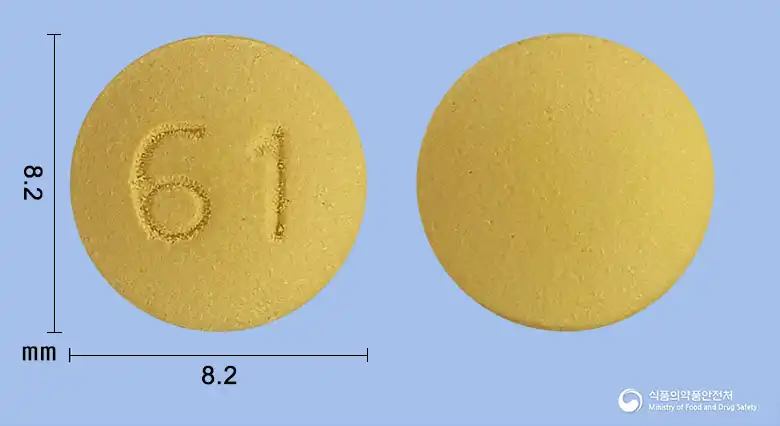
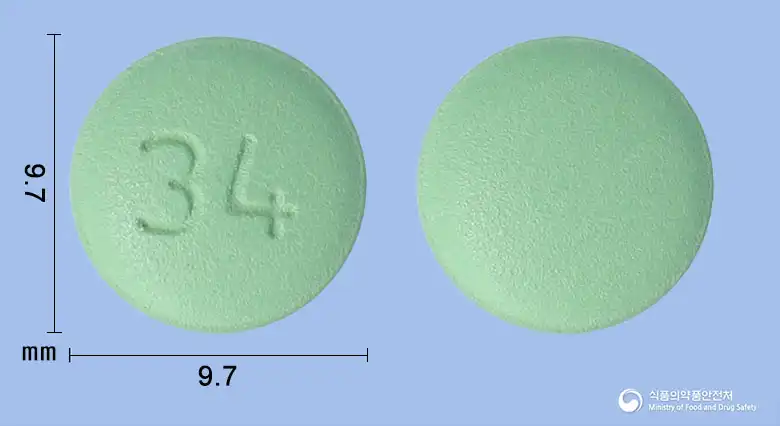
Yellow round film-coated tablets
30 tablets/box [10 tablets/PTP*3]
Even with the same ingredient, strength, dosage form and how it is taken can differ.
Viewing nowCombinationFimasartan Potassium Trihydrate Granules 150mg · Atorvastatin Calcium Trihydrate 10.4mg
Tablet · Prescription medication · Combination
Boryung Pharmaceutical Co., Ltd.
 Combination
Fimasartan Potassium Trihydrate Granules 150mg · Atorvastatin Calcium Trihydrate 10.4mg
Tablet · Prescription medication · Combination
Boryung Pharmaceutical Co., Ltd.
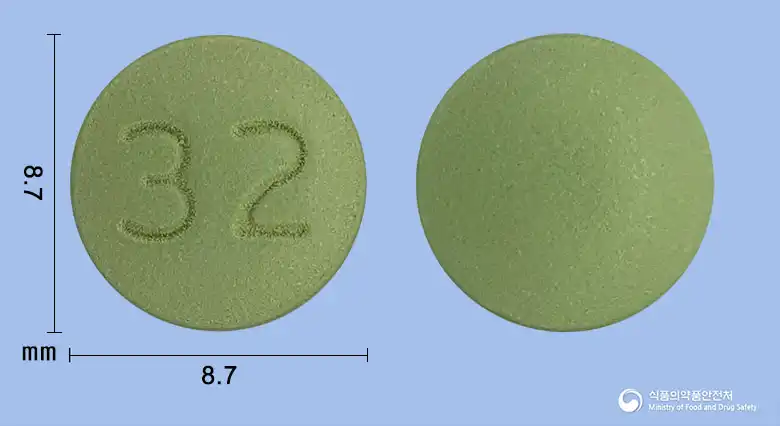 Combination
Fimasartan Potassium Trihydrate Granules 75mg · Atorvastatin Calcium Trihydrate 10.4mg
Tablet · Prescription medication · Combination
Boryung Pharmaceutical Co., Ltd.
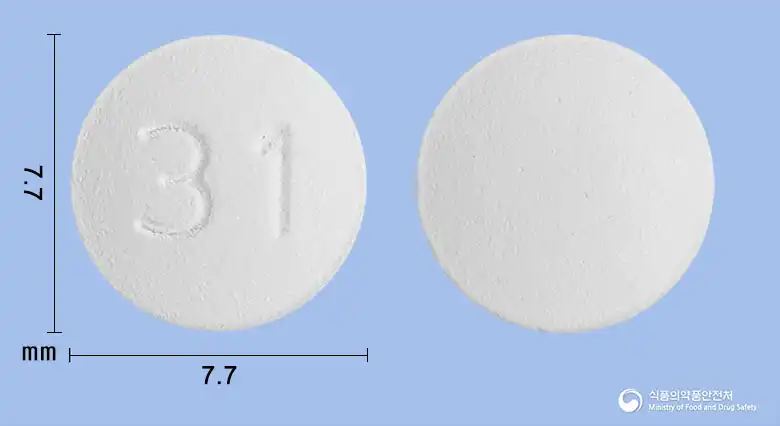 Combination
Fimasartan Potassium Trihydrate Granules 75mg · Atorvastatin Calcium Trihydrate 10.4mg
Tablet · Prescription medication · Combination
Boryung Pharmaceutical Co., Ltd.
Fimasartan Potassium Trihydrate Granules 300mg · Atorvastatin Calcium Trihydrate 20.8mg
Tablet · Prescription medication · Combination
Boryung Co., Ltd.
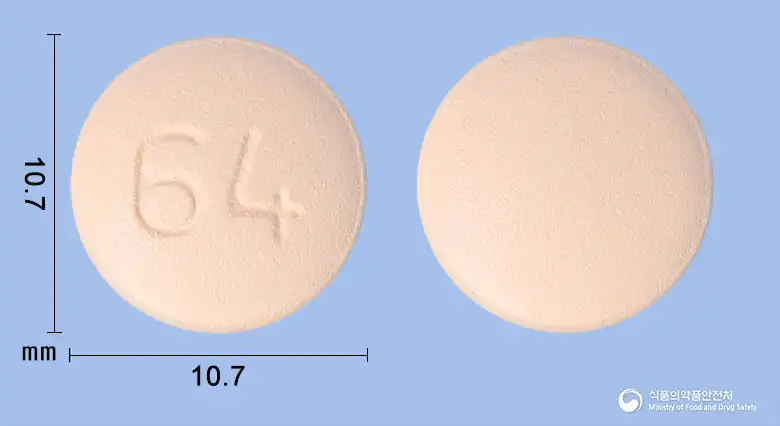 Combination
Fimasartan Potassium Trihydrate Granules 150mg · Atorvastatin Calcium Trihydrate 43.4mg
Tablet · Prescription medication · Combination
Boryung Co., Ltd.
 Combination
Fimasartan Potassium Trihydrate Granules 75mg · Atorvastatin Calcium Trihydrate 43.4mg
Tablet · Prescription medication · Combination
Boryung Pharmaceutical Co., Ltd.
Even with the same ingredient, the dose and directions can differ by strength and dosage form. Talk to a doctor or pharmacist before switching from a medication you are already taking.
No questions yet.
For anything that needs medical judgment, consult a doctor or pharmacist.
This drug information is based on data provided by the Korea Ministry of Food and Drug Safety.
Consult a doctor or pharmacist for accurate dosage, administration, and usage instructions.