
 한국어
 English
 日本語
 中文(简体)
 Viewing now
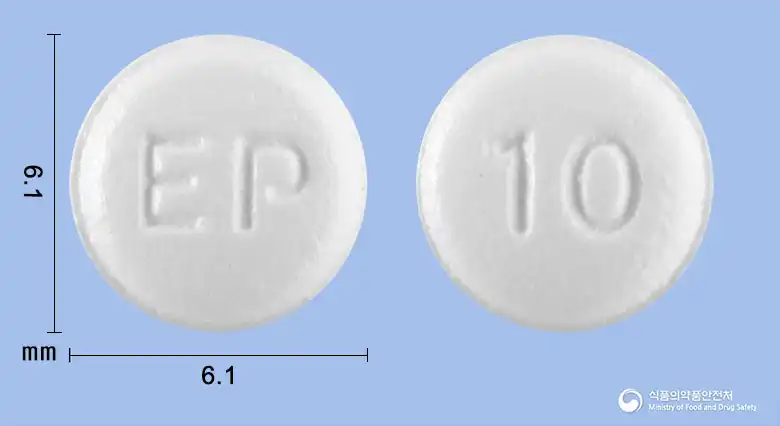
Epiruka Tablet 10 mg (Epinastine Hydrochloride)
Epinastine Hydrochloride 10mg
Tablet · Prescription medication
Daiwon Biotech Co., Ltd.
MFDS item code 202002810 · Approved 2020.04.21 · Insurance code 057600680
Treatment of allergic rhinitis, skin disorders (urticaria, eczema, etc.), and bronchial asthma
This medication is used for respiratory allergic diseases such as bronchial asthma and allergic rhinitis. It is also effective in alleviating skin diseases such as urticaria, eczema, dermatitis, and itching. It helps improve these symptoms to enhance the quality of life of patients.
1. Asthma, urticaria, eczema/dermatitis, pruritus, pruritic rash (prurigo), and common psoriasis accompanied by itching Adults: Administer 20 mg of epinastine hydrochloride orally once daily. Adjust the dose as appropriate according to symptoms. 2. Allergic rhinitis Adults: Administer 10~20 mg of this medicine orally once daily. Adjust the dose as appropriate according to symptoms.
This medication should not be used by individuals who are allergic to it or its ingredients. It also contains lactose, so it should not be administered to individuals with genetic disorders such as galactose intolerance, lactase deficiency, or glucose-galactose malabsorption. Patients with liver disease or a history of liver disease should use this medication cautiously as it may worsen liver condition. This medication may cause allergic reactions such as rash, urticaria, or swelling of the face or extremities; if these occur, the medication should be stopped immediately and treatment sought. Occasionally, symptoms of the central nervous system such as drowsiness, lethargy, headache, dizziness, insomnia, nightmares may occur, requiring caution. Gastrointestinal symptoms may include nausea, stomach discomfort, dry mouth, abdominal pain, diarrhea, and constipation. Liver function may be affected, so liver function should be monitored, and if abnormalities occur, medication should be discontinued and treated. Kidney effects may lead to rare occurrences of proteinuria, requiring attention. Urological symptoms such as increased urination, hematuria, urinary retention may rarely occur, and should be reported immediately. Symptoms of rapid heartbeat may also occasionally appear, so caution is required. Respiratory symptoms such as shortness of breath or nasal congestion may rarely occur. Hematological abnormalities such as thrombocytopenia or leukocytosis may occur, necessitating symptom monitoring. In women, rare occurrences of breast enlargement, menstrual irregularities, or breast pain may occur. This medication does not provide rapid relief for asthma attacks like bronchodilators or steroids, so it must be adequately explained to asthma patients. Patients undergoing long-term steroid treatment should gradually reduce their steroid dosage when using this medication. Caution is required when driving or operating machinery as drowsiness may occur. If ineffective, it is advisable not to use it for a prolonged period. For seasonal allergies, starting medication before symptoms begin and continuing until symptoms resolve is recommended. This medication is known not to enhance sedation effects when used with other sedatives, antihistamines, or alcohol but caution is necessary as there is not much combined experience. It has a low risk of interactions with most drug metabolism enzymes, indicating low risk for drug interactions. Safety during pregnancy is not certain, so women who are pregnant or may become pregnant should use this medication carefully after consulting a physician. Lactating women should avoid using this medication as it may be transmitted through breast milk or consider stopping breastfeeding. Safety in children, especially low birthweight infants or neonates, has not been sufficiently established. Elderly individuals may have reduced liver and kidney function, so any adverse reactions should be closely monitored and doses adjusted if necessary. In cases of overdose, cardiac abnormalities such as arrhythmias may occur, so an ECG should be conducted to check heart conditions, and appropriate treatments such as gastric lavage or urine induction must be provided. The medication should be stored out of reach of children, and transferring to other containers should be avoided. Taking on an empty stomach may increase blood concentration, so it is recommended to adjust the dose time to after meals or before bedtime depending on the illness.
Allergic reactions (rash, urticaria, reddening), itching, swelling (of the face, extremities, etc.), rash accompanied by itching, drowsiness, lethargy, headache, dizziness, insomnia, nightmares, numbness, a feeling of heaviness in the head, nausea, gastric discomfort, dry mouth, abdominal pain, loss of appetite, vomiting, a sense of heaviness in the stomach, a feeling of fullness in the stomach, diarrhea, constipation, dry lips, abdominal bloating, stomatitis, liver dysfunction, jaundice, worsening of hepatitis and liver damage, proteinuria, frequent urination, hematuria, urinary retention, palpitations, shortness of breath, difficulty expectorating, nasal congestion, thrombocytopenia, leukocytosis, gynecomastia, breast enlargement, menstrual irregularities, flushing, bitter taste, diminished taste, chest pain
Not everyone experiences these, and they can vary from person to person.
This medication is sensitive to air and moisture, so it should be stored in a sealed container. It is advised to maintain room temperature between 1 degree and 30 degrees Celsius.
White or pale yellow round film-coated tablets
30 tablets/bottle, 100 tablets/bottle
Even with the same ingredient, strength, dosage form and how it is taken can differ.
Viewing nowEpinastine Hydrochloride 10mg
Tablet · Prescription medication
Daiwon Biotech Co., Ltd.
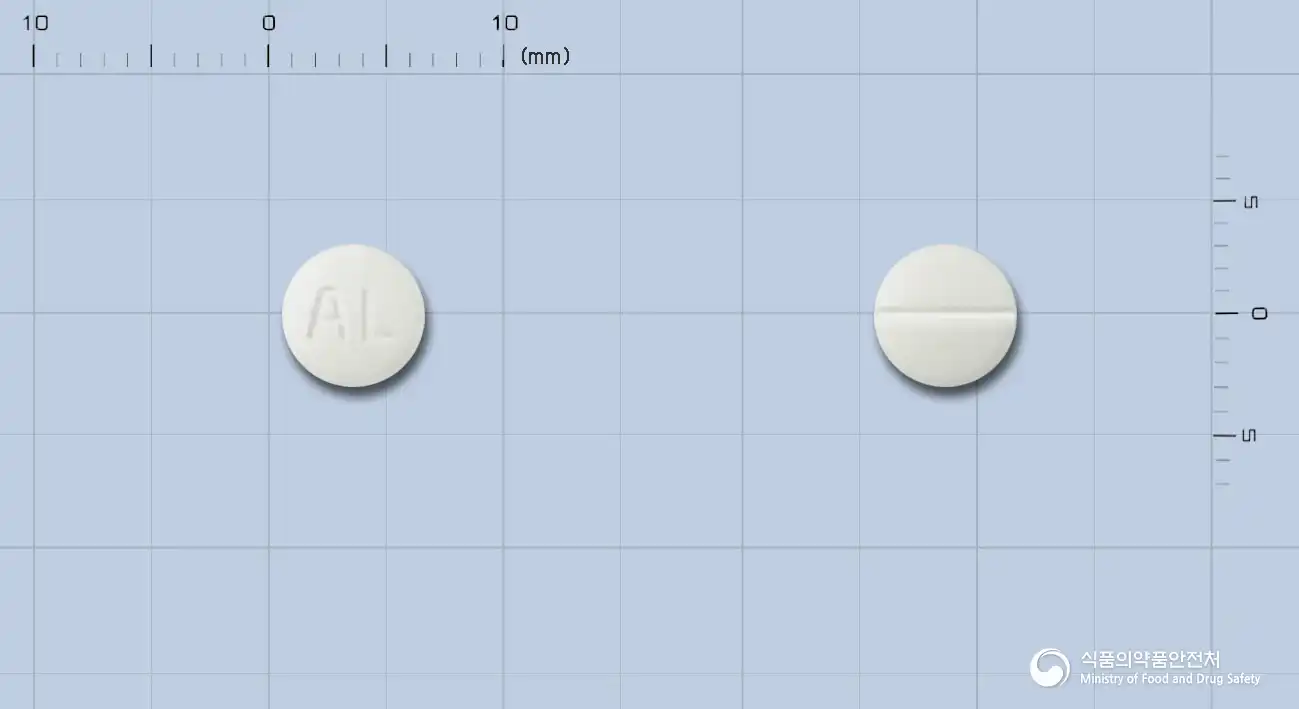
Epinastine Hydrochloride 10mg
Tablet · Prescription medication
Jeil Pharmaceutical Co., Ltd.
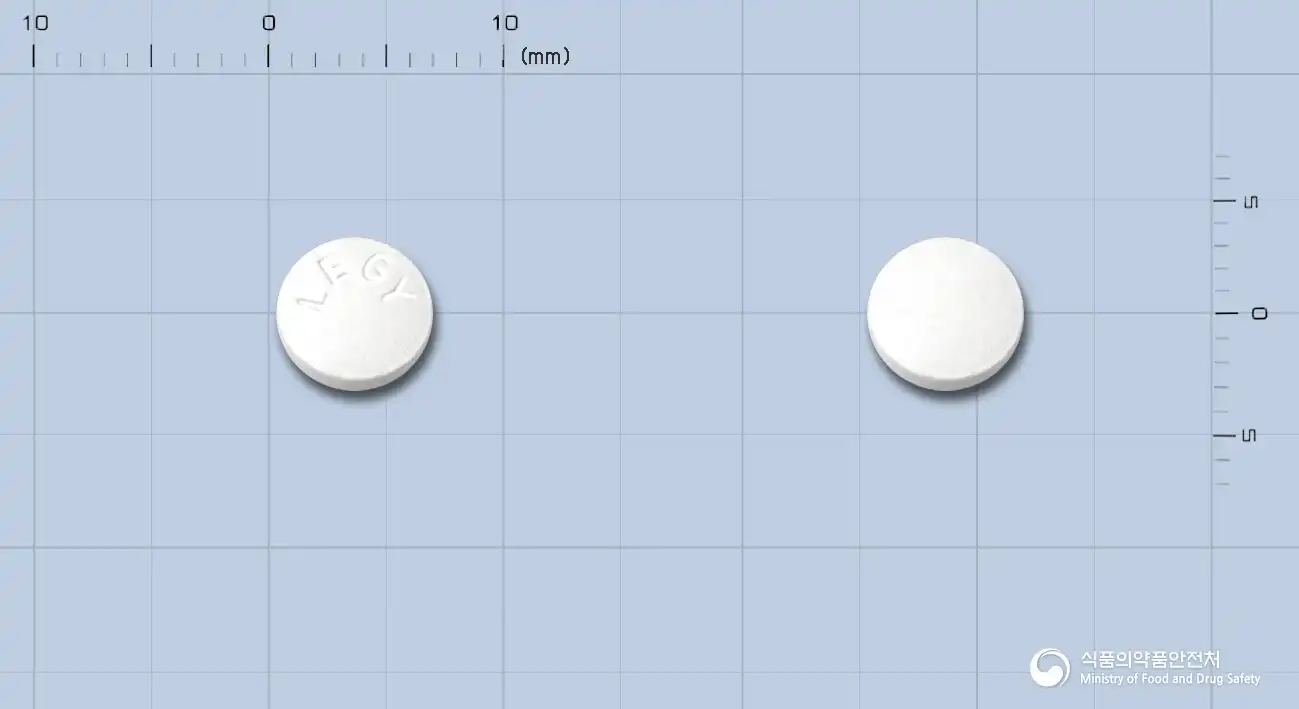
Epinastine Hydrochloride 10mg
Tablet · Prescription medication
Unimed Pharmaceutical Co., Ltd.
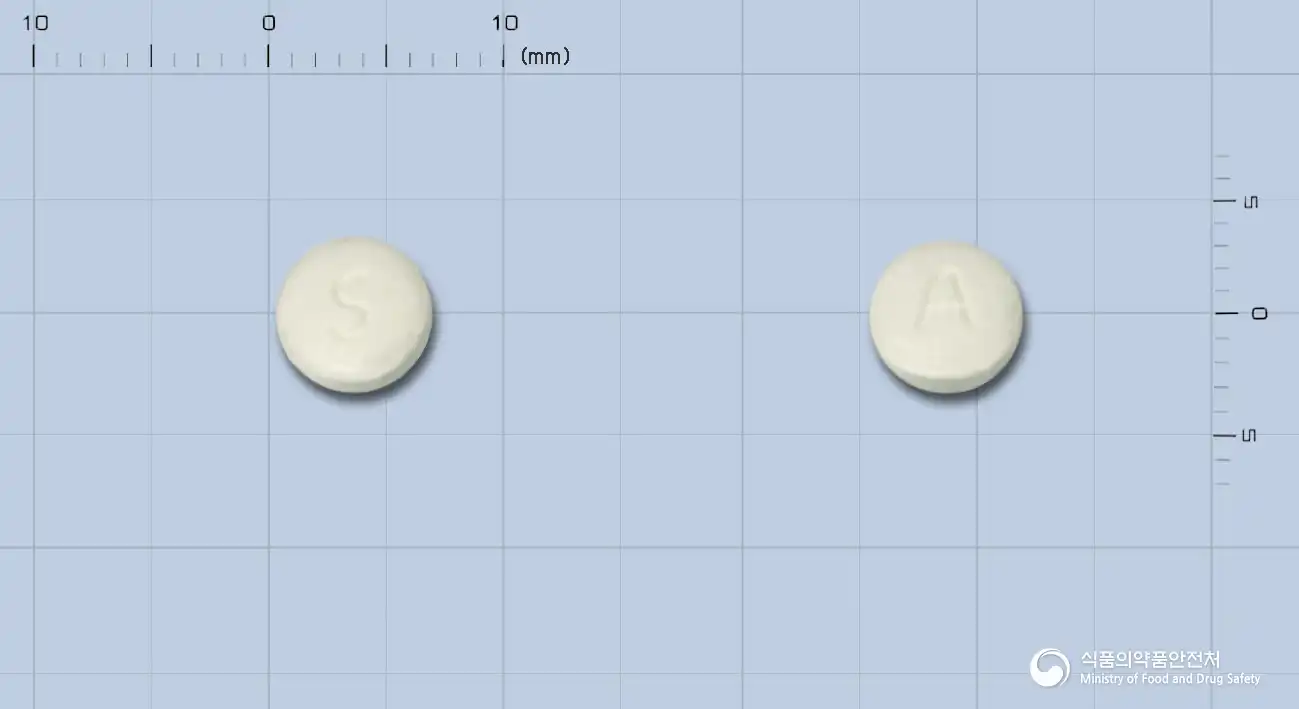
Epinastine Hydrochloride 10mg
Tablet · Prescription medication
Samchundang Pharmaceutical Co., Ltd.
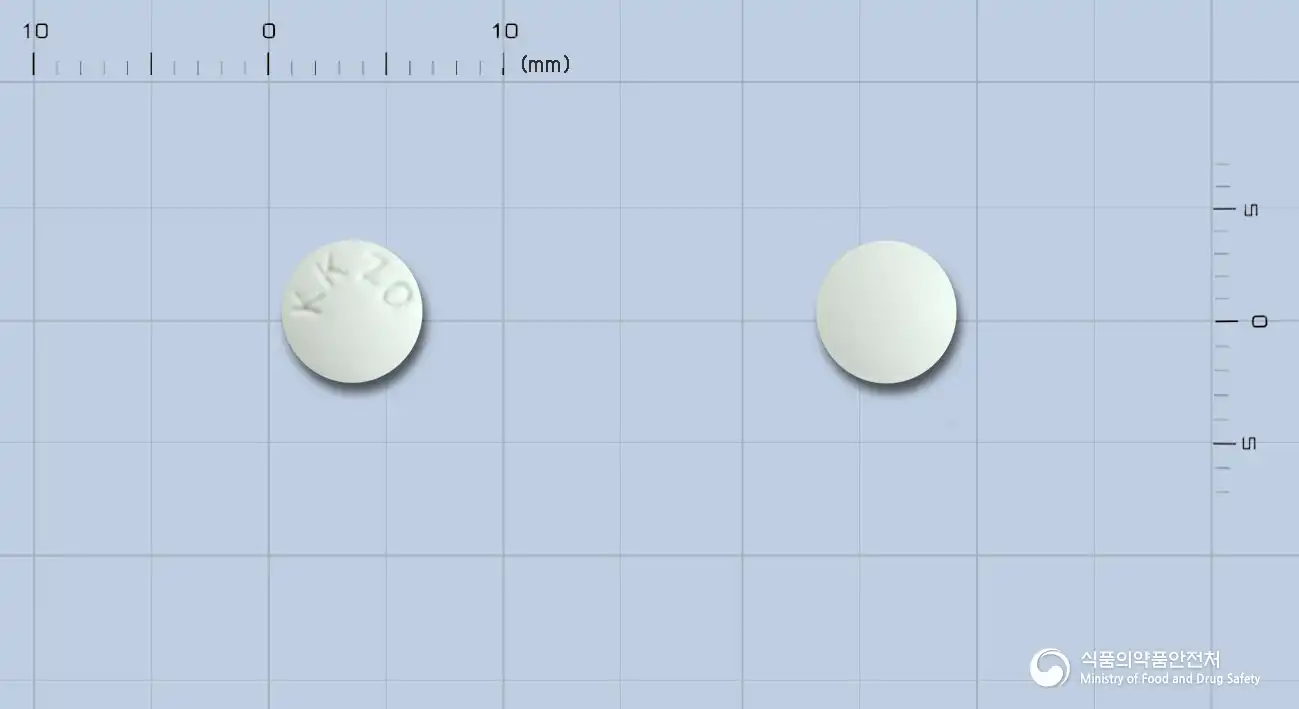
Epinastine Hydrochloride 10mg
Tablet · Prescription medication
GENEWON Science Co., Ltd.
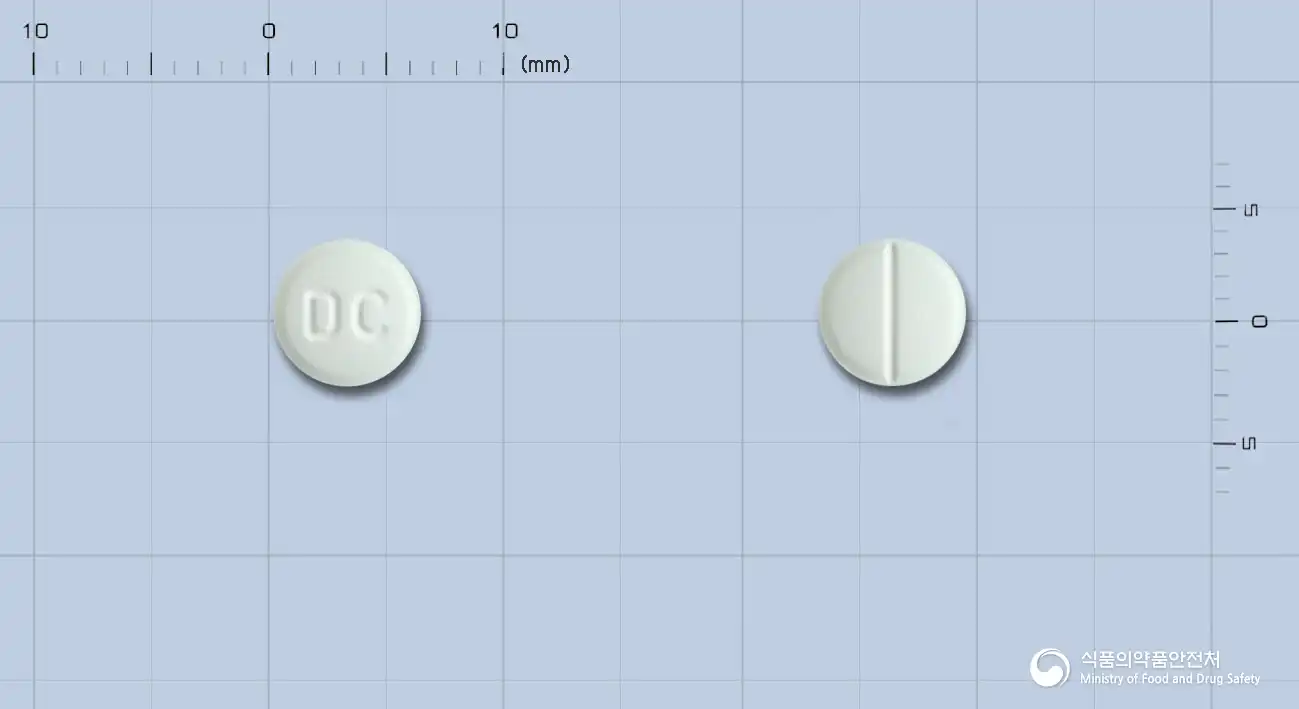
Epinastine Hydrochloride 10mg
Tablet · Prescription medication
Donggu Bio Pharmaceutical Co., Ltd.
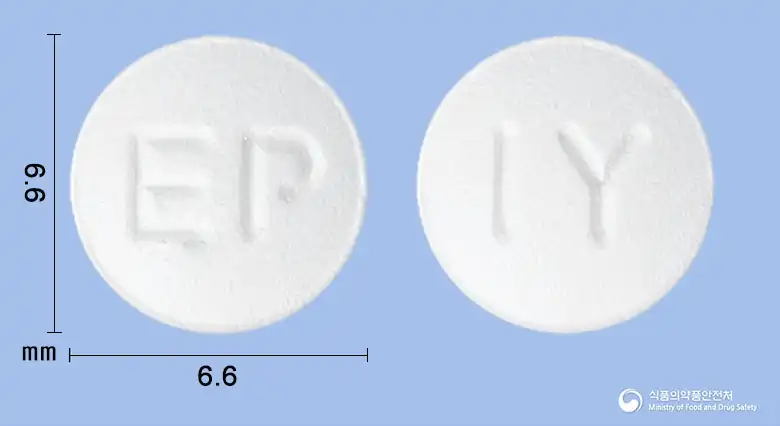
Epinastine Hydrochloride 10mg
Tablet · Prescription medication
Il Yang Pharmaceutical Co., Ltd.
Epinastine Hydrochloride 0.5mg
Eye drops · Prescription medication
AbbVie Korea Co., Ltd.
Even with the same ingredient, the dose and directions can differ by strength and dosage form. Talk to a doctor or pharmacist before switching from a medication you are already taking.
No questions yet.
For anything that needs medical judgment, consult a doctor or pharmacist.
This drug information is based on data provided by the Korea Ministry of Food and Drug Safety.
Consult a doctor or pharmacist for accurate dosage, administration, and usage instructions.