
 한국어
한국어 English
 日本語
日本語 中文(简体)
Dosage form image
Viewing nowArtpen Injection (Acetaminophen)
Acetaminophen 1g
Injections · Prescription medication
CMG Pharmaceutical Co., Ltd.
MFDS item code 202002591 · Notified 2020.04.13
Rapid relief treatment for moderate pain (post-operative) and fever.
This medication is primarily used in situations where pain or high fever requires immediate intravenous administration. It effectively alleviates moderate pain occurring after surgery for a short period and also helps treat fever effectively within a short time. It can be safely used even when other routes of administration are difficult, proving effective for symptom improvement in patients. In summary, this drug is used to quickly relieve moderate pain and fever.
Adults weighing over 50 kg: Administer 1000 mg of acetaminophen four times a day. Minimum dosing interval is 4 hours. Maximum daily dose is not to exceed 4 grams. Children over 33 kg and adults weighing under 50 kg: Administer acetaminophen at approximately 15 mg/kg per dose. Minimum dosing interval is 4 hours. Maximum daily dose is 60 mg/kg or not exceeding 4 grams. Severe renal impairment.
Children weighing over 33 kg (approximately 11 years old): Administer acetaminophen at approximately 15 mg/kg per dose. Minimum dosing interval is 4 hours. Maximum daily dose is 60 mg/kg or not exceeding 4 grams.
This medication must not be confused between milligrams and milliliters during administration. Confusion between units can lead to overdose, resulting in severe poisoning or death. Once oral medications can be taken, it is advisable to use appropriate analgesics as soon as possible. Check if other medications contain the active ingredient of this drug to avoid overdose. Exceeding the recommended dosage can cause serious liver damage, so the dosage must be strictly adhered to. Symptoms of liver damage can appear between 2 to 6 days after administration, necessitating prompt treatment. Patients with compromised liver function should consult a doctor before taking this medicine, and regular liver function tests are required if taking high doses for a prolonged period. Individuals who consume alcohol daily should consult a doctor or pharmacist before taking this medication; otherwise, they are at higher risk of liver damage. Severe rashes or allergic reactions on the skin may occur in very rare cases, so if skin rashes or other hypersensitivity reactions develop, stop taking the medication immediately and consult healthcare personnel. This medication should not be used if there is an allergy to it, or if there are peptic ulcers, severe liver, kidney, or heart disorders, or if specific medications are being taken. Patients with liver or kidney issues, the elderly, pregnant women, and breastfeeding mothers should use this drug cautiously and follow a doctor’s instructions. While taking this medication, rare side effects like hypotension, liver function abnormalities, blood cell reductions, neurological disorders, skin rashes may occur. Since this drug may interact with other medications, be sure to inform healthcare personnel of any currently taken medications, especially antibiotics or anticoagulants, when using this drug together. It does not affect driving or machinery operation, but this drug should not be mixed with other medications. Children or the elderly should take the minimum effective dose and be monitored for adverse reactions closely. It is known that the use of this medication during pregnancy is relatively safe; however, it should only be taken after assessing the benefits and risks in consultation with a doctor. During breastfeeding, a small amount may be excreted in breast milk, but there have been no reports of adverse reactions, hence it can be used. Patients with severely impaired kidney function may have delayed excretion of this medication, necessitating increased dosing intervals. In case of overdose, symptoms such as nausea, vomiting, loss of appetite, abdominal pain may occur, and in severe cases, liver damage or unconsciousness may result, necessitating immediate hospital care. This medication should not be stored at temperatures above 30 degrees Celsius, and refrigeration or freezing should be avoided, checking for foreign substances or discoloration before administration. Any unused solution should be discarded.
Fatigue, hypotension, increased liver transaminase levels, neurological disorders, injection site reactions (pain, burning sensation), thrombocytopenia, tachycardia, nausea, vomiting, erythema, flushing, itching, rash, urticaria, high anion gap metabolic acidosis, dizziness, decreased hemoglobin, urinary disorders.
Not everyone experiences these, and they can vary from person to person.
This medication should be stored at room temperature between 1 and 30 degrees Celsius, and it is important to keep it in a sealed container to prevent air or moisture from entering. Storing it this way will maintain the drug’s efficacy and safety.
A clear, light yellow transparent liquid filled in a colorless transparent plastic container for injection.
100 milliliters/box
Even with the same ingredient, strength, dosage form and how it is taken can differ.
Acetaminophen 1g
Injections · Prescription medication
CMG Pharmaceutical Co., Ltd.
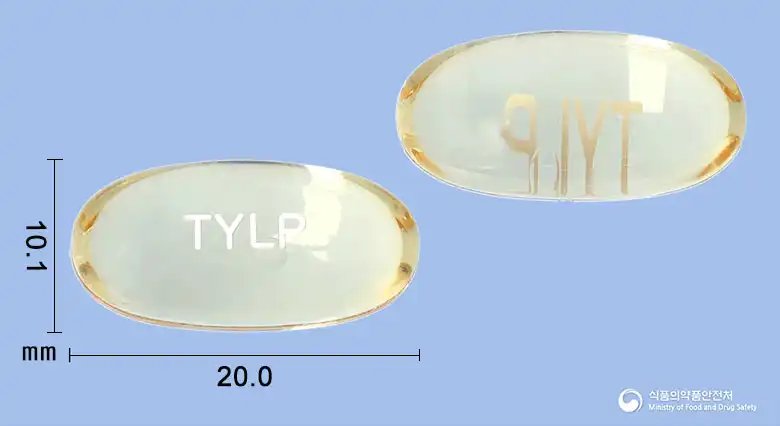
Acetaminophen 325mg
Soft capsule · OTC medication
RP Bio Co., Ltd.
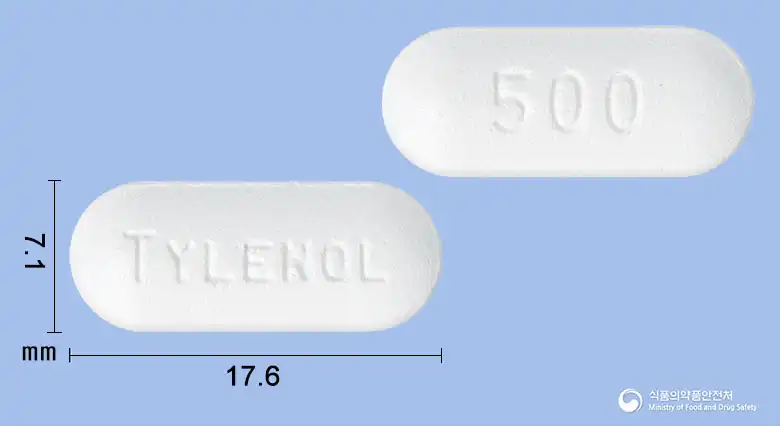
Acetaminophen 500mg
Tablet · OTC medication
Johnson & Johnson Korea, Ltd.

Acetaminophen 160mg
Tablet · OTC medication
Kolon Pharmaceutical Co., Ltd.

Acetaminophen 160mg
Tablet · OTC medication
Sama Pharmaceutical Co., Ltd.

Acetaminophen 80mg
Chewable Tablet · OTC medication
Samma Pharmaceutical Co., Ltd.
Acetaminophen 160mg
Tablet · OTC medication
Anguk Pharmaceuticals Co., Ltd.

Acetaminophen 500mg
Tablet · OTC medication
Alpha Pharmaceutical Co., Ltd.
Even with the same ingredient, the dose and directions can differ by strength and dosage form. Talk to a doctor or pharmacist before switching from a medication you are already taking.
No questions yet.
For anything that needs medical judgment, consult a doctor or pharmacist.
This drug information is based on data provided by the Korea Ministry of Food and Drug Safety.
Consult a doctor or pharmacist for accurate dosage, administration, and usage instructions.