
 한국어
한국어 English
 日本語
日本語 中文(简体)
Dosage form image
Viewing nowKyungBang Ciprofloxacin Hydrochloride Hydrate Tablets
Ciprofloxacin Hydrochloride Hydrate 291mg
Tablet · Prescription medication
KyungBang Pharmaceutical Co., Ltd.
MFDS item code 202002162 · Approved 2020.03.27
This product's status changed to Expired on 2025.03.27. It may no longer be sold, so consult a doctor or pharmacist before taking it.
Treatment of various bacterial infections such as respiratory infections and urinary tract infections
This drug is effective against various bacteria and is used to treat respiratory infections excluding acute bronchitis and community-acquired pneumonia. It is also applicable for infections of the ear, nose, and throat, bacterial prostatitis, acute simple cystitis, and acute pyelonephritis among urinary tract infections. It is utilized for the treatment of various infections including gastrointestinal infections, infections of the biliary tract, skin and soft tissue infections, wounds, bone and joint infections, and gynecological infections. Due to being a fluoroquinolone, it is used restrictively when other treatments are difficult in cases of acute bacterial rhinosinusitis, acute bacterial exacerbation of chronic bronchitis, and acute bacterial exacerbation of COPD. It is effective for the treatment of extensive bacterial infections and helps to improve infection symptoms.
For ordinary adults as ciprofloxacin, 250 to 500 mg per dose, taken orally twice a day between meals. In the case of severe complicated infections, the dose may be increased to 750 mg per dose, taken twice a day. For acute infections, treatment is generally for 5 to 10 days, and even after symptoms disappear, it should be continued for at least 3 more days. For patients with renal impairment, dosage should be adjusted based on creatinine clearance. For example, 30 to 50
This drug can cause serious side effects such as tendonitis or tendon rupture, so if these symptoms occur, use should be discontinued immediately. In particular, it should not be administered to patients with myasthenia gravis as symptoms may worsen. Use is not recommended for pregnant women, women who may become pregnant, nursing mothers, and children under 18 years of age. This drug may affect the nervous system, leading to symptoms such as dizziness, confusion, and convulsions. If these symptoms occur, medical consultation should be sought immediately. Additionally, strong sunlight or UV exposure should be avoided while taking this drug, and use should be discontinued if photosensitivity reactions are suspected. Diabetic patients should monitor blood sugar closely as changes may occur. This drug has many interactions with other medications, so caution is necessary when used in combination, especially with certain anticoagulants, anticonvulsants, and some anti-inflammatory drugs. Elderly patients are at higher risk for adverse reactions due to decreased kidney function; therefore, dose adjustments and caution are necessary. Overdosage may result in kidney damage, so prescribed dosages must be strictly adhered to. Store in a place out of reach of children and keep away from direct sunlight and UV light.
Severe allergic reactions (hives, allergic swelling/angioedema, anaphylactic reactions, anaphylactoid reactions, shock) Severe skin reactions (rash, severe rash with fever, blistering, skin peeling, mouth/eye mucosal pain, Stevens-Johnson syndrome, toxic epidermal necrolysis, acute generalized exanthematous pustulosis) Respiratory problems (difficulty breathing, laryngeal edema, including asthma symptoms) Liver abnormalities (jaundice) (yellowing of skin or eyes)
Not everyone experiences these, and they can vary from person to person.
This drug should be stored in a sealed container to prevent air exposure and is safest when stored at room temperature between 1 and 30 degrees Celsius. Proper temperature and sealed conditions can maintain the drug's efficacy and prevent deterioration.
White round film-coated tablet
30 tablets/bottle, 100 tablets/bottle
Even with the same ingredient, strength, dosage form and how it is taken can differ.
Ciprofloxacin Hydrochloride Hydrate 291mg
Tablet · Prescription medication
KyungBang Pharmaceutical Co., Ltd.
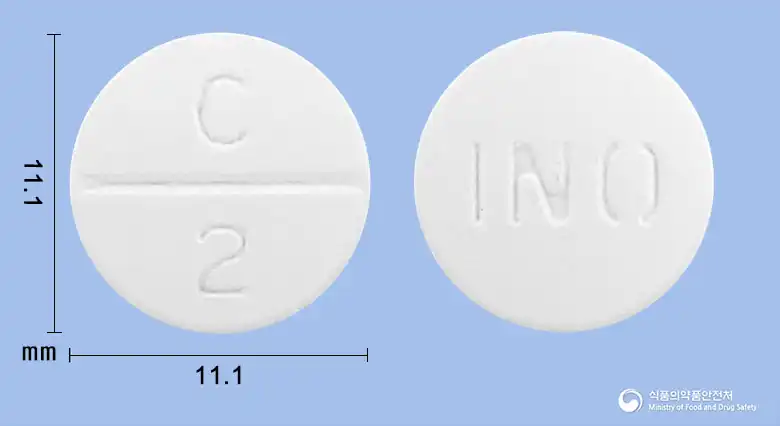
Ciprofloxacin Hydrochloride 291.5mg
Tablet · Prescription medication
HK inno.N Co., Ltd.
Ciprofloxacin Hydrochloride
Prescription medication
Dongkwang Pharmaceutical Co., Ltd.
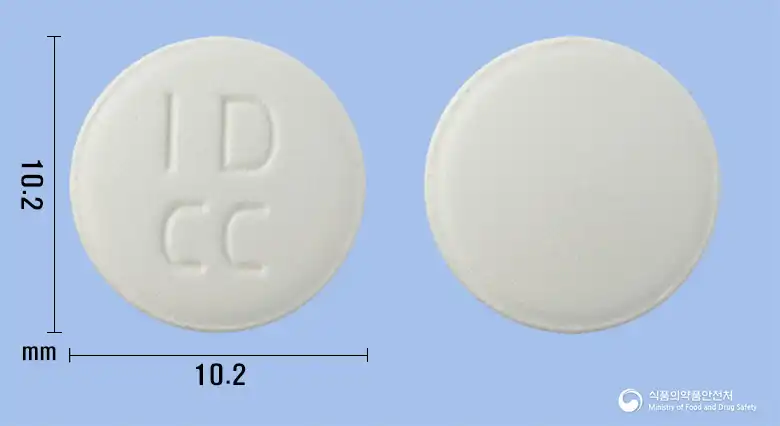
Ciprofloxacin Hydrochloride 291mg
Tablet · Prescription medication
Il Dong Pharmaceutical Co., Ltd.

Ciprofloxacin Hydrochloride 582mg
Tablet · Prescription medication
Il Dong Pharmaceutical Co., Ltd.
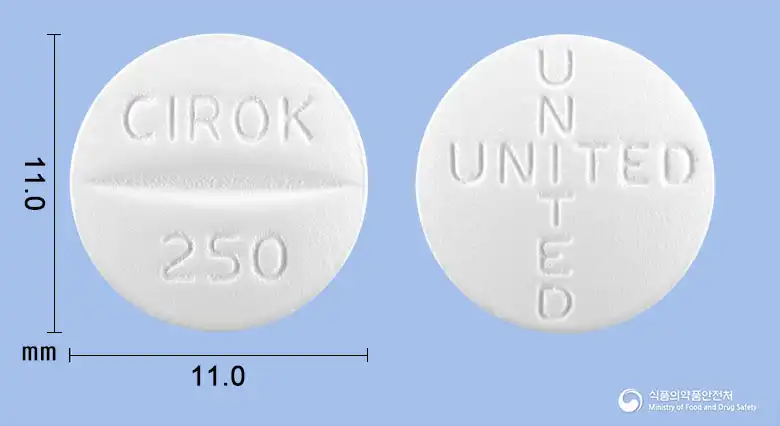
Ciprofloxacin Hydrochloride Hydrate 291mg
Tablet · Prescription medication
Korea United Pharm, Inc.
Ciprofloxacin Hydrochloride Hydrate 291mg
Tablet · Prescription medication
SK Chemicals Co., Ltd.

Ciprofloxacin Hydrochloride Hydrate 291mg
Tablet · Prescription medication
Donghwa Pharmaceutical Co., Ltd.
Even with the same ingredient, the dose and directions can differ by strength and dosage form. Talk to a doctor or pharmacist before switching from a medication you are already taking.
No questions yet.
For anything that needs medical judgment, consult a doctor or pharmacist.
This drug information is based on data provided by the Korea Ministry of Food and Drug Safety.
Consult a doctor or pharmacist for accurate dosage, administration, and usage instructions.