This product's status changed to Expired on 2025.03.27. It may no longer be sold, so consult a doctor or pharmacist before taking it.
Summary
Main use
Treatment of bacterial infections such as respiratory and urogenital infections
Who takes it
Adults · Children
Adult dose
For adults and children aged 12 years or older or weighing 40 kg or more, administer 250 mg/125 mg of amoxicillin/clavulanate potassium orally three times daily every 8 hours. For severe and respiratory infections, the dose may be increased to 500 mg/125 mg. For patients with renal impairment, the dose should be adjusted according to creatinine clearance, where 10-30 mL/min requires 250-500 mg every 12 hours.
Child dose
For children aged 12 years or older or weighing 40 kg or more, administer 250 mg/125 mg of amoxicillin/clavulanate potassium orally three times daily every 8 hours.
Treatment of bacterial infections such as respiratory and urogenital infections
Acute and chronic bronchitis
lobar pneumonia
bronchopneumonia
empyema
lung abscess
tonsillitis
sinusitis
otitis media
cystitis
urethritis
pyelonephritis
pelvic infections
View approved original textHide original text
This medication is effective against various bacterial infections. It is used to treat respiratory infections such as acute and chronic bronchitis, lobar and bronchial pneumonia, tonsillitis, sinusitis, and otitis media. It also helps in the treatment of urinary infections such as cystitis, urethritis, and pyelonephritis, as well as pelvic inflammatory disease and sexually transmitted infections like gonorrhea. It is also effective against boils, abscesses, wound infections, osteomyelitis, and dental infections. This medication is widely used due to its experience in improving bacterial infections against various strains.
How to take
Adult dose
For adults and children aged 12 years or older or weighing 40 kg or more, administer 250 mg/125 mg of amoxicillin/clavulanate potassium orally three times daily every 8 hours. For severe and respiratory infections, the dose may be increased to 500 mg/125 mg. For patients with renal impairment, the dose should be adjusted according to creatinine clearance, where 10-30 mL/min requires 250-500 mg every 12 hours.
Child dose
For children aged 12 years or older or weighing 40 kg or more, administer 250 mg/125 mg of amoxicillin/clavulanate potassium orally three times daily every 8 hours.
Precautions
This medication is a beta-lactam antibiotic and should not be administered to patients with hypersensitivity to penicillins or cephalosporins. Patients with viral infections such as infectious mononucleosis or lymphocytic leukemia are at higher risk for rashes and should be cautious. Patients with liver dysfunction or a history of jaundice may experience a recurrence of symptoms upon taking this medication and should use it with caution. Patients with severe renal impairment may have increased drug concentration, so dosing intervals should be adjusted. Patients with allergic tendencies or family history may experience allergic reactions to the medication more easily. Patients who have difficulty with oral intake, are receiving parenteral nutrition, elderly patients, or those in poor general condition may experience an increased risk of bleeding due to vitamin K deficiency. Patients with gastrointestinal diseases accompanied by vomiting or diarrhea may not adequately absorb the medication. This medication may cause gastrointestinal adverse reactions such as diarrhea, vomiting, abdominal pain, and in severe cases, pseudomembranous colitis may occur, necessitating immediate discontinuation if symptoms arise. Rare liver-related side effects such as abnormal liver function tests, hepatitis, and jaundice may occur, particularly more frequently in the elderly and males. Severe skin reactions such as rashes, urticaria, and in severe cases, Stevens-Johnson syndrome or toxic epidermal necrolysis may occur; if a rash develops, the medication should be discontinued immediately. Blood system abnormalities such as temporary leukopenia or thrombocytopenia may occur, so caution is required in the presence of bleeding tendencies. Central nervous system side effects may rarely include agitation, anxiety, confusion, or seizures, so immediate consultation with a healthcare professional is necessary if abnormal symptoms arise. There may be cases of sudden deterioration of kidney function, necessitating regular renal function monitoring. Fungal infections such as candidiasis may occur due to antibiotic use, requiring appropriate measures if symptoms arise. Prolonged use may result in antibiotic resistance and vitamin deficiency symptoms; therefore, careful observation is needed for use exceeding 14 days. This medication may interact with other drugs, so it is essential to follow medical guidance, especially regarding anticoagulants, anti-inflammatory drugs, and other antibiotics. Women who are pregnant or may become pregnant should avoid use during the first three months, and nursing mothers should discontinue use if side effects occur that may impact the infant. It is not recommended for children under 12 years or those weighing less than 40 kg. Elderly individuals may have a higher risk of side effects due to decreased physiological functions, so dosage and intervals should be adjusted with caution. This medication can affect certain clinical test results, including glucose tests, so caution should be exercised during testing. In case of overdose, symptoms such as vomiting, diarrhea, seizures, and allergic reactions may occur, necessitating immediate cessation of use and appropriate treatment. Store in a specially sealed container to prevent moisture ingress, and it is important to take the medication exactly as prescribed by a doctor.
Side effects and when to seek care immediately
Serious side effects
Urticaria, severe swelling (edema), chest tightness, difficulty breathing, cold sweat, pallor, rash, blisters, skin peeling, oral/ocular mucosal pain, shortness of breath or difficulty breathing, asthma attacks, respiratory abnormalities accompanied by cough and fever, yellowing of the skin or eyes (jaundice), severe lethargy, sudden and severe headaches, lightning headaches, seizures, confusion of consciousness, visual disturbances, paralysis, significantly decreased urine output
Not everyone experiences these, and they can vary from person to person.
Storage
This medication is contained in a specially sealed container to prevent moisture. Therefore, it is important to store it in a dry environment free of moisture. The storage temperature should be maintained below 25 degrees Celsius to preserve the effectiveness of the medication.
Appearance and packaging
Appearance
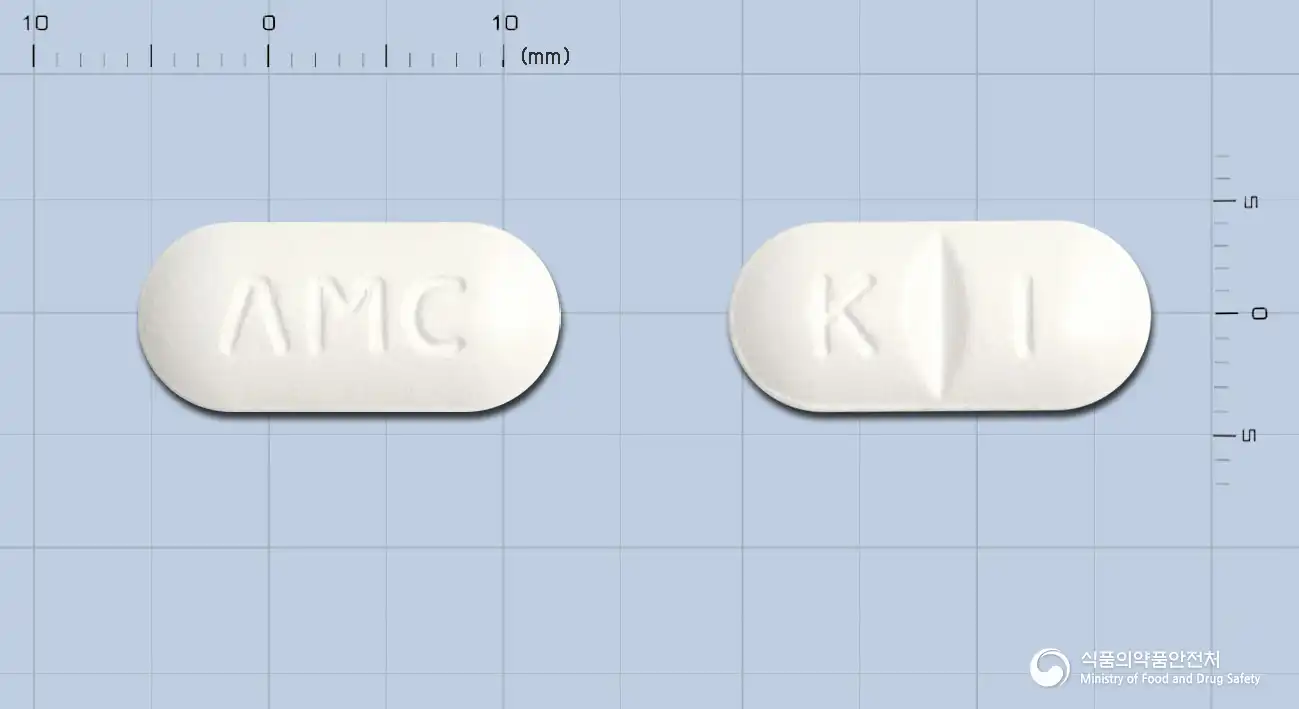
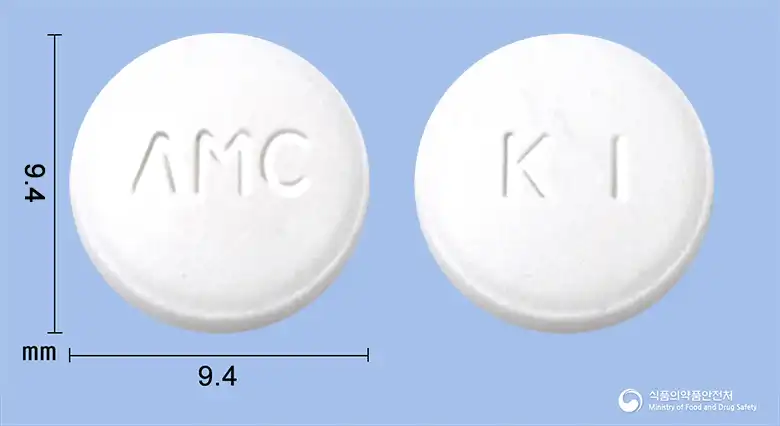
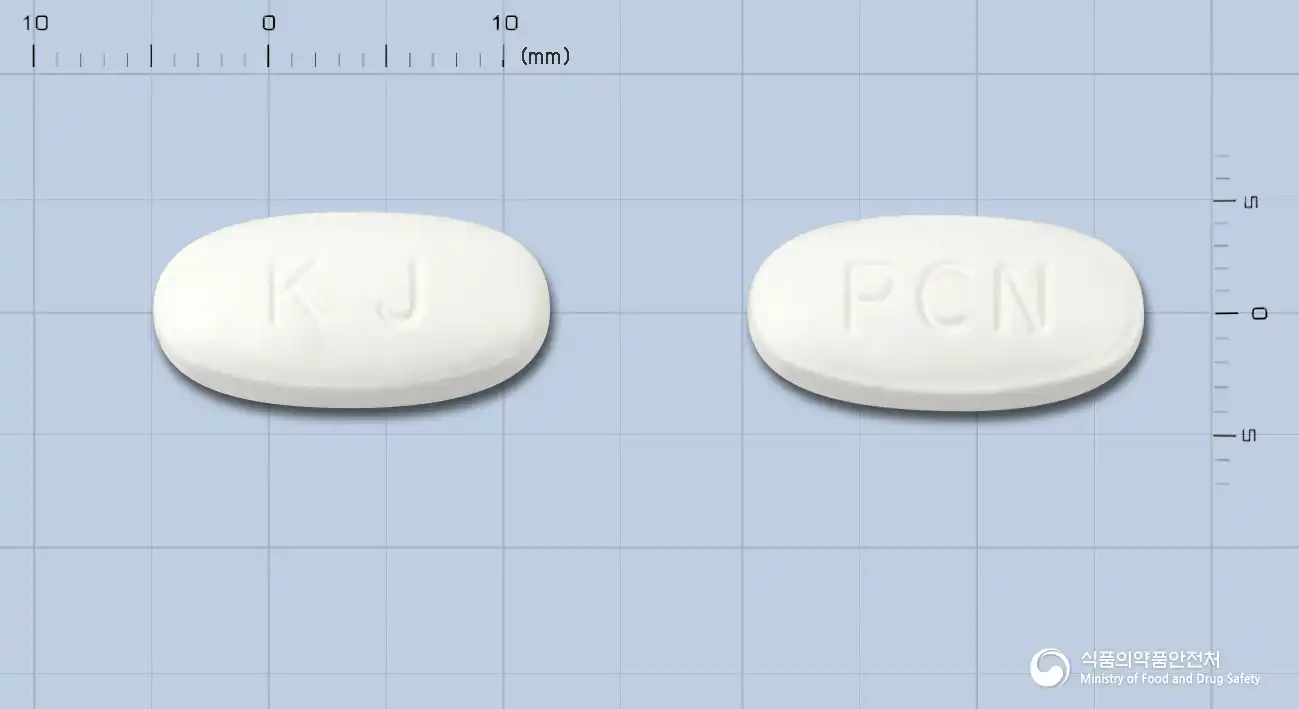
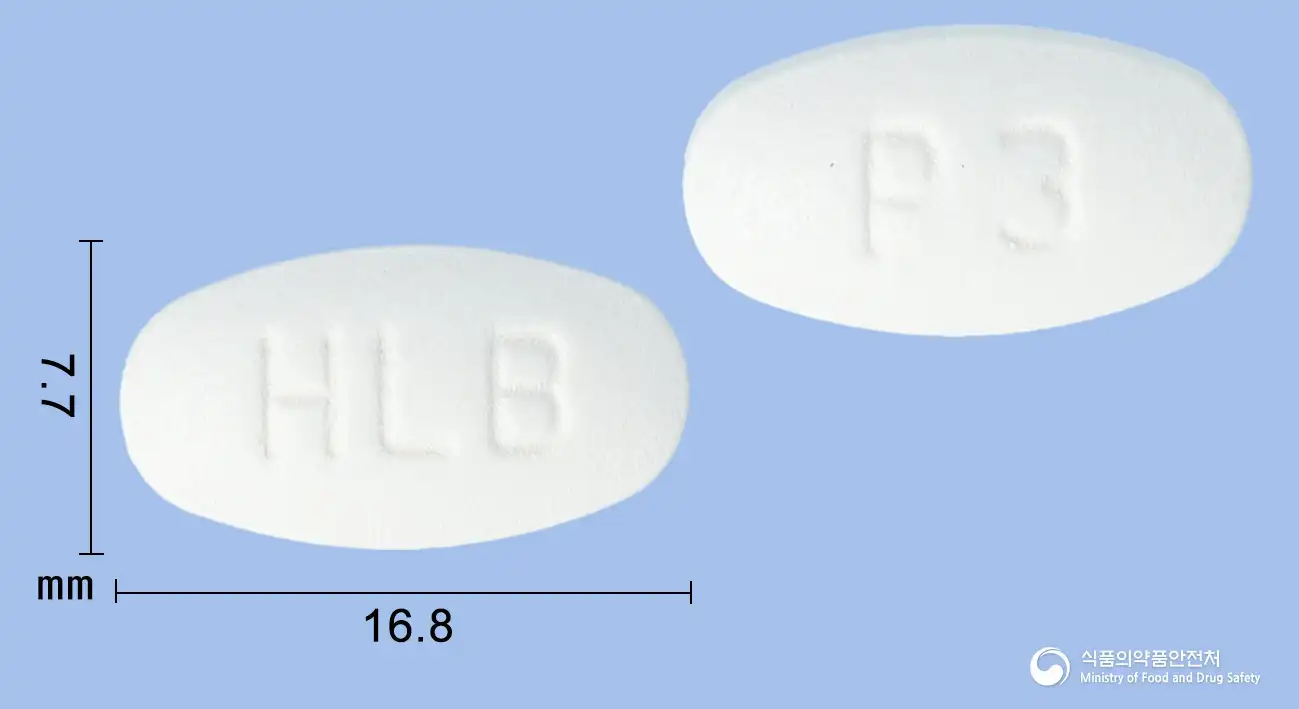
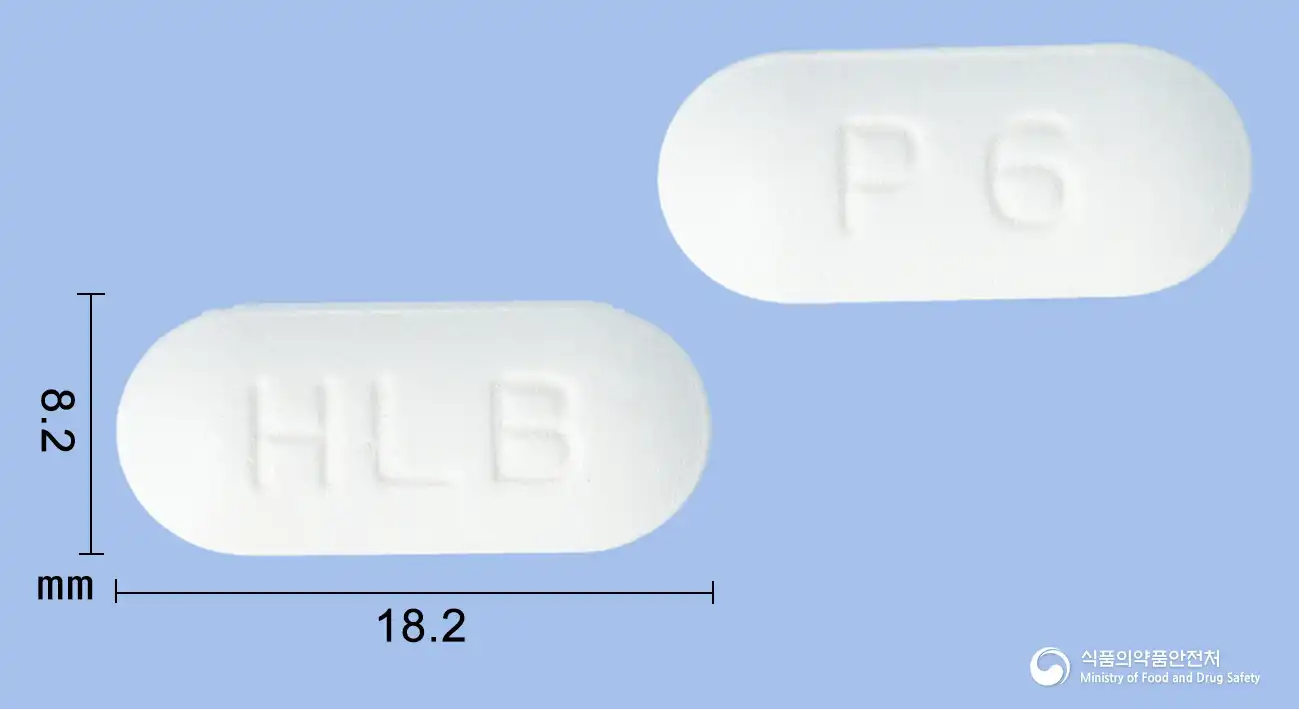
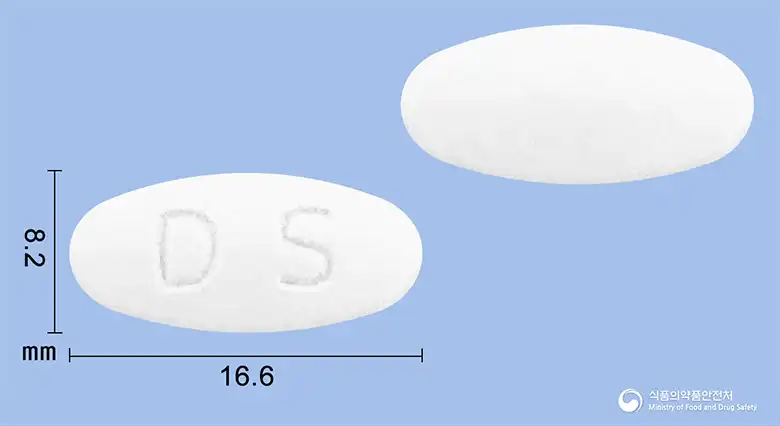
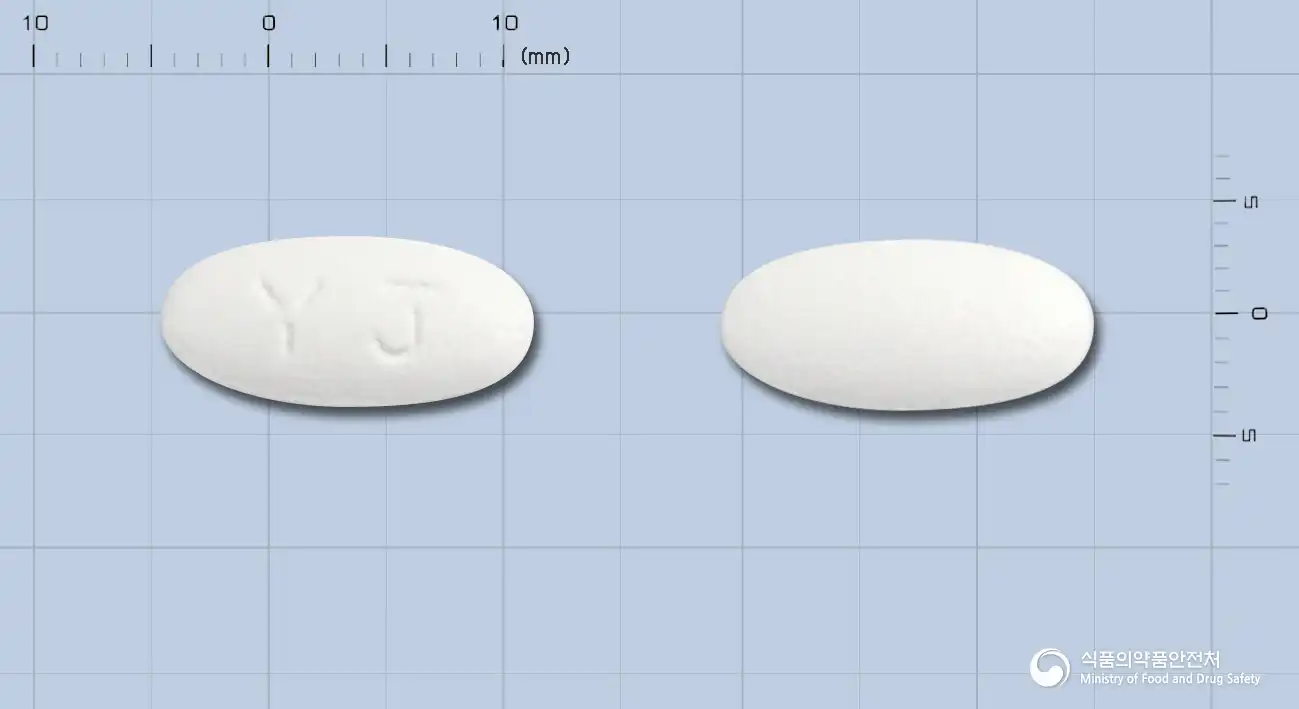
This medication is a white or nearly white oval film-coated tablet.
Even with the same ingredient, the dose and directions can differ by strength and dosage form. Talk to a doctor or pharmacist before switching from a medication you are already taking.
Questions about this medicine
No questions yet.
For anything that needs medical judgment, consult a doctor or pharmacist.
This drug information is based on data provided by the Korea Ministry of Food and Drug Safety. Consult a doctor or pharmacist for accurate dosage, administration, and usage instructions.

 한국어
한국어 English
 日本語
日本語 中文(简体)