
 한국어
한국어 English
 日本語
日本語 中文(简体)
Dosage form image
Viewing nowMegavalartan Tablet 160 mg (Valsartan)
Valsartan 160mg
Tablet · Prescription medication
L&C Bio Co., Ltd.
MFDS item code 202002082 · Approved 2020.03.25
This product's status changed to Approval withdrawn on 2024.09.04. It may no longer be sold, so consult a doctor or pharmacist before taking it.
Improvement of essential hypertension and heart failure, reduction of mortality risk after myocardial infarction.
This drug is used for essential hypertension, heart failure, and reduction of mortality risk after myocardial infarction. It is particularly effective in steadily controlling blood pressure in patients with essential hypertension and is helpful in cases where ACE inhibitors cannot be used in heart failure patients. Additionally, it helps reduce the mortality risk in stable patients post-myocardial infarction with left ventricular dysfunction. This drug is used to improve these conditions.
1. Essential Hypertension Adults: It is recommended to administer 80 mg orally once daily as valsartan. If blood pressure is not well controlled, the dosage can be increased to 160 mg once daily or up to a maximum of 320 mg. Elderly patients (age 75 and above): Start with 40 mg once daily. Patients with renal impairment or those with a deficiency of volume in the bloodstream should also start with 40 mg once daily, adjusted according to their condition. Liver impairment patients
Children: Safety and efficacy have not been established in children and adolescents under 18 years of age.
This drug can cause severe harm to the fetus, especially during the second and third trimesters of pregnancy, so it must be discontinued immediately if pregnancy is confirmed. Women who are pregnant, may become pregnant, or are nursing should not take this drug. It is also unsafe for patients with severe liver dysfunction, liver cirrhosis, or bile duct obstruction. Patients with hereditary angioedema or a history of angioedema should not take this drug. Patients with very poor kidney function, primary hyperaldosteronism, or diabetes patients with moderate to high decline in kidney function should not take this drug. Elderly patients, or those with elevated potassium or slightly reduced liver function, should be cautious while taking this drug and may require dosage adjustments. Patients with heart valve disease or hypertrophic cardiomyopathy, and patients with ischemic heart disease or cerebrovascular disease are also at risk of dangerously low blood pressure while taking this drug. When starting this medication, blood pressure may drop suddenly, so those on diuretics or who are dehydrated should start at a low dose and gradually increase it. Patients with renal artery stenosis may experience worsening kidney function while taking this medication, thus requiring special monitoring. Patients post-heart failure or myocardial infarction should regularly verify changes in kidney function, and concurrent use with beta-blockers or ACE inhibitors is not recommended. This drug may rarely cause side effects such as headache, dizziness, cough, diarrhea, and fatigue, and in rare instances, severe allergic reactions or angioedema, along with kidney function impairment. Blood tests may show decreased red blood cell counts or elevated liver function levels, so assessments are advisable when needed. This drug may interact with other antihypertensive medications or various drugs, so be sure to inform healthcare professionals of any medications currently being taken. Especially, taking potassium-sparing diuretics or potassium supplements together with this drug can dangerously elevate blood potassium levels. Women who are pregnant or nursing should not take this drug, and nursing should ideally be discontinued. Safety and efficacy have not been established for children under 18 years of age. Elderly individuals should be cautious for the risk of stroke due to blood pressure lowering and should start at a low dose while being monitored closely. In case of overdose, severe hypotension and decreased consciousness may occur, requiring immediate emergency treatment. This drug should be kept out of reach of children and not transferred to other containers.
Urticaria, severe swelling (angioedema), chest discomfort, difficulty breathing, cold sweat, pallor, severe rash with high fever, blisters, peeling skin, mucosal pain in the mouth/eyes, shortness of breath or difficulty breathing, asthma attack, abnormal respiration accompanied by cough and fever, yellowing of the skin or eyes (jaundice), extreme malaise, sudden and severe headache, thunderclap headache, seizures, confusion, visual disturbances, paralysis,
Not everyone experiences these, and they can vary from person to person.
This drug should be stored in a sealed container to avoid exposure to air or moisture and kept in a cool place below 30 degrees Celsius. This will help to maintain the drug's effectiveness for a longer period.
Oval film-coated tablet with an orange color tinged with gray
30 tablets/bottle, 100 tablets/bottle
Even with the same ingredient, strength, dosage form and how it is taken can differ.
Valsartan 160mg
Tablet · Prescription medication
L&C Bio Co., Ltd.
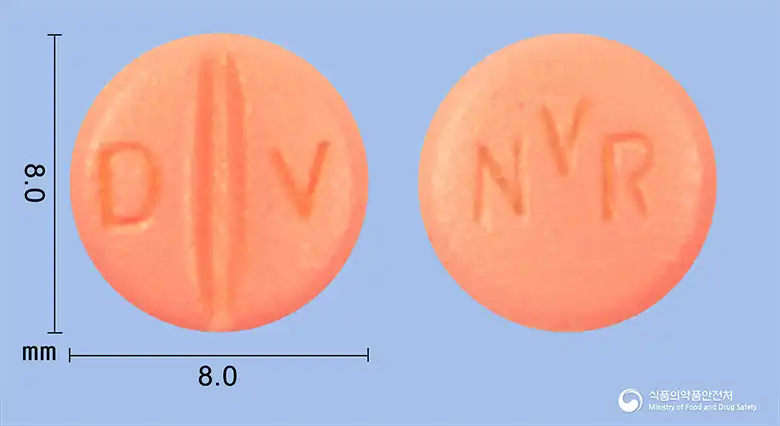
Valsartan 80mg
Tablet · Prescription medication
Novartis Korea Co., Ltd.
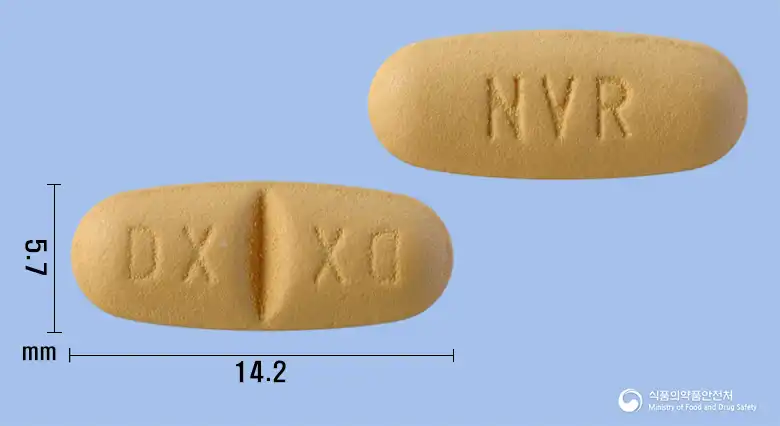
Valsartan 160mg
Tablet · Prescription medication
Novartis Korea Co., Ltd.
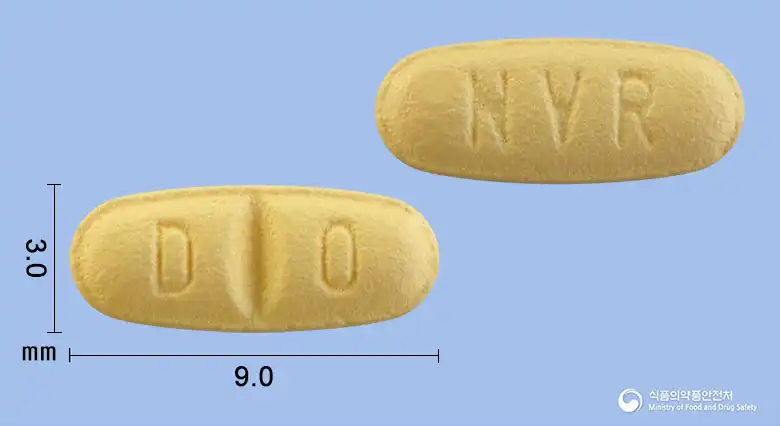
Valsartan 40mg
Tablet · Prescription medication
Samsung Novartis Co., Ltd.
Valsartan
Prescription medication
Korea Sandos Co., Ltd.
Valsartan
Prescription medication
Korea Sandos Co., Ltd.
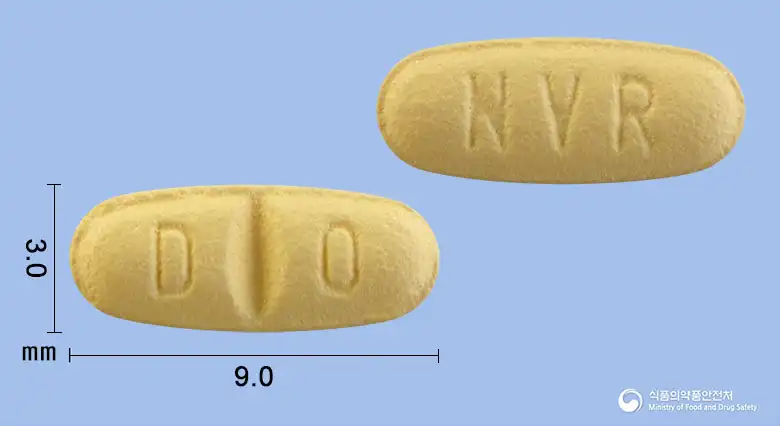
Valsartan
Prescription medication
Korea Sandos Co., Ltd.
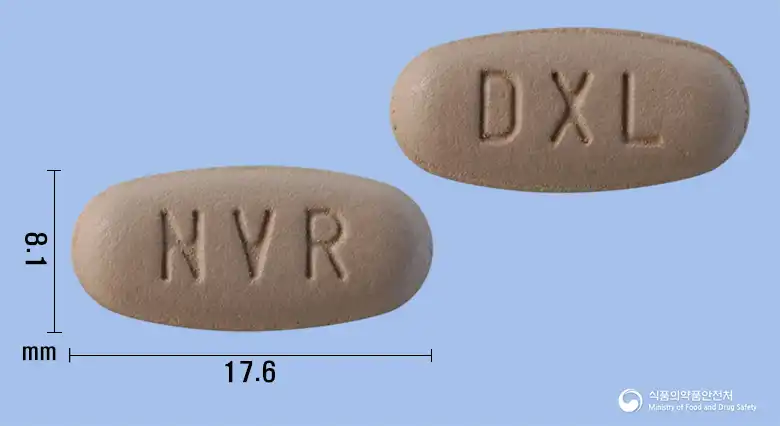
Valsartan 320mg
Tablet · Prescription medication
Novartis Korea Co., Ltd.
Even with the same ingredient, the dose and directions can differ by strength and dosage form. Talk to a doctor or pharmacist before switching from a medication you are already taking.
No questions yet.
For anything that needs medical judgment, consult a doctor or pharmacist.
This drug information is based on data provided by the Korea Ministry of Food and Drug Safety.
Consult a doctor or pharmacist for accurate dosage, administration, and usage instructions.