
 한국어
한국어 English
 日本語
日本語 中文(简体)
 Viewing nowCombination
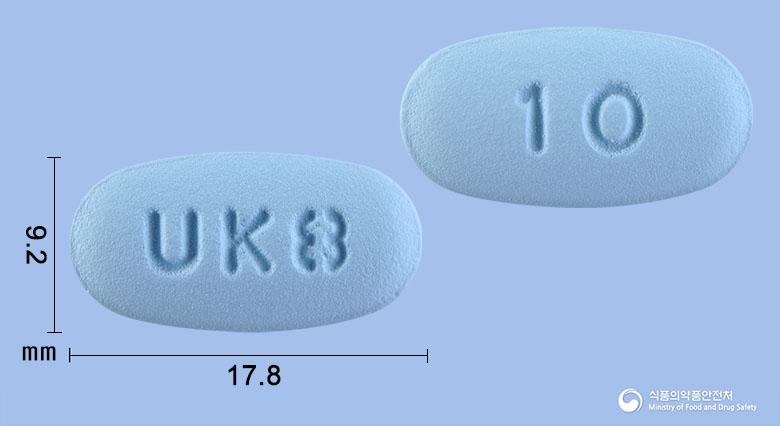
Telowjeong 80/10 milligrams
Telmisartan 80mg · Rosuvastatin Calcium 10.4mg
Tablet · Prescription medication · Combination
Korea Union Pharm Co., Ltd.
MFDS item code 202001851 · Approved 2020.03.17
(Treatment of hypertension, hyperlipidemia) and reduction of cardiovascular disease risk
This medication is used for patients who require co-administration of the two drugs Telmisartan and Rosuvastatin. Telmisartan is effective in reducing the risk of myocardial infarction, stroke, and mortality in patients with essential hypertension and those at high risk for cardiovascular disease. Rosuvastatin is used as an adjunct to diet in patients with hypercholesterolemia and dyslipidemia, lowering total cholesterol and LDL cholesterol levels, thus delaying the progression of atherosclerosis. Additionally, it helps reduce the risk of stroke, myocardial infarction, and arterial revascularization in high-risk groups with chronic cardiovascular disease. By using these two drugs together, it effectively manages hypertension and hyperlipidemia, reducing the risk of cardiovascular diseases.
Telmisartan: For adult essential hypertension, it is recommended to take 40mg orally once daily; in some patients, 20mg once daily may be effective, and if necessary, it can be increased to a maximum of 80mg once daily. For the purpose of reducing cardiovascular disease risk, it is recommended to take 80mg orally once daily. Caution should be exercised to not exceed 40mg once daily in patients with liver dysfunction. Rosuvastatin Calcium: For the treatment of primary hypercholesterolemia, among other uses, take 5mg once daily as the initial dose, and if further LDL cholesterol reduction is needed, the maintenance dose can be adjusted. The maintenance dose is typically 10mg once daily for most patients with adjustments made based on LDL cholesterol levels, treatment goals, and patient response, with a maximum increase to 20mg once daily if needed.
This medication can cause serious harm, especially to the fetus and newborn during pregnancy, so it should be discontinued immediately upon confirmation of pregnancy. This medicine should not be taken by individuals who are allergic to this medication or its components, by women who are pregnant or may become pregnant, or by nursing mothers. Patients with severely impaired liver function or problems with bile secretion should avoid using this medication. Patients with muscle disorders or those who have previously experienced muscle-related side effects should also avoid taking this medication. Patients with significantly reduced kidney function or those taking certain immunosuppressants should not use this medication. This medication contains lactose; thus, patients with lactose intolerance or related genetic disorders should avoid it. Elderly patients, those with high potassium levels, and patients with mildly impaired liver function should be cautious when taking this medication. This medication can cause myalgia, myopathy, and rarely severe muscle destruction known as rhabdomyolysis; therefore, if any abnormal muscle symptoms occur, immediate consultation with a physician is needed. Regular liver function and muscle enzyme tests should be conducted; if abnormalities are found, discontinuation may be warranted. This medication may interact with other antihypertensive medications or lipid-lowering agents, so it is essential to inform the doctor of any other medications being taken. Care should be taken while driving or operating machinery, as dizziness or drowsiness may occur.
Not everyone experiences these, and they can vary from person to person.
This medication may be sensitive to air or moisture, so it must be stored in a tightly sealed container. It is recommended to maintain a storage temperature between 1 and 30 degrees Celsius at room temperature. Proper storage will help maintain the efficacy of the medication for a longer period.
Bright blue oval film-coated tablet
30 tablets/box[(10 tablets/PTP*3)]
Even with the same ingredient, strength, dosage form and how it is taken can differ.
Viewing nowCombinationTelmisartan 80mg · Rosuvastatin Calcium 10.4mg
Tablet · Prescription medication · Combination
Korea Union Pharm Co., Ltd.
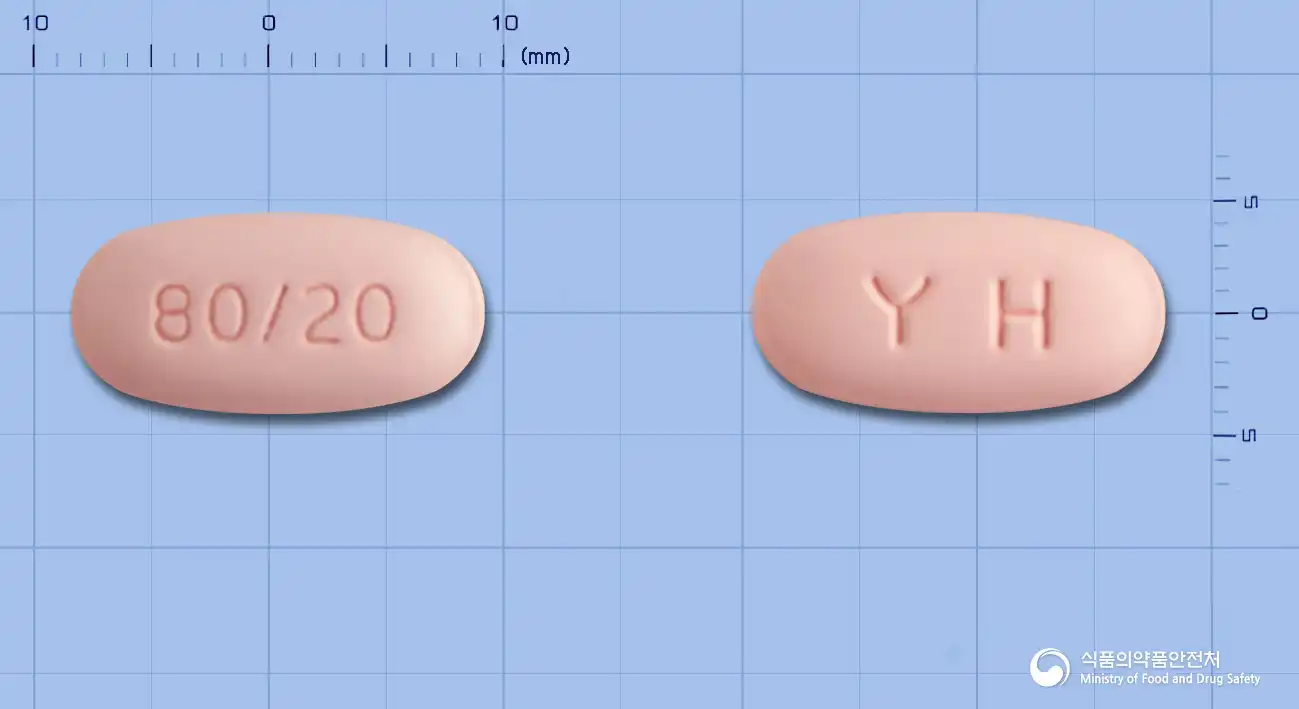 Combination
Telmisartan 80mg · Rosuvastatin Calcium 20.8mg
Tablet · Prescription medication · Combination
Yuhan Corporation.
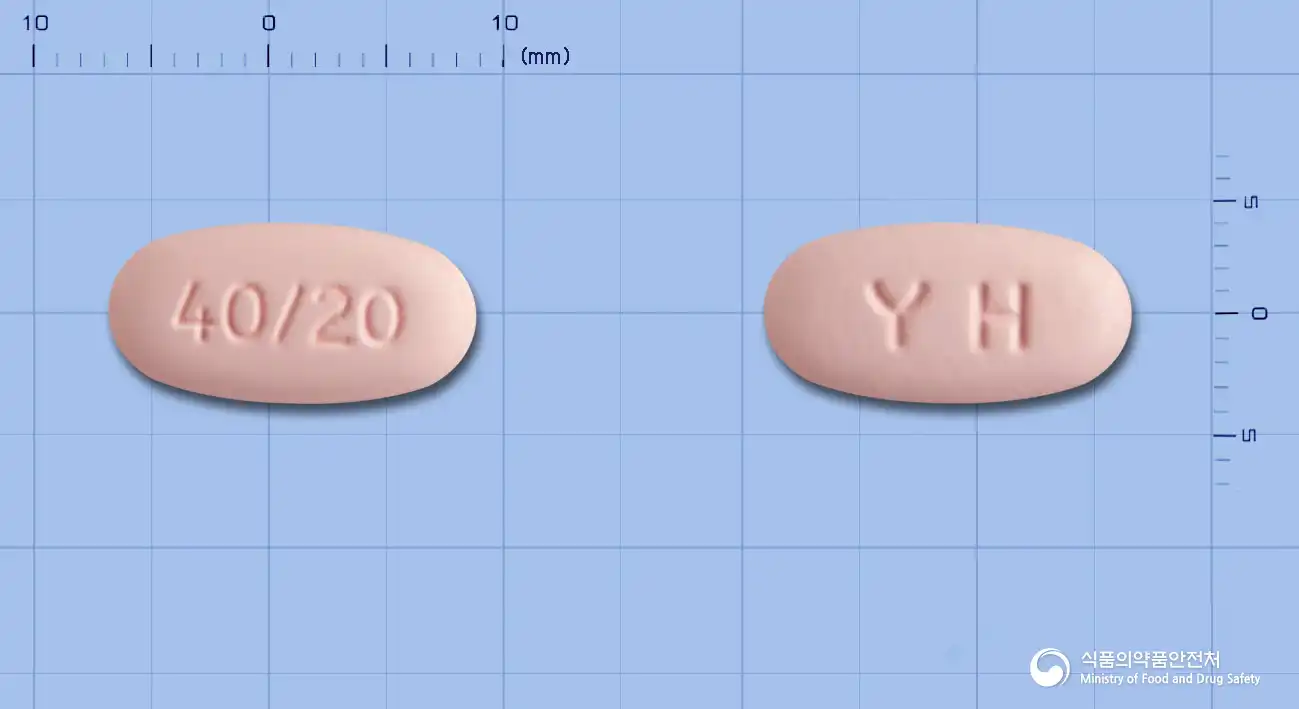 Combination
Telmisartan 40mg · Rosuvastatin Calcium 20.8mg
Tablet · Prescription medication · Combination
Yuhan Corporation
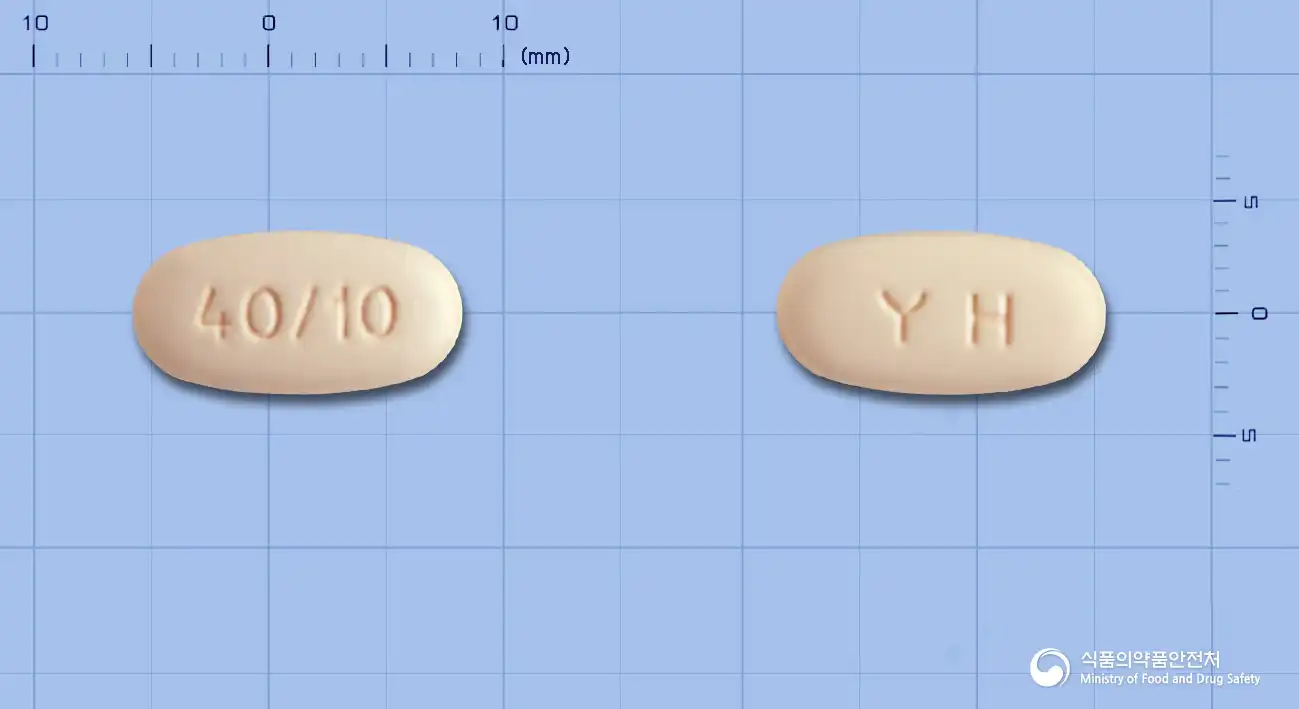
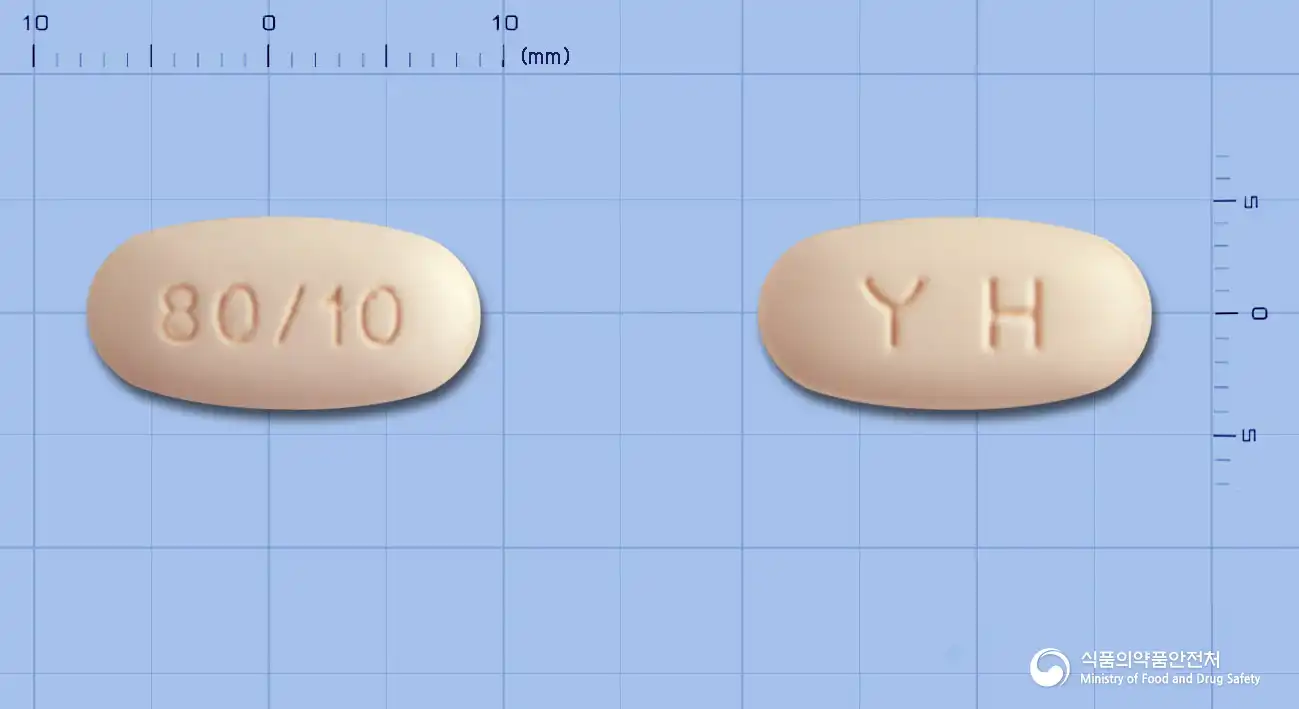 Combination
Telmisartan 80mg · Rosuvastatin Calcium 10.4mg
Tablet · Prescription medication · Combination
Yuhannanghang Co., Ltd.
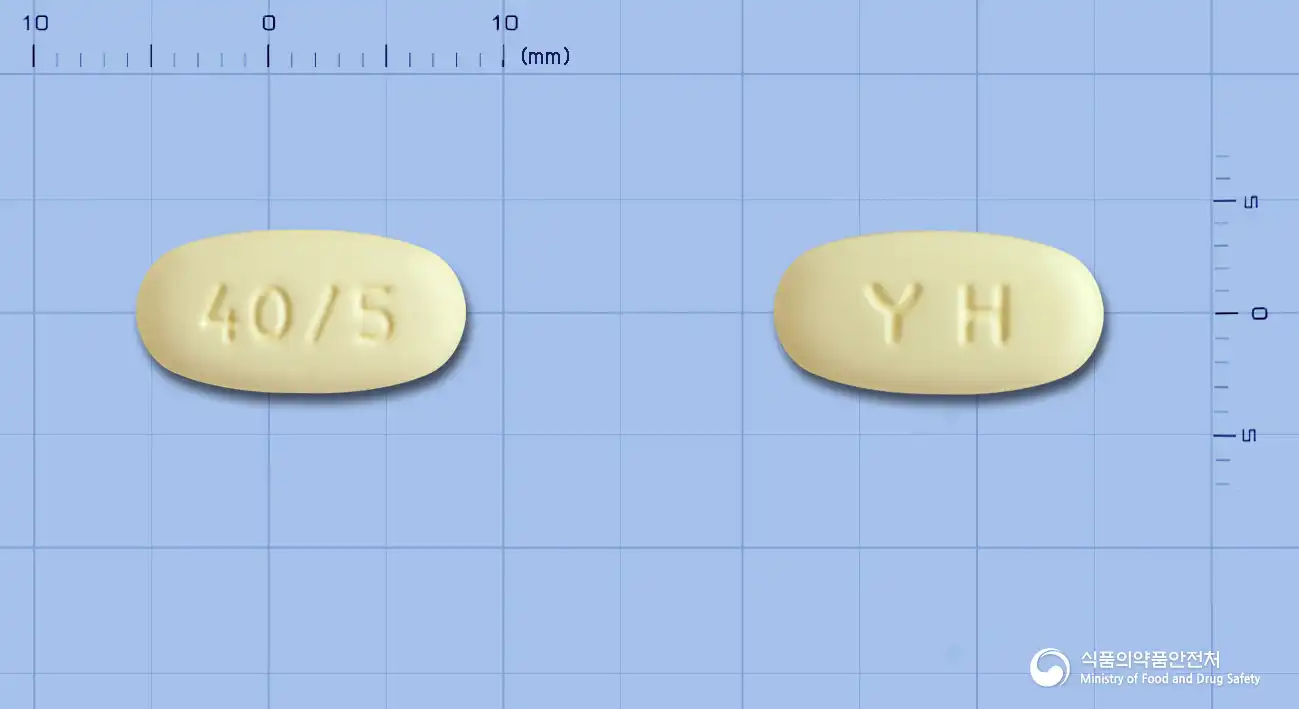
 Combination
Telmisartan 40mg · Rosuvastatin Calcium 10.4mg
Tablet · Prescription medication · Combination
Yuhan Corporation Co., Ltd.
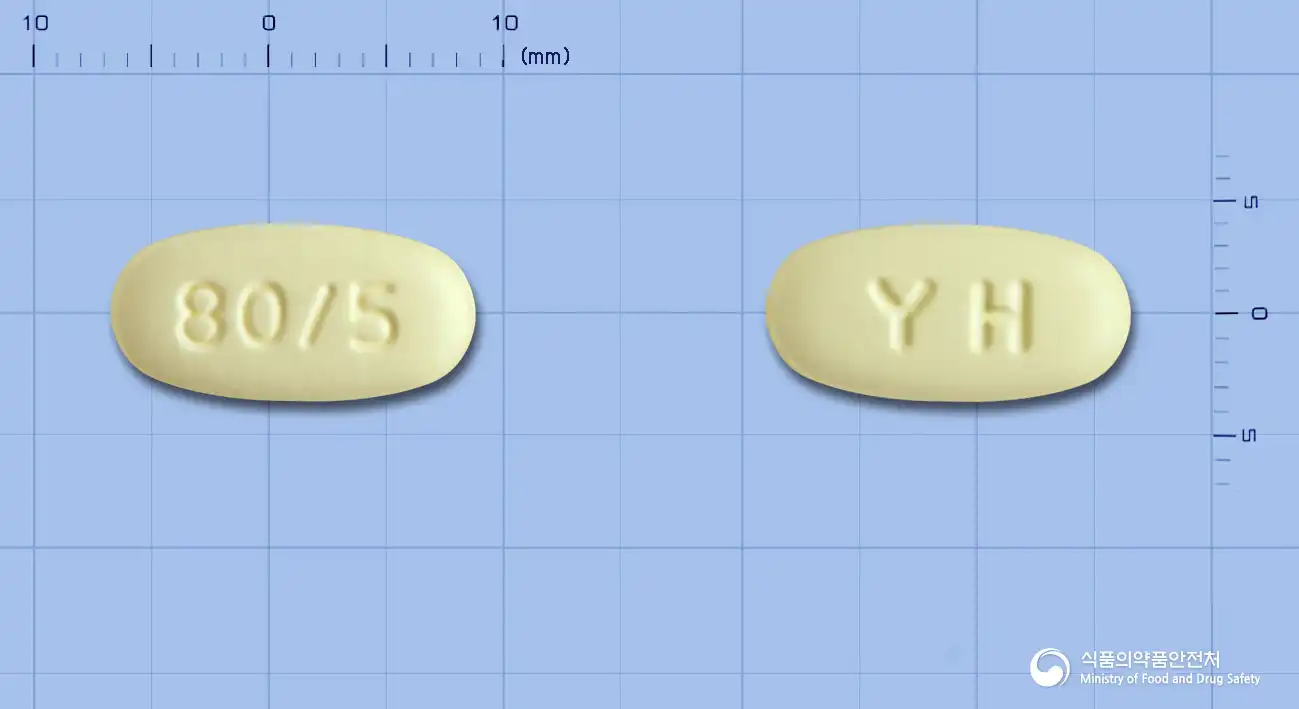
 Combination
Telmisartan 40mg · Rosuvastatin Calcium 5.2mg
Tablet · Prescription medication · Combination
Yuhan Corporation
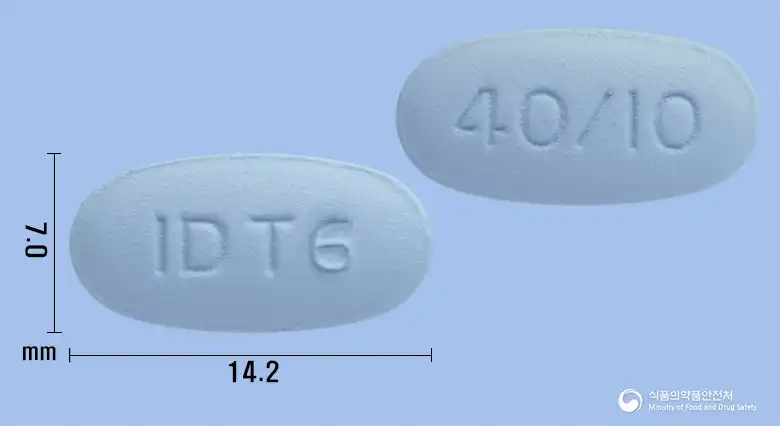
 Combination
Telmisartan 80mg · Rosuvastatin Calcium 5.2mg
Tablet · Prescription medication · Combination
Yuhan Corporation
 Combination
Telmisartan 40mg · Rosuvastatin Calcium 10.4mg
Tablet · Prescription medication · Combination
Ildong Pharmaceutical Co., Ltd.
Even with the same ingredient, the dose and directions can differ by strength and dosage form. Talk to a doctor or pharmacist before switching from a medication you are already taking.
No questions yet.
For anything that needs medical judgment, consult a doctor or pharmacist.
This drug information is based on data provided by the Korea Ministry of Food and Drug Safety.
Consult a doctor or pharmacist for accurate dosage, administration, and usage instructions.