
 한국어
한국어 English
 日本語
日本語 中文(简体)
Dosage form image
Viewing nowCombinationMega Acetodol Sustained-release Tablets
Acetaminophen 325mg · Tramadol Hydrochloride 75mg
Tablet · Prescription medication · Combination
LNC Bio Co., Ltd.
MFDS item code 202001290 · Approved 2020.02.24
This product's status changed to Approval withdrawn on 2024.07.03. It may no longer be sold, so consult a doctor or pharmacist before taking it.
Relief of moderate to severe acute and chronic pain
This medication is used to relieve acute and chronic pain ranging from moderate to severe.
The recommended initial dose is one tablet, with subsequent dosing intervals of at least 12 hours and not to exceed four tablets per day. Do not take this medication longer than necessary, and if long-term use is needed, regular monitoring should be done to determine the continuation of therapy. For the elderly, the usual adult dose can be given, but for those over 75, dosing intervals should be at least 12 hours apart.
This medication may cause liver damage, so those who regularly consume more than three glasses of alcohol daily should consult a doctor or pharmacist before taking it. Serious skin reactions such as rashes or blisters may occur after taking this medication, so if such symptoms appear, stop taking it immediately and seek medical attention. The ingredients in this medication can cause seizures, so caution is advised for individuals with a history of seizures or those at risk of them. Rarely, life-threatening allergic reactions may occur during the use of this medication; symptoms such as difficulty breathing, rash, or facial swelling require immediate medical attention. For patients with severe asthma, breathing may become more difficult when administering this medication, so it should only be given in a medically supervised setting. Taking this medication with alcohol or central nervous system depressants can lead to severe drowsiness, respiratory depression, or coma, so it should be avoided or carefully monitored. Patients with head injury or increased intracranial pressure should use this medication cautiously as symptoms may worsen. This medication may lead to dependency similar to that of opioids, so the possibility of dependency should be carefully monitored during long-term use. Patients with compromised liver function should consult a doctor before taking this medication and be aware not to exceed a daily intake of 4,000 mg of acetaminophen. Patients with specific genotypes may metabolize this medication rapidly, increasing the risk of respiratory depression, thus requiring dose adjustments and symptom monitoring. This medication should not be used in children under 12 years old or in adolescents under 18 years old who have undergone tonsillectomy or adenoidectomy. This medication may rarely lower sodium levels in the blood, requiring monitoring of symptoms in patients at risk of hyponatremia. Patients allergic to the ingredients of this medication or those in severe respiratory depression, central nervous system drug overdose, severe liver, kidney or heart function impairment, pregnant or nursing women, children under 12, and pediatric patients requiring postoperative care should not take this medication. The risk of side effects may increase when taken with other central nervous system depressants, therefore the dose should be adjusted and carefully monitored under a doctor's guidance. Drowsiness or dizziness may occur during driving or operating machinery; such activities should be approached with caution. Overdosage can lead to serious respiratory depression, liver damage, or seizures; adherence to prescribed doses is crucial, and immediate emergency treatment is required in case of an overdose. Dosing adjustments are necessary for patients with impaired liver and kidney function, and consideration of dependency risk during prolonged use should be addressed by adjusting the duration of treatment or including drug-free intervals. The effects of this medication on the fetus during pregnancy are not clear, so it is essential to consult a doctor before use, and breastfeeding women should avoid taking this medication.
Hives, severe swelling (edema), chest tightness, difficulty breathing, cold sweat, pallor, severe rash with fever, blisters, skin peeling, pain in oral/ocular mucosa, shortness of breath or difficulty breathing, asthma attack, respiratory issues with cough + fever, jaundice (yellowing of skin or eyes), extreme lethargy, sudden and severe headache, thunderclap headache, seizures, altered consciousness, visual disturbances, paralysis, urination problems
Not everyone experiences these, and they can vary from person to person.
This medication should be stored in a tightly closed container to protect it from air and moisture. It is best to maintain storage temperatures between 1°C and 30°C at room temperature.
Light yellow oblong sustained-release film-coated tablets
30 tablets/bottle, 100 tablets/bottle
Even with the same ingredient, strength, dosage form and how it is taken can differ.
Acetaminophen 325mg · Tramadol Hydrochloride 75mg
Tablet · Prescription medication · Combination
LNC Bio Co., Ltd.
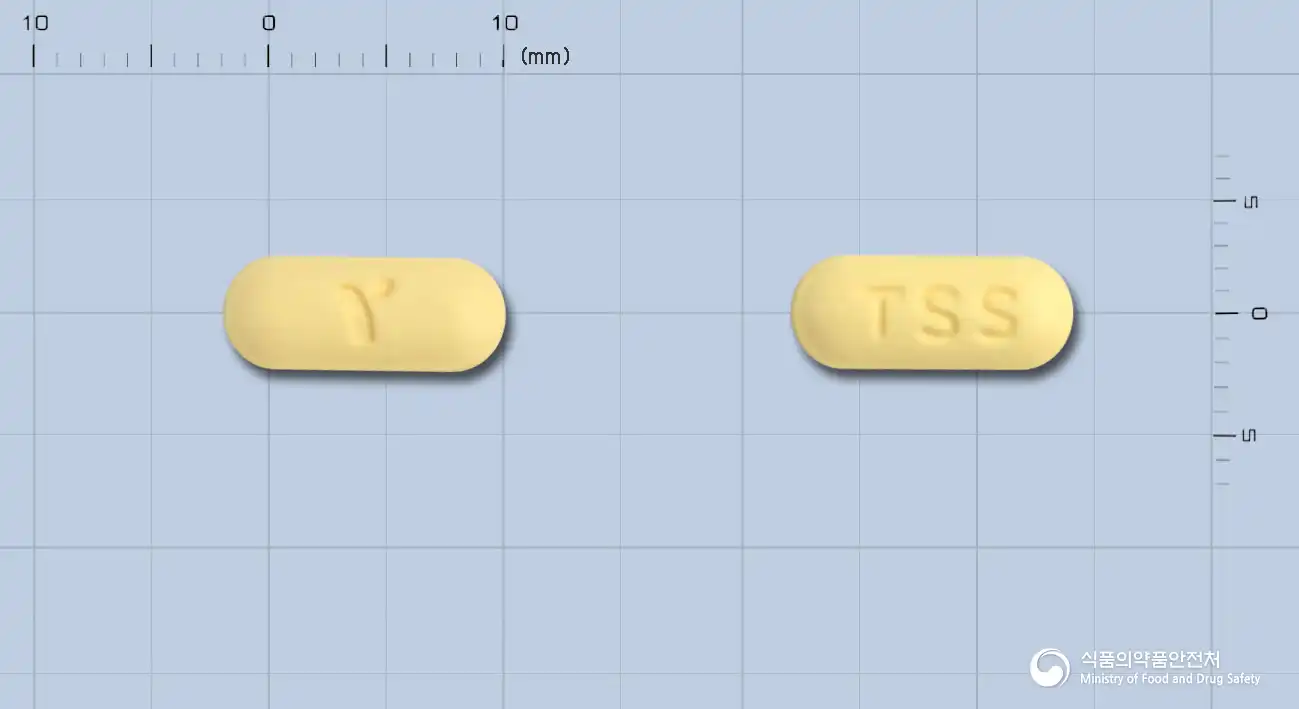 Combination
Acetaminophen 162.5mg · Tramadol Hydrochloride 18.75mg
Tablet · Prescription medication · Combination
Yuyoung Pharmaceutical Co., Ltd.
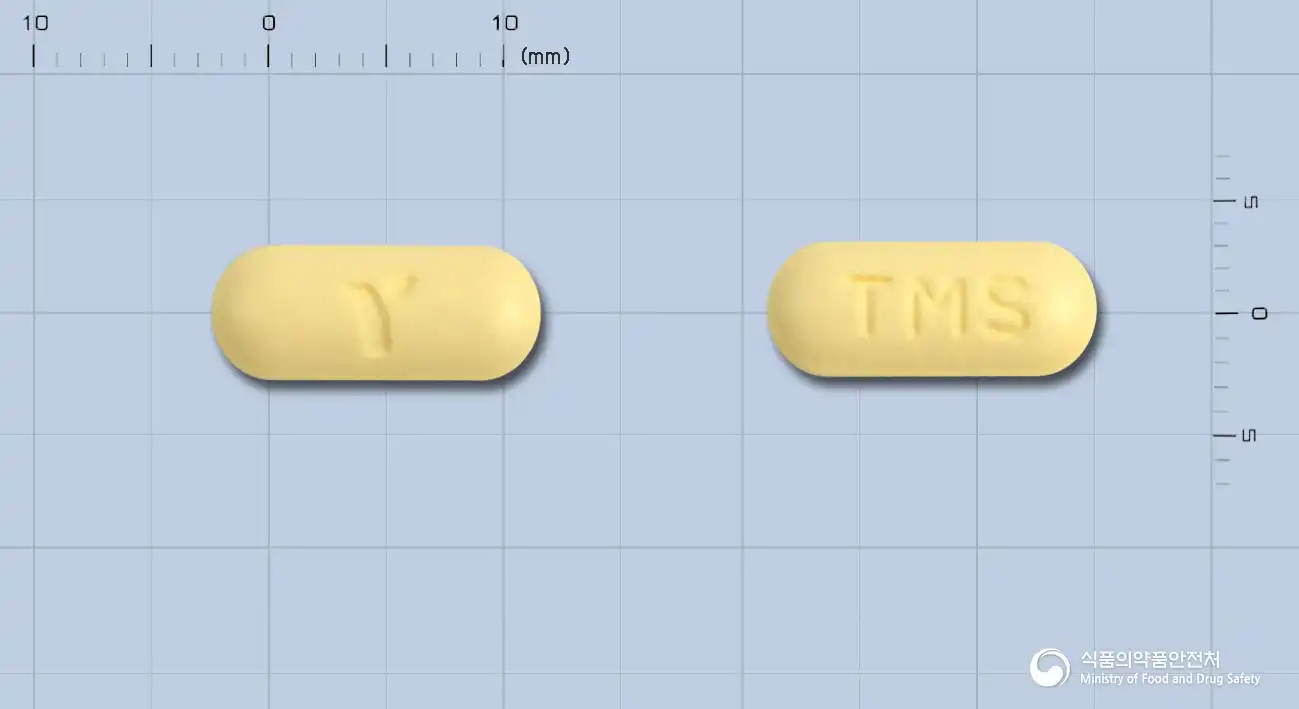 Combination
Acetaminophen 325mg · Tramadol Hydrochloride 37.5mg
Tablet · Prescription medication · Combination
Youyoung Pharmaceutical Co., Ltd.
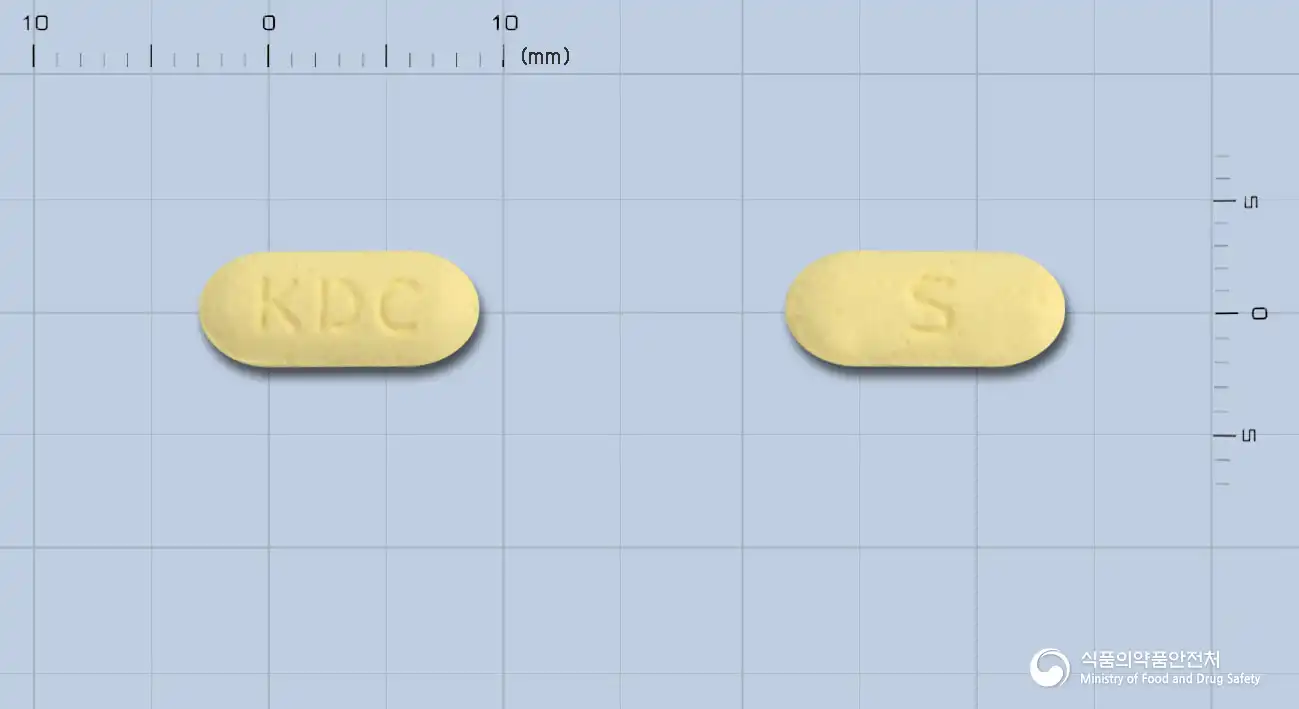 Combination
Tramadol Hydrochloride 18.75mg · Acetaminophen 162.5mg
Tablet · Prescription medication · Combination
Korea Pharmaceutical Co., Ltd.
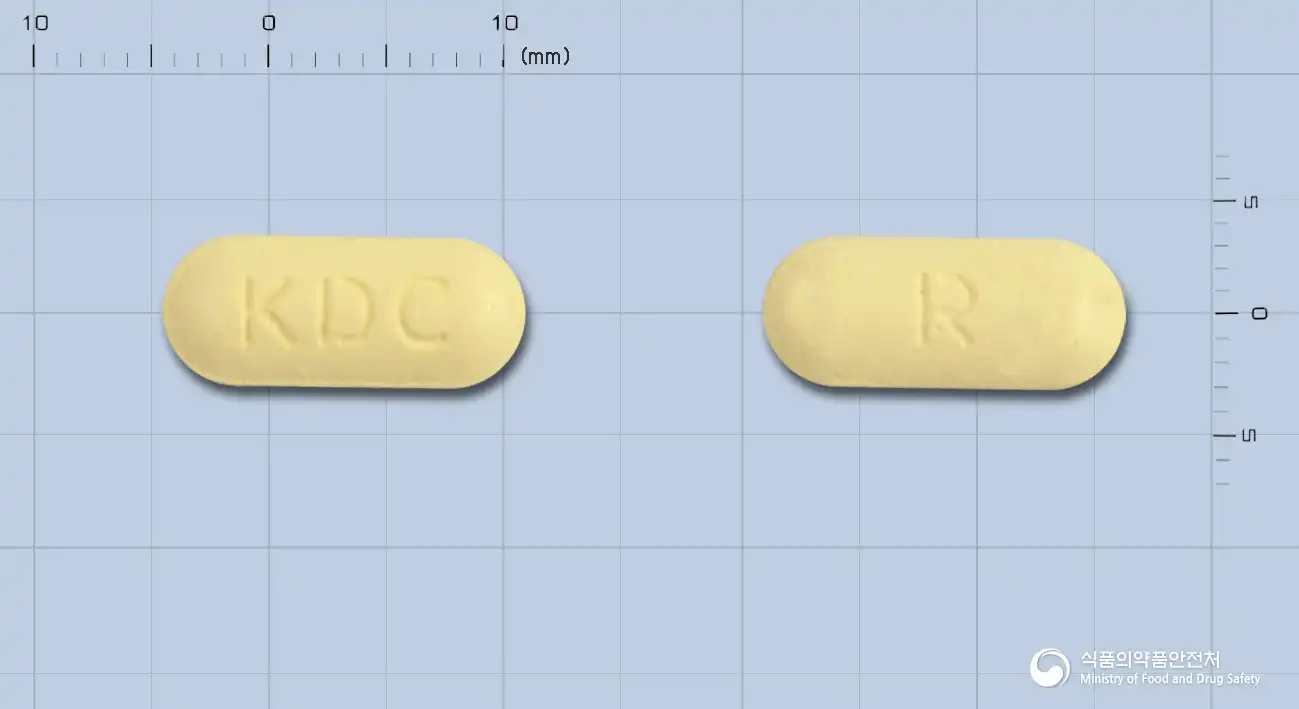 Combination
Tramadol Hydrochloride 37.5mg · Acetaminophen 325mg
Tablet · Prescription medication · Combination
Korea United Pharmaceutical Co., Ltd.
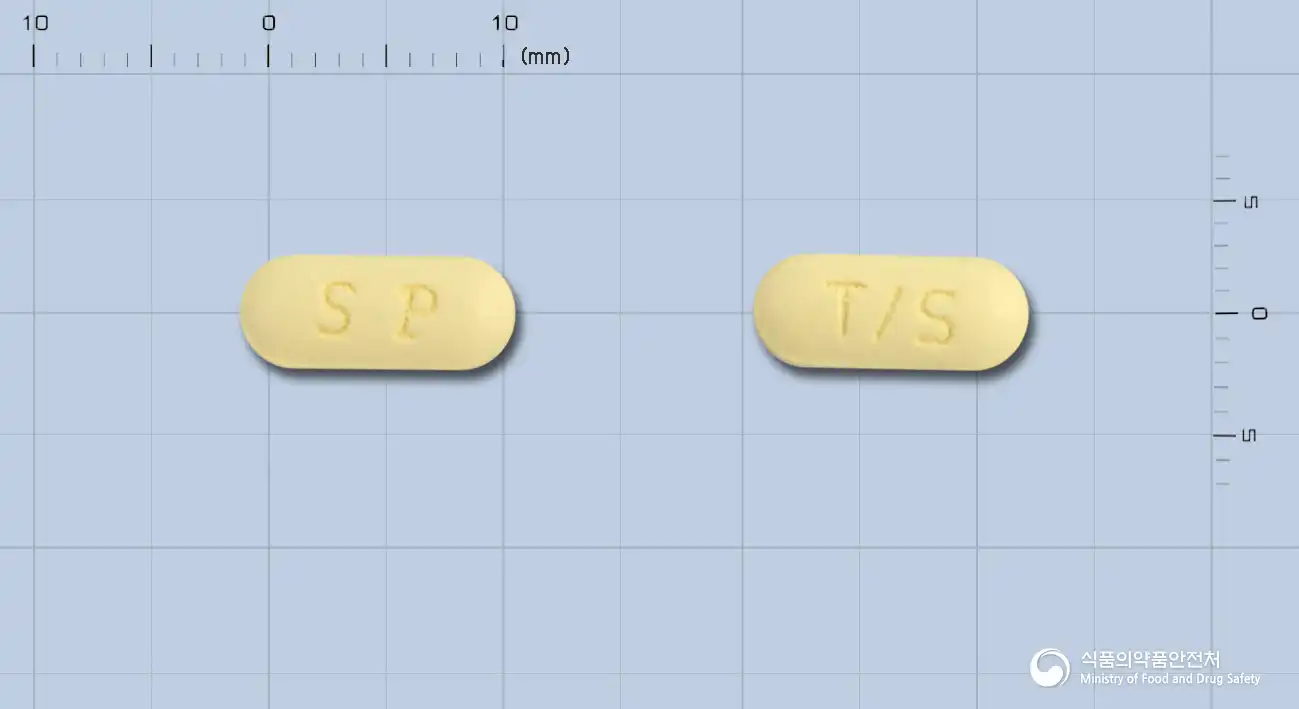 Combination
Acetaminophen 162.5mg · Tramadol Hydrochloride 18.75mg
Tablet · Prescription medication · Combination
Shinpoong Pharmaceutical Co., Ltd.
 Combination
Acetaminophen 325mg · Tramadol Hydrochloride 37.5mg
Tablet · Prescription medication · Combination
Sinphong Pharmaceutical Co., Ltd.
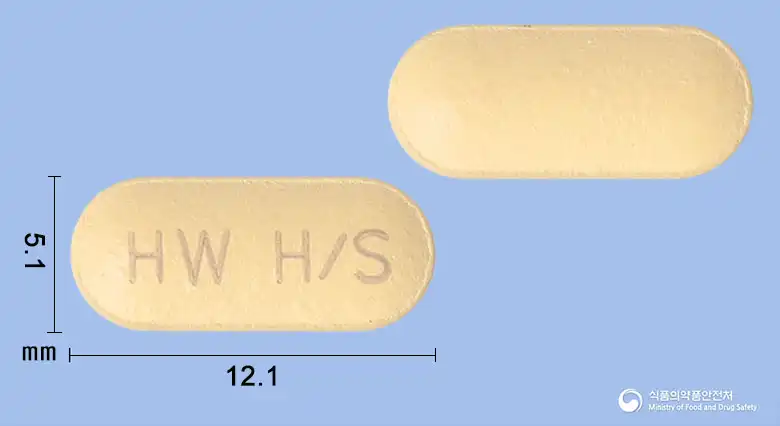 Combination
Acetaminophen 162.5mg · Tramadol Hydrochloride 18.75mg
Tablet · Prescription medication · Combination
Albozen Korea Co., Ltd.
Even with the same ingredient, the dose and directions can differ by strength and dosage form. Talk to a doctor or pharmacist before switching from a medication you are already taking.
No questions yet.
For anything that needs medical judgment, consult a doctor or pharmacist.
This drug information is based on data provided by the Korea Ministry of Food and Drug Safety.
Consult a doctor or pharmacist for accurate dosage, administration, and usage instructions.