
 한국어
한국어 English
 日本語
日本語 中文(简体)
Dosage form image
Viewing nowCombinationMegasimba Tablet 10/10 mg
Ezetimibe 10mg · Simvastatin 10mg
Tablet · Prescription medication · Combination
L&C Bio Co., Ltd.
MFDS item code 202000774 · Approved 2020.02.10
This product's status changed to Approval withdrawn on 2024.07.02. It may no longer be sold, so consult a doctor or pharmacist before taking it.
Improvement of cholesterol and lipids in hypercholesterolemia (primary, homozygous familial) and mixed hyperlipidemia
This drug helps to control cholesterol and triglyceride levels in patients with primary hypercholesterolemia, particularly in cases of heterozygous familial and non-familial hypercholesterolemia, as well as mixed hyperlipidemia. It can also be used as an adjunct to other treatments in patients with homozygous familial hypercholesterolemia. This drug is used in conjunction with dietary therapies, administered when dietary adjustments alone are insufficient. It reduces total cholesterol, LDL cholesterol, Apo B protein, and triglycerides while increasing high-density lipoprotein (HDL) cholesterol, positively impacting vascular health. It is important to check for other causative conditions or medications before initiating drug therapy. This drug is effectively used to reduce the risks of hypercholesterolemia and associated cardiovascular diseases.
This drug is administered once daily in the evening, regardless of meals. For patients with primary hypercholesterolemia, the dosage range is 10/10mg to 10/40mg daily, with a typical initial dose of 10/20mg daily. Patients with lesser needs for LDL cholesterol reduction may begin with 10/10mg daily. Patients with homozygous familial hypercholesterolemia should take 10/40mg once daily in the evening.
This drug may cause muscular disorders such as myopathy or rhabdomyolysis. The risk may be higher when taking high doses or in conjunction with certain other medications. Those allergic to any ingredients of this drug or who have active liver disease or persistently elevated liver enzyme levels of unknown origin should not take this medication. Women who are pregnant or breastfeeding should not take this drug, and those planning to become pregnant should consult with a physician. This drug should not be combined with medications that inhibit the CYP3A4 enzyme, such as certain potent antifungals, antibiotics, and antiviral drugs, as it increases the risk of muscle damage. Moreover, it should not be used with medications such as gemfibrozil, cyclosporine, and danazol. While taking this medication, if muscle pain, muscle weakness, or unexplained muscle pain occurs, you should immediately notify your doctor, who may check for muscle damage through blood tests if needed. Patients with liver function disorders should have regular liver function tests before and during the use of this drug, and should discontinue use if liver function worsens. This drug has not been sufficiently studied for safety and efficacy in children and adolescents, especially girls under 10 years old or before menstruation, so caution is needed. Elderly patients may also be sensitive to this medication, so careful administration is necessary, and potential interactions with other drugs should always be considered. During the course of taking this drug, it is advisable to inform the doctor or pharmacist whenever starting a new medication and to limit the intake of certain foods such as grapefruit juice.
Myopathy, rhabdomyolysis, angioedema, rash, pancreatitis, cholelithiasis, cholecystitis, anaphylaxis, lupus-like syndrome, polymyalgia rheumatica, dermatomyositis, vasculitis, purpura, thrombocytopenia, leukopenia, hemolytic anemia, eosinophilia, arthritis, arthralgia, urticaria, photosensitivity, fever, chills, flushing, malaise, dyspnea, toxic epidermal necrolysis (Lyell's syndrome), mucocutaneous syndrome (Stevens-Johnson syndrome)
Not everyone experiences these, and they can vary from person to person.
This drug should be stored in a tightly closed container to prevent exposure to air and moisture, preferably at room temperature between 1 degrees and 30 degrees Celsius. This storage method will help maintain the efficacy of the drug for a longer period.
White to light yellow, bilaterally convex rectangular tablet
30 tablets (10 tablets/PTP × 3)
Even with the same ingredient, strength, dosage form and how it is taken can differ.
Ezetimibe 10mg · Simvastatin 10mg
Tablet · Prescription medication · Combination
L&C Bio Co., Ltd.
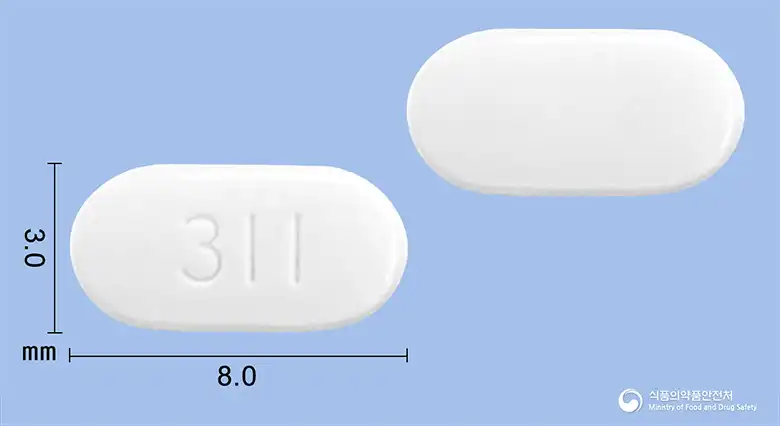 Combination
Simvastatin 10mg · Ezetimibe 10mg
Tablet · Prescription medication · Combination
Korea Organon Co., Ltd.
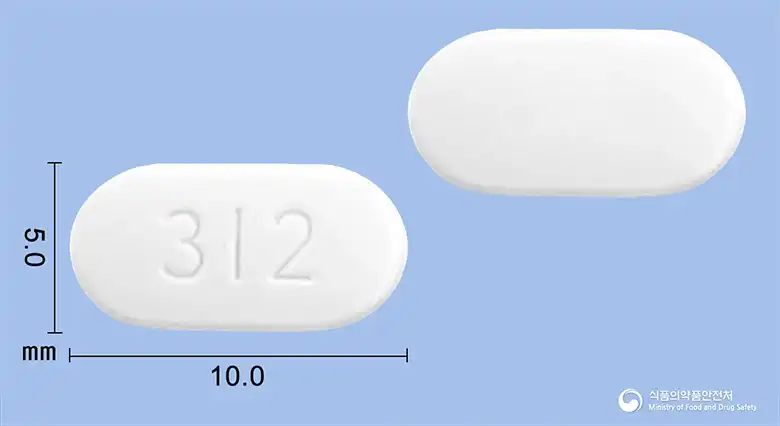 Combination
Simvastatin 20mg · Ezetimibe 10mg
Tablet · Prescription medication · Combination
Korea Organon Co., Ltd.
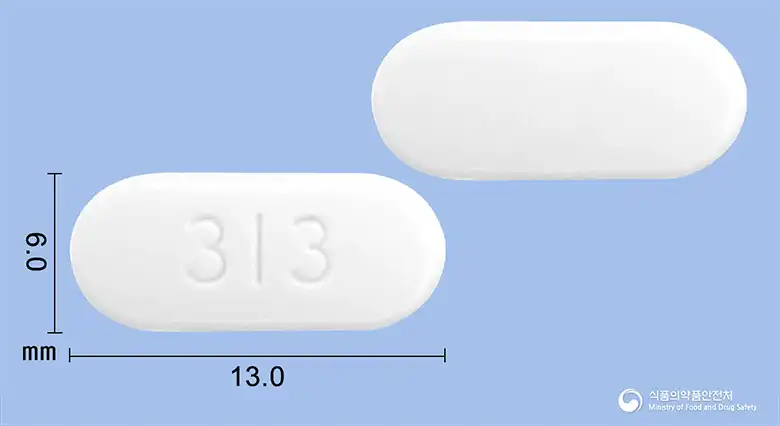 Combination
Simvastatin 40mg · Ezetimibe 10mg
Tablet · Prescription medication · Combination
Korea Organon Co., Ltd.
Ezetimibe 10mg · Simvastatin 10mg
Tablet · Prescription medication · Combination
Boryung Pharmaceutical Co., Ltd.
Ezetimibe 10mg · Simvastatin 20mg
Tablet · Prescription medication · Combination
Boryung Pharmaceutical Co., Ltd.
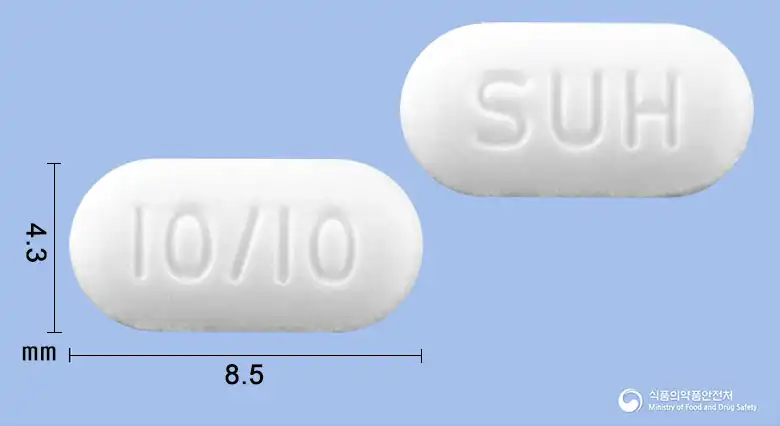 Combination
Ezetimibe 10mg · Simvastatin 10mg
Tablet · Prescription medication · Combination
Suhung Co., Ltd.
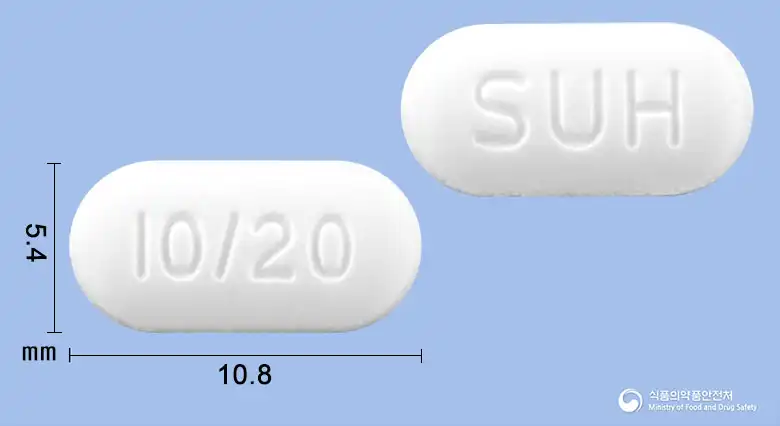 Combination
Ezetimibe 10mg · Simvastatin 20mg
Tablet · Prescription medication · Combination
Seohung Co., Ltd.
Even with the same ingredient, the dose and directions can differ by strength and dosage form. Talk to a doctor or pharmacist before switching from a medication you are already taking.
No questions yet.
For anything that needs medical judgment, consult a doctor or pharmacist.
This drug information is based on data provided by the Korea Ministry of Food and Drug Safety.
Consult a doctor or pharmacist for accurate dosage, administration, and usage instructions.