
 한국어
 English
 日本語
 中文(简体)
 Viewing now
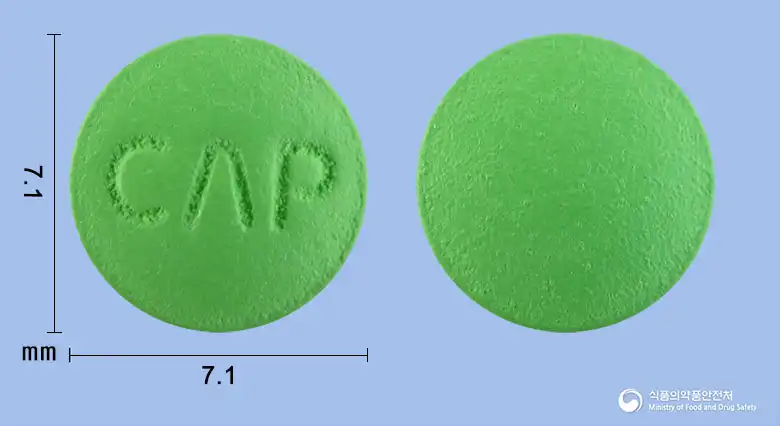
Joah Pamotidine Tablet 20mg
Famotidine 20mg
Tablet · Prescription medication
Joah Pharmaceutical Co., Ltd.
MFDS item code 202000561 · Approved 2020.02.03 · Insurance code 644604040
Improvement of acid-related disorders (such as ulcers), upper gastrointestinal bleeding, and gastritis-related gastric mucosal lesions
This medicine is used to treat gastric and duodenal ulcers, anastomotic ulcers, and upper gastrointestinal bleeding, including peptic ulcers and acute stress ulcers. It is also effective for bleeding caused by hemorrhagic gastritis, gastroesophageal reflux disease, and Zollinger-Ellison syndrome. During the acute exacerbation phase of acute and chronic gastritis, it helps improve lesions such as erosions, bleeding, redness, and edema of the gastric mucosa. This medication protects the gastric mucosa and heals damaged areas to alleviate symptoms and restore gastrointestinal health. Therefore, it is used in the treatment of various ulcerative and inflammatory diseases related to the stomach.
1. Gastric and duodenal ulcers, anastomotic ulcers, upper gastrointestinal bleeding (due to peptic ulcer, acute stress ulcer, or bleeding ulcer), reflux esophagitis, and Zollinger-Ellison syndrome: Adults: Administer 20 mg of famotidine orally twice daily (after breakfast and dinner or at bedtime), or 40 mg orally once daily (at bedtime). For upper gastrointestinal bleeding, treatment is usually initiated with an injection; switch to oral administration once oral administration is possible. 2. Improvement of gastric mucosal lesions (erosion, bleeding, erythema, and edema) in the following conditions: acute gastritis and acute exacerbation of chronic gastritis Adults: Administer 10 mg of famotidine orally twice daily (after breakfast and dinner or at bedtime), or 20 mg orally once daily (at bedtime). Adjust the dose appropriately according to age and symptoms.
This medication should not be used in certain patients. For example, it should not be administered to patients with allergies to its ingredients or similar drugs, or those with a genetic problem digesting lactose. Additionally, caution is required in patients with a history of drug allergies, kidney or liver problems, heart disease, and the elderly. Particularly, for patients with decreased kidney function, the drug concentration may increase, necessitating a dosage adjustment. Although rare, serious side effects can appear during the use of this medication. For instance, severe allergic reactions, blood abnormalities, cardiac rhythm problems, liver dysfunction, muscle damage, changes in consciousness, and kidney issues may occur. If such symptoms arise, the medication should be stopped immediately and medical attention sought. Generally, during treatment, it is essential to monitor symptoms and blood, liver, and kidney functions closely, and if this medication is ineffective, it may be better to switch to alternative treatments. This medication dissolves in the mouth but is not absorbed through the oral mucosa, so it should be swallowed with saliva or water. Patients undergoing hemodialysis should be cautious, as the effectiveness may decrease if this medication is used with certain phosphate binders. Moreover, it may interact with other medications, especially when taken with certain antifungals or anticancer drugs. The elderly may be at increased risk of elevated drug concentrations due to decreased kidney function, thus requiring cautious dosage reduction or extended intervals between doses. Women who are pregnant or may become pregnant should only use this medication if its benefits outweigh the risks, and breastfeeding women are advised to discontinue breastfeeding. Safety in children has not been sufficiently established, so caution is advised in their use. Finally, while this medication can be placed on the tongue and dissolved with saliva, it should not be taken lying down without water, as it may mask gastric cancer symptoms, hence should only be used after confirming malignancy.
Not everyone experiences these, and they can vary from person to person.
This medication should be stored in a tightly sealed container to protect it from air and moisture. It should be kept away from direct sunlight and stored at a normal room temperature, avoiding extremes of heat or cold.
Green round film-coated tablet
Bottle - 30 tablets/bottle, Bottle - 300 tablets/bottle
Even with the same ingredient, strength, dosage form and how it is taken can differ.
Viewing nowFamotidine 20mg
Tablet · Prescription medication
Joah Pharmaceutical Co., Ltd.
Famotidine 20mg
Prescription medication
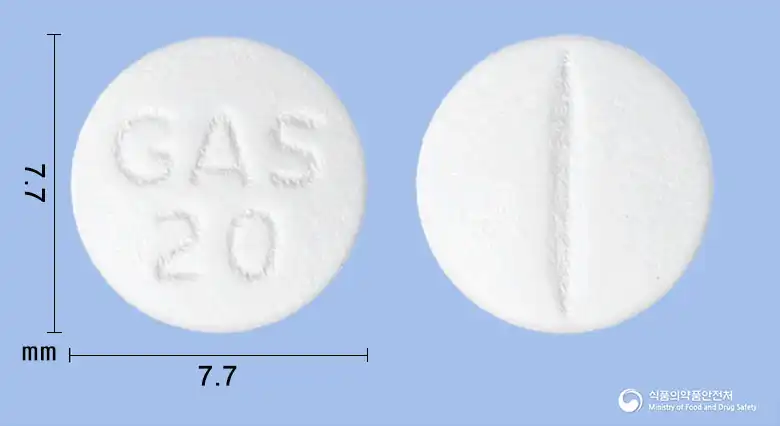
Dong-A ST Co., Ltd.
Famotidine 20mg
Tablet · Prescription medication
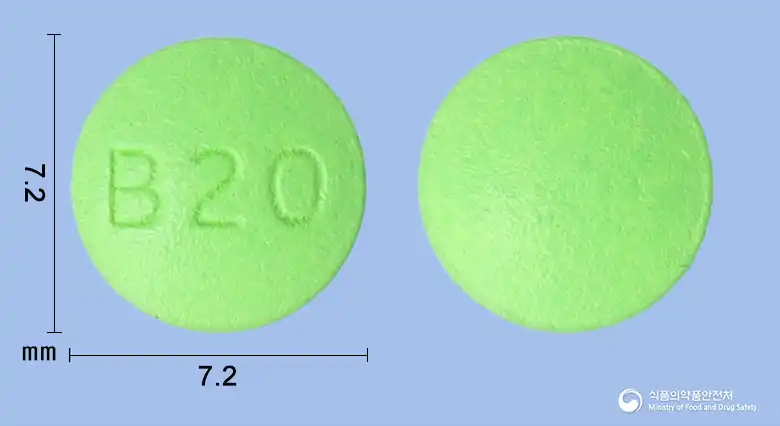
JW Pharmaceutical Corporation
Famotidine 20mg
Tablet · Prescription medication
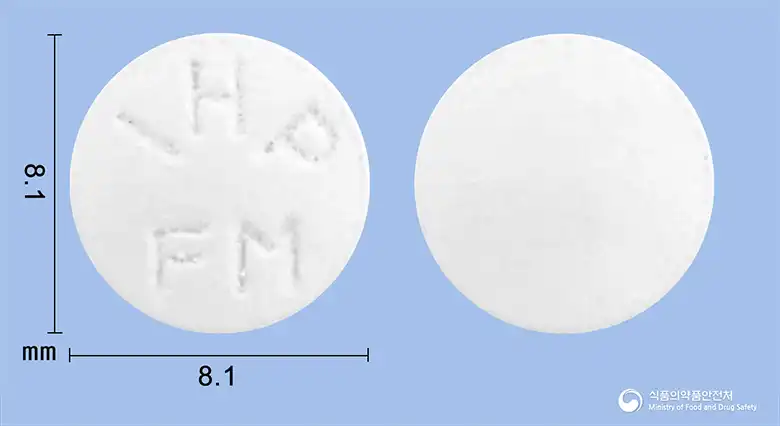
(Stock Company) Ilhwa

Famotidine 20mg
Prescription medication
Youngpoong Pharmaceutical Co., Ltd.
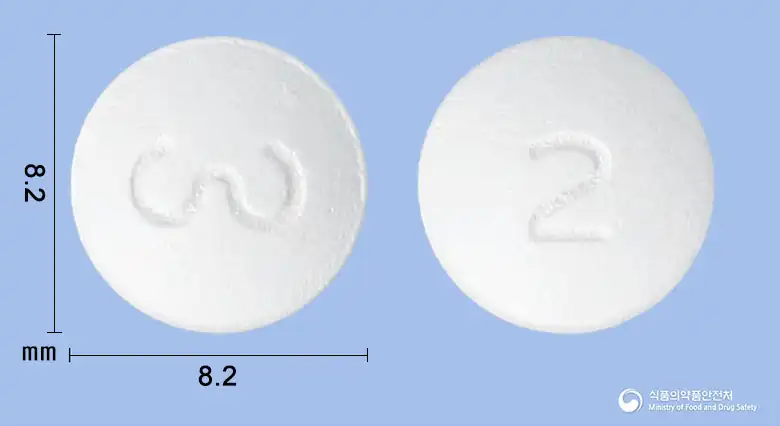
Famotidine 20mg
Tablet · Prescription medication
Withus Pharmaceutical Co., Ltd.
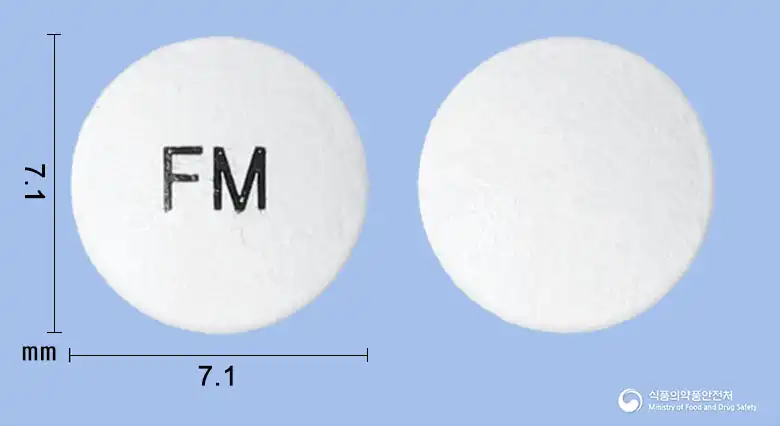
Famotidine 20mg
Prescription medication
(Stock Company) Seoul Pharmaceutical
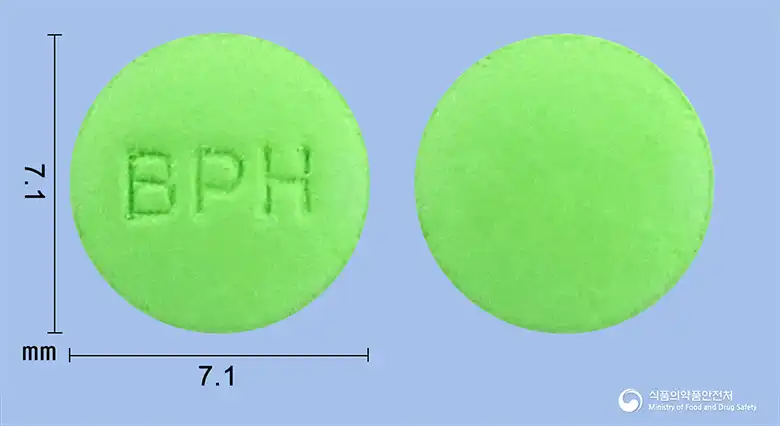
Famotidine 20mg
Tablet · Prescription medication
(Stock Company) Genupharm
Even with the same ingredient, the dose and directions can differ by strength and dosage form. Talk to a doctor or pharmacist before switching from a medication you are already taking.
No questions yet.
For anything that needs medical judgment, consult a doctor or pharmacist.
This drug information is based on data provided by the Korea Ministry of Food and Drug Safety.
Consult a doctor or pharmacist for accurate dosage, administration, and usage instructions.