
 한국어
 English
 日本語
 中文(简体)
Summary
- Main use
- Treatment of HIV-1 infection in adults
- Who takes it
- Adults
- Adult dose
- Adults should take 1 tablet of this medicine orally once daily, with or without food. Patients with a creatinine clearance below 50 mL/min should not take this medicine. When this medicine is coadministered with rifabutin, an additional 1 tablet of doravirine 100mg should be taken approximately 12 hours after this medicine for the duration of concomitant rifabutin use.
Ingredients
- Importer
- MSD KOREA Co., Ltd.
Efficacy & effects
Treatment of HIV-1 infection in adults
View approved original textHide original text
This medication is indicated for the treatment of adult patients with HIV-1 infection who have never been treated with antiretroviral therapy or who have maintained stable viral suppression for more than 6 months without treatment failure. It can be effectively used in the absence of resistance-associated mutations for each component and includes all components needed for HIV-1 infection treatment. This medication helps maintain viral suppression and improve infection treatment.
How to take
Adult dose
Adults should take 1 tablet of this medicine orally once daily, with or without food. Patients with a creatinine clearance below 50 mL/min should not take this medicine. When this medicine is coadministered with rifabutin, an additional 1 tablet of doravirine 100mg should be taken approximately 12 hours after this medicine for the duration of concomitant rifabutin use.
Precautions
This medication may pose a risk of severe acute exacerbation of hepatitis B in patients co-infected with hepatitis B and HIV-1; therefore, hepatitis B infection status must be checked before starting treatment. Sudden discontinuation of this medication can lead to acute exacerbation of hepatitis B, and liver function should be closely monitored for several months post-discontinuation. Lactic acidosis, a serious metabolic disorder, may occur, which can present symptoms such as nausea, vomiting, abdominal pain, fatigue, loss of appetite, difficulty breathing, and muscle weakness. If any of these symptoms appear, consult a doctor immediately. This medication may have reduced efficacy or increased side effects when used in combination with certain drugs; patients should inform their healthcare provider of any other medications they are taking. Patients with impaired kidney function may experience further deterioration of kidney function while taking this medication; regular kidney function tests should be performed, and discontinuation is necessary if there is significant decline in kidney function. Symptoms such as reduced bone density, bone pain, or muscle weakness may occur, so it is important to consult with healthcare professionals for appropriate testing if bone health issues or symptoms are present. Women who are pregnant or planning to become pregnant should consult healthcare professionals before taking this medication, as its safety has not been adequately evaluated. Nursing mothers are advised to avoid breastfeeding while taking this medication. The safety and efficacy of this medication in children under 18 years of age have not been established, so it is advisable not to use it in this age group. In case of overdose, as there is no specific antidote, immediate medical attention is required for appropriate treatment. Store this medication away from direct sunlight and in a dry place, keeping the bottle tightly closed.
Side effects
Severe acute exacerbation of hepatitis B, liver disease, liver failure, lactic acidosis, nausea, vomiting, abdominal pain, fatigue, loss of appetite, weight loss, rapid and deep breathing, exercise weakness, renal dysfunction, bone loss, mineralization defects, immune reconstitution syndrome, dizziness, vivid dreams, headache, insomnia, diarrhea, drowsiness, rash, toxic epidermal necrolysis (TEN), redistribution/accumulation of body fat, hyperglycemia, weakness, anemia, anaphylaxis, urticaria, muscle weakness, increased CPK, rhabdomyolysis, alopecia, pruritus, allergic reactions, hypokalemia, hypophosphatemia, respiratory distress, pancreatitis, increased amylase, hepatic steatosis, hepatitis, elevated liver enzymes, osteomalacia, acute renal failure, renal failure, acute tubular necrosis, Fanconi syndrome, proximal tubular dysfunction, interstitial nephritis, nephrogenic diabetes insipidus, increased creatinine, proteinuria, polyuria, asthenia, severe skin reactions, painful eruptions involving mucous membranes, progressive severe rash, bone pain, limb pain, fractures, myalgia, arthralgia, arthrosclerosis, sleep disorders, sleep disturbances, central sensory nerve changes, depression, suicide and self-harm, elevated serum ALT and AST
Not everyone experiences these, and they can vary from person to person.
Storage
Store this medication in a sealed container to prevent exposure to air and moisture. It is best to maintain a storage temperature between 1°C and 30°C to ensure the medication's effectiveness.
Appearance and packaging
Appearance
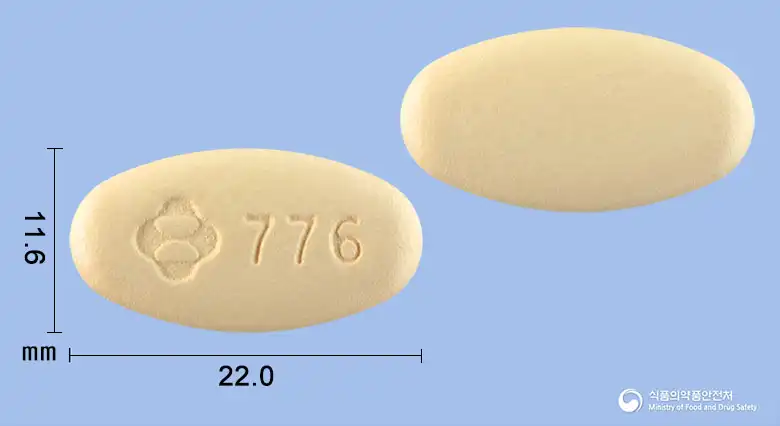
Yellow oval tablet imprinted with 'MSD logo' and '776' on one side.
Package unit
30 tablets/bottle
Questions about this medicine
No questions yet.
For anything that needs medical judgment, consult a doctor or pharmacist.