
 한국어
한국어 English
 日本語
日本語 中文(简体)
 Viewing now
Ilsung Glimepiride Tablet 4 mg
Glimepiride 4mg
Tablet · Prescription medication
Ilsung IS Co., Ltd.
MFDS item code 202000324 · Approved 2020.01.21 · Insurance code 655404330
Improvement of blood sugar control in Type 2 diabetes
This medication helps patients with Type 2 diabetes to improve blood sugar control in conjunction with dietary management and exercise. It can be used alone, and if blood sugar control is insufficient, it can be combined with other hypoglycemic agents or insulin. Particularly, it is added to enhance treatment effectiveness when there is insufficient effect with sulfonylureas or metformin monotherapy. Using this way makes blood sugar control smoother and provides positive assistance in managing the patient's health.
This medication is administered orally once daily. It should be taken before breakfast or immediately before the first meal. Swallow it whole with more than half a cup of water. For monotherapy, the initial dose starts at 1 mg of Glimepiride taken once daily, and it can be increased by 1 mg at 1- to 2-week intervals. Typically, there is minimal additional effect after doses greater than 4 mg, but it can be increased to a maximum of 6-8 mg.
This medication is not to be administered to patients with insulin-dependent diabetes or those in a state of diabetic ketoacidosis or coma. Patients with allergies to this medication or its ingredients or those with severe liver or kidney dysfunction should also not use this drug. Pregnant or breastfeeding women should not take this medication. For patients with severe infections or those undergoing surgery, insulin treatment is recommended. Caution is needed in cases of gastrointestinal disturbances as there may be a risk of hypoglycemia, and patients with genetic conditions like lactose intolerance should not be administered this medication. During the initial dose, the risk of hypoglycemia is high and requires special attention. Patients with poor nutritional status or irregular eating habits, those with excessive exercise and carbohydrate intake imbalance, and those who frequently consume alcohol should also be cautious. Patients with reduced kidney or liver function, the elderly, and those with other endocrine disorders are at greater risk of hypoglycemia and require careful monitoring. When taking in combination with other drugs, interactions may affect blood sugar control, so inform your doctor or pharmacist. This medication can cause hypoglycemia, with symptoms such as headache, severe hunger, nausea, fatigue, anxiety, confusion, drowsiness, loss of consciousness, etc. If hypoglycemic symptoms occur, immediate consumption of sugar is needed, and in severe cases, treatment in a hospital may be required. Additionally, temporary visual disturbances or gastrointestinal symptoms may appear early in the course of this medication. Serious adverse reactions such as liver dysfunction or changes in blood cell counts may occur rarely, so notify medical personnel immediately if any unusual symptoms occur. When taking this medication, regular meals, exercise, and weight management are essential, and blood sugar-related tests should be carried out regularly. To prevent hypoglycemia, always carry sugar, and be well-informed about hypoglycemic symptoms and treatment methods. If blood sugar control becomes difficult due to stress, surgery, infections, etc., a temporary transition to insulin treatment may be made. The dosage should start small according to the doctor’s instructions, with periodic checks for efficacy and side effects. This medication may interact with other drugs, so if you are taking other medications, be sure to notify your doctor or pharmacist. In particular, significant changes in blood sugar levels may occur when taken with certain antibiotics, antifungals, beta-blockers, steroids, etc. Additionally, this medication contains lactose, so patients with lactose intolerance should not take it. Pregnant or breastfeeding women should avoid taking this medication as it may be harmful to the fetus or newborn; insulin therapy should be considered as an alternative if necessary. The safety and efficacy in children under 18 have not been confirmed, so it is not used. The elderly may require dosage adjustment due to decreased kidney function. In cases of overdose, severe hypoglycemia may occur, necessitating immediate emergency treatment, including induced vomiting, gastric lavage, or intravenous glucose administration. This medication should be stored out of the reach of children and kept in its original container to prevent misuse or deterioration of quality.
Hives, severe swelling (edema), chest tightness, difficulty breathing, cold sweat, pallor, severe rash with high fever, blisters, skin peeling, oral/ocular mucosal pain, yellowing of the skin or eyes (jaundice), extreme lethargy, sudden and severe headaches, thunderclap headache, seizures, confusion, visual abnormalities, paralysis, significantly reduced urine output, severe swelling and increased blood pressure, thrombocytopenic purpura.
Headache, severe hunger, nausea, vomiting, fatigue, sleep disturbances, anxiety, aggression, decreased concentration, reduced agility or activity, depression, confusion, speech disturbances, aphasia, visual disturbances, tremors, incomplete paralysis, perceptual disturbances, dizziness, weakness, loss of self-control, temporary mental confusion, drowsiness, bradycardia, sweating, cold and clammy skin, tachycardia, hypertension, palpitations, angina, deep vein thrombosis, blurred vision, or fullness or pressure in the upper abdomen.
Not everyone experiences these, and they can vary from person to person.
This medication may be sensitive to air or moisture, so it should be stored in a sealed container. Additionally, it should be kept away from extremely hot or cold places, ideally stored at room temperature between 1 degree and 30 degrees Celsius.
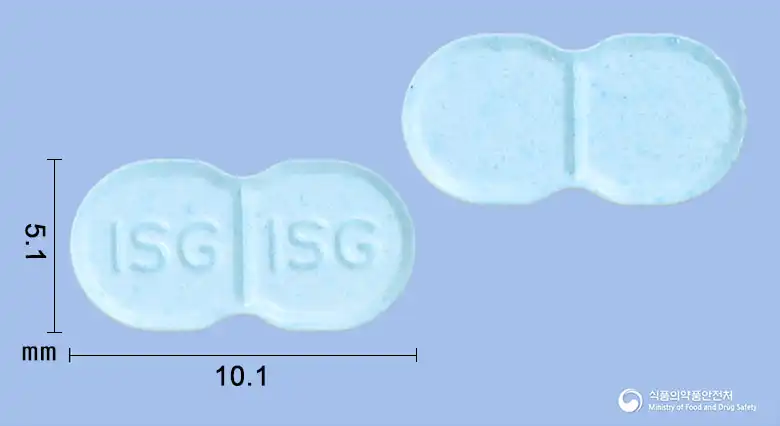
Bluish rectangular tablet
30 tablets/bottle, 500 tablets/bottle
Even with the same ingredient, strength, dosage form and how it is taken can differ.
Viewing nowGlimepiride 4mg
Tablet · Prescription medication
Ilsung IS Co., Ltd.
Glimepiride 1mg
Tablet · Prescription medication
Handok Co., Ltd.
Glimepiride 2mg
Tablet · Prescription medication
Handok Co., Ltd.
Glimepiride 4mg
Tablet · Prescription medication
(Hanmi Pharmaceutical Co., Ltd.)
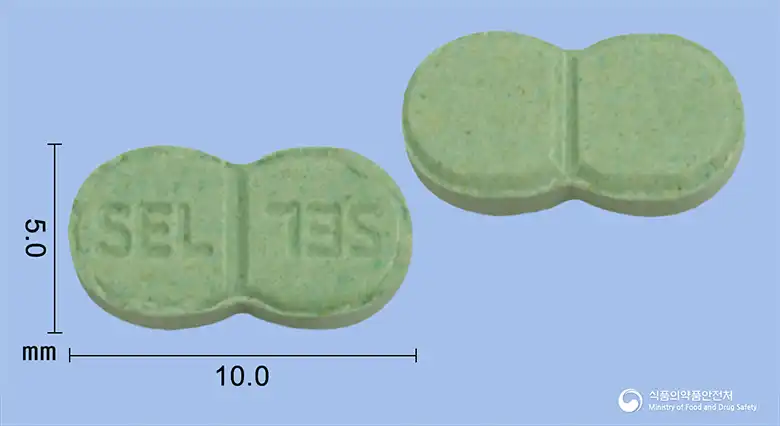
Glimepiride 2mg
Tablet · Prescription medication
Seoul Pharmaceutical Co., Ltd.
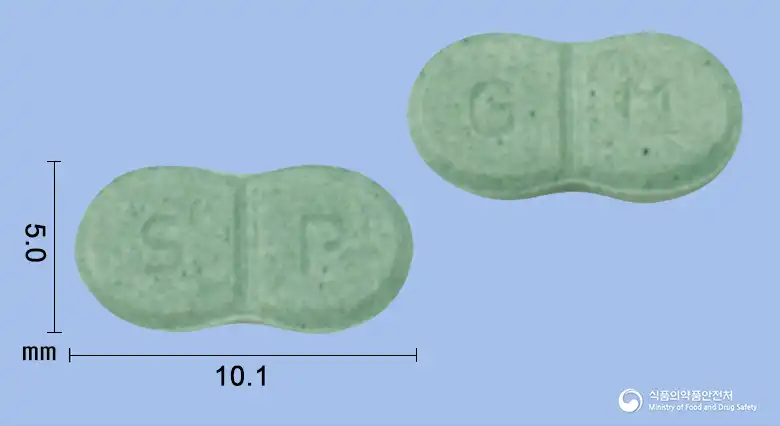
Glimepiride 2mg
Tablet · Prescription medication
Shinpoong Pharmaceutical Co., Ltd.
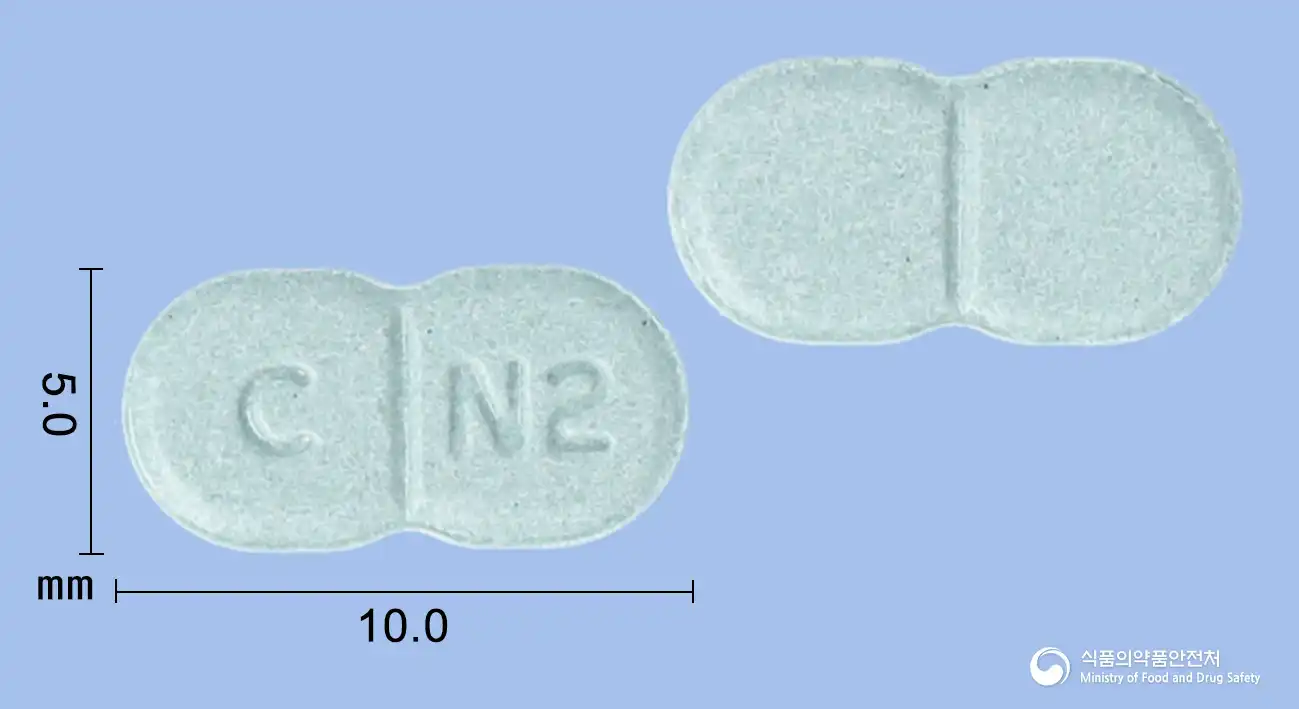
Glimepiride 2mg
Tablet · Prescription medication
Jongkundang Co., Ltd.
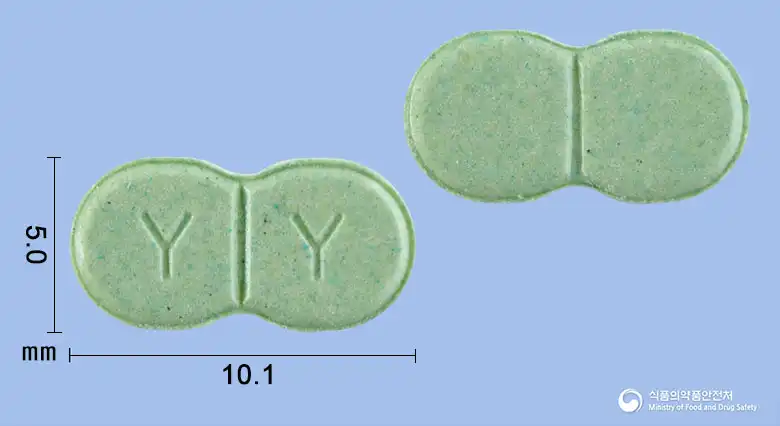
Glimepiride 2mg
Tablet · Prescription medication
IYun Pharmaceuticals Co., Ltd.
Even with the same ingredient, the dose and directions can differ by strength and dosage form. Talk to a doctor or pharmacist before switching from a medication you are already taking.
No questions yet.
For anything that needs medical judgment, consult a doctor or pharmacist.
This drug information is based on data provided by the Korea Ministry of Food and Drug Safety.
Consult a doctor or pharmacist for accurate dosage, administration, and usage instructions.