
 한국어
 English
 日本語
 中文(简体)
Dosage form image
Viewing nowCactera Capsule (Acebrophylline)
Acebrophylline 100mg
Prescription medication
The U Pharmaceutical Co., Ltd.
MFDS item code 202000166 · Approved 2020.01.10
This product's status changed to Expired on 2025.01.10. It may no longer be sold, so consult a doctor or pharmacist before taking it.
Treatment of acute and chronic respiratory diseases (e.g., bronchitis, bronchial asthma, and sinusitis)
This medication is used for acute and chronic respiratory diseases caused by airway obstruction and mucus secretion disorders. This includes acute and chronic bronchitis, bronchial asthma, sinusitis, and dry rhinitis. These conditions can cause difficulty in breathing due to abnormal mucus secretion and inflammation in the airway. This medication helps alleviate symptoms and improve respiratory health.
Adults: Administer 100 mg of acebrophylline orally twice daily.
This medication should not be used in certain patients. Patients who are allergic to this medication, its ingredients, or other xanthine-derived medications should not take it. People who are allergic to the ingredient ambroxol should also avoid using this medication. Patients with acute myocardial infarction, i.e., those with sudden cardiac issues, and those with low blood pressure should avoid taking it. It is preferable not to use this medication if there is severe liver or kidney impairment. Additionally, this medication contains lactose and should not be administered to individuals with a genetic problem digesting lactose. Caution is advised when using this medication in some patients. Patients with a history of heart disease, obesity, epilepsy, stomach ulcers or those with hyperthyroidism should be administered this medication carefully. Elderly patients, children, patients with hypertension, patients with chronic lung disease, as well as those with weakened liver or kidney function also require caution. Women who are pregnant or may become pregnant should be cautious when using this medication. This medication contains certain dyes, and individuals allergic to these dyes should use it carefully. During use, temporary symptoms such as nausea or dizziness may occur, which will resolve after discontinuing the medication. Gastrointestinal disturbances such as abdominal discomfort, abdominal pain, diarrhea, and vomiting may occur rarely. If allergy symptoms like rash, itching, facial swelling, or breathing difficulties occur, immediate discontinuation of the medication is necessary. Respiratory issues, headache, insomnia, and irregular heartbeat are also reported rarely. This medication can become toxic if the blood concentration becomes excessively high, so caution is especially needed for the elderly, those with diminished liver or kidney function, and individuals with alcohol dependence. When taken along with other medications, there may be interactions, so caution is required. In particular, co-administration with some antibiotics, diuretics, and anticoagulants may increase the concentration of this medication or enhance side effects. Furthermore, when used with central nervous system stimulants or other xanthine-derived medications, excessive central nervous system stimulation may occur, so they are not recommended to be used together. It is advisable to avoid using this medication during the early and late stages of pregnancy, and it is safe to refrain from taking it while breastfeeding. Elderly patients or children should have their dosage adjusted or be administered this medication carefully. In case of overdose, severe seizures or heart irregularities may occur, so immediate notification to medical personnel is necessary. Treatment should be initiated appropriately and resumed at a lower dose after symptoms subside. This medication should be kept out of the reach of children and should not be transferred to other containers for safety.
Not everyone experiences these, and they can vary from person to person.
This medication may be sensitive to air or moisture; therefore, it must be stored in a tightly sealed container. Additionally, it should be stored at room temperature, ideally between 1 degree and 30 degrees Celsius. Proper storage maintains the effectiveness of the medication and ensures it can be used safely.
A capsule with the upper part in gray and the lower part in white, containing white to whitish powder.
30 capsules/bottle, 300 capsules/bottle
Even with the same ingredient, strength, dosage form and how it is taken can differ.
Acebrophylline 100mg
Prescription medication
The U Pharmaceutical Co., Ltd.
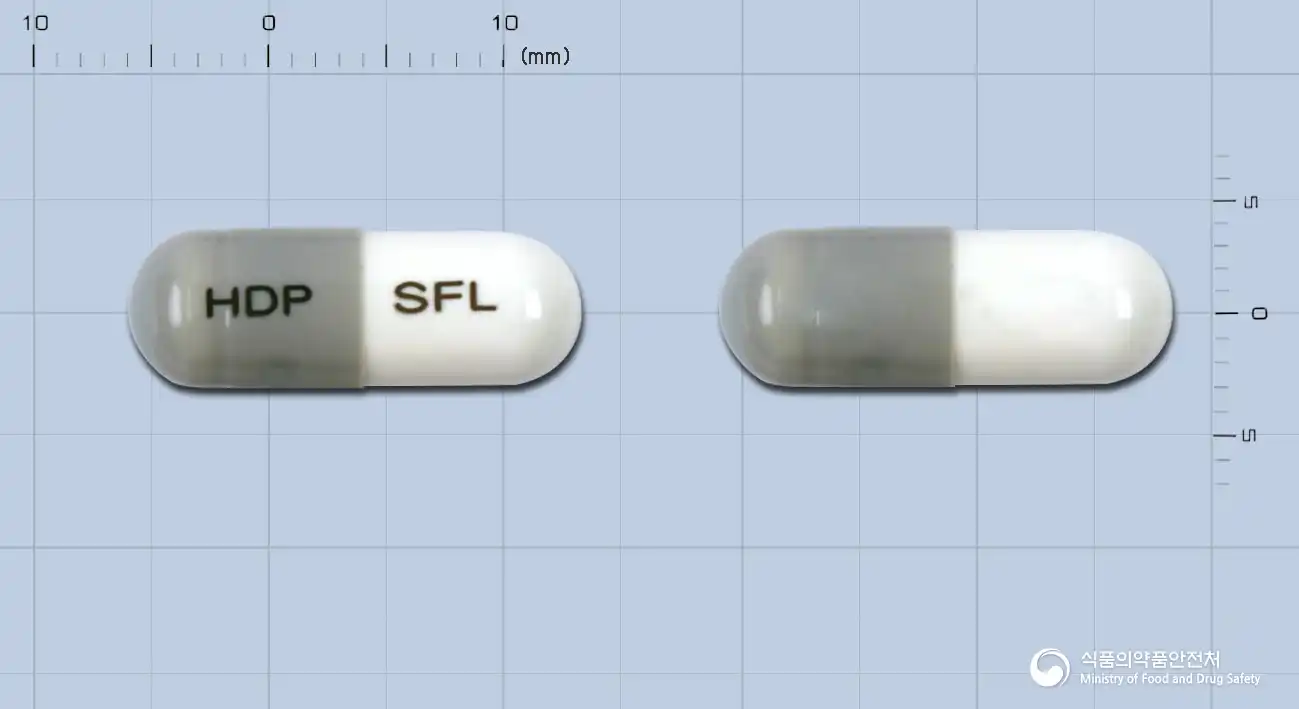
Acebrophylline 100mg
Hard capsule · Prescription medication
HyunDae Pharmaceutical Co., Ltd.
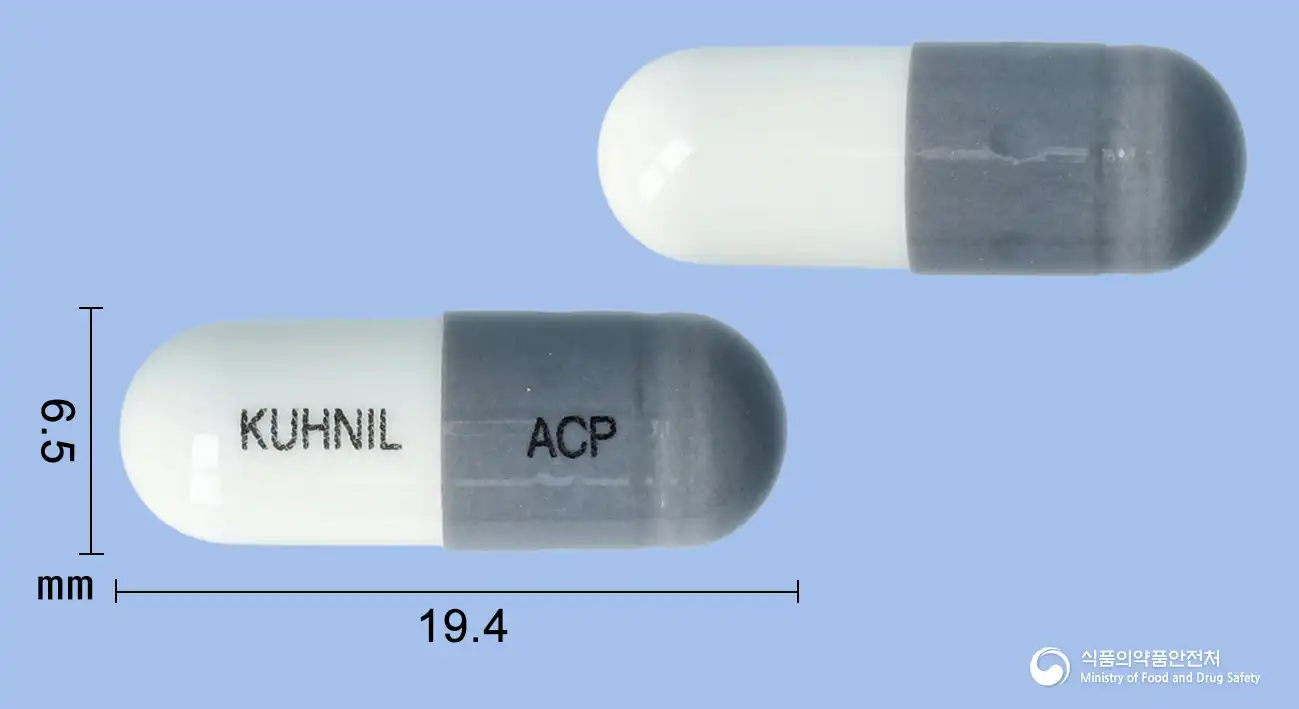
Acebrophylline 100mg
Hard capsule · Prescription medication
Gunil Pharmaceutical Co., Ltd.
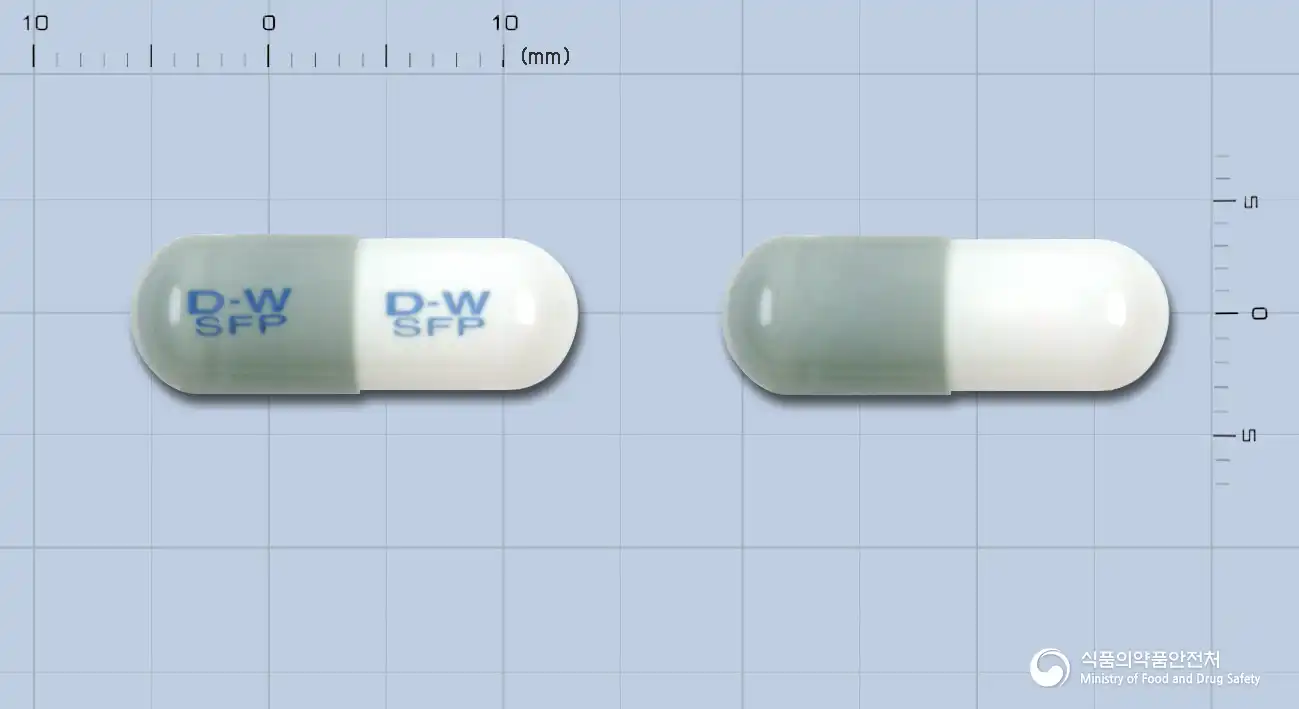
Acebrophylline 100mg
Hard capsule · Prescription medication
Donghwa Pharmaceutical Co., Ltd.
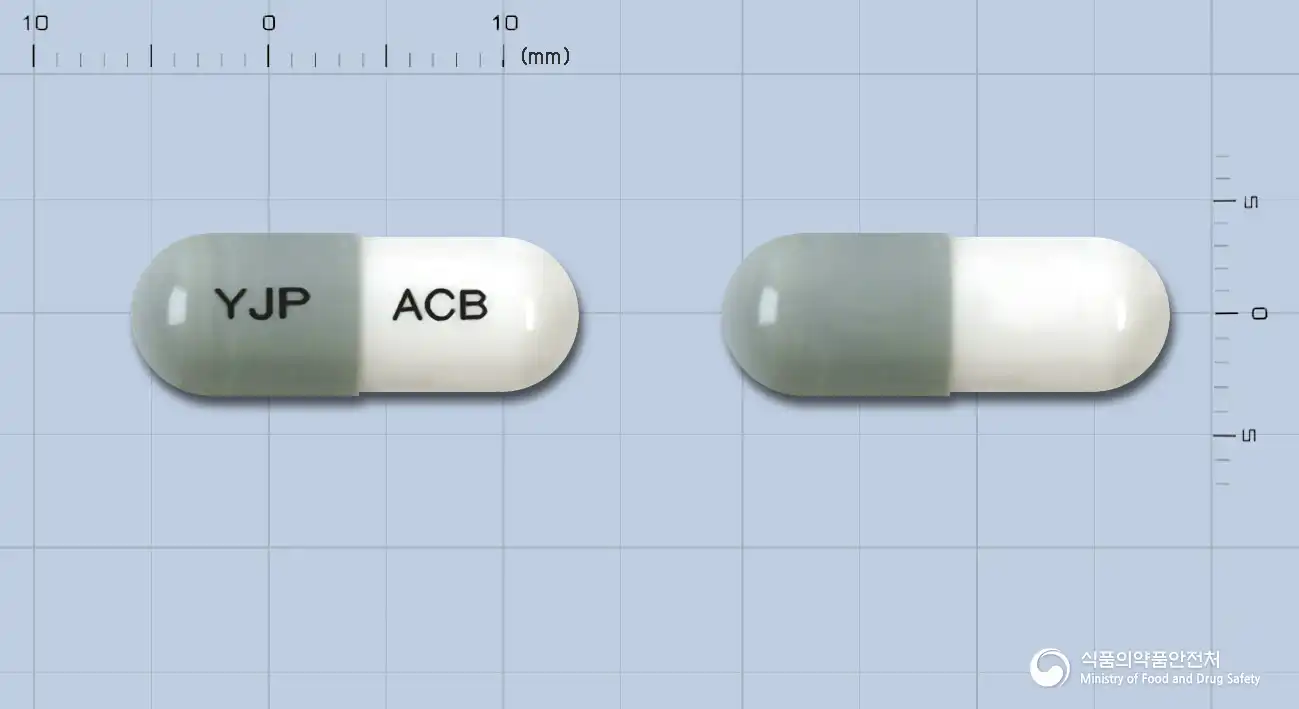
Acebrophylline 100mg
Hard capsule · Prescription medication
Youngjin Pharmaceutical Co., Ltd.
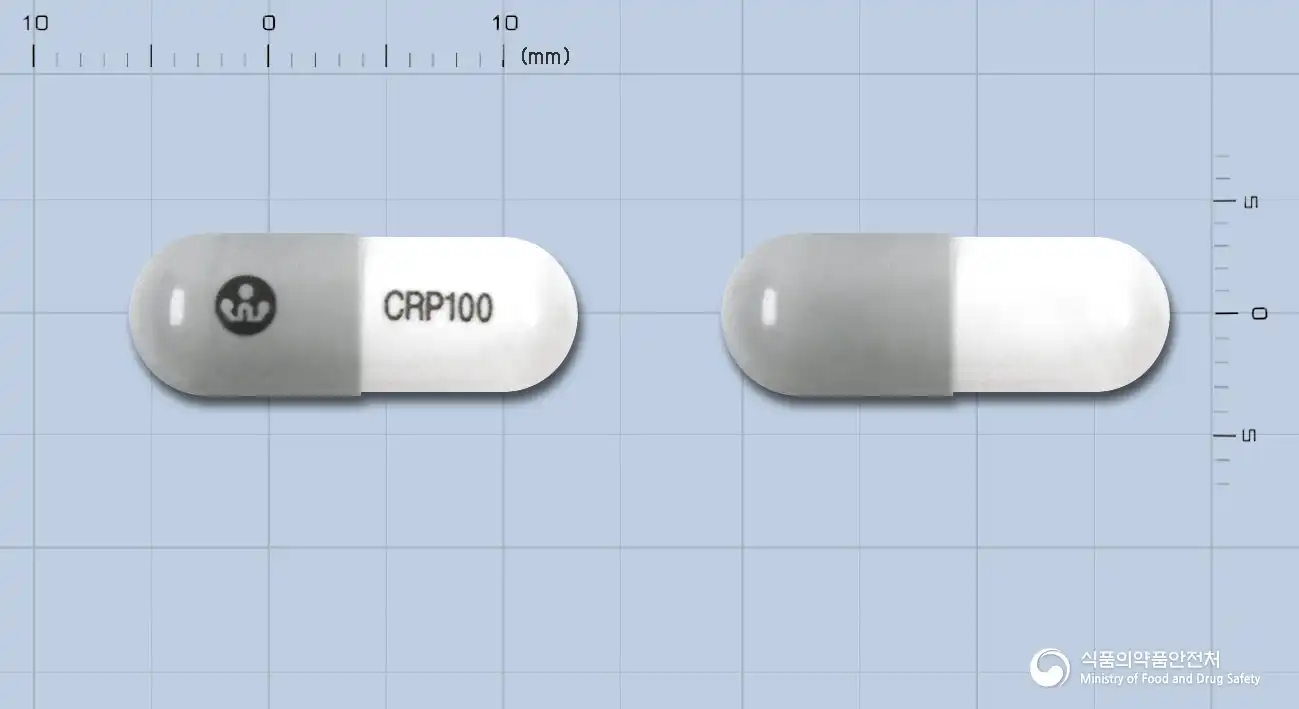
Acebrophylline 100mg
Hard capsule · Prescription medication
Hanin Pharmaceutical Co., Ltd.
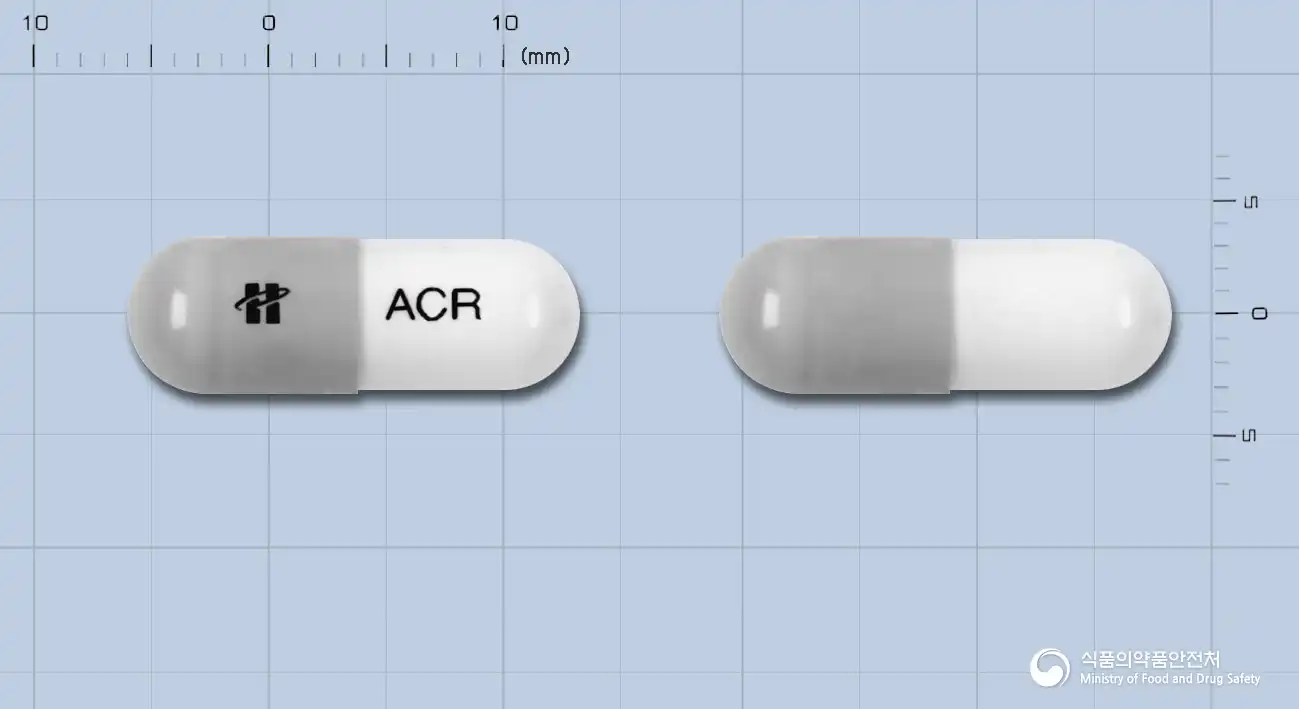
Acebrophylline 100mg
Hard capsule · Prescription medication
(Ltd.) Huons
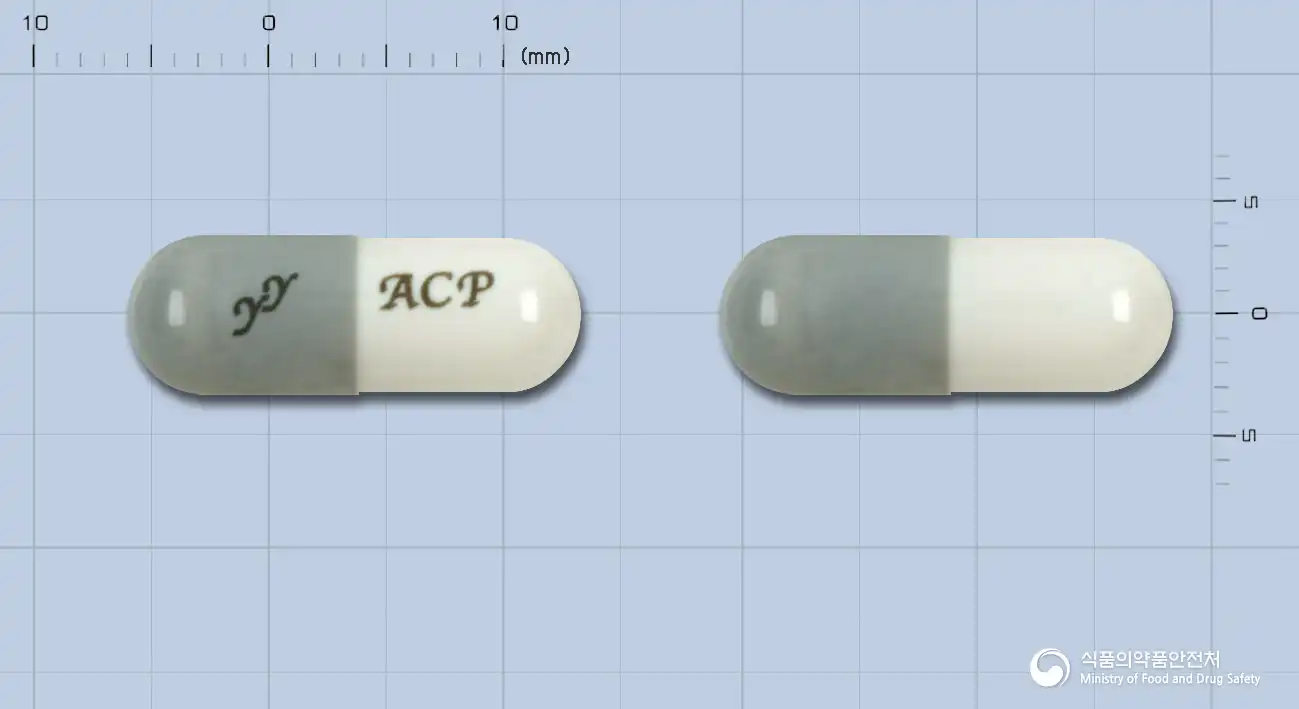
Acebrophylline 100mg
Hard capsule · Prescription medication
(Ltd.) Yuyoung Pharmaceutical
Even with the same ingredient, the dose and directions can differ by strength and dosage form. Talk to a doctor or pharmacist before switching from a medication you are already taking.
No questions yet.
For anything that needs medical judgment, consult a doctor or pharmacist.
This drug information is based on data provided by the Korea Ministry of Food and Drug Safety.
Consult a doctor or pharmacist for accurate dosage, administration, and usage instructions.