
 한국어
한국어 English
 日本語
日本語 中文(简体)
Dosage form image
Viewing nowIbandronate Sodium Injection (Ibandronic Acid Sodium Hydrate)
Ibandronate Sodium Monohydrate 3.375mg
Injections · Prescription medication
You & Life Sciences Co., Ltd.
MFDS item code 202000144 · Notified 2020.01.09
This product's status changed to Expired on 2025.01.09. It may no longer be sold, so consult a doctor or pharmacist before taking it.
Improvement of postmenopausal osteoporosis
Used for the treatment of osteoporosis occurring in postmenopausal women.
3 mg is administered by intravenous injection every 3 months for 15 - 30 seconds.
This medication must be administered by intravenous injection, and caution should be exercised since injecting into arteries or around veins may cause tissue damage. Do not use this medication in patients with allergies to this drug or its components, or in patients with untreated hypocalcemia. During treatment, various adverse reactions such as gastritis, diarrhea, abdominal pain, dyspepsia, nausea, constipation, myalgia, arthralgia, headache, rash, etc. may occur, but most are mild or moderate and do not necessitate discontinuation of treatment. At the initial intravenous injection, influenza-like symptoms such as arthralgia, myalgia, fever, chills, and fatigue may temporarily occur, but usually resolve naturally within a short period. Calcium levels may temporarily decrease during treatment with this medication, so it must be administered after treatment in cases of hypocalcemia or bone and mineral metabolic disorders, and adequate intake of calcium and vitamin D is necessary. Patients undergoing dental treatment or cancer patients may be at risk of osteonecrosis of the jaw, so thorough examination of the oral condition is advisable prior to administration, and excessive dental procedures should be avoided during treatment. This drug may rarely cause osteonecrosis of the bones around the ears, so caution is warranted in patients with chronic ear infections or pain. Severe bone, joint, or muscle pain may occur during osteoporosis treatment, and if such symptoms appear, consultation with medical personnel should be sought immediately. Additionally, atypical fractures of the femur may occur, so if persistent dull pain in the thigh or groin appears, an evaluation by a specialist should be conducted. When administering this drug, immediate treatment and monitoring must be possible to prepare for anaphylaxis or severe allergic reaction. Safety in pregnant or nursing women has not been established, so its use is not recommended. No dose adjustment is necessary for the elderly, but the safety and efficacy in children under 18 years of age have not been confirmed. In the event of overdose, renal and liver functions should be closely monitored, and appropriate treatment should be administered if electrolyte imbalances such as hypocalcemia occur. This drug should not be mixed with calcium-containing solutions or other intravenous medications, and must be diluted with normal saline or 5% dextrose solution before use. After use, do not reuse the syringe and needle, and dispose of them safely.
Not everyone experiences these, and they can vary from person to person.
This medication should be stored in a sealed container to prevent contact with air, and it is recommended to store it at room temperature between 1 and 30 degrees Celsius. This storage condition helps maintain the drug's effectiveness and prevents deterioration.
An injection in a colorless and transparent solution contained in a colorless and transparent glass prefilled syringe with a single-use needle attached.
3ml x 1 vial
Even with the same ingredient, strength, dosage form and how it is taken can differ.
Ibandronate Sodium Monohydrate 3.375mg
Injections · Prescription medication
You & Life Sciences Co., Ltd.
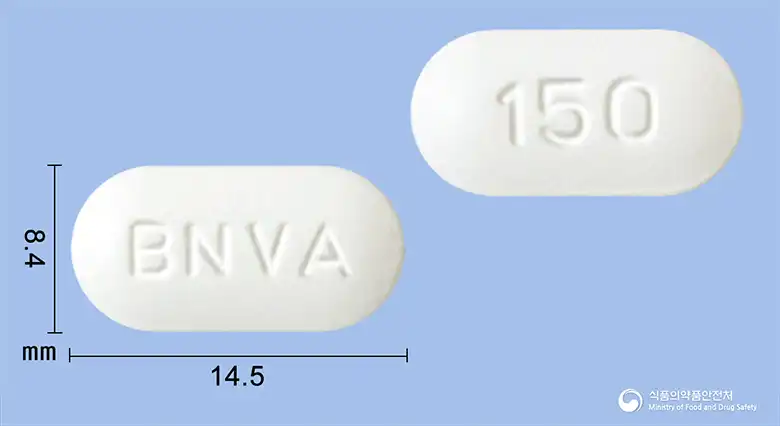
Ibandronate Sodium Monohydrate 168.75mg
Tablet · Prescription medication
Jeil Pharmaceutical Co., Ltd.
Ibandronate Sodium Monohydrate 3.375mg
Solution · Prescription medication
Jeil Pharmaceutical Co., Ltd.
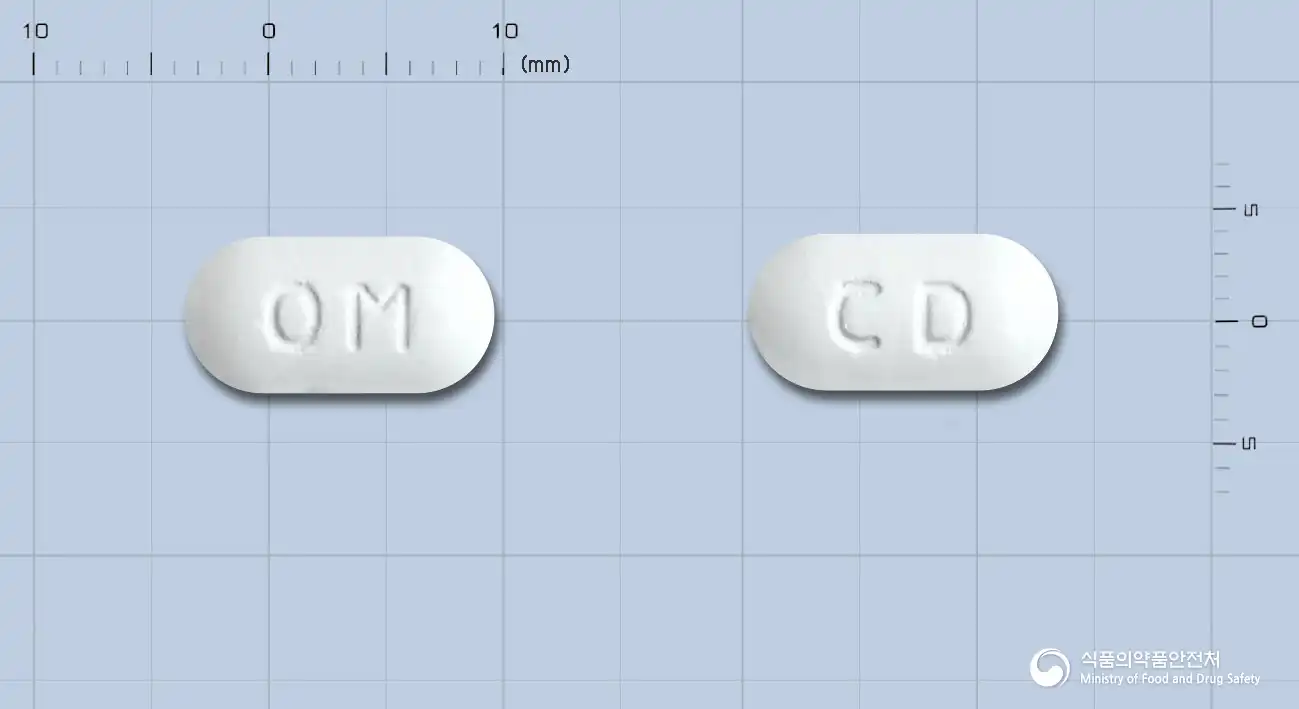
Ibandronate Sodium Monohydrate 168.75mg
Tablet · Prescription medication
Chodang Pharmaceutical Co., Ltd.
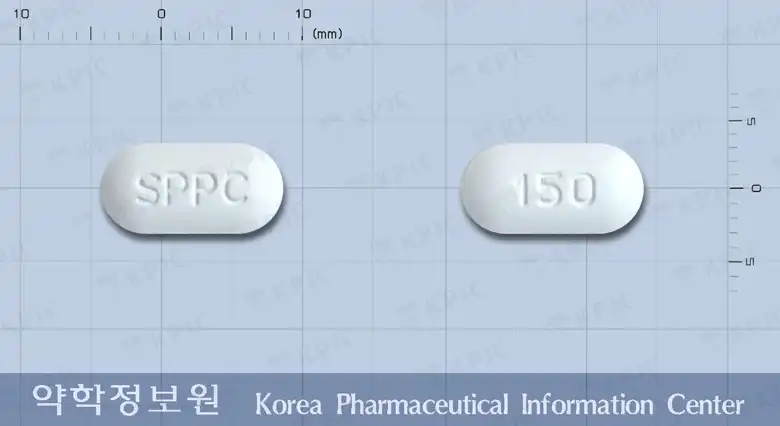
Ibandronate Sodium Monohydrate 168.75mg
Tablet · Prescription medication
Shinpoong Pharmaceutical Co., Ltd.
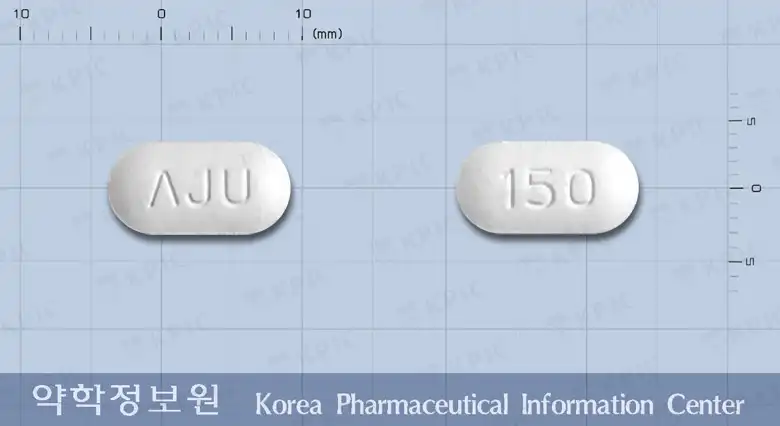
Ibandronate Sodium Monohydrate 168.75mg
Tablet · Prescription medication
Ajou Pharmaceutical Co., Ltd.
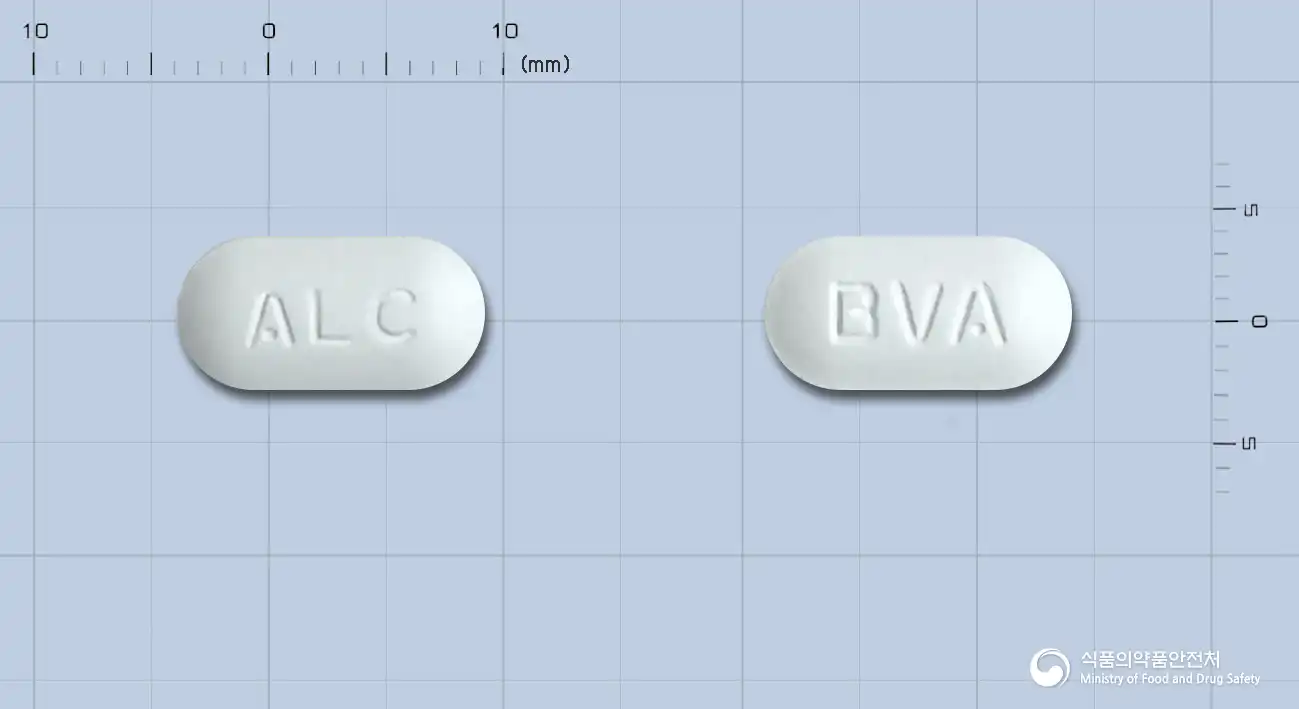
Ibandronate Sodium Monohydrate 168.75mg
Tablet · Prescription medication
Aliko Pharmaceutical Co., Ltd.
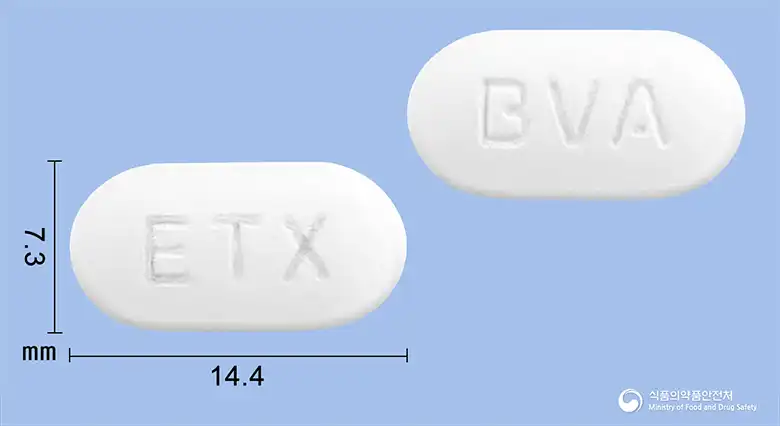
Ibandronate Sodium Monohydrate 168.75mg
Tablet · Prescription medication
Teragen Etex Co., Ltd.
Even with the same ingredient, the dose and directions can differ by strength and dosage form. Talk to a doctor or pharmacist before switching from a medication you are already taking.
No questions yet.
For anything that needs medical judgment, consult a doctor or pharmacist.
This drug information is based on data provided by the Korea Ministry of Food and Drug Safety.
Consult a doctor or pharmacist for accurate dosage, administration, and usage instructions.