
 한국어
한국어 English
 日本語
日本語 中文(简体)
 Viewing now
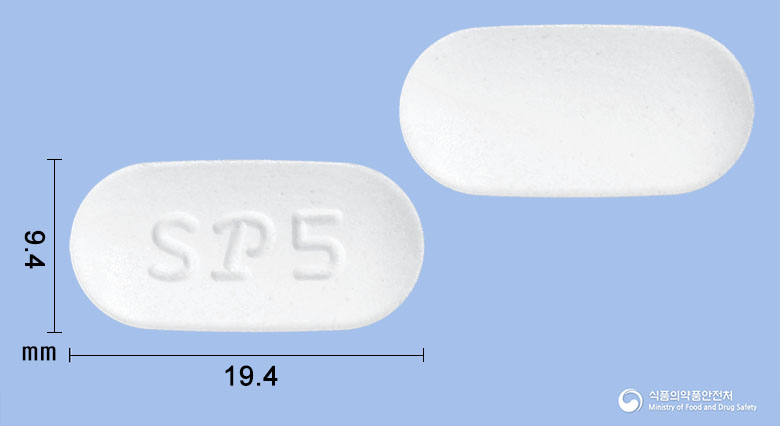
Dibis XR Tablet 500 Milligrams
Metformin Hydrochloride 500mg
Tablet · Prescription medication
Shinpoong Pharmaceutical Co., Ltd.
MFDS item code 202000084 · Approved 2020.01.06 · Insurance code 648508000
Treatment of type 2 diabetes through blood sugar control and weight improvement
This drug is used for the treatment of adult patients with type 2 diabetes who find it difficult to control blood sugar levels with diet and exercise alone, particularly for those who are overweight. It may be used alone or, if necessary, in combination with other oral hypoglycemics or insulin to help effectively control blood sugar levels. This contributes to stabilizing blood sugar levels and aids in diabetes management.
The typical initial dose is 500 mg of metformin extended-release tablet taken once daily with the evening meal. After one week, monitor blood sugar levels and adjust the dosage accordingly. The maximum dose is 2000 mg per day, and when increasing the dose, it should be done in increments of 500 mg weekly. It may be taken once daily with the evening meal, up to a maximum of 2000 mg. If blood sugar control is still difficult at the maximum of 2000 mg per day, consider 1000 mg taken twice daily.
This drug can rarely cause a serious side effect known as lactic acidosis, so if symptoms occur, notify medical personnel immediately. When used in conjunction with other diabetes medications, there is a risk of hypoglycemia, so caution is warranted. Patients with moderate or severe renal impairment or acute illness should not use this drug. Administration should be temporarily halted before and after surgeries, during severe infections, or in cases of dehydration, and should be resumed only after renal function has recovered. Women who are pregnant or breastfeeding should make careful judgments regarding the use of this drug and consult with their doctor if necessary. During the course of treatment with this drug, regular checks of renal function and blood sugar levels should be performed to detect any abnormalities. Alcohol consumption may increase the risk of side effects from this drug, so it is advisable to avoid drinking during treatment. This drug may cause side effects such as gastrointestinal disturbances, altered taste, and vitamin B12 deficiency; thus, patients should inform their doctor if symptoms persist. This drug may interact with other medications, so it is essential to inform the medical personnel of any other medications being taken. Elderly patients may have reduced renal function, necessitating dosage adjustments and regular monitoring. This drug should be swallowed whole without chewing or crushing, and passing the tablet shell in the stool is normal.
Lactic acidosis (muscle pain, difficulty breathing, weakness, abdominal pain, low body temperature, low blood pressure, resistant bradyarrhythmia), severe allergic reactions (hives, significant swelling), severe skin reactions (severe rash, blisters, skin peeling, mucosal pain)
Not everyone experiences these, and they can vary from person to person.
This drug should be stored in a tightly sealed container to protect it from air and moisture. It is best to maintain the storage temperature between 1 and 30 degrees Celsius.
White, bilaterally convex, rectangular extended-release tablet
30 tablets/bottle, 300 tablets/bottle
Even with the same ingredient, strength, dosage form and how it is taken can differ.
Viewing nowMetformin Hydrochloride 500mg
Tablet · Prescription medication
Shinpoong Pharmaceutical Co., Ltd.
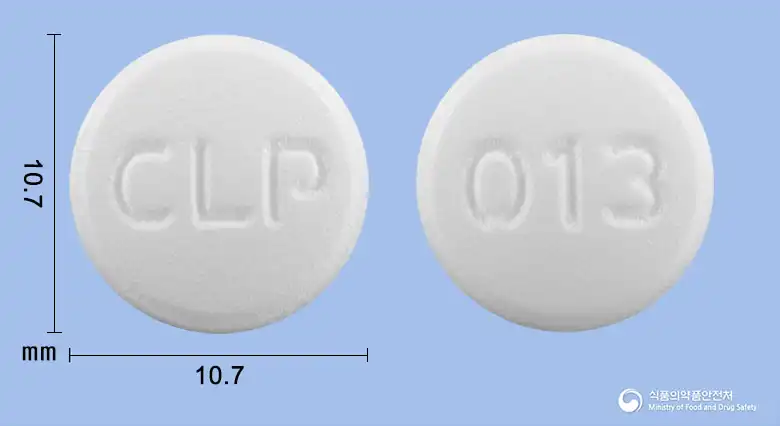
Metformin Hydrochloride 500mg
Tablet · Prescription medication
(Celltrion Pharmaceuticals)
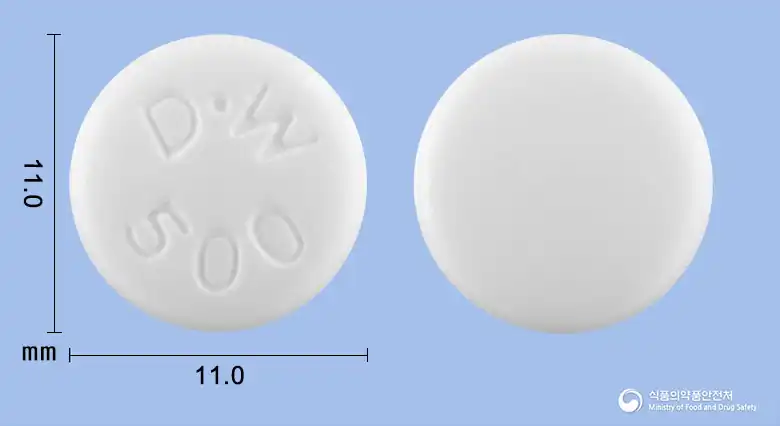
Metformin Hydrochloride 500mg
Tablet · Prescription medication
(Daewoong Pharmaceutical)
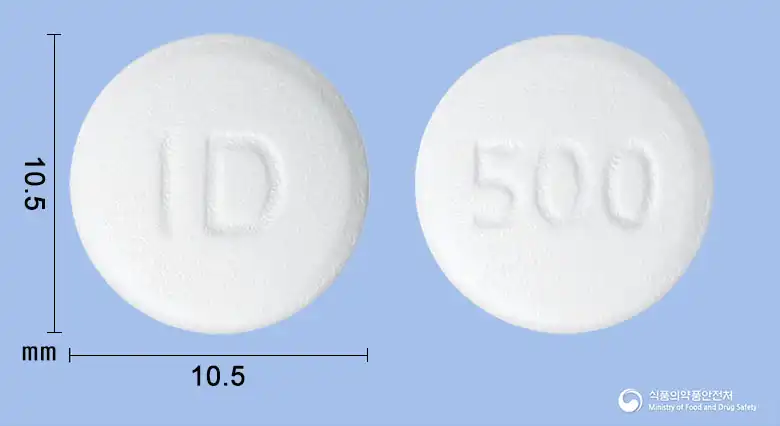
Metformin Hydrochloride 500mg
Tablet · Prescription medication
(Ildong Pharmaceutical Co., Ltd.)
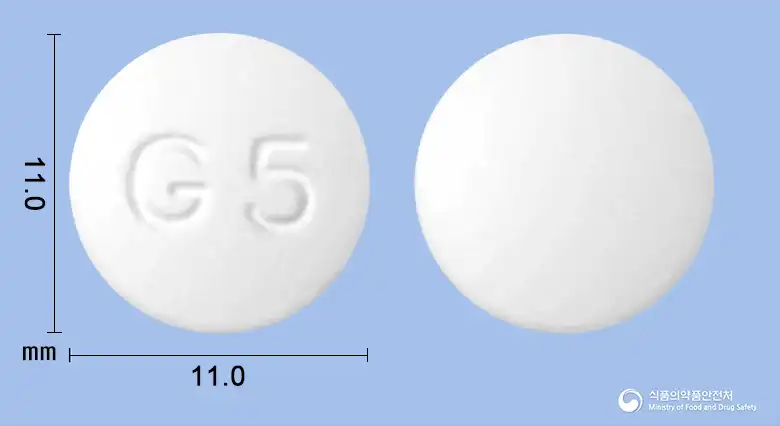
Metformin Hydrochloride 500mg
Tablet · Prescription medication
(Ilseong IS Co., Ltd.)
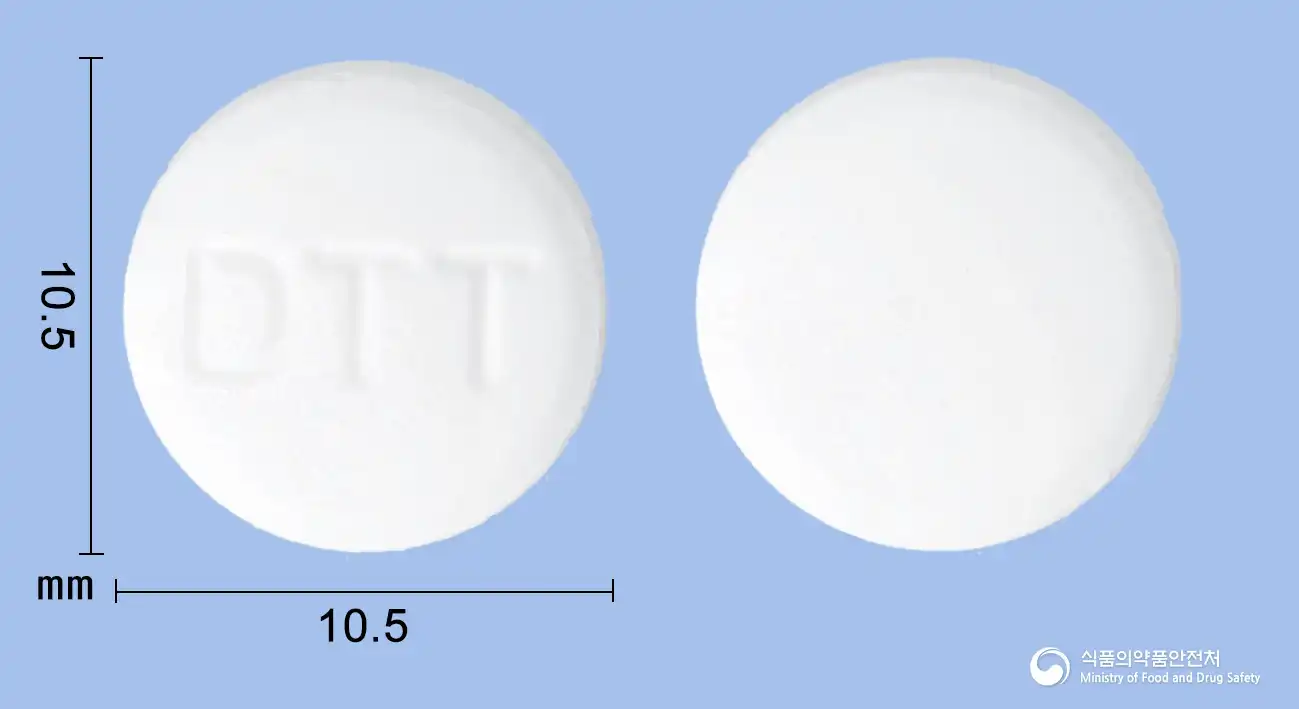
Metformin Hydrochloride 500mg
Tablet · Prescription medication
(Kyungdong Pharmaceutical Co., Ltd.)
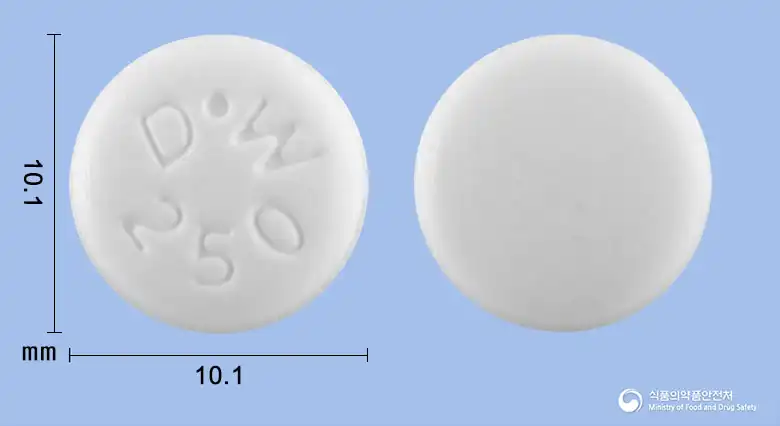
Metformin Hydrochloride 250mg
Tablet · Prescription medication
(Daewoong Pharmaceutical)
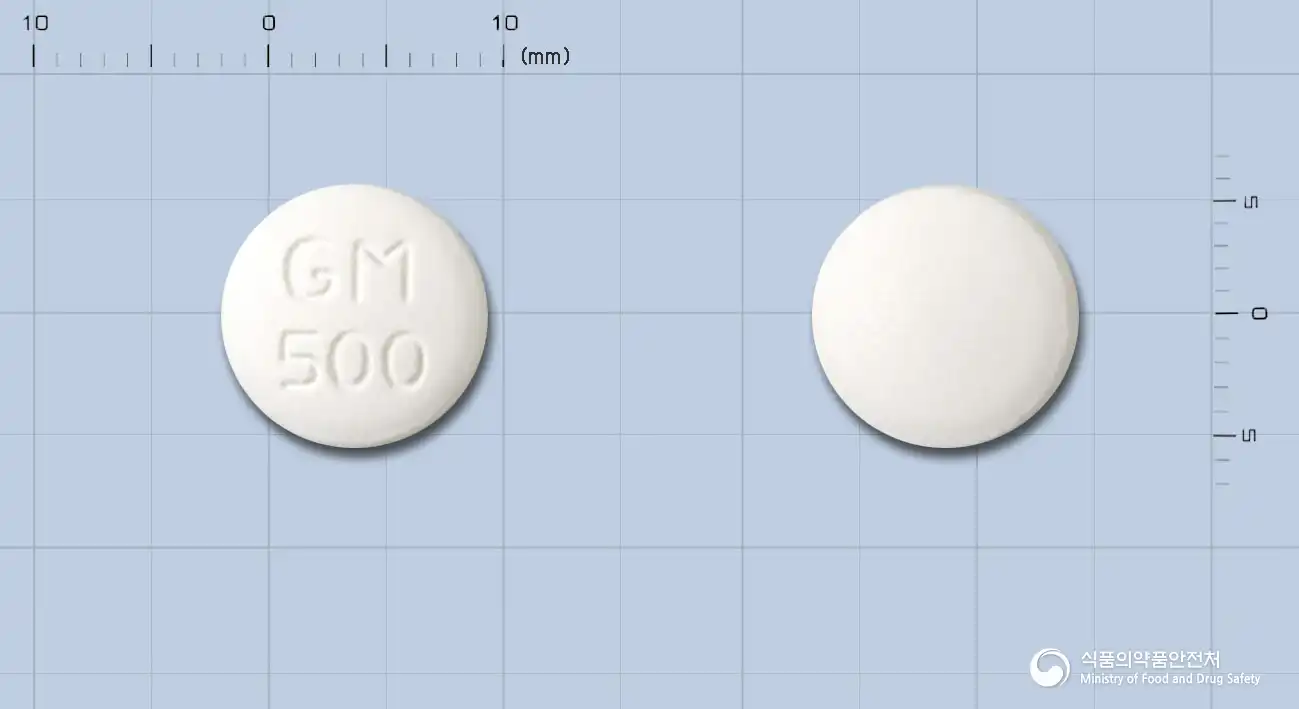
Metformin Hydrochloride 500mg
Tablet · Prescription medication
(Youngpoong Pharmaceutical Co., Ltd.)
Even with the same ingredient, the dose and directions can differ by strength and dosage form. Talk to a doctor or pharmacist before switching from a medication you are already taking.
No questions yet.
For anything that needs medical judgment, consult a doctor or pharmacist.
This drug information is based on data provided by the Korea Ministry of Food and Drug Safety.
Consult a doctor or pharmacist for accurate dosage, administration, and usage instructions.