
 한국어
 English
 日本語
 中文(简体)
 Viewing now
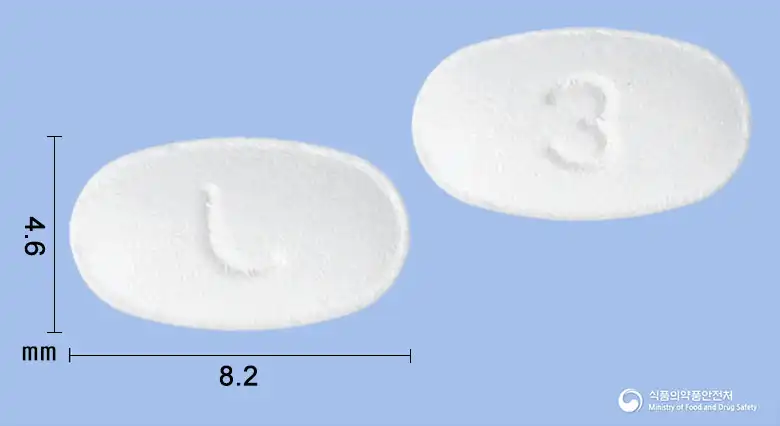
Mega Cetirizine Tablet (Levocetirizine Hydrochloride)
Levocetirizine Hydrochloride 5mg
Tablet · Prescription medication
L&C Bio Co., Ltd.
MFDS item code 202000057 · Notified 2020.01.03 · Insurance code 060500500
Relief of itching associated with allergic rhinitis, chronic idiopathic urticaria, dermatitis, and eczema
This medicine helps relieve symptoms such as nasal congestion, sneezing, and runny nose caused by seasonal and perennial allergic rhinitis. It also reduces skin rashes and itching caused by chronic idiopathic urticaria. It is effectively used in combination with hydrocortisone topical preparation to relieve itching due to dermatitis and eczema. In other words, it is used to improve uncomfortable symptoms of allergies and skin diseases.
Adults: Take 1 tablet (equivalent to 5 mg of levocetirizine hydrochloride) orally once daily, regardless of meals. The dose may be adjusted as appropriate according to age and symptoms. For patients with renal impairment, adjust the dose according to renal function (creatinine clearance [CLCR (mL/min)]). Mild: 50 ≤ CLCR < 80: 1 tablet once daily Moderate: 30 ≤ CLCR < 50: 1 tablet every 2 days Severe: 10 ≤ CLCR < 30: 1 tablet every 3 days
Children aged 6 years and older: Take 1 tablet (equivalent to 5 mg of levocetirizine hydrochloride) orally once daily, regardless of meals. The dose may be adjusted as appropriate according to age and symptoms.
This medicine should not be used by individuals with allergies to certain components or those hypersensitive to hydroxyzine or piperazine derivatives. It should also not be administered to patients with severely impaired kidney function or those undergoing hemodialysis. It is safer for pregnant or potentially pregnant women and nursing mothers to avoid this medication. It should not be used in infants under 1 year of age, and liquid forms should be given to children under 6 years rather than tablets. Patients with lactose intolerance or genetic lactose enzyme deficiency should avoid taking this medicine due to its lactose content. Patients with weak kidney or liver function, as well as the elderly, should use it cautiously as the drug can remain in the body for a longer time. Taking this medicine can cause side effects such as drowsiness, headache, and dizziness, so caution should be exercised when driving or operating machinery. Taking it with alcohol or central nervous system depressants can increase drowsiness, so it is advised not to take them together. Patients at risk of urinary retention should consult a doctor before administration. This medicine should not be taken with other antihistamines while consuming excessive alcohol, and there may be interactions with some medications, so it is important to inform about other medications being taken. Pregnant and nursing individuals should avoid this medication, particularly during breastfeeding due to the possibility of excretion into breast milk. The dosage for children under 12 years should be carefully adjusted, and it is not to be used in infants under 1 year of age. Elderly patients may experience increased drug concentration due to decreased kidney function, so it is necessary to start with a lower dose and monitor their condition. It is recommended to discontinue this medication before allergy testing as it may affect the results. In cases of overdose, symptoms such as drowsiness or agitation may occur, and there are no specific antidotes, hence appropriate treatment according to the symptoms should be administered. This medicine cannot be effectively removed through hemodialysis.
Not everyone experiences these, and they can vary from person to person.
This medicine is sensitive to light and should be stored in a container that protects it from light. Additionally, it is best stored at room temperature, between 1 and 30 degrees Celsius. Storing it this way will help maintain the drug's effectiveness.
White or yellowish oval film-coated tablet
30 tablets/bottle, 300 tablets/bottle
Even with the same ingredient, strength, dosage form and how it is taken can differ.
Viewing nowLevocetirizine Hydrochloride 5mg
Tablet · Prescription medication
L&C Bio Co., Ltd.
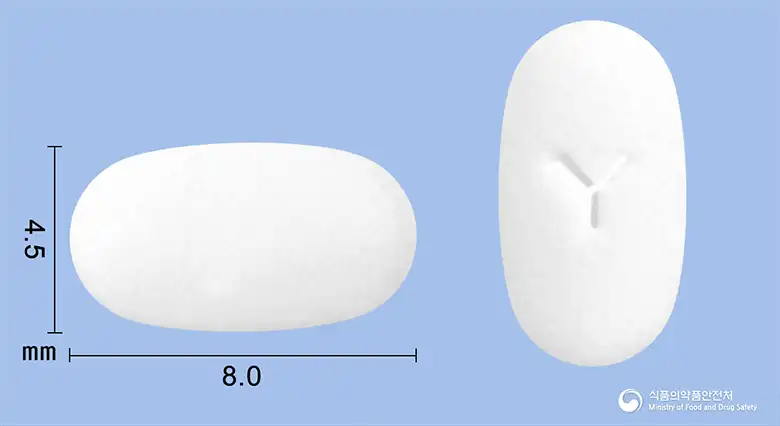
Levocetirizine Hydrochloride 5mg
Tablet · Prescription medication
HanKook UCB Pharma Co., Ltd.
Levocetirizine Hydrochloride 50mg
Solution · Prescription medication
Korea UCB Pharmaceutical Co., Ltd.
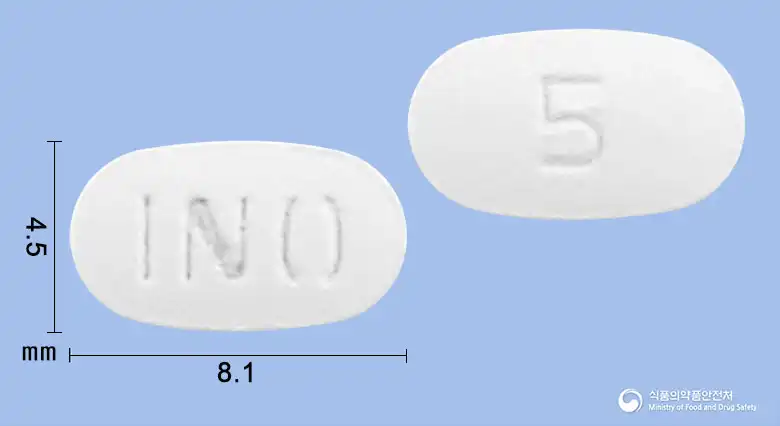
Levocetirizine Hydrochloride 5mg
Tablet · Prescription medication
HK inno.N Co., Ltd.
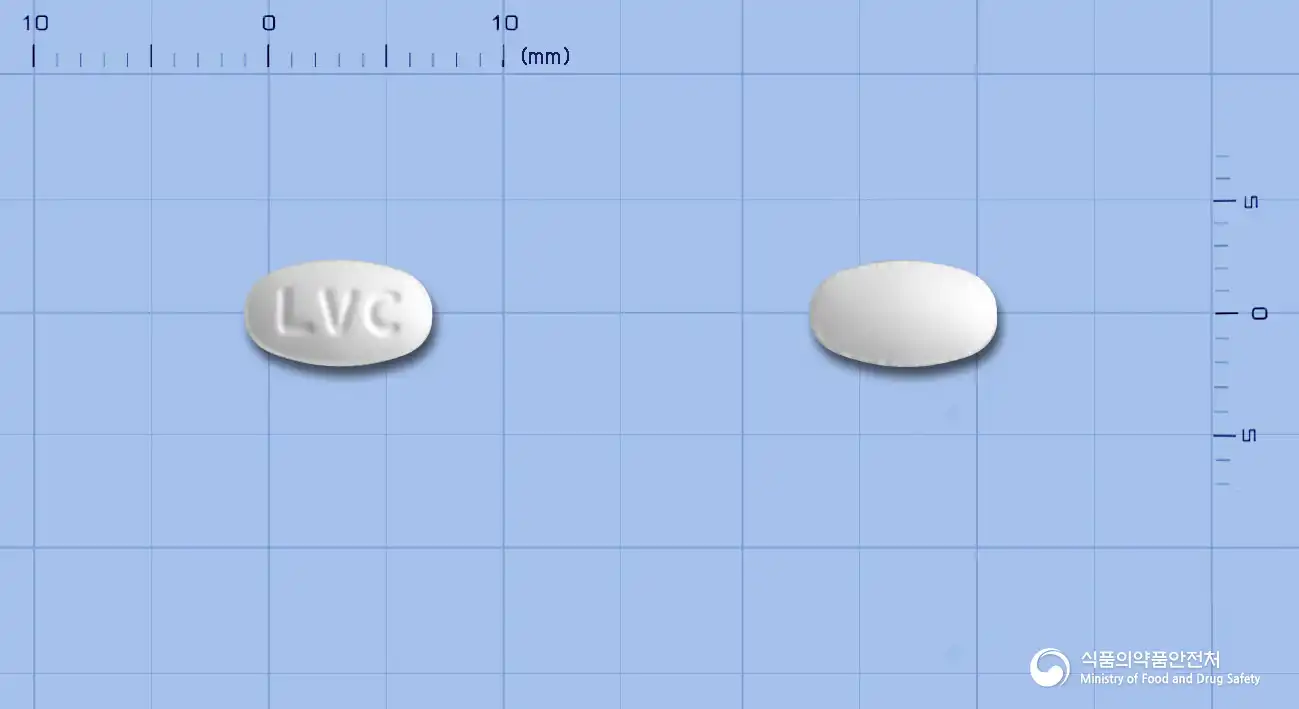
Levocetirizine Hydrochloride 5mg
Tablet · Prescription medication
Hanwha Pharmaceutical Co., Ltd.
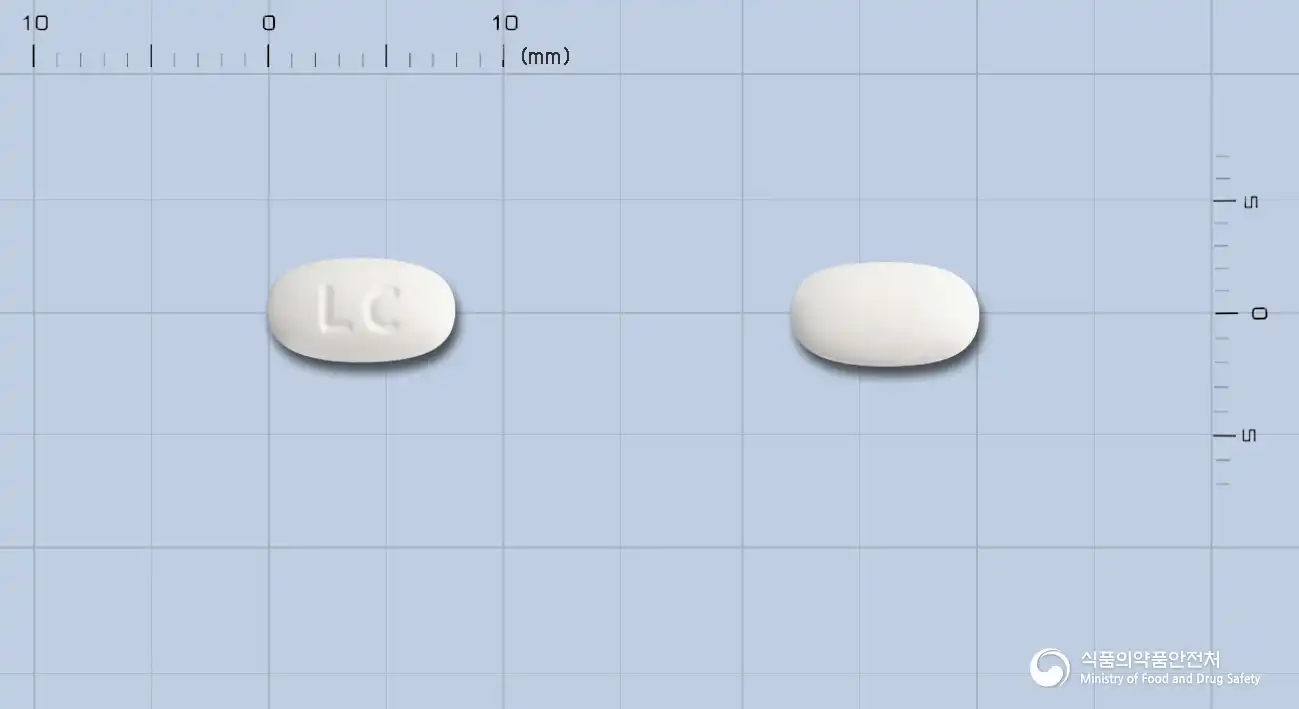
Levocetirizine Hydrochloride 5mg
Tablet · Prescription medication
Dongkwang Pharmaceutical Co., Ltd.
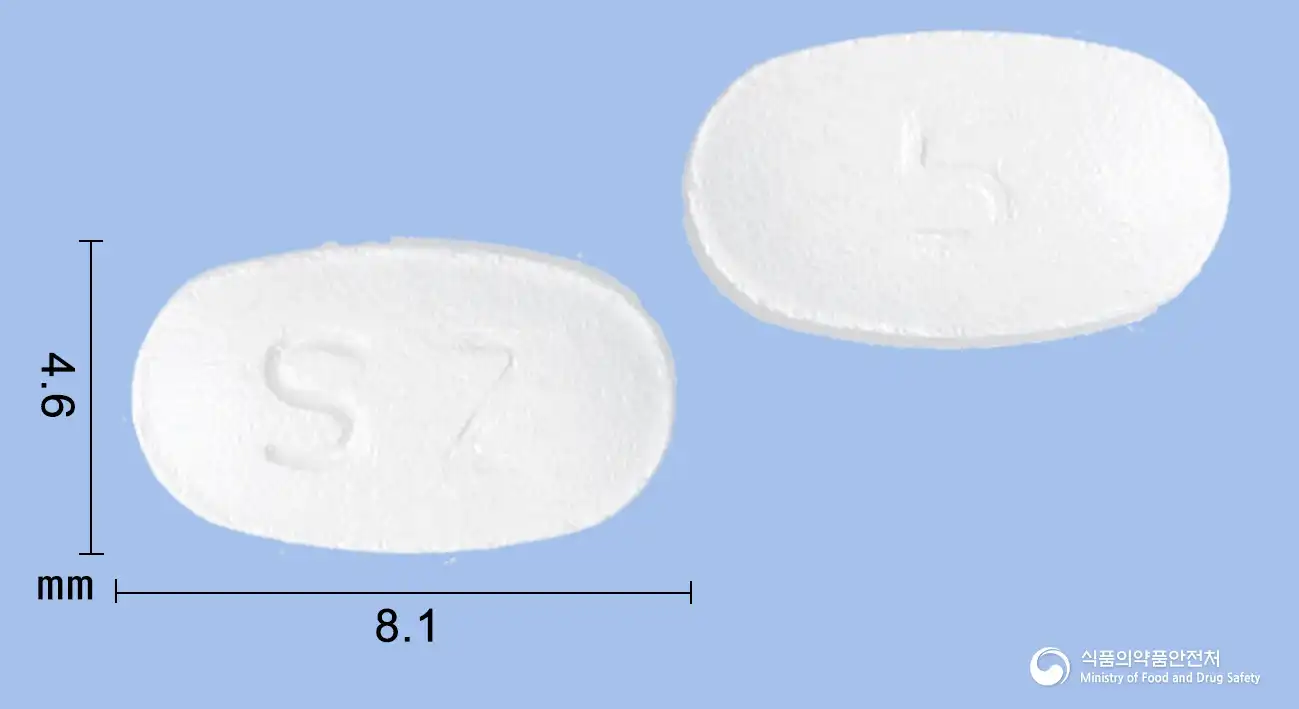
Levocetirizine Hydrochloride 5mg
Tablet · Prescription medication
Kyungdong Pharmaceutical Co., Ltd.
Levocetirizine Hydrochloride 5mg
Tablet · Prescription medication
Hanlim Pharmaceutical Co., Ltd.
Even with the same ingredient, the dose and directions can differ by strength and dosage form. Talk to a doctor or pharmacist before switching from a medication you are already taking.
No questions yet.
For anything that needs medical judgment, consult a doctor or pharmacist.
This drug information is based on data provided by the Korea Ministry of Food and Drug Safety.
Consult a doctor or pharmacist for accurate dosage, administration, and usage instructions.