
 한국어
 English
 日本語
 中文(简体)
Dosage form image
Viewing nowQupinastin Tablet 20 mg (Epinastrine Hydrochloride)
Epinastine Hydrochloride 20mg
Tablet · Prescription medication
QL Pharma Co., Ltd.
MFDS item code 201908587 · Approved 2019.12.23
This product's status changed to Expired on 2024.12.23. It may no longer be sold, so consult a doctor or pharmacist before taking it.
Treatment of allergic rhinitis, skin conditions (such as urticaria and eczema), and bronchial asthma
This medication is used for respiratory allergic diseases such as bronchial asthma and allergic rhinitis. It is also effectively used for allergy symptoms related to the skin, such as urticaria, eczema, dermatitis, itching, pruritus, and itching associated with common psoriasis. It helps relieve inflammation and itching symptoms of these diseases so that patients can have a more comfortable daily life.
Asthma, urticaria, eczema/dermatitis, itchy skin, pruritic rash (prurigo), and common psoriasis accompanied by itching Adults: Administer 20 mg of epinastine hydrochloride orally once daily. Adjust the dose as appropriate according to symptoms. Allergic rhinitis Adults: Administer 10~20 mg of this medication orally once daily. Adjust the dose as appropriate according to symptoms.
This medication should not be used in patients with an allergic reaction to this medication or its components. Additionally, this medication contains lactose, so individuals with genetic problems such as galactose intolerance, Lapp lactase deficiency, or glucose-galactose malabsorption should not take this medication. Patients with liver disease or a history of liver disease should use this medication with caution, as it may worsen liver conditions. If symptoms of allergy such as rash, urticaria, swelling of the face or limbs, or severe itching occur while taking this medication, you should stop taking the medication immediately and consult a doctor. Also, symptoms of the central nervous system such as drowsiness, headache, dizziness, insomnia, and nightmares may occur, so caution is needed. Gastrointestinal issues such as nausea, abdominal pain, diarrhea, constipation, and dry mouth may also occur, so you should closely monitor your condition. Liver function abnormalities may arise, so if liver function test results are abnormal, inform your healthcare provider immediately, and those with hepatitis or pre-existing liver damage may experience worsening symptoms. Rarely, kidney function abnormalities may result in proteinuria, so kidney condition should also be monitored closely. If urinary symptoms such as frequent urination, hematuria, or difficulty urinating occur, consult your healthcare provider immediately. Symptoms such as palpitations, shortness of breath, and nasal congestion may also rarely occur, so caution is advised if these symptoms arise. There may be blood abnormalities such as thrombocytopenia or leukocytosis, thus regular blood tests are necessary. In women, symptoms such as gynecomastia, menstrual abnormalities, and breast pain may appear. This medication is not a fast-acting drug for relieving asthma attacks, so it should be adequately explained to asthma patients. When patients on long-term steroid treatment are taking this medication, steroid dosage should be adjusted gradually under medical supervision. This medication can cause drowsiness, so caution is necessary when driving or operating machinery. If the effect does not appear, long-term use should be avoided. Seasonal allergy patients should start taking this medication before the exacerbation period and continue to take it until symptoms resolve. This medication has low potential for enhancing sedative effects when used with other sleep medications or alcohol; however, caution is still required due to limited experience with combination use. This medication interacts very little with other medications metabolized in the liver, so it is unlikely to affect their metabolism. Safety has not been established during pregnancy, so women who are pregnant or may become pregnant should carefully decide on its use, and breastfeeding women should either avoid it or stop breastfeeding. The safety for children, especially newborns and infants, has not been adequately confirmed, so caution is necessary. Elderly patients often have decreased liver and kidney function, increasing the risk of adverse reactions, thus regular monitoring and dose adjustment when necessary is required. In cases of overdose, there is a risk of cardiac arrhythmia, so if suspected, inform healthcare providers immediately and receive appropriate treatment such as gastric lavage or induction of urination. This medication should be kept out of reach of children, and transferring it to another container can compromise quality, so caution is needed.
Allergic reactions (rash, hives, redness), itching, swelling (face, extremities, etc.), erythema accompanied by itching, drowsiness, lethargy, headache, dizziness, insomnia, nightmares, numbness, feeling of heaviness in the head, nausea, discomfort in the stomach, thirst, abdominal pain, loss of appetite, vomiting, feeling of severity in the stomach, sensation of fullness in the stomach, diarrhea, constipation, dryness of the lips, abdominal distension, stomatitis, liver dysfunction, jaundice, hepatitis, proteinuria, frequent urination, hematuria, urinary retention, palpitations, shortness of breath, difficulty in expectoration, nasal congestion, thrombocytopenia, leukocytosis, gynecomastia, breast enlargement, menstrual irregularities, flushing, bitter taste, taste alteration, chest pain
Not everyone experiences these, and they can vary from person to person.
This medication should be stored in a tightly sealed container to protect it from air and moisture. It is advisable to maintain the storage temperature between 1 to 30 degrees Celsius.
White or light yellow round film-coated tablets
30 tablets/bottle, 100 tablets/bottle
Even with the same ingredient, strength, dosage form and how it is taken can differ.
Epinastine Hydrochloride 20mg
Tablet · Prescription medication
QL Pharma Co., Ltd.

Epinastine Hydrochloride 10mg
Tablet · Prescription medication
Jeil Pharmaceutical Co., Ltd.
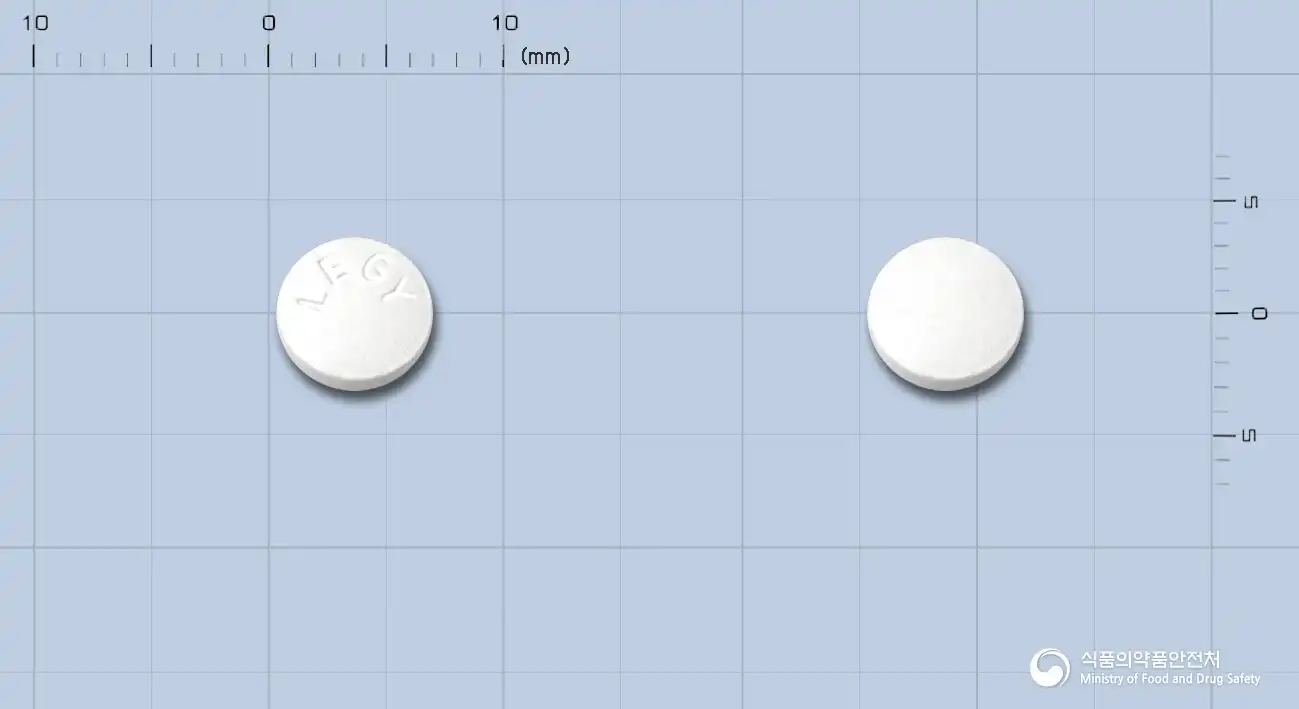
Epinastine Hydrochloride 10mg
Tablet · Prescription medication
Unimed Pharmaceutical Co., Ltd.
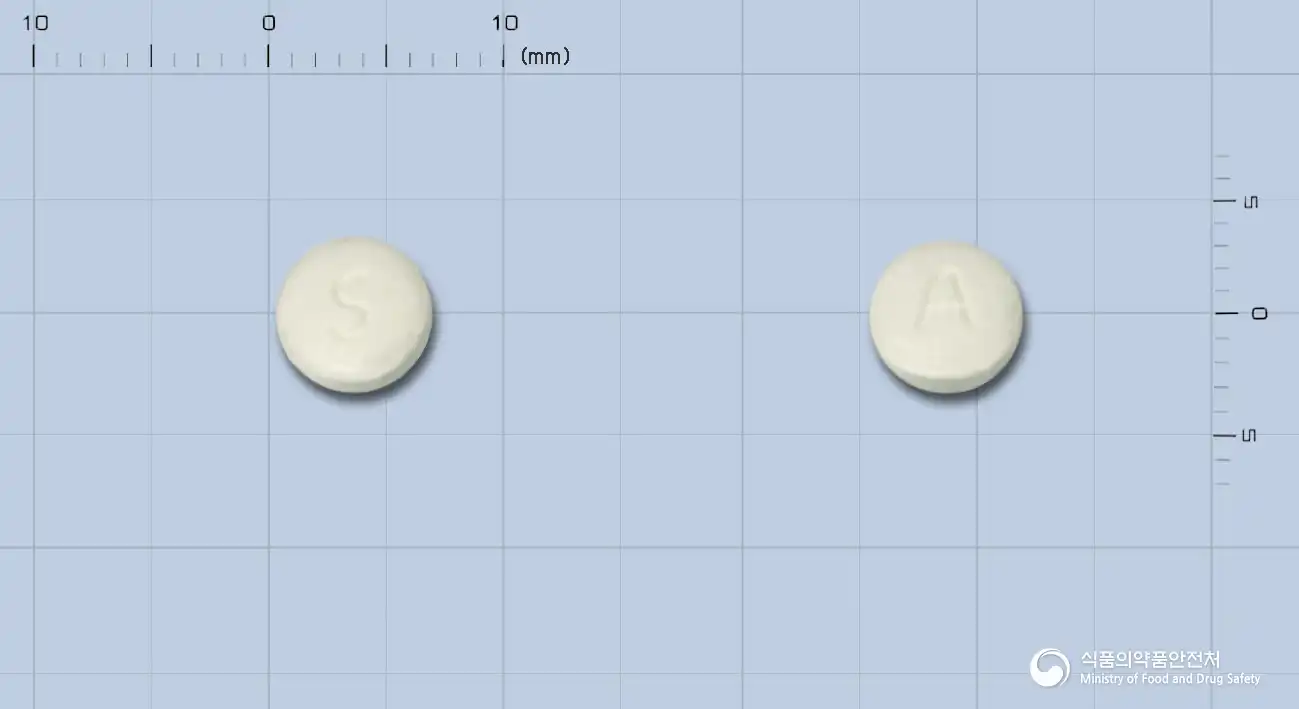
Epinastine Hydrochloride 10mg
Tablet · Prescription medication
Samchundang Pharmaceutical Co., Ltd.

Epinastine Hydrochloride 10mg
Tablet · Prescription medication
GENEWON Science Co., Ltd.

Epinastine Hydrochloride 10mg
Tablet · Prescription medication
Donggu Bio Pharmaceutical Co., Ltd.
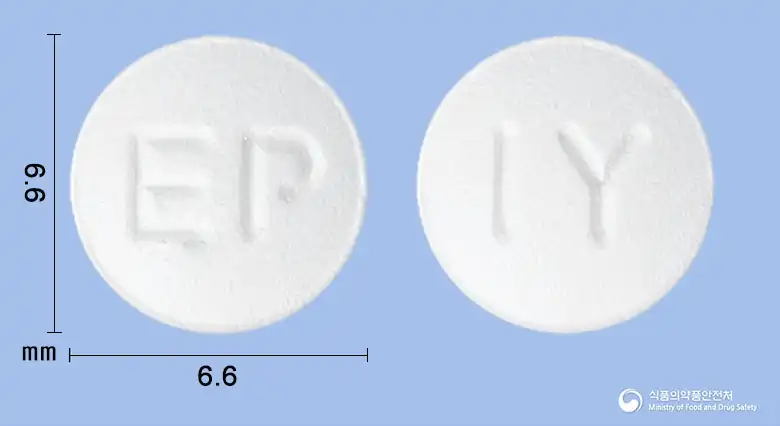
Epinastine Hydrochloride 10mg
Tablet · Prescription medication
Il Yang Pharmaceutical Co., Ltd.
Epinastine Hydrochloride 0.5mg
Eye drops · Prescription medication
AbbVie Korea Co., Ltd.
Even with the same ingredient, the dose and directions can differ by strength and dosage form. Talk to a doctor or pharmacist before switching from a medication you are already taking.
No questions yet.
For anything that needs medical judgment, consult a doctor or pharmacist.
This drug information is based on data provided by the Korea Ministry of Food and Drug Safety.
Consult a doctor or pharmacist for accurate dosage, administration, and usage instructions.