
 한국어
 English
 日本語
 中文(简体)
Dosage form image
Viewing nowCombinationGliporin Tablets 2/500 milligrams
Glimepiride 2mg · Metformin Hydrochloride 500mg
Tablet · Prescription medication · Combination
Independent Bio Pharmaceutical Co., Ltd.
MFDS item code 201908552 · Approved 2019.12.19
This product's status changed to Expired on 2024.12.19. It may no longer be sold, so consult a doctor or pharmacist before taking it.
Improvement of glycemic control in type 2 diabetes mellitus
This medicine is used for patients with insulin-independent diabetes, specifically type 2 diabetes. It is particularly helpful when sufficient blood sugar control is difficult with either glimepiride or metformin monotherapy alongside dietary and exercise therapies. It is also used as an alternate treatment option to replace combined therapy of glimepiride and metformin. This medication helps improve blood sugar control, aiding in diabetes management.
This medicine should be administered 1~2 times daily immediately before or with meals. The dose may be adjusted taking into account each patient's current treatment regimen, efficacy, and tolerability; appropriate blood glucose monitoring should be performed for this purpose. Treatment is generally initiated at a low dose, which may be adjusted based on the patient's current medications and blood glucose levels. In clinical trials, the initial daily dose of this medicine was glimepiride/metformin hydrochloride 2mg/500mg, and it was gradually increased according to blood glucose monitoring results up to glimepiride/metformin hydrochloride 8mg/2000mg. With glimepiride as a single agent, there is generally little additional benefit at doses above 4mg per day, although some patients achieved better metabolic control when the dose was increased to 6mg (or 8mg). When used as a replacement for combination therapy, administer according to the dosage and administration regimen of glimepiride and metformin hydrochloride currently being taken in combination. Even if a previous dose was missed, do not take more than a single dose at the next scheduled administration.
This medication carries the risk of severe lactic acidosis or hypoglycemia, and should be discontinued if kidney function declines sharply. It is advisable to temporarily stop this medication and consult a physician in the presence of symptoms of dehydration, severe diarrhea, vomiting, or fever. Avoid using this medicine in patients with impaired kidney function or liver dysfunction; extra caution is required, especially in the elderly or with other medications that may affect kidney function. Patients with cardiovascular disease or a history of myocardial infarction should also be cautious when taking this medication. Women who are pregnant or breastfeeding should not take this medicine; switching to insulin therapy is recommended if necessary. This medication can cause hypoglycemia, especially if meals are missed or nutritional status is poor, so it is important to take it with meals and monitor symptoms carefully. Alcohol consumption can increase the risk of lactic acidosis, so it is important to avoid excessive drinking while taking this medication. Regular blood sugar and kidney function, liver function, and hematological tests should be conducted to check for abnormalities during treatment with this medication. Interactions with other drugs may occur, so it is essential to consult a physician or pharmacist when starting or stopping new medications. In case of overdose, severe hypoglycemia or lactic acidosis may occur, and immediate medical attention should be sought. Caution is needed when driving or operating machinery as hypoglycemic symptoms may pose risks. This medication has not been sufficiently proven safe and effective for children, so caution should be exercised in usage.
Not everyone experiences these, and they can vary from person to person.
Store this medication in a tightly closed container to prevent air and moisture ingress, and it is recommended to keep it at room temperature between 1 to 30 degrees Celsius. Proper storage will help maintain the effectiveness of the medication for a longer period.
White oblong film-coated tablet
Domestic use - 30 tablets/bottle, Domestic use - 100 tablets/bottle
Even with the same ingredient, strength, dosage form and how it is taken can differ.
Glimepiride 2mg · Metformin Hydrochloride 500mg
Tablet · Prescription medication · Combination
Independent Bio Pharmaceutical Co., Ltd.
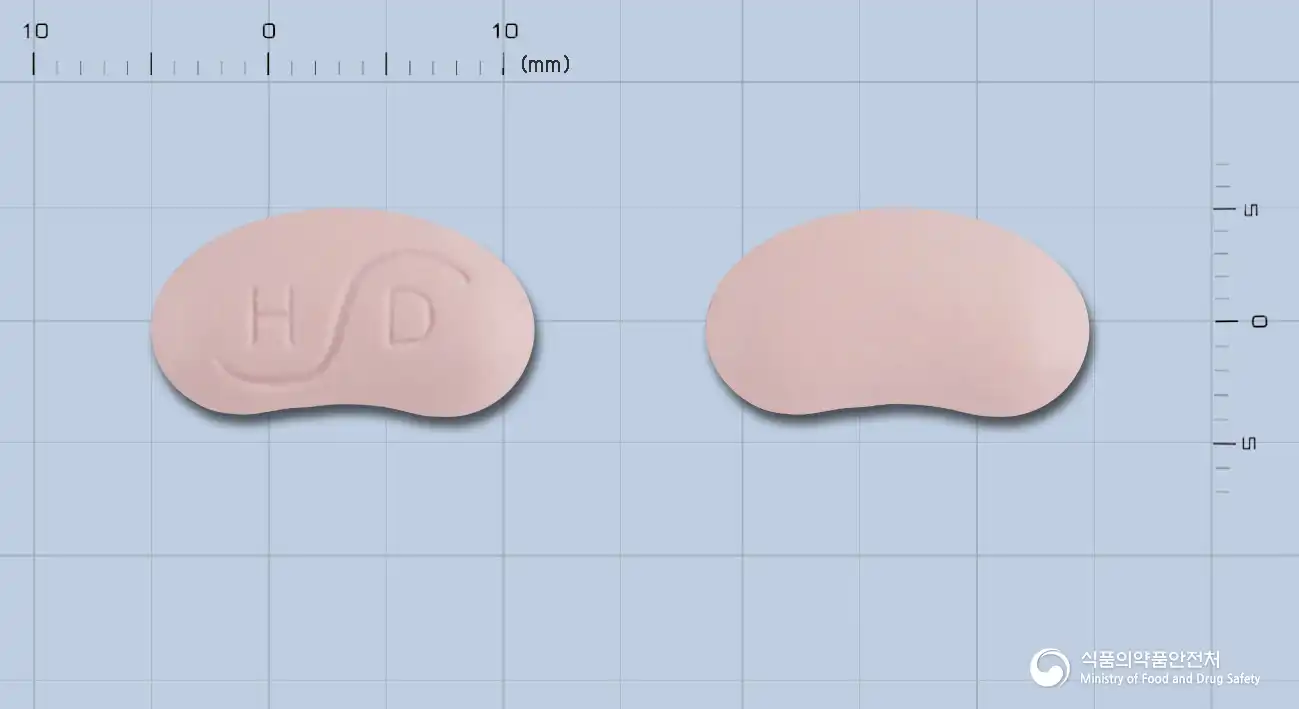 Combination
Metformin Hydrochloride 500mg · Glimepiride 1mg
Tablet · Prescription medication · Combination
Hanmi Pharmaceutical Co., Ltd.
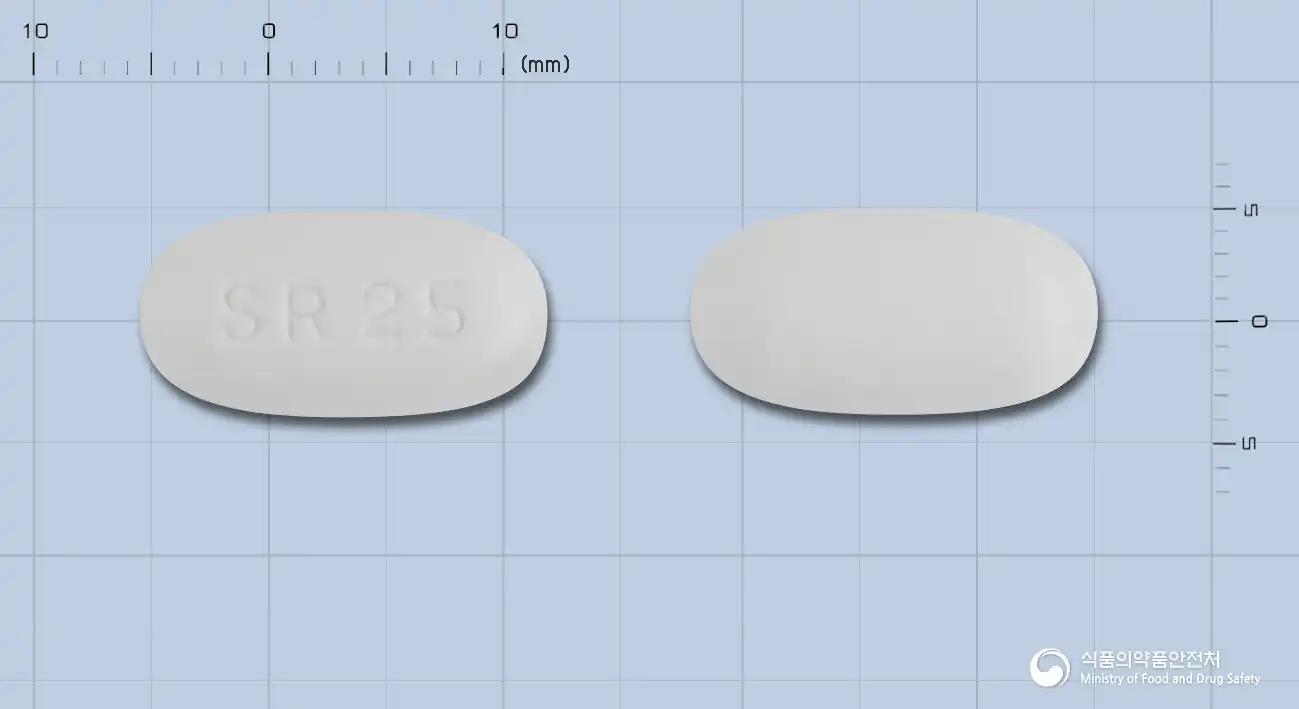 Combination
Metformin Hydrochloride 500mg · Glimepiride 2mg
Tablet · Prescription medication · Combination
Handok Co., Ltd.
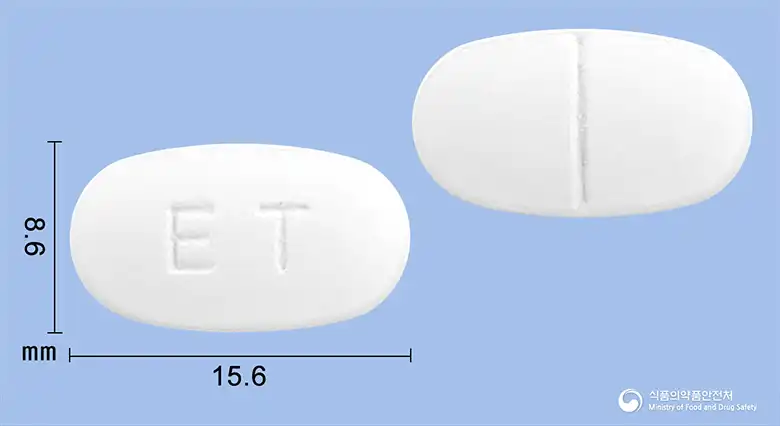 Combination
Metformin Hydrochloride 500mg · Glimepiride 2mg
Tablet · Prescription medication · Combination
Teragen Etex Co., Ltd.
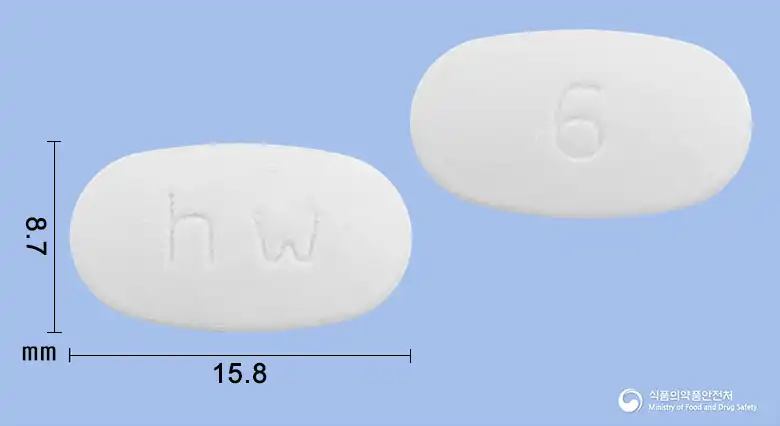 Combination
Glimepiride 2mg · Metformin Hydrochloride 500mg
Tablet · Prescription medication · Combination
Hawon Pharmaceutical Co., Ltd.
Metformin Hydrochloride 500mg · Glimepiride 2mg
Tablet · Prescription medication · Combination
TDS Pharm Co., Ltd.
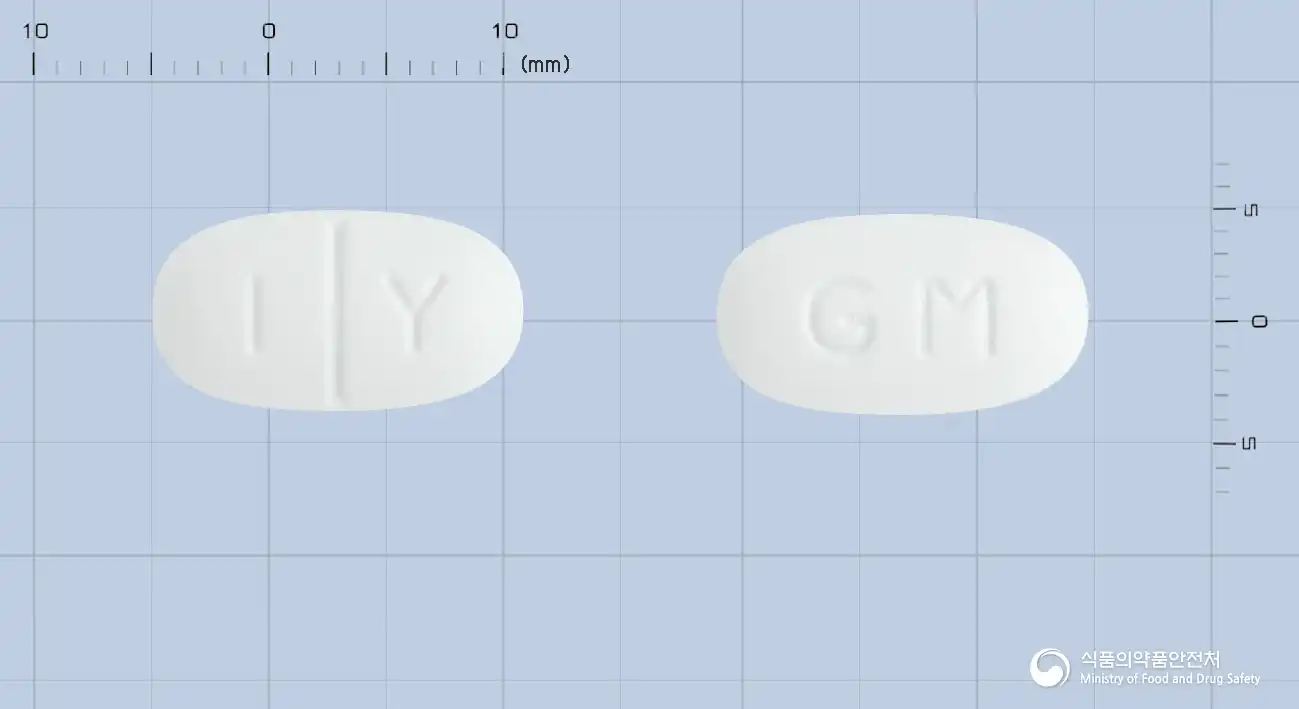 Combination
Glimepiride 2mg · Metformin Hydrochloride 500mg
Tablet · Prescription medication · Combination
Il Yang Pharmaceutical Co., Ltd.
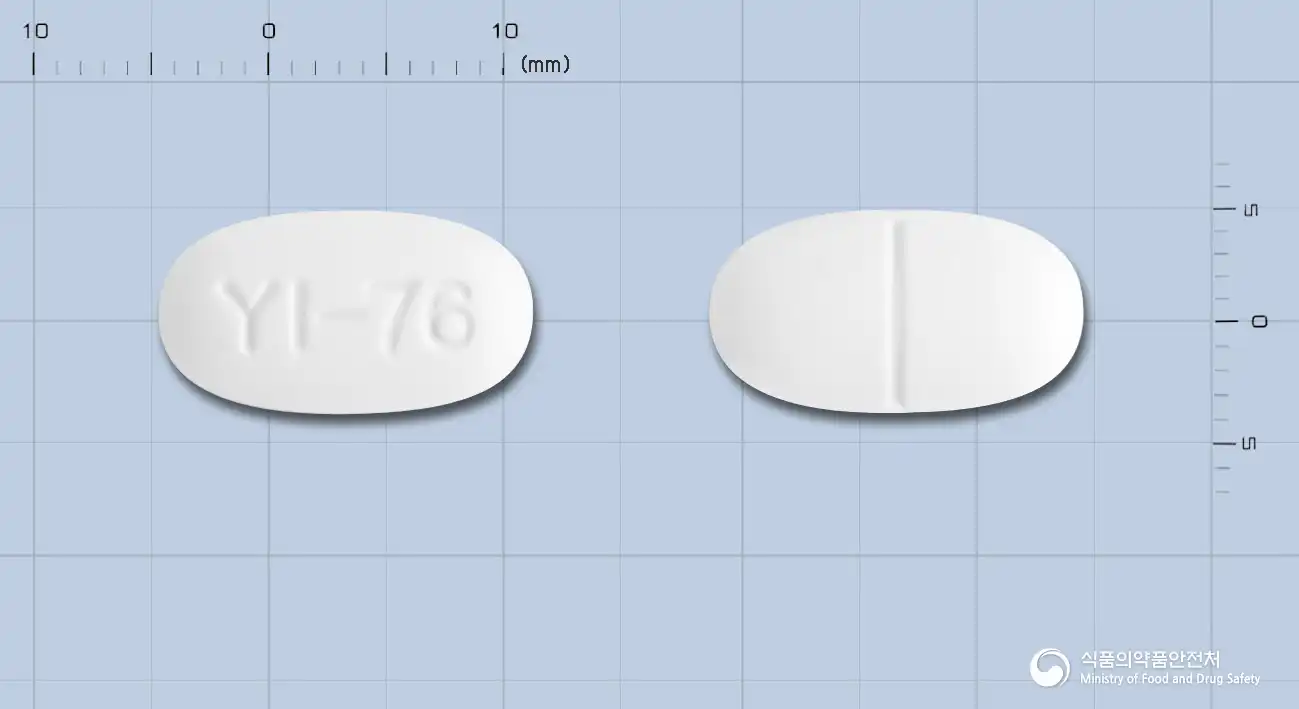 Combination
Glimepiride 2mg · Metformin Hydrochloride 500mg
Tablet · Prescription medication · Combination
Youngil Pharmaceutical Co., Ltd.
Even with the same ingredient, the dose and directions can differ by strength and dosage form. Talk to a doctor or pharmacist before switching from a medication you are already taking.
No questions yet.
For anything that needs medical judgment, consult a doctor or pharmacist.
This drug information is based on data provided by the Korea Ministry of Food and Drug Safety.
Consult a doctor or pharmacist for accurate dosage, administration, and usage instructions.