
 한국어
 English
 日本語
 中文(简体)
Dosage form image
Viewing nowMahapergic Sublingual Tablet 10 mg (Donepezil Hydrochloride Hydrate)
Donepezil Hydrochloride Hydrate 10.43mg
Orally disintegrating Tablet · Prescription medication
Bionex Co., Ltd.
MFDS item code 201908363 · Approved 2019.12.12
This product's status changed to Expired on 2024.12.12. It may no longer be sold, so consult a doctor or pharmacist before taking it.
Treatment of symptoms of Alzheimer-type dementia
This medication is used for the treatment of symptoms associated with Alzheimer's type dementia. This condition is characterized by impaired memory and cognitive function, and the medication helps alleviate these symptoms to improve the patient's daily life. Therefore, it is used to effectively manage symptoms caused by Alzheimer's type dementia.
○ Adults : Administer donepezil hydrochloride 5 mg once daily at bedtime. If sleep disturbances such as unusual dreams, nightmares, or insomnia occur, taking this medicine in the morning may be considered. Since donepezil concentrations reach steady state 15 days after administration and the incidence of adverse reactions may be affected by the rate of dose escalation, administer the 5 mg dose for 4~6 weeks. After evaluating the clinical response during this period, the dose may be increased to 10 mg. When increasing the dose to 10 mg per day, administer with caution for gastrointestinal adverse reactions. If this medicine is discontinued, its effects gradually diminish; no rebound effect occurs with abrupt discontinuation. This orally disintegrating tablet may be placed on the tongue and allowed to dissolve, then taken with water or without water. ○ Female patients aged 85 years or older with low body weight : Careful monitoring is required because adverse reactions occur more frequently. Elderly women with low body weight should not exceed 5 mg per day.
○ Children : There is no experience with use in children.
This medication contains Donepezil Hydrochloride as its main ingredient and is used for the treatment of symptoms of Alzheimer's type dementia. This medication should not be used by individuals who are allergic to Donepezil Hydrochloride or any of its components, pregnant women or women who may become pregnant, and nursing mothers. Patients with heart conditions should use this medication with caution as it can cause bradycardia or arrhythmias due to its vagotropic effects. Individuals with a history of peptic ulcers or those taking non-steroidal anti-inflammatory drugs should exercise caution due to the risk of gastrointestinal bleeding or worsening of ulcers. Patients with asthma or obstructive pulmonary disease should use this medication with caution as symptoms may worsen due to bronchoconstriction and increased mucus secretion. Patients with extrapyramidal disorders, such as Parkinson's disease, should be careful as this medication may exacerbate symptoms. While taking this medication, serious side effects may occur including syncope, cardiac abnormalities, gastrointestinal bleeding, liver dysfunction, seizures, symptoms of extrapyramidal disorders, and respiratory difficulties, therefore any abnormal symptoms should be immediately discussed with a healthcare professional. Additionally, various side effects such as nausea, vomiting, diarrhea, headache, fatigue, insomnia, dizziness, palpitations, rashes may occur. This medication has not been approved for other types of dementia or memory disorders outside of Alzheimer's type dementia, and its therapeutic effects should be regularly evaluated. Patients with heart diseases or electrolyte imbalances may require heart monitoring due to the risk of cardiac arrhythmias. Care should be taken as this medication may affect driving or machine operation ability, particularly at the start of treatment or when the dosage is increased. It is preferable for pregnant or nursing women not to use this medication, and if absolutely necessary, consultation with a healthcare professional is advised. This medication is metabolized by specific enzymes (CYP3A4, CYP2D6), and caution should be exercised when taken with drugs that inhibit or induce these enzymes as it may affect the efficacy. Furthermore, when used in conjunction with muscle relaxants or other cholinergic medications, interactions may increase side effects, so caution is advised during concurrent use. In case of overdosing, severe symptoms such as nausea, vomiting, bradycardia, and respiratory depression may occur, requiring appropriate antidotes and treatment. This medication in tablet form should be dissolved in the mouth before swallowing, stored out of reach of children, and protected from light to avoid discoloration.
Not everyone experiences these, and they can vary from person to person.
This medication should be stored in a tightly sealed container to prevent air or moisture from entering, ideally at room temperature between 1 to 30 degrees Celsius. Proper storage will help maintain the effectiveness of the medication.
Yellow, round sublingual tablet
30 tablets/box [(10 tablets/PTP packaging x 3)]
Even with the same ingredient, strength, dosage form and how it is taken can differ.
Donepezil Hydrochloride Hydrate 10.43mg
Orally disintegrating Tablet · Prescription medication
Bionex Co., Ltd.
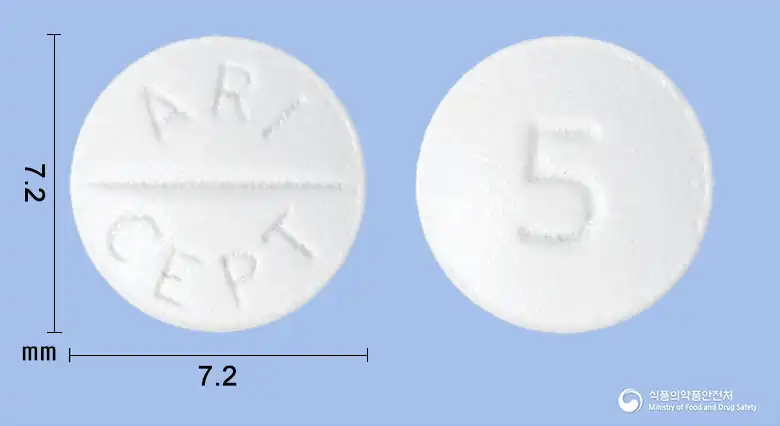
Donepezil Hydrochloride 5mg
Tablet · Prescription medication
HanDoc Co., Ltd.
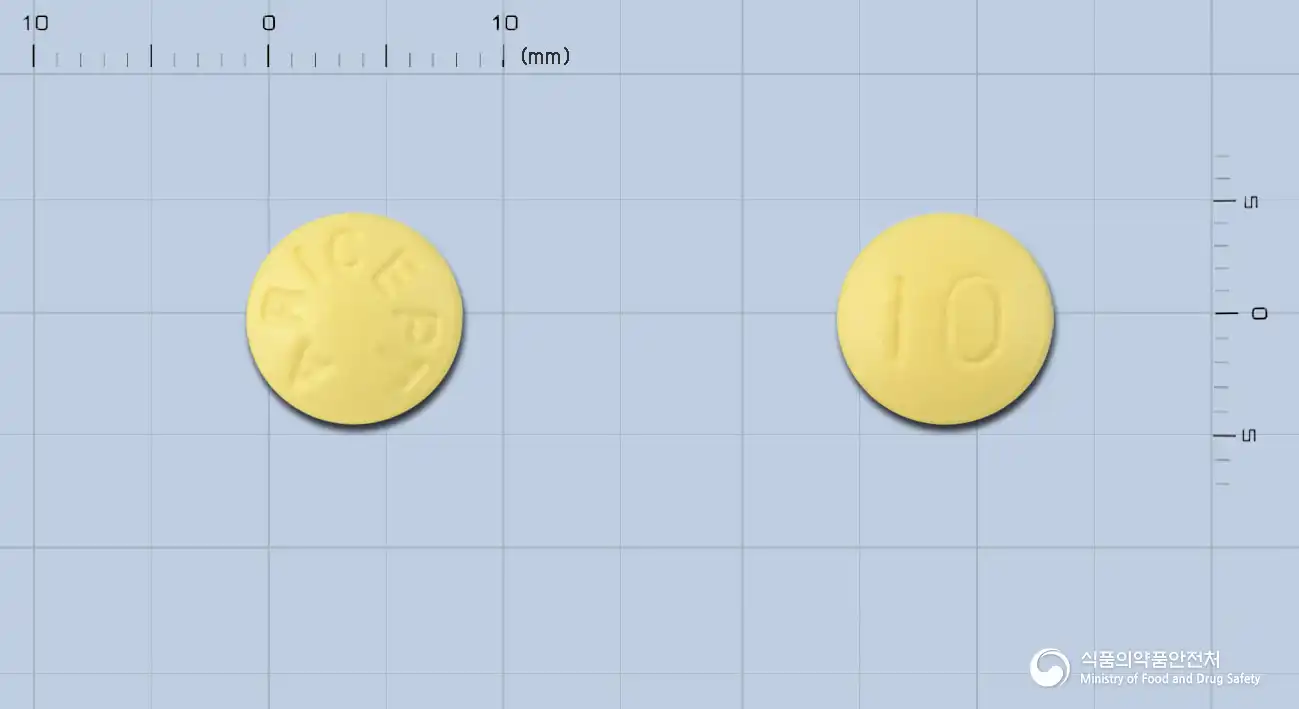
Donepezil Hydrochloride 10mg
Tablet · Prescription medication
Hanmi Pharmaceutical Co., Ltd.

Donepezil Hydrochloride Hydrate 10.43mg
Tablet · Prescription medication
IYun Pharmaceuticals Co., Ltd.

Donepezil Hydrochloride Hydrate 10.43mg
Tablet · Prescription medication
Yuhan Corporation
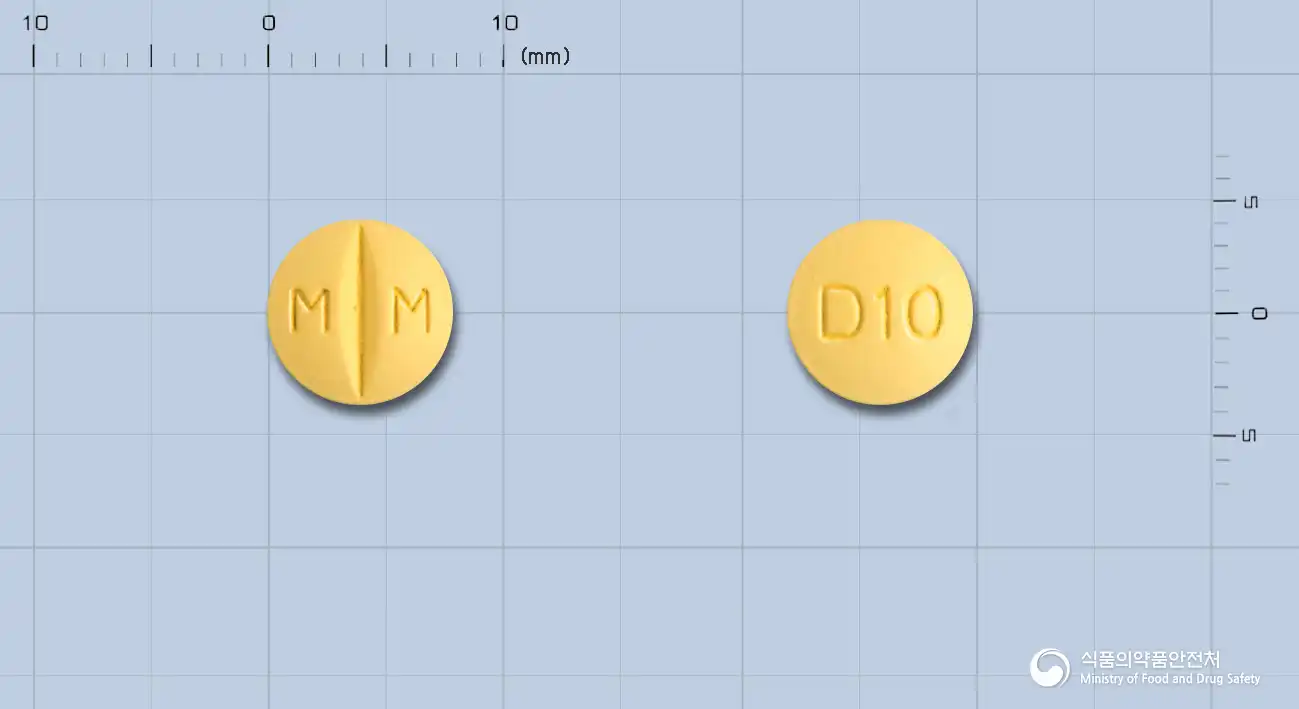
Donepezil Hydrochloride Hydrate 10.43mg
Tablet · Prescription medication
Myungmoon Pharmaceutical Co., Ltd.
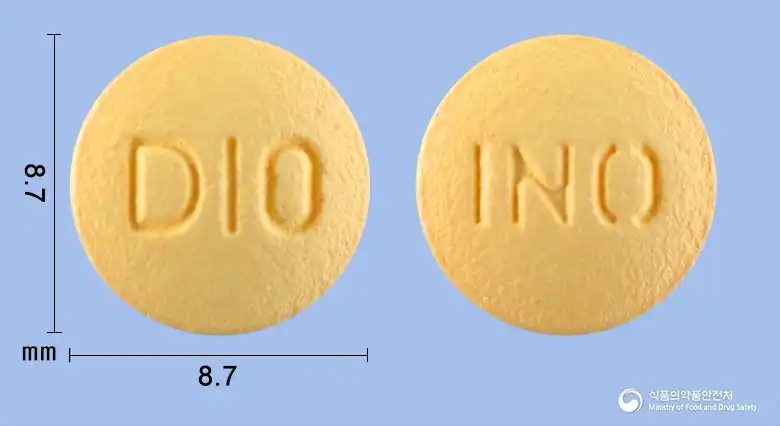
Donepezil Hydrochloride Hydrate 10.43mg
Tablet · Prescription medication
HK inno.N Co., Ltd.
Donepezil Hydrochloride 10mg
Tablet · Prescription medication
Celltrion Pharmaceutical Co., Ltd.
Even with the same ingredient, the dose and directions can differ by strength and dosage form. Talk to a doctor or pharmacist before switching from a medication you are already taking.
No questions yet.
For anything that needs medical judgment, consult a doctor or pharmacist.
This drug information is based on data provided by the Korea Ministry of Food and Drug Safety.
Consult a doctor or pharmacist for accurate dosage, administration, and usage instructions.