
 한국어
한국어 English
 日本語
日本語 中文(简体)
 Viewing now
Bimojeong 5mg (Minoxidil)
Minoxidil 5mg
Tablet · Prescription medication
Bainex Co., Ltd.
MFDS item code 201908280 · Notified 2019.12.06
Treatment of hypertension (secondary, resistant)
This medication is used to treat hypertension caused by secondary factors or specific organ damage. It is also used for resistant hypertension that does not respond to diuretics or two types of antihypertensive agents. In these cases, it helps effectively control blood pressure and improve the patient's condition.
Adults (12 years and older): For minoxidil, the initial dose is 5 mg orally taken once daily, and the maintenance dose is 10 - 40 mg per day divided into 1- several doses. A maximum of 100 mg per day can be administered. The frequency depends on the fluctuations in arterial blood pressure; if the decrease in the co-ordinated expansion pressure is less than 30 mmHg, it can be administered once daily, and if it is more than 30 mmHg, it should be divided into two doses per day.
Children (under 12 years): The initial dose is 0.2 mg per kg of body weight, administered once daily, and can be increased by 50 - 100 % until blood pressure is optimally adjusted. The maintenance dose is 0.25 mg - 1.0 mg per kg of body weight daily.
This drug should not be used in certain patients. For example, in patients with a rare tumor called pheochromocytoma, this medication may lower blood pressure while promoting hormone secretion from the tumor. Additionally, patients with pulmonary hypertension due to mitral stenosis, those experiencing acute myocardial infarction, and those who have had an allergic reaction to this drug should not be given this medication. Caution is required when administering this medication to patients with chronic congestive heart failure, severe renal impairment, or angina, and their conditions should be closely monitored. As a side effect, hypertrichosis (abnormal hair growth) may occur in about 80% of patients, affecting various parts of the face and body. This phenomenon is not due to excess male hormones but may become an issue for hair growth, especially in children and women, so adequate explanation is necessary before administration. Skin rashes, vesicular lesions, severe allergic reactions may occur rarely, and blood tests may show a decrease in platelet or white blood cell counts. Some changes may be observed in ECG tests, but they generally do not have a significant impact on heart function. In patients with poor kidney function, pericardial effusion may occur, requiring regular check-ups, and if symptoms are severe, treatment methods should be adjusted. Additionally, weight gain, vascular edema, increased heart rate, gastrointestinal disturbances, breast pain, or gynecomastia may also occur rarely. When using this medication, diuretics should be used concurrently to prevent fluid retention and heart failure, and patients should be carefully monitored for weight and electrolyte status. Due to vasodilation, the heart may beat faster or chest pain may occur, so concurrent use with beta-blockers is recommended. Patients with decreased renal function should have their drug dosage adjusted, and in case of myocardial infarction, this drug should only be administered after the patient's condition is stabilized. During initial administration, regular tests including urine analysis, kidney function tests, ECG, and chest imaging should be conducted to check for abnormalities. This drug may interact with other medications, so caution is necessary when used with guanethidine, antidepressants, antipsychotics, corticosteroids, and anti-inflammatory analgesics. The safety during pregnancy has not been established, and it is advisable to avoid use during breastfeeding or to stop breastfeeding. There is limited experience in children, especially newborns, so caution should be exercised in administration.
Not everyone experiences these, and they can vary from person to person.
This medication should be stored in a tightly sealed container to prevent exposure to air or moisture. It is important to maintain the storage temperature between 1 and 30 degrees Celsius.
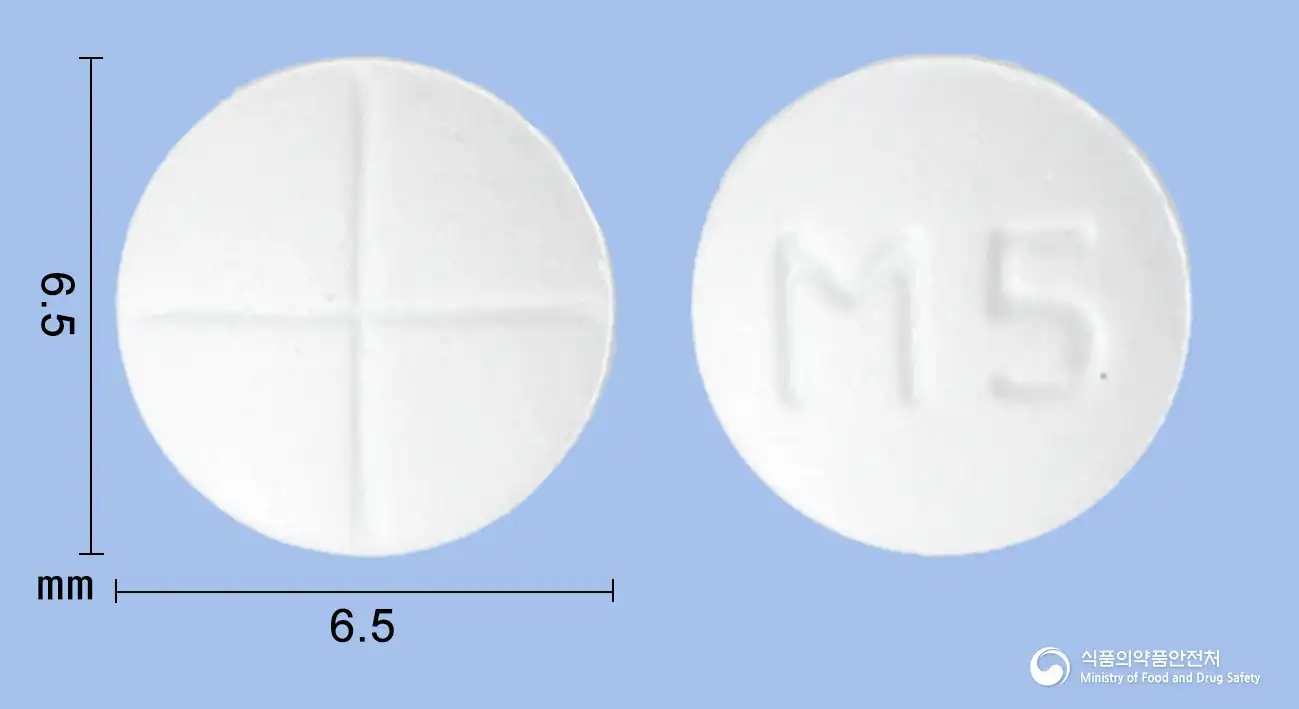
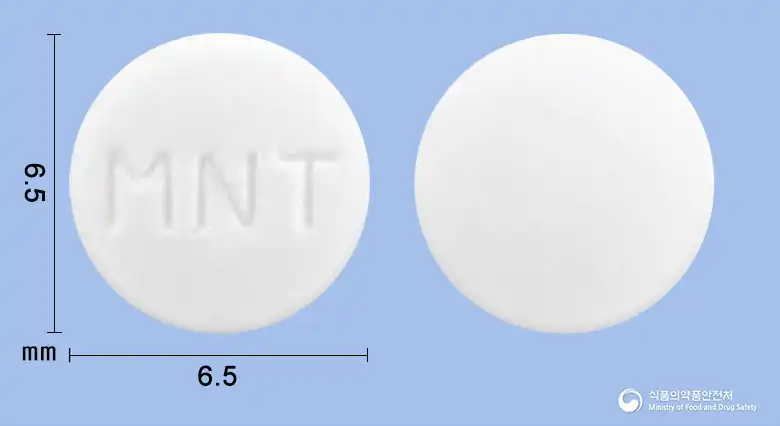
White round tablet
30 tablets/bottle, 500 tablets/bottle
Even with the same ingredient, strength, dosage form and how it is taken can differ.
Viewing nowMinoxidil 5mg
Tablet · Prescription medication
Bainex Co., Ltd.
Minoxidil 5mg
Tablet · Prescription medication
Hyundai Pharmaceutical Co., Ltd.
Minoxidil 3g
OTC medication
Hyundai Pharmaceutical Co., Ltd.
Minoxidil 5g
OTC medication
Hyundai Pharmaceutical Co., Ltd.
Minoxidil 5g
OTC medication
Hanmi Pharmaceutical Co., Ltd.
Minoxidil 5g
Solution · OTC medication
JW Pharmaceutical Corp.
Minoxidil 3g
Solution · OTC medication
Haitai HTB Co., Ltd.
Minoxidil 5g
Solution · OTC medication
Ilhwa Co., Ltd.
Even with the same ingredient, the dose and directions can differ by strength and dosage form. Talk to a doctor or pharmacist before switching from a medication you are already taking.
No questions yet.
For anything that needs medical judgment, consult a doctor or pharmacist.
This drug information is based on data provided by the Korea Ministry of Food and Drug Safety.
Consult a doctor or pharmacist for accurate dosage, administration, and usage instructions.