
 한국어
한국어 English
 日本語
日本語 中文(简体)
Dosage form image
Viewing nowMontelukast Sodium 4 mg
Montelukast Sodium 4.16mg
Prescription medication
Hanfung Pharmaceutical Co., Ltd.
MFDS item code 201908246 · Approved 2019.12.05
This product's status changed to Expired on 2024.12.05. It may no longer be sold, so consult a doctor or pharmacist before taking it.
Prevention of asthma and relief of allergic rhinitis symptoms
This medication helps prevent the occurrence of asthma and assists in the ongoing treatment of symptoms. It is also used to relieve symptoms of seasonal and perennial allergic rhinitis.
Adults and adolescents aged 15 years and older: Take 10 mg of montelukast orally once daily. This medication should be taken 1 hour before a meal or 2 hours after a meal. 10 mg orally disintegrating film: Place 10 mg on the tongue once daily and allow it to dissolve without water.
Children aged 6-14 years: Take 5 mg of montelukast once daily as a chewable tablet. 5 mg chewable tablet: Place 5 mg on the tongue once daily and allow it to dissolve without water. 5 mg orally disintegrating tablet.
This medication should not be used by individuals with allergic reactions to this drug or its components. During the use of this medication, symptoms such as fatigue, fever, abdominal pain, headaches, dizziness, cough, nasal congestion, and rash may occur, so caution is necessary. Significant adverse reactions, including pharyngitis, influenza, nausea, diarrhea, loss of appetite, fever, headaches, rhinitis, varicella, and dermatitis, have been reported particularly in children and adolescents. This medication is not intended for use during acute asthma attacks; during sudden worsening of asthma, a rescue inhaler must be used. While continuing to take this medication during asthma treatment, the dosage of inhaled corticosteroids can gradually be reduced, but sudden changes should be avoided. Neurological and psychiatric symptoms, such as anxiety, depression, restlessness, hallucinations, and sleep disturbances, may occur during the use of this drug, and if such changes are noticed, a doctor should be consulted. In cases of exercise-induced bronchoconstriction, this medication should not be used alone, and inhaled beta-agonists should be continued, and a rescue inhaler should be prepared for emergency situations. Patients with aspirin hypersensitivity should avoid taking aspirin or nonsteroidal anti-inflammatory drugs while using this medication. Rarely, serious symptoms such as systemic eosinophilia and vasculitis can occur in asthma patients taking this medication, and a doctor should be consulted if eosinophilia or worsening lung symptoms manifest. During pregnancy, this medication should only be taken when absolutely necessary, and caution is necessary when nursing. It can also be used in children and the elderly, but appropriate dosing and caution must be applied according to age. In cases of overdose, there is no specific antidote, so general treatment and observation are necessary, and medical personnel should be notified immediately if symptoms occur. This medication is sensitive to light, so it should be opened just before taking it, and it should be taken immediately after preparation. Keep out of reach of children, and avoid transferring to other containers. This medication should be taken continuously even when asthma symptoms are absent, and if symptoms worsen or change, a doctor should be consulted.
Hives, toxic epidermal necrolysis, mucocutaneous syndrome, angioedema, difficulty breathing, respiratory issues (wheezing, pneumonia, pulmonary eosinophilia), severe allergic reactions, systemic eosinophilia, vasculitis, severe skin reactions (severe rash, skin shedding, pain on mucous membranes of mouth/eyes), sudden and very severe headaches, seizures, consciousness disturbances, paralysis, significantly reduced urine output, severe systemic swelling, and blood pressure abnormalities.
Not everyone experiences these, and they can vary from person to person.
This medication should be stored in a tightly sealed container to protect it from air and moisture, and should be kept away from direct sunlight. It is important to maintain a storage temperature between 1 and 30 degrees Celsius.
White homogeneous granules without foreign substances
4 mg/packet, 4 mg/packet [x 28]
Even with the same ingredient, strength, dosage form and how it is taken can differ.
Montelukast Sodium 4.16mg
Prescription medication
Hanfung Pharmaceutical Co., Ltd.
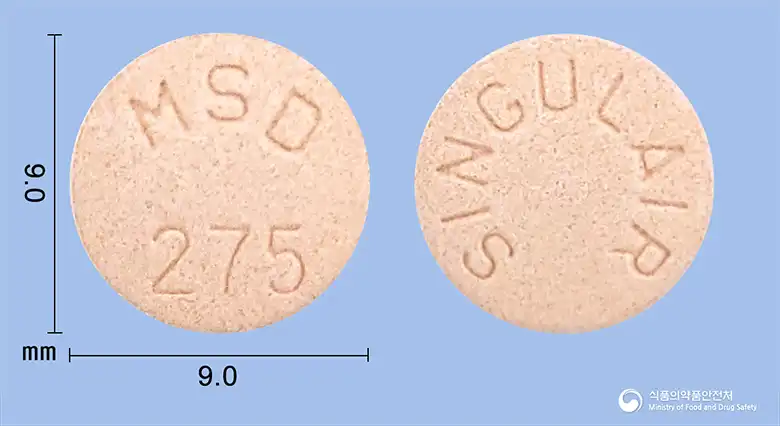
Montelukast Sodium 5.2mg
Chewable Tablet · Prescription medication
Korea Organon Co., Ltd.
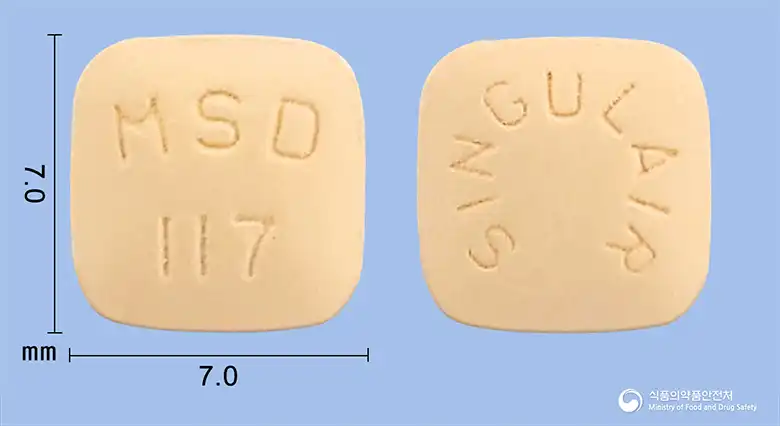
Montelukast Sodium 10.4mg
Tablet · Prescription medication
Korea Organon Co., Ltd.
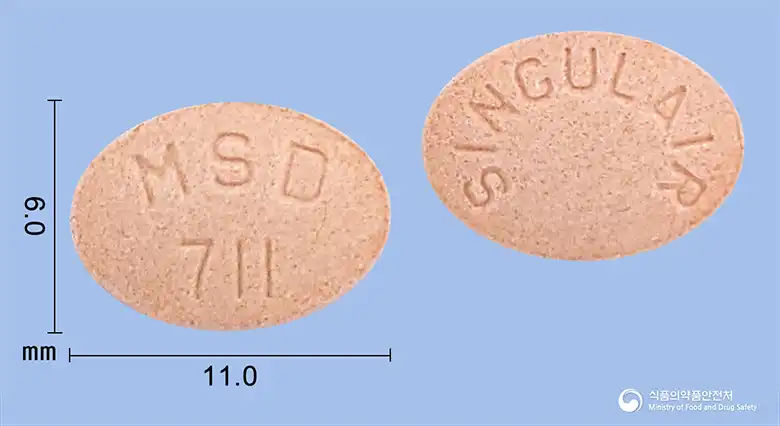
Montelukast Sodium 4.16mg
Chewable Tablet · Prescription medication
Korea Organon Co., Ltd.
Montelukast Sodium 4.16mg
Prescription medication
Korea Organon Co., Ltd.
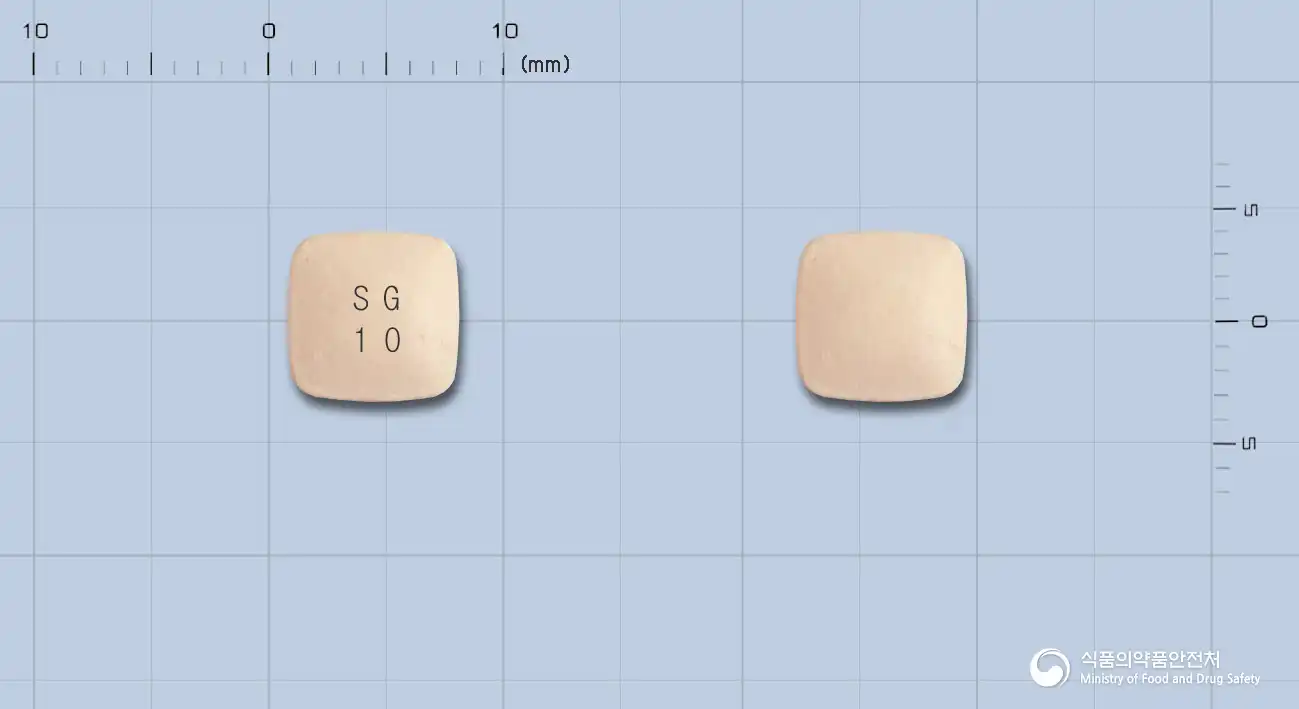
Montelukast Sodium 10.4mg
Tablet · Prescription medication
JW Pharmaceutical Co., Ltd.
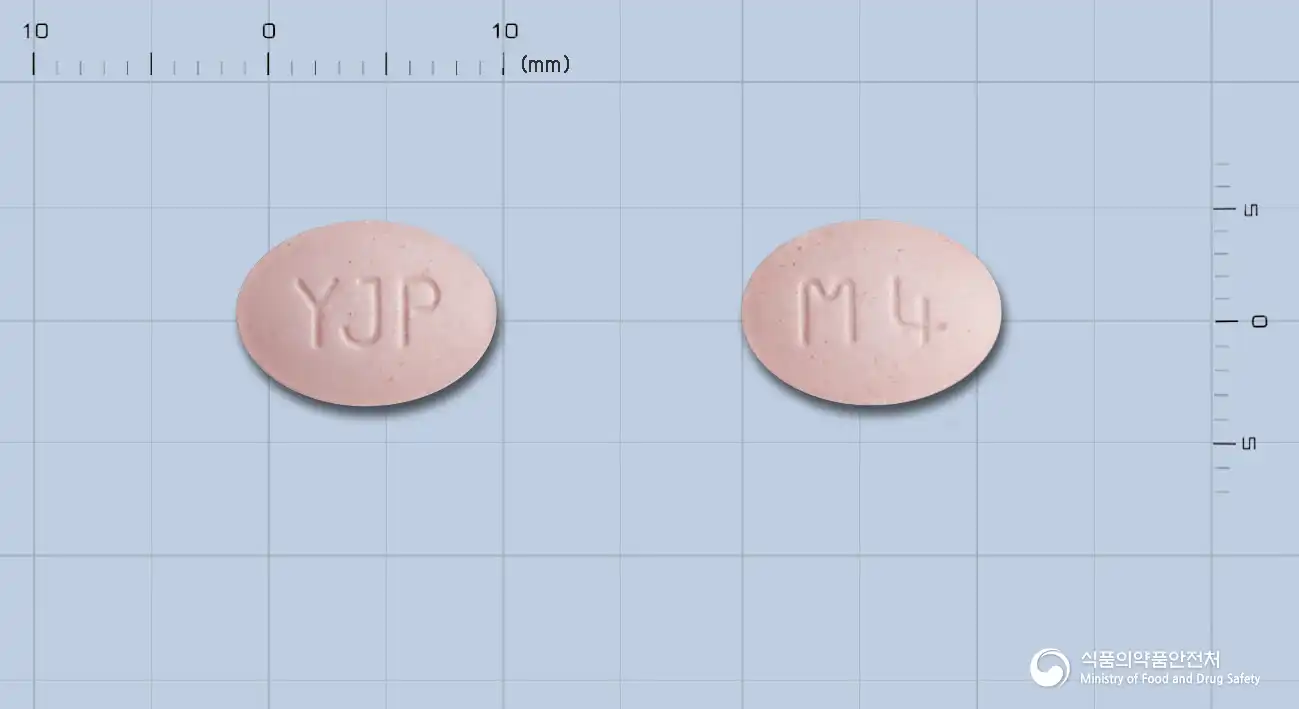
Montelukast Sodium 4.16mg
Chewable Tablet · Prescription medication
Youngjin Pharmaceutical Co., Ltd.
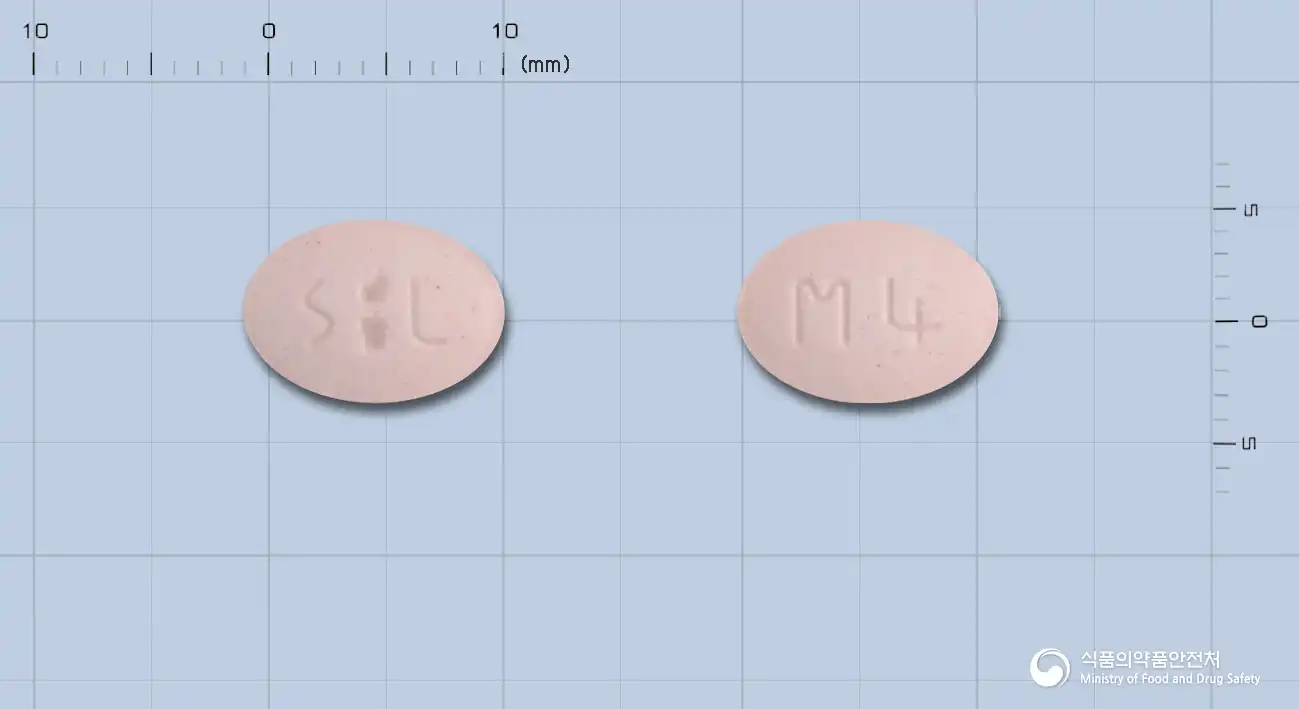
Montelukast Sodium 4.16mg
Chewable Tablet · Prescription medication
Samil Pharmaceutical Co., Ltd.
Even with the same ingredient, the dose and directions can differ by strength and dosage form. Talk to a doctor or pharmacist before switching from a medication you are already taking.
No questions yet.
For anything that needs medical judgment, consult a doctor or pharmacist.
This drug information is based on data provided by the Korea Ministry of Food and Drug Safety.
Consult a doctor or pharmacist for accurate dosage, administration, and usage instructions.