
 한국어
한국어 English
 日本語
日本語 中文(简体)
 Viewing now
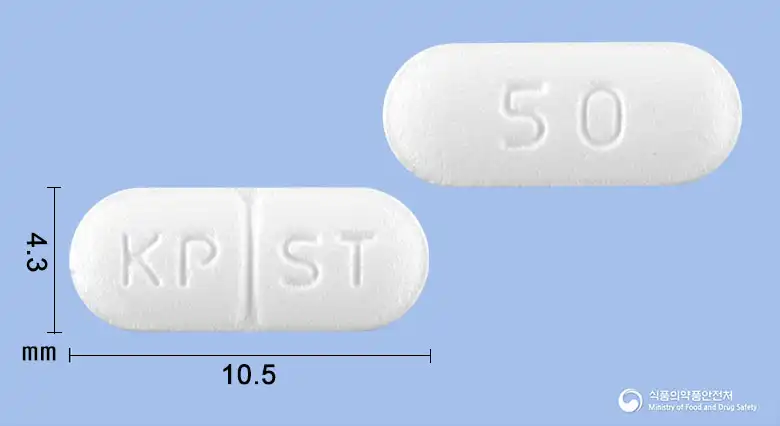
Paroxetine Hydrochloride Tablets 50 mg (Sertraline Hydrochloride)
Sertraline Hydrochloride 55.95mg
Tablet · Prescription medication
Korea Pharma Co., Ltd.
MFDS item code 201908216 · Approved 2019.12.03 · Insurance code 653006560
Treatment of depression and obsessive-compulsive disorder (adults and children)
This medication is used to treat various mental health issues including depression, obsessive-compulsive disorder, panic disorder, post-traumatic stress disorder, social anxiety disorder, and premenstrual dysphoric disorder. It helps alleviate symptoms tailored to each condition and aids in the mental stability of patients. This is effective in improving the quality of life and enhancing mental health.
Depression and obsessive-compulsive disorder: Start with an initial dose of 50 mg of sertraline, taken orally once daily. The maintenance dose is 50-100 mg per day. If the effect is insufficient, the dosage can be increased by 50 mg up to a maximum of 200 mg per day, and dose adjustments should be made at intervals of at least one week. Panic disorder, post-traumatic stress disorder and social anxiety disorder: Start with a dose of 25 mg once daily.
Obsessive-compulsive disorder: For patients aged 6-12 years, start at 25 mg once daily; for patients aged 13-17 years, start at 50 mg once daily. For child patients with obsessive-compulsive disorder aged 6-17 years regarding 2
This medication may increase the risk of suicidal thoughts or behaviors in young people with depression or psychiatric disorders, so these patients should be observed closely after starting treatment. While taking this medication, serious side effects such as serotonin syndrome or neuroleptic malignant syndrome may occur, so if related symptoms appear, immediate consultation with a physician is required. It is hazardous to take this medication in conjunction with MAO inhibitors, which inhibit certain enzymes, so patients on these medications should not use it. Additionally, the risk of side effects may increase when combined with other serotonergic drugs, so it should only be taken after consulting a physician. Patients with specific conditions such as liver disease or seizures should use this medication cautiously, and if symptoms such as seizures appear, they should stop taking the medication immediately and inform their healthcare provider. This medication can cause various side effects, so if unusual symptoms like insomnia, anxiety, headache, indigestion, skin rash, palpitations occur, immediate medical attention is necessary. It can affect psychomotor abilities, so caution is needed when driving or operating dangerous machinery, especially when taken with other sedatives. To ensure therapeutic efficacy, it is important to continue taking the medication as directed by a physician even if symptoms improve; sudden discontinuation may cause withdrawal symptoms, so the dosage should be tapered gradually. Women who are pregnant or may become pregnant should carefully consider the potential impact on the fetus when taking this medication, weighing the benefits and risks of treatment and using appropriate contraception. Nursing mothers should consult a physician before determining whether to take this medication, considering the possible effects on infants due to its excretion in breast milk. Children and adolescents have not had their safety and efficacy fully verified except for certain indications, so caution is needed for use. Overdose may lead to severe side effects, so adherence to prescribed dosages is crucial, and patients should not discontinue or change the dosage without a doctor's guidance. This medication can interact with other drugs, so if taking other medications, inform the healthcare provider, especially when using heart medications or medications affecting blood coagulation.
Not everyone experiences these, and they can vary from person to person.
This medication is sensitive to air and moisture, so it must be stored in a tightly sealed container. It should be kept at room temperature, between 1 degree and 30 degrees Celsius, avoiding extremes of heat or cold.
White rectangular film-coated tablets
30 tablets/bottle, 200 tablets/bottle
Even with the same ingredient, strength, dosage form and how it is taken can differ.
Viewing nowSertraline Hydrochloride 55.95mg
Tablet · Prescription medication
Korea Pharma Co., Ltd.
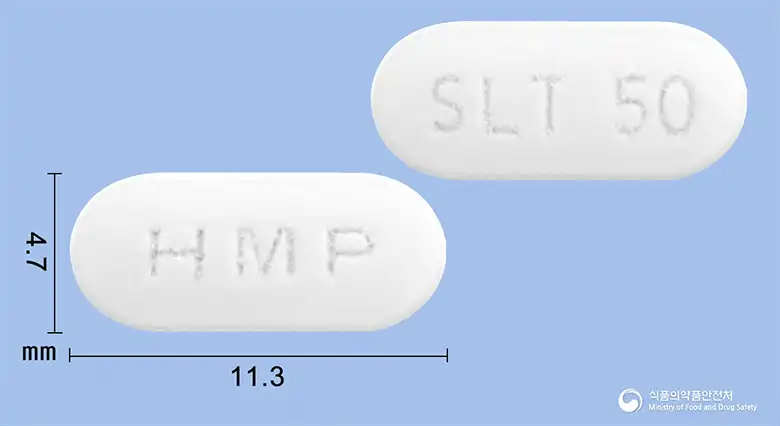
Sertraline Hydrochloride 55.95mg
Tablet · Prescription medication
Hanmi Pharmaceutical Co., Ltd.
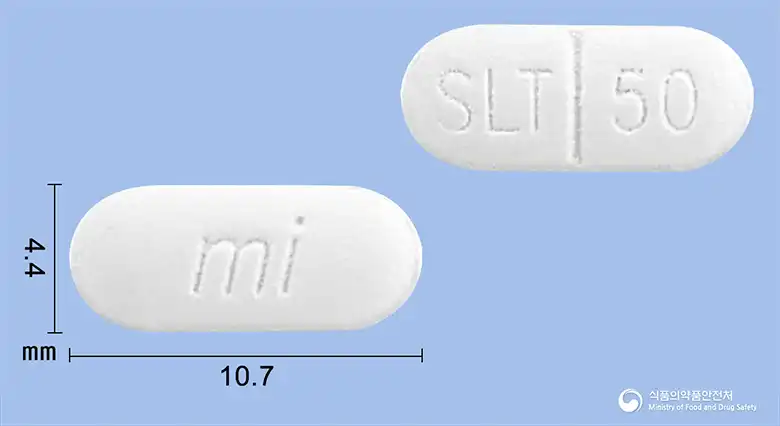
Sertraline Hydrochloride 55.95mg
Tablet · Prescription medication
Myungin Pharmaceutical Co., Ltd.
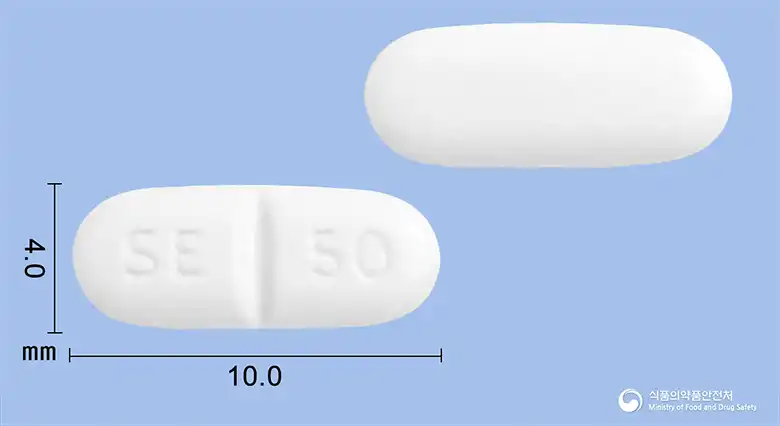
Sertraline Hydrochloride 55.95mg
Tablet · Prescription medication
Samil Pharmaceutical Co., Ltd.
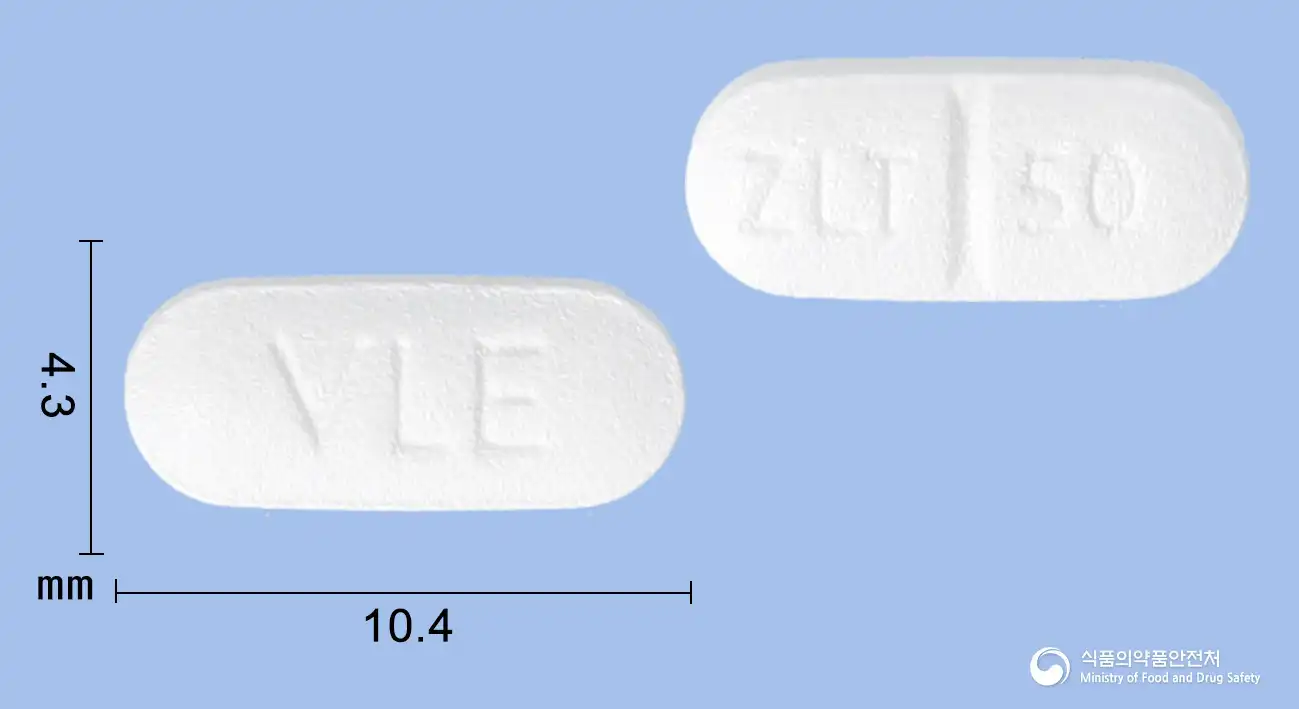
Sertraline Hydrochloride 55.95mg
Tablet · Prescription medication
Viatris Korea Co., Ltd.
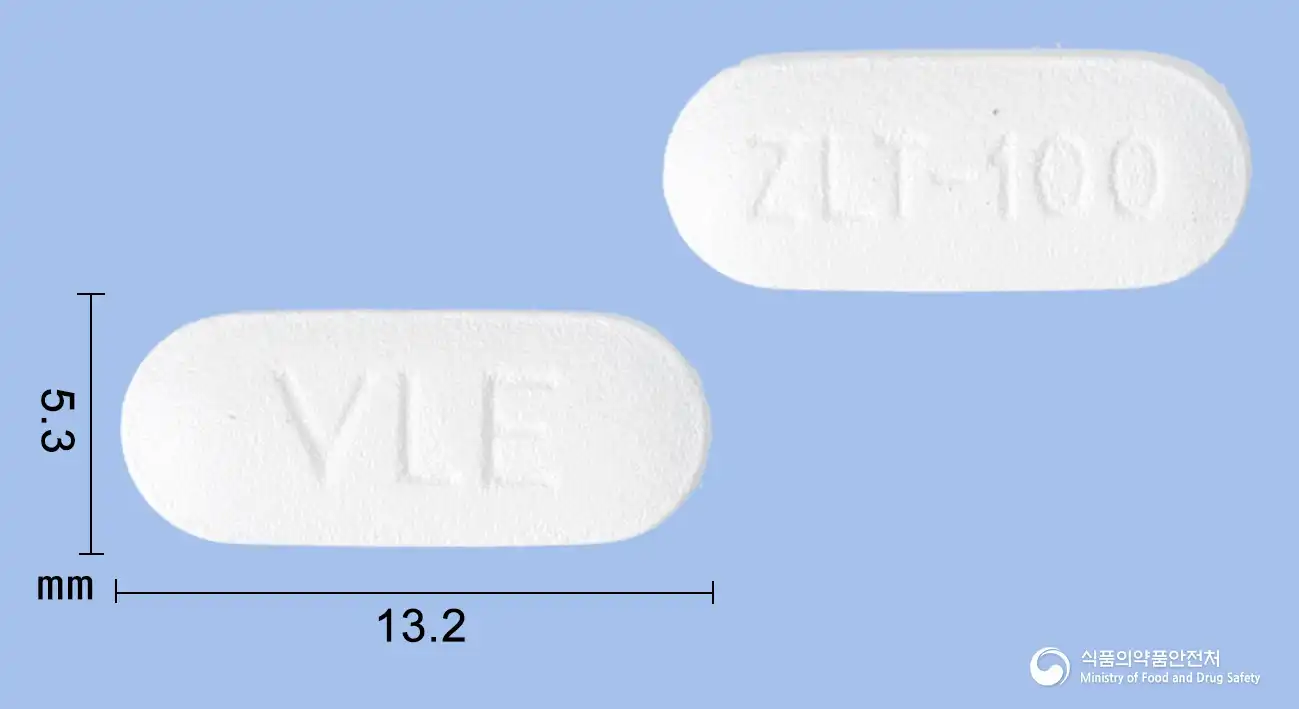
Sertraline Hydrochloride 111.9mg
Tablet · Prescription medication
Viatris Korea Co., Ltd.
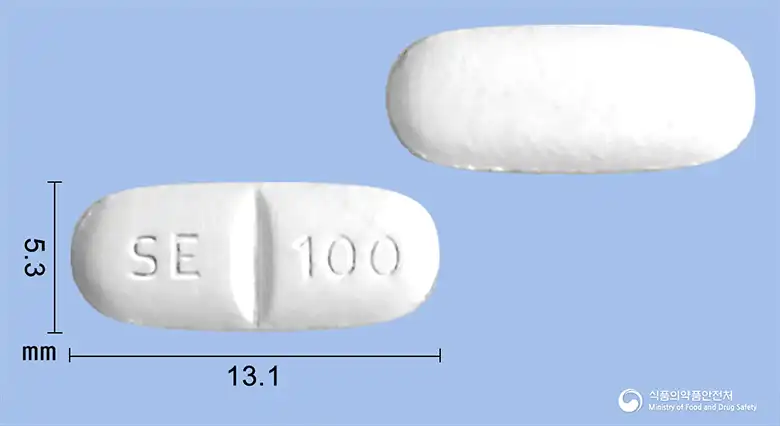
Sertraline Hydrochloride 111.9mg
Tablet · Prescription medication
Samil Pharmaceutical Co., Ltd.
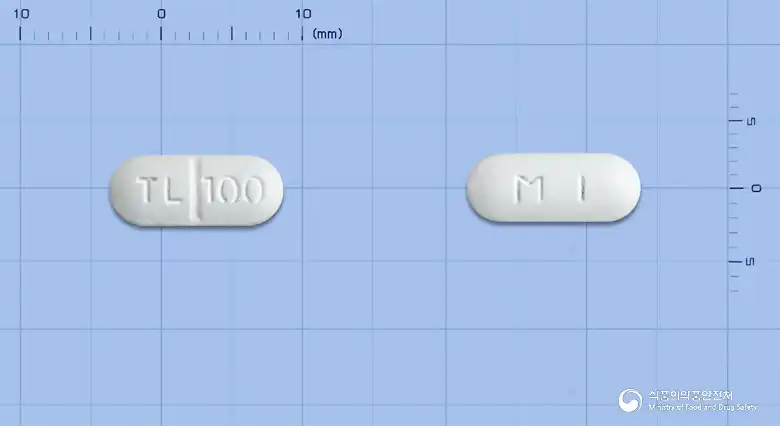
Sertraline Hydrochloride 111.9mg
Tablet · Prescription medication
Myungjin Pharmaceutical Co., Ltd.
Even with the same ingredient, the dose and directions can differ by strength and dosage form. Talk to a doctor or pharmacist before switching from a medication you are already taking.
No questions yet.
For anything that needs medical judgment, consult a doctor or pharmacist.
This drug information is based on data provided by the Korea Ministry of Food and Drug Safety.
Consult a doctor or pharmacist for accurate dosage, administration, and usage instructions.