
 한국어
 English
 日本語
 中文(简体)
Dosage form image
Viewing nowCephasim Dry Syrup (Cefpodoxime Proxetil)
Cefpodoxime Proxetil 5000mg
Prescription medication
Independence Bio Pharmaceutical Co., Ltd.
MFDS item code 201908191 · Approved 2019.12.02
This product's status changed to Expired on 2024.12.02. It may no longer be sold, so consult a doctor or pharmacist before taking it.
Treatment of respiratory and ear, nose, and throat infections, skin and soft tissue infections, scarlet fever, and urinary tract infections
This medication is effective against various bacteria such as Staphylococcus, Streptococcus, Streptococcus pneumoniae, and Escherichia coli. Major indications include skin and soft tissue infections such as boils, carbuncles, and contagious impetigo, as well as respiratory infections like pharyngitis, acute bronchitis, tonsillitis, and pneumonia. It is also used for urinary tract infections like pyelonephritis and cystitis, otitis media, sinusitis, and scarlet fever. This medication effectively treats inflammation and symptoms caused by these infections, aiding in patient recovery. Overall, it is used for the treatment of various types of bacterial infections.
In cases assessed as severe or insufficiently effective, 4.5mg (potency) per kg body weight per dose, administered orally 3 times a day. Adjust according to age, symptoms, etc.
Infants and children: Administer cefpodoxime 3mg (potency) per kg of body weight per dose, 2~3 times daily; suspend before oral administration. For severe cases or cases considered to have an insufficient response, administer 4.5mg (potency) per kg of body weight per dose orally 3 times daily. Adjust the dose appropriately according to age, symptoms, etc.
This medication contains the artificial sweetener aspartame, which breaks down into phenylalanine in the body. Therefore, it should not be used in patients with phenylketonuria. The daily intake of aspartame should be kept below the WHO recommended levels, and adults weighing 60 kg can take a maximum of 2.4g per day. There are also patients who should not use this medication. For example, patients who have had shock from this medication in the past, those with lactose intolerance or galactose metabolism disorders should not take it. Additionally, patients allergic to this medication's ingredients or similar classes of antibiotics should generally avoid use, but in essential cases, it should be administered with great caution. This medication may be excreted slowly in patients with impaired kidney function, so those with kidney disorders should use it carefully. Elderly patients or those in poor general condition may also show symptoms of vitamin K deficiency, thus monitoring is required. While taking this medication, severe allergic reactions such as shock or anaphylaxis may occur rarely, so treatment should be immediately discontinued if any unusual symptoms arise. Hypersensitivity reactions like skin rash, hives, itching, and gastrointestinal disturbances such as diarrhea, abdominal pain should be discussed with medical staff if symptoms occur. Respiratory issues or blood abnormalities, central nervous system symptoms have also been reported rarely, so immediate reporting of any unusual symptoms is essential. If this medication is taken for an extended period, it is advisable to check white blood cell counts through blood tests. Dizziness may occur when driving or operating machinery, hence caution is advised. This medication may interact with other drugs, so inform your physician or pharmacist if taken with diuretics, certain antibiotics, or gastrointestinal medications. Women who are pregnant or may become pregnant should carefully consider the risks and benefits of using this medication, and breastfeeding women are recommended to discontinue breastfeeding while using it. It is advisable to avoid use in infants or newborns, especially babies under 2 months of age, as safety has not been established. Elderly patients should use this medication with caution, adjusting dosing and intervals due to decreased physiological function and bleeding risks. Finally, this medication should be stored in a tightly sealed container away from air and moisture, at a temperature between 1 to 30 degrees Celsius. Proper storage helps maintain the medication’s effectiveness.
shock
Not everyone experiences these, and they can vary from person to person.
This medication should be stored in a tightly sealed container away from air and moisture, at a temperature between 1 to 30 degrees Celsius for safety. By following this storage guideline, the effectiveness of the medication can be preserved for an extended period.
Pale pink to light purple granules
For oral use - 200 milliliters/bottle
Even with the same ingredient, strength, dosage form and how it is taken can differ.
Cefpodoxime Proxetil 5000mg
Prescription medication
Independence Bio Pharmaceutical Co., Ltd.
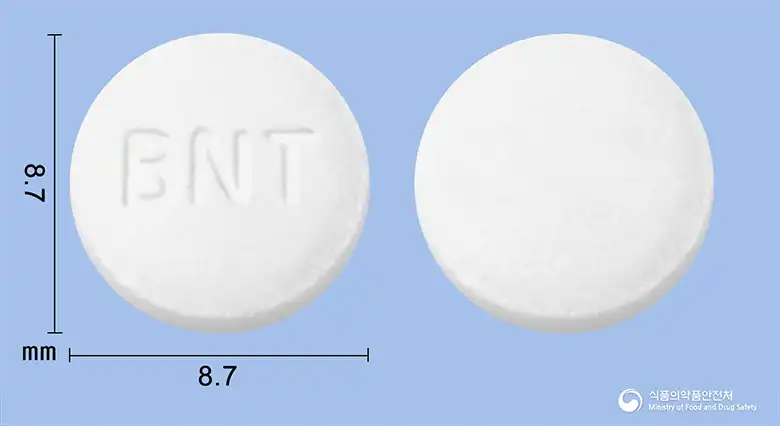
Cefpodoxime Proxetil 100mg
Tablet · Prescription medication
HK inno.N Co., Ltd.
Cefpodoxime Proxetil 5000mg
Prescription medication
HK inno.N Co., Ltd.
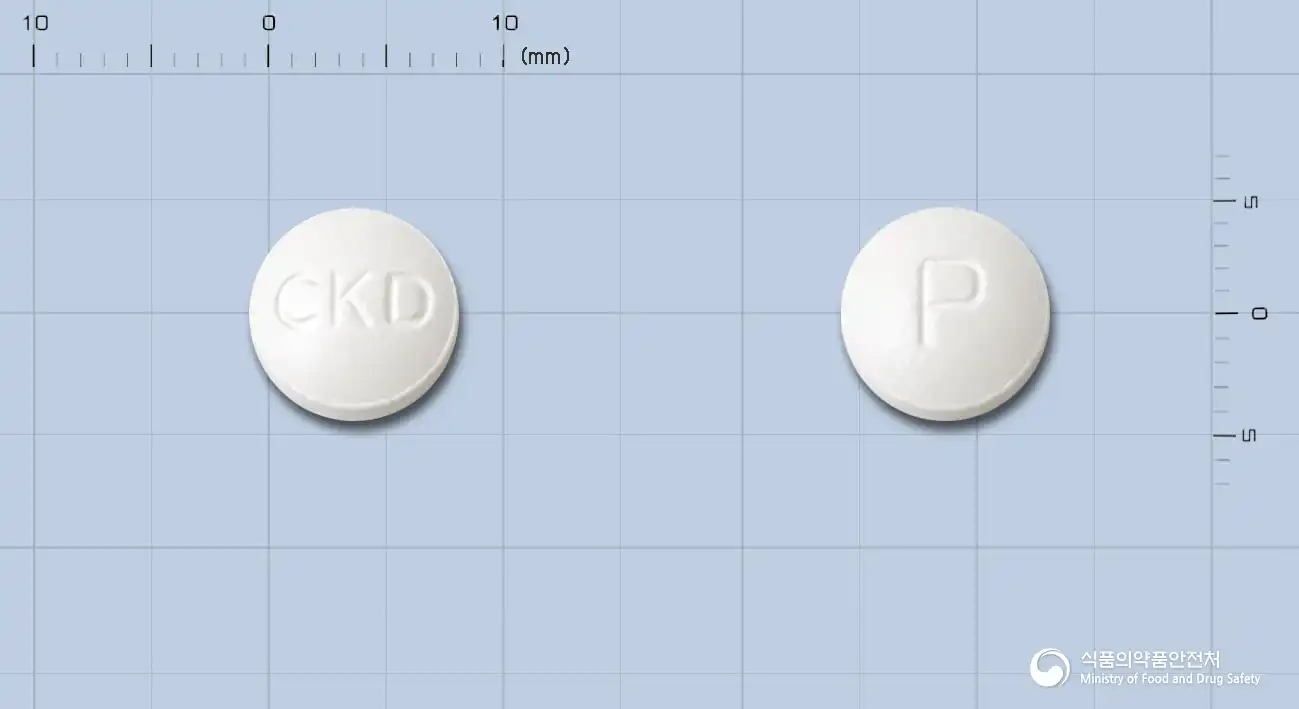
Cefpodoxime Proxetil 100mg
Tablet · Prescription medication
Jongkundang Co., Ltd.
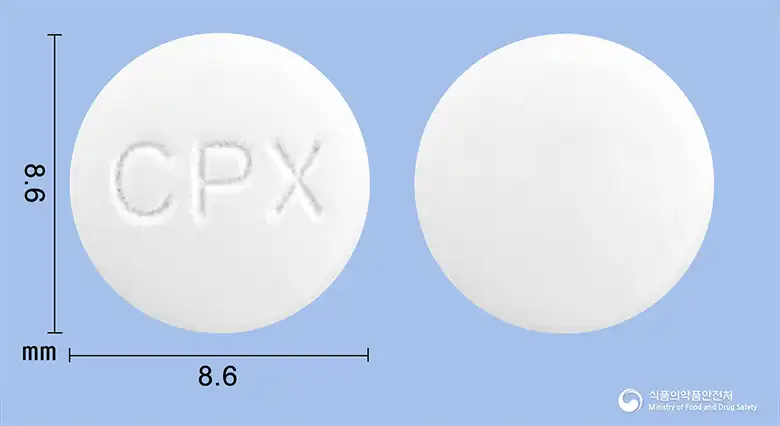
Cefpodoxime Proxetil 100mg
Tablet · Prescription medication
Youngjin Pharmaceutical Co., Ltd.
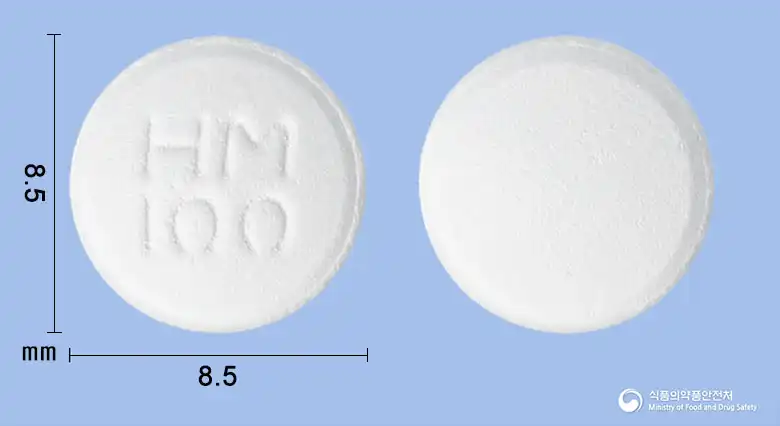
Cefpodoxime Proxetil 130mg
Tablet · Prescription medication
Hanmi Pharmaceutical Co., Ltd.
Cefpodoxime Proxetil 5000mg
Prescription medication
Jongkundang Co., Ltd.
Cefpodoxime Proxetil
Prescription medication
SK Chemicals Co., Ltd.
Even with the same ingredient, the dose and directions can differ by strength and dosage form. Talk to a doctor or pharmacist before switching from a medication you are already taking.
No questions yet.
For anything that needs medical judgment, consult a doctor or pharmacist.
This drug information is based on data provided by the Korea Ministry of Food and Drug Safety.
Consult a doctor or pharmacist for accurate dosage, administration, and usage instructions.