
 한국어
한국어 English
 日本語
日本語 中文(简体)
Dosage form image
Viewing nowCombinationFeminentin Neo Syrup [Amoxicillin-Clavulanate Potassium (14:1)]
Amoxicillin Hydrate 54.55g · Dilute Potassium Clavulanate 3.9g
Syrup · Prescription medication · Combination
Ilhwa Co., Ltd.
MFDS item code 201907986 · Notified 2019.11.19
This product's status changed to Expired on 2024.11.19. It may no longer be sold, so consult a doctor or pharmacist before taking it.
Treatment of recurrent acute otitis media and acute sinusitis in children
This medication is used to treat recurrent or persistent acute otitis media and acute sinusitis in pediatric patients. It is particularly effective in children under 2 years old who have received antibiotics for acute otitis media or sinusitis within the last 3 months or who attend daycare. It can counteract major pathogens such as Streptococcus pneumoniae, Haemophilus influenzae (including beta-lactamase producing strains), and Moraxella catarrhalis. This medication helps treat infections and improves symptoms.
There is no experience with this medication in adults. This medication is administered at the beginning of meals to minimize the possibility of gastrointestinal disturbances. The absorption of clavulanate potassium is increased when taken at the beginning of meals.
Pediatric patients 3 months and older: For a dose based on amoxicillin content (600 mg/5 mL), take 90 mg/kg/day divided into doses every 12 hours. Acute otitis media for 10 days, acute sinusitis for 7 days
This medication contains the artificial sweetener aspartame which breaks down into phenylalanine in the body. Therefore, it should not be used by patients with phenylketonuria, a genetic disorder that requires limited intake of phenylalanine. Patients who have a history of allergy to the components of this medication or penicillin and cephalosporin antibiotics, patients with infectious mononucleosis or lymphocytic leukemia, patients with a history of liver dysfunction or jaundice due to this medication or penicillin, and patients with genetic problems such as lactose intolerance or galactose intolerance should not be administered this medication. Patients with poor liver function or moderate to severe renal impairment should be cautious when using this medication, as well as allergic individuals, those who have difficulty taking medication orally, the elderly, and patients in poor general condition should be administered this medication with caution. Additionally, patients with gastrointestinal diseases accompanied by vomiting or diarrhea should be careful as the absorption of the drug may not be adequate. This medication may cause mostly mild or temporary side effects, with the most common side effects being skin rash, diarrhea, and vomiting. Rarely, liver function abnormalities, severe allergic reactions, blood disorders, renal impairment, and central nervous system abnormalities may occur, so any abnormal symptoms should be consulted with a physician immediately. It is important to regularly monitor and observe kidney and liver function, as well as blood status, in patients who use this medication for an extended period or in high doses. Moreover, patients who have had hypersensitivity to penicillin antibiotics should inform medical personnel before administering this medication. This medication should only be used for the treatment of bacterial infections and will not be effective against viral infections. Even if symptoms improve during treatment, the prescribed duration of medication should be continued, and stopping or skipping doses can reduce treatment efficacy and risk the development of resistant bacteria. Before taking, the medication should be shaken well, and after preparation, it should be stored in the refrigerator and used within 7 days. Keep out of reach of children and store in a cool, dry place below 25 degrees Celsius for better efficacy. In cases of overdose, symptoms such as gastrointestinal symptoms, electrolyte abnormalities, rashes, and neurological abnormalities may occur, and medical personnel should be notified immediately, and appropriate treatment should be undertaken if necessary. Additionally, this medication may interact with other drugs, so inform medical personnel about any current medications being taken, especially when used with anticoagulants or certain antibiotics.
Hives, severe swelling (edema), chest tightness, difficulty breathing, cold sweats, pallor, severe rash with high fever, blisters, skin peeling, pain in mouth/eyes mucosa, shortness of breath or difficulty breathing, asthma attacks, respiratory distress with cough and fever, yellowing of the skin or eyes (jaundice), extreme lethargy, sudden and severe headache, lightning headaches, seizures, altered consciousness, visual disturbances, paralysis, decreased urine output
Contact dermatitis, diarrhea, vomiting, moniliasis, rashes, dyspepsia, stomatitis, gastritis, glossitis, nausea, loss of appetite, abdominal pain, abdominal bloating, constipation, colonic pain, hyperacidity, loose stools, xerostomia, candidiasis, severe colitis without bloody stool, itching, erythema multiforme, Stevens-Johnson syndrome, toxic epidermal necrolysis, vesicular exfoliative dermatitis, acute generalized exanthematous pustulosis, eosinophilia, drug reaction with eosinophilia and systemic symptoms (DRESS)
Not everyone experiences these, and they can vary from person to person.
This medication may be sensitive to air or moisture, so it should be stored in a tightly sealed container. It is also advisable to place it in a cool, dry place between 1 and 25 degrees Celsius. This will help maintain the medication's efficacy for a longer period.
A syrup form that is a white to pale yellow powder with a peculiar smell, used after dissolving.
50 milliliters/bottle
Even with the same ingredient, strength, dosage form and how it is taken can differ.
Amoxicillin Hydrate 54.55g · Dilute Potassium Clavulanate 3.9g
Syrup · Prescription medication · Combination
Ilhwa Co., Ltd.
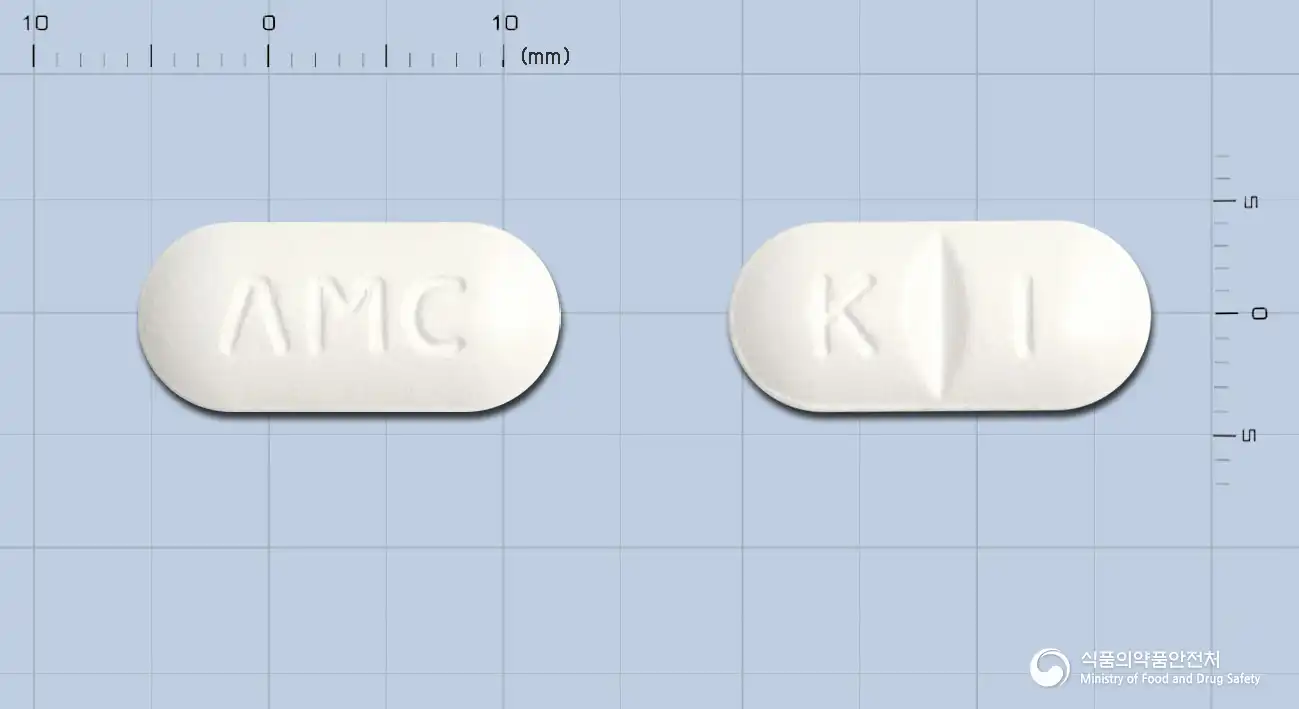 Combination
Amoxicillin Hydrate 500mg · Dilute Potassium Clavulanate 215.52mg
Tablet · Prescription medication · Combination
Geonil Pharmaceutical Co., Ltd.
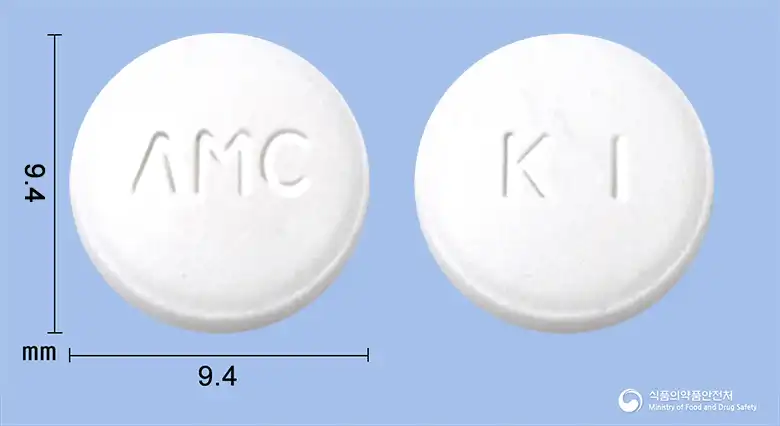 Combination
Amoxicillin Hydrate 125mg · Dilute Potassium Clavulanate 107.76mg
Tablet · Prescription medication · Combination
Geonil Pharmaceutical Co., Ltd.
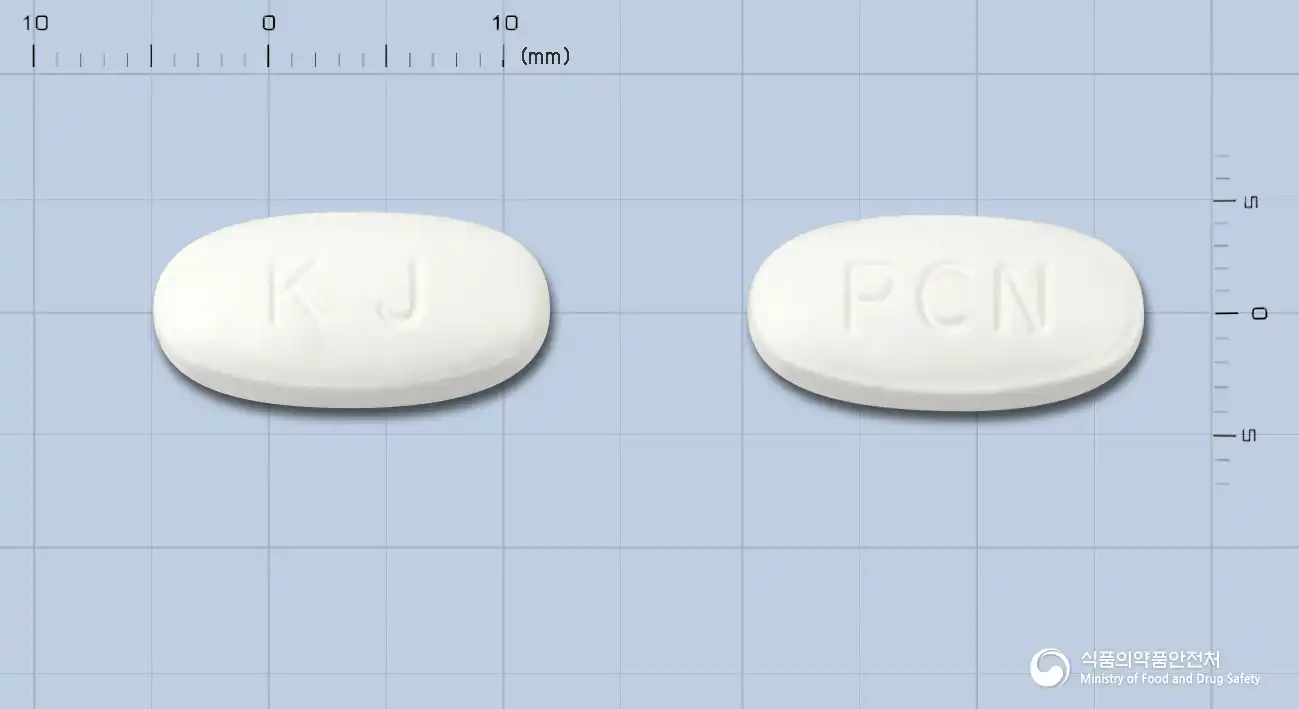 Combination
Amoxicillin Hydrate 250mg · Dilute Potassium Clavulanate 212.73mg
Tablet · Prescription medication · Combination
International Pharmaceutical Co., Ltd.
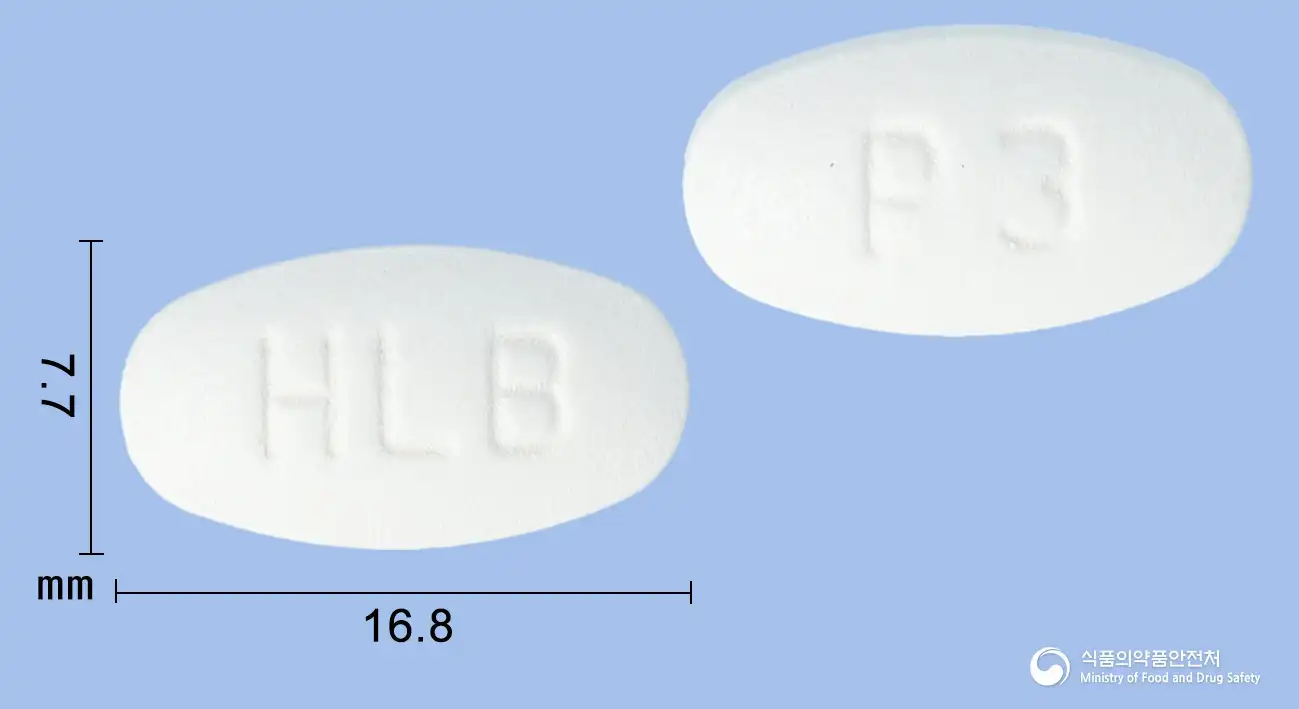 Combination
Amoxicillin Hydrate 250mg · Dilute Potassium Clavulanate 215.52mg
Tablet · Prescription medication · Combination
HLB Pharmaceutical Co., Ltd.
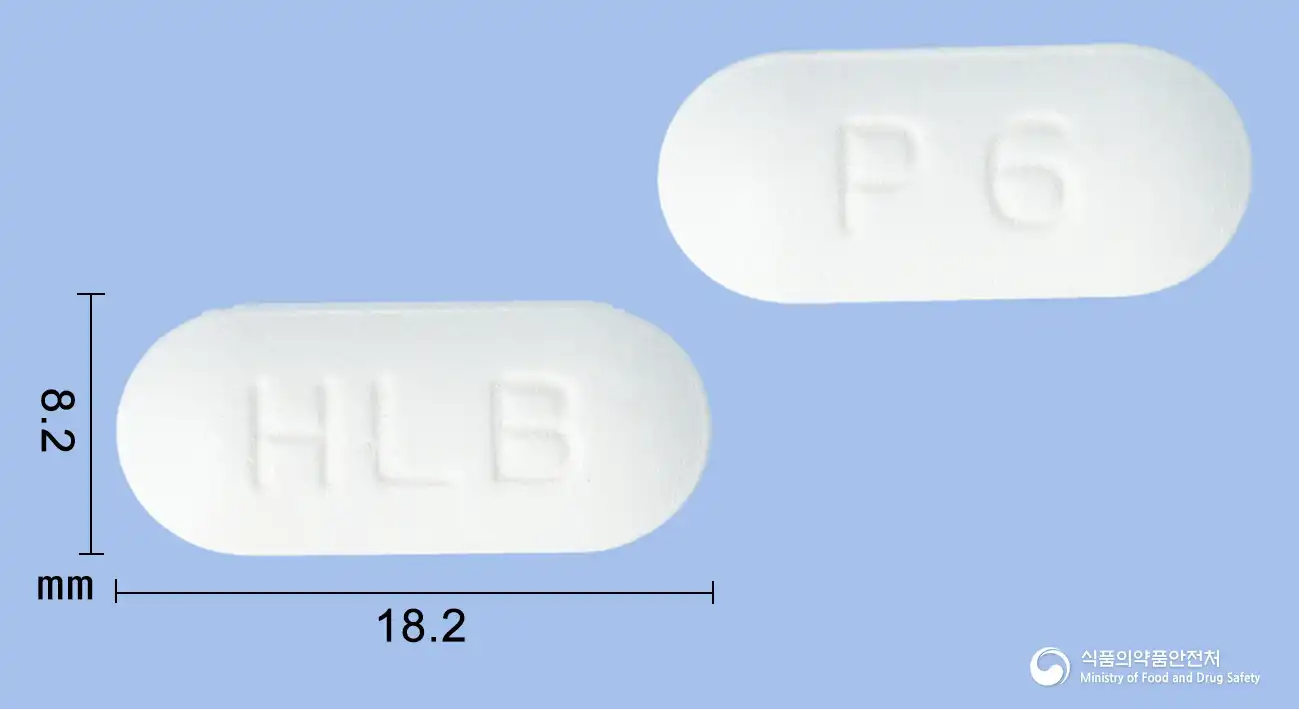 Combination
Amoxicillin Hydrate 500mg · Dilute Potassium Clavulanate 215.52mg
Tablet · Prescription medication · Combination
HLB Pharmaceuticals Co., Ltd.
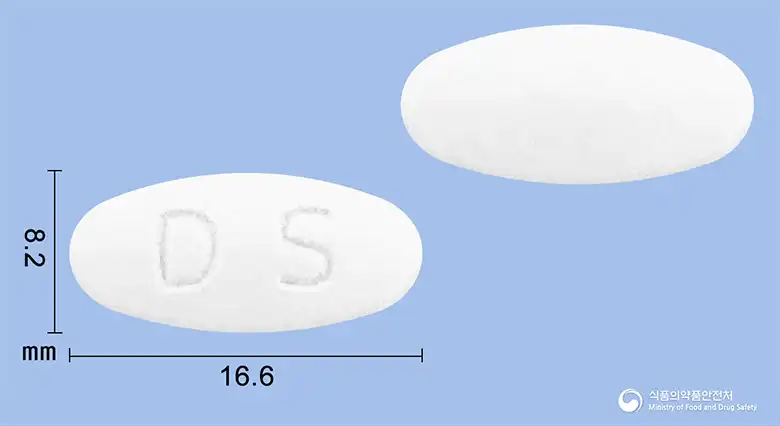 Combination
Amoxicillin Hydrate 250mg · Dilute Potassium Clavulanate 215.52mg
Tablet · Prescription medication · Combination
Dong Sung Pharmaceutical Co., Ltd.
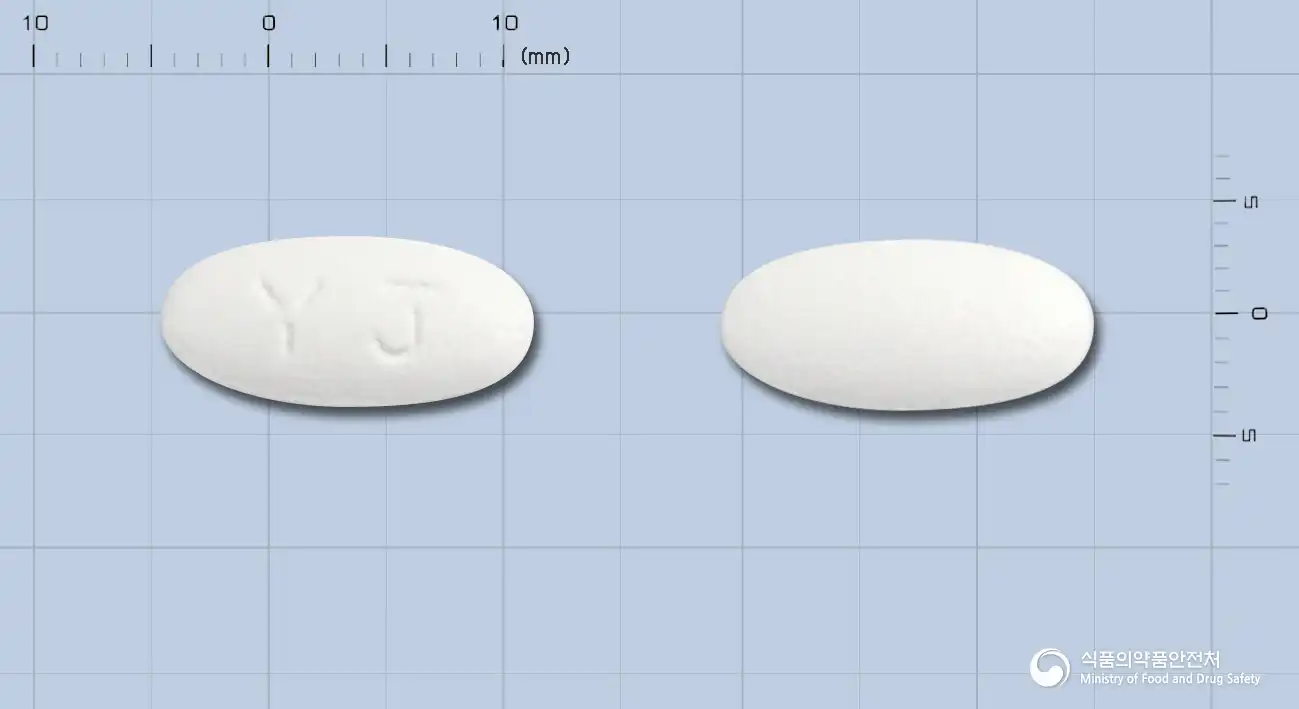 Combination
Amoxicillin Hydrate 250mg · Dilute Potassium Clavulanate 212.73mg
Tablet · Prescription medication · Combination
Youngjin Pharmaceutical Co., Ltd.
Even with the same ingredient, the dose and directions can differ by strength and dosage form. Talk to a doctor or pharmacist before switching from a medication you are already taking.
No questions yet.
For anything that needs medical judgment, consult a doctor or pharmacist.
This drug information is based on data provided by the Korea Ministry of Food and Drug Safety.
Consult a doctor or pharmacist for accurate dosage, administration, and usage instructions.