
 한국어
 English
 日本語
 中文(简体)
Dosage form image
Viewing nowCombinationFenimentin Duo Syrup [Amoxicillin-Clavulanate Potassium (7:1)]
Amoxicillin Hydrate 36.3143g · Dilute Potassium Clavulanate 5.1878g
Syrup · Prescription medication · Combination
Ilhwa Co., Ltd.
MFDS item code 201907985 · Notified 2019.11.19
This product's status changed to Expired on 2024.11.19. It may no longer be sold, so consult a doctor or pharmacist before taking it.
Treatment of respiratory and otolaryngologic, genitourinary, skin and soft tissue, bone, and dental infections
This medication is effective against various types of bacteria and is used for respiratory infections such as acute and chronic bronchitis, lobar and bronchial pneumonia, empyema, lung abscess, tonsillitis, sinusitis, and otitis media. It is also effective for infections of the urinary tract such as cystitis, urethritis, pyelonephritis, as well as pelvic infections and the treatment of gonorrhea. It applies to skin and soft tissue infections such as abscesses, cellulitis, wound infections, and osteomyelitis, as well as dental infections. This drug broadly improves infections targeting various bacteria, including beta-lactamase-producing strains resistant to ampicillin and amoxicillin. Patients can use it confidently for various bacterial infection treatments.
For mild to moderate infections such as recurrent tonsillitis, upper respiratory infections, lower respiratory infections, urinary tract infections, and skin and soft tissue infections, the dosage is 25 mg/3.6 mg of amoxicillin/clavulanate potassium per kg of body weight, divided into two doses per day. For severe infections such as otitis media, sinusitis, and lower respiratory infections like bronchopneumonia, the dosage is 45 mg/6.4 mg of amoxicillin/clavulanate potassium per kg of body weight, divided into two doses per day.
For mild to moderate infections, such as upper respiratory tract infections including recurrent tonsillitis, lower respiratory tract infections, urinary tract infections, and skin and soft tissue infections, the usual dose is 25 mg/3.6 mg per kg of body weight per day of amoxicillin/potassium clavulanate, divided into 2 doses. For severe infections, such as upper respiratory tract infections including otitis media and sinusitis, lower respiratory tract infections such as bronchopneumonia, and urinary tract infections, the usual dose is 45 mg/6.4 mg per kg of body weight per day of amoxicillin/potassium clavulanate, divided into 2 doses. The 7 : 1 syrup is not suitable for children under 2 months of age. The 7 : 1 syrup is not suitable for pediatric patients with renal impairment.
This medication contains the artificial sweetener aspartame, so it should not be used by patients with phenylketonuria who need to limit phenylalanine intake. Patients allergic to any of the ingredients or beta-lactam antibiotics may experience severe hypersensitivity reactions upon administration and should avoid it. Patients with viral infections such as infectious mononucleosis or lymphocytic leukemia should be cautious as using this medication may increase the risk of rash. Patients with impaired liver or kidney function should be cautious as the side effects of this medication may be exacerbated, and it should be used carefully under medical supervision. Gastrointestinal side effects such as diarrhea, abdominal pain, and vomiting may occur with this medication, and are especially likely in young children; prompt consultation with medical personnel is necessary if symptoms are severe. Liver dysfunction symptoms can rarely occur, making regular liver function tests important during prolonged use. Severe skin reactions such as rashes, itching, and in severe cases, stevens-johnson syndrome can occur, thus medication use should be ceased immediately and medical attention sought if such symptoms arise. This medication can affect the blood, and symptoms such as anemia or thrombocytopenia can occur rarely; notify your healthcare provider if unusual symptoms appear. Pregnant or breastfeeding women must consult with a doctor before using this medication, and it is advisable to avoid use, particularly in early pregnancy. Safety for very young infants or premature infants is not established, thus caution is necessary for this age group. This medication may interact with other drugs, so it's essential to inform your doctor or pharmacist about any other medications being taken. In the case of overdose, gastrointestinal disorder, allergic reactions, or kidney problems may occur, so it's crucial to adhere to the prescribed dosage and visit a healthcare facility if any unusual symptoms appear. After preparation, refrigerate and use within 7 days, avoiding direct sunlight and storing it in a dry place.
Diarrhea, pseudomembranous colitis, dyspepsia, stomatitis, gastritis, glossitis, black hairy tongue, nausea, vomiting, loss of appetite, abdominal pain, abdominal bloating, constipation, colonic pain, hyperacidity, soft stools, dry mouth, acute pancreatitis, candidiasis, antibiotic-associated colitis, severe colitis with bloody stools, elevated AST, elevated ALT, elevated ALP, elevated LDH, elevated serum bilirubin, hepatitis, cholestatic jaundice, itching, polymorphous light eruption, mucocutaneous syndrome, toxic epidermal necrolysis, vesicular exfoliative dermatitis, acute generalized pustular dermatitis, drug reactions with eosinophilia and systemic symptoms, angioedema, anaphylaxis, serum sickness-like syndrome, hypersensitivity vasculitis, respiratory distress with bronchospasm, laryngeal edema, anaphylactic shock, reversible leukopenia, reversible thrombocytopenia, hemolytic anemia, anemia, thrombocytopenic purpura, eosinophilia, leukemia, agranulocytosis, lymphocytopenia, thrombocytosis, marrow suppression, prolonged bleeding time, prolonged prothrombin time, oral candidiasis, vaginal itching, vaginal burning, increased secretions, anxiety, restlessness, behavioral changes, confusion, drowsiness, insomnia, reversible hyperactivity, dizziness, headache, seizures, antiparkinsonian effects, fever, aseptic meningitis, acute renal failure, interstitial nephritis, hematuria, crystalluria, vitamin K deficiency symptoms, vitamin B deficiency symptoms, tooth discoloration, linear IgA disease, taste disturbances, malaise, dermatitis, oral edema, stomach pain, abdominal pain, rash, hyperactivity, drowsiness, reduced urine output, interstitial cerebral seizures, hypersensitivity shock, skin reactions, bleeding, pancytopenia
Not everyone experiences these, and they can vary from person to person.
This medication should be stored in a sealed container to protect it from air and moisture. Additionally, it is recommended to store it in a cool and dry place below 25 degrees Celsius.
A whitish powder with a peculiar odor, used as a syrup that dissolves when needed
50 milliliters/bottle, 500 milliliters/bottle
Even with the same ingredient, strength, dosage form and how it is taken can differ.
Amoxicillin Hydrate 36.3143g · Dilute Potassium Clavulanate 5.1878g
Syrup · Prescription medication · Combination
Ilhwa Co., Ltd.
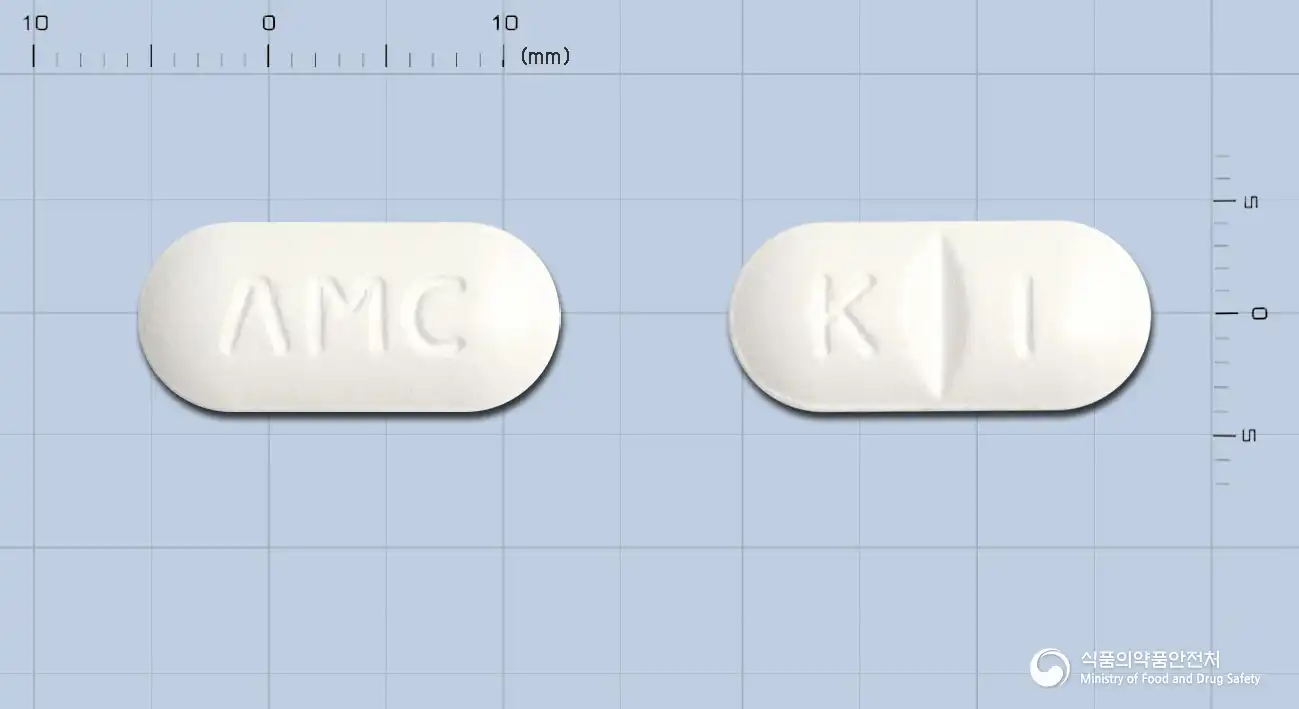 Combination
Amoxicillin Hydrate 500mg · Dilute Potassium Clavulanate 215.52mg
Tablet · Prescription medication · Combination
Geonil Pharmaceutical Co., Ltd.
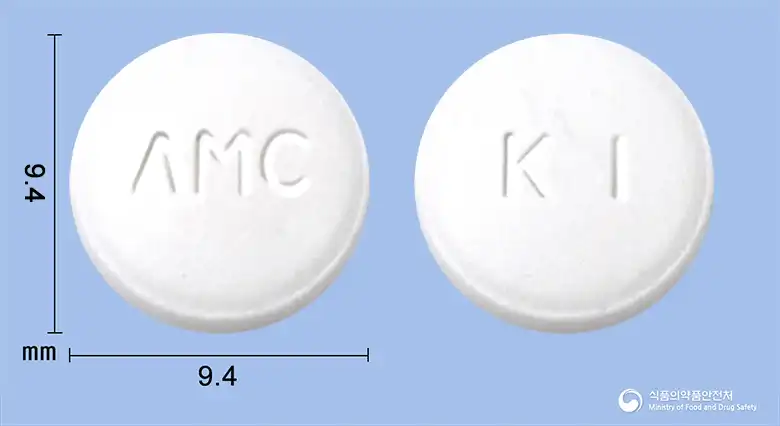 Combination
Amoxicillin Hydrate 125mg · Dilute Potassium Clavulanate 107.76mg
Tablet · Prescription medication · Combination
Geonil Pharmaceutical Co., Ltd.
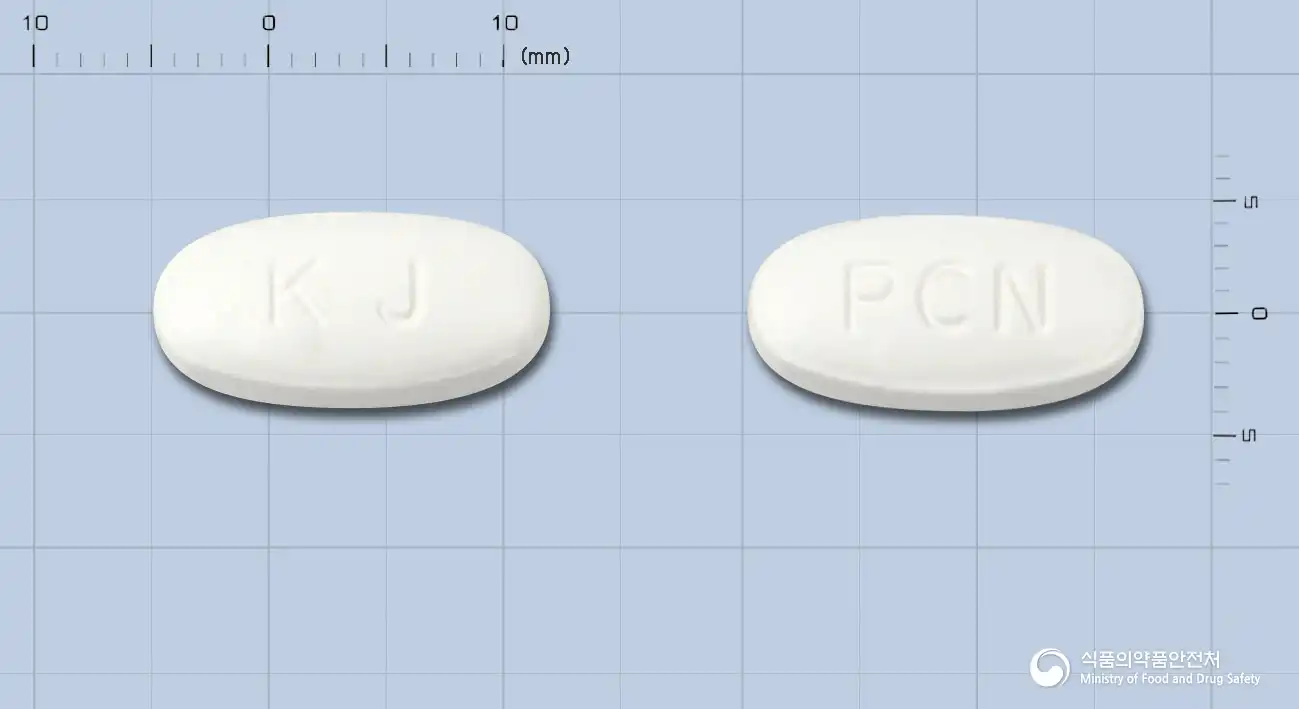 Combination
Amoxicillin Hydrate 250mg · Dilute Potassium Clavulanate 212.73mg
Tablet · Prescription medication · Combination
International Pharmaceutical Co., Ltd.
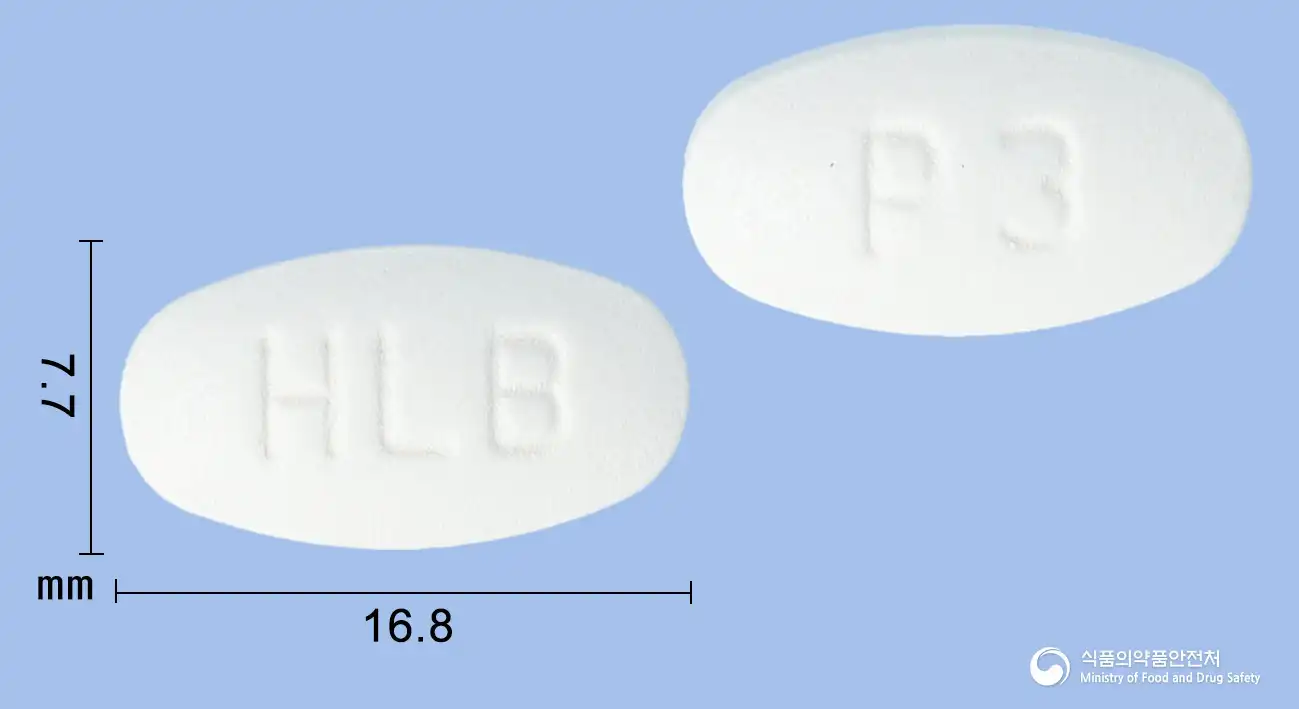 Combination
Amoxicillin Hydrate 250mg · Dilute Potassium Clavulanate 215.52mg
Tablet · Prescription medication · Combination
HLB Pharmaceutical Co., Ltd.
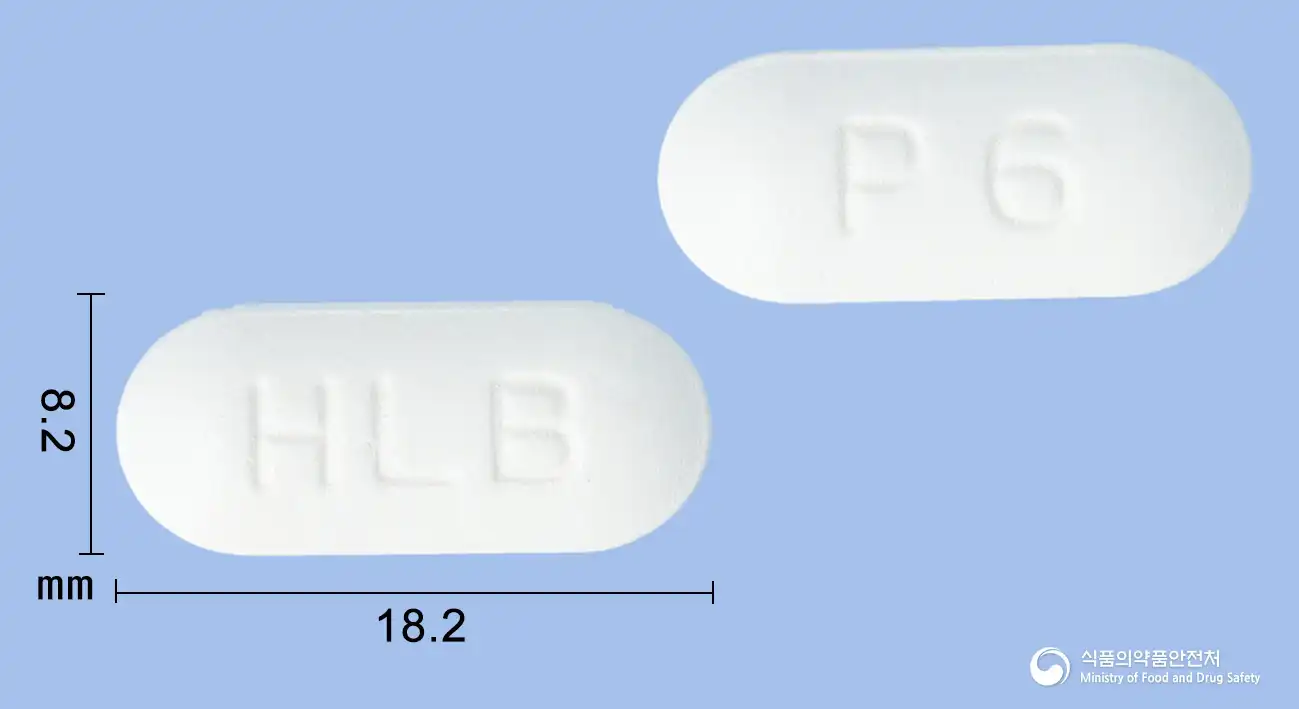 Combination
Amoxicillin Hydrate 500mg · Dilute Potassium Clavulanate 215.52mg
Tablet · Prescription medication · Combination
HLB Pharmaceuticals Co., Ltd.
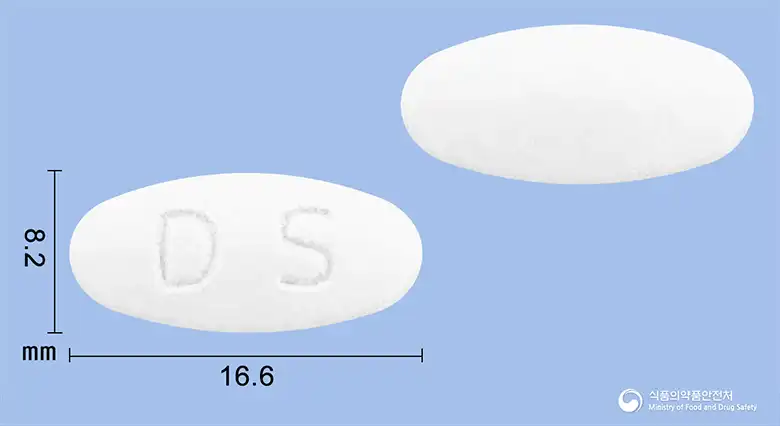 Combination
Amoxicillin Hydrate 250mg · Dilute Potassium Clavulanate 215.52mg
Tablet · Prescription medication · Combination
Dong Sung Pharmaceutical Co., Ltd.
 Combination
Amoxicillin Hydrate 250mg · Dilute Potassium Clavulanate 212.73mg
Tablet · Prescription medication · Combination
Youngjin Pharmaceutical Co., Ltd.
Even with the same ingredient, the dose and directions can differ by strength and dosage form. Talk to a doctor or pharmacist before switching from a medication you are already taking.
No questions yet.
For anything that needs medical judgment, consult a doctor or pharmacist.
This drug information is based on data provided by the Korea Ministry of Food and Drug Safety.
Consult a doctor or pharmacist for accurate dosage, administration, and usage instructions.