
 한국어
한국어 English
 日本語
日本語 中文(简体)
Dosage form image
Viewing nowMontelukast 4 mg (Montelukast Sodium)
Montelukast Sodium 4.16mg
Prescription medication
Samchundang Pharmaceutical Co., Ltd.
MFDS item code 201907953 · Approved 2019.11.15 · Insurance code 651205761
Prevention of asthma and relief of allergic rhinitis symptoms
This medication helps to prevent the onset of asthma and manage it continuously. It is also effective in alleviating the symptoms of allergic rhinitis that occur seasonally and throughout the year. Thus, it is used for the treatment of both asthma and allergic rhinitis.
This medication should be taken once daily in the evening for asthma patients. Patients with both asthma and allergic rhinitis should take this medication once daily, 1 tablet, 1 packet, or 1 stick in the evening.
Children aged 2 to 5 years should take 4 mg orally once a day. Infants aged 12 months to less than 2 years should take 4 mg orally once in the evening. Infants aged 6 months to less than 2 years should take this medication.
This medication is used to alleviate the symptoms of asthma and allergic rhinitis. While taking this medication, psychiatric symptoms such as restlessness, anxiety, depression, hallucinations, and suicidal thoughts may occur, so it is essential to consult a doctor immediately if such symptoms arise. Patients with hypersensitivity should not take this medication, and if an allergic reaction occurs, they should stop taking it and inform a doctor immediately. This medication is not for the treatment of acute asthma attacks or bronchospasm; hence, appropriate emergency treatment should always be readily available if acute symptoms occur. It should not be used alone for the treatment of exercise-induced bronchospasm; if necessary, an inhaled bronchodilator should be used in conjunction. Patients with hypersensitivity to aspirin or non-steroidal anti-inflammatory drugs should avoid taking these medications while on this medication. Various adverse reactions such as liver function abnormalities, skin rash, gastrointestinal symptoms, respiratory symptoms, etc., may occur during treatment with this medication; ensure to consult a doctor if any symptoms arise. If pregnant or breastfeeding, this medication should only be taken under a doctor's discretion when absolutely necessary. Children and elderly patients should also take this medication according to a doctor’s instructions. There is no specific antidote in case of overdose, so be cautious not to exceed the dosage. If an overdose is suspected, contact a medical institution immediately. This medication is sensitive to light, so it should be taken immediately after opening, and should be stored out of reach of children. While taking this medication, do not arbitrarily change or stop any other asthma treatments as directed by a doctor, and consult a doctor immediately if asthma symptoms worsen or new symptoms appear.
Urticaria, angioedema, toxic epidermal necrolysis, Stevens-Johnson syndrome, severe swelling (edema), chest tightness, difficulty breathing, cold sweat, paleness, severe allergic reactions, severe rashes with high fever, blisters, skin peeling, mucous membrane pain in the mouth/eyes, severe skin adverse reactions, shortness of breath or difficulty breathing, asthma attacks, respiratory abnormalities with cough + fever, respiratory issues, yellowing of the skin or eyes (jaundice),
Not everyone experiences these, and they can vary from person to person.
This medication is sensitive to air, moisture, and light, so it should be stored in a tightly sealed container. It is advisable to maintain a storage temperature in the range of 1 to 30 degrees Celsius. Proper storage helps to retain the medication's effectiveness for a longer duration.
A white, uniform granule without foreign substances
4 mg/packet [x28]
Even with the same ingredient, strength, dosage form and how it is taken can differ.
Montelukast Sodium 4.16mg
Prescription medication
Samchundang Pharmaceutical Co., Ltd.
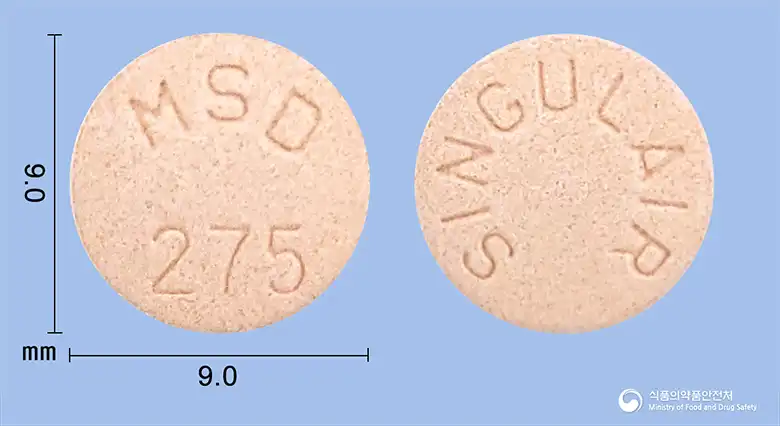
Montelukast Sodium 5.2mg
Chewable Tablet · Prescription medication
Korea Organon Co., Ltd.
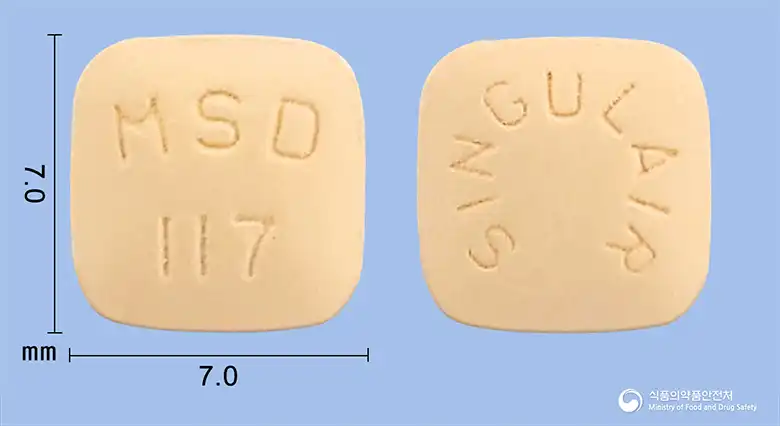
Montelukast Sodium 10.4mg
Tablet · Prescription medication
Korea Organon Co., Ltd.
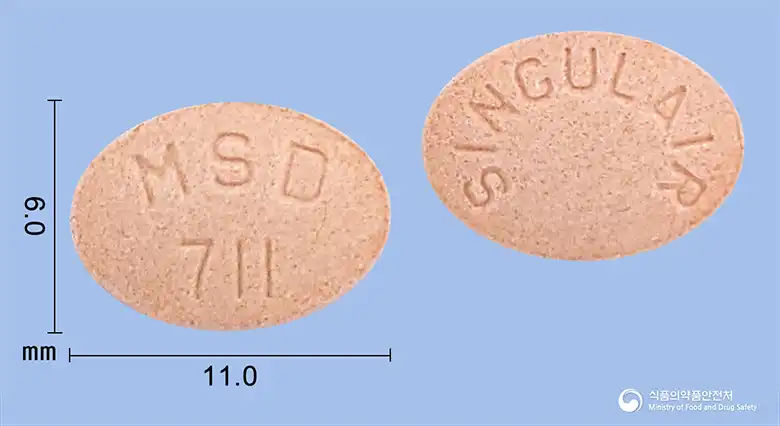
Montelukast Sodium 4.16mg
Chewable Tablet · Prescription medication
Korea Organon Co., Ltd.
Montelukast Sodium 4.16mg
Prescription medication
Korea Organon Co., Ltd.
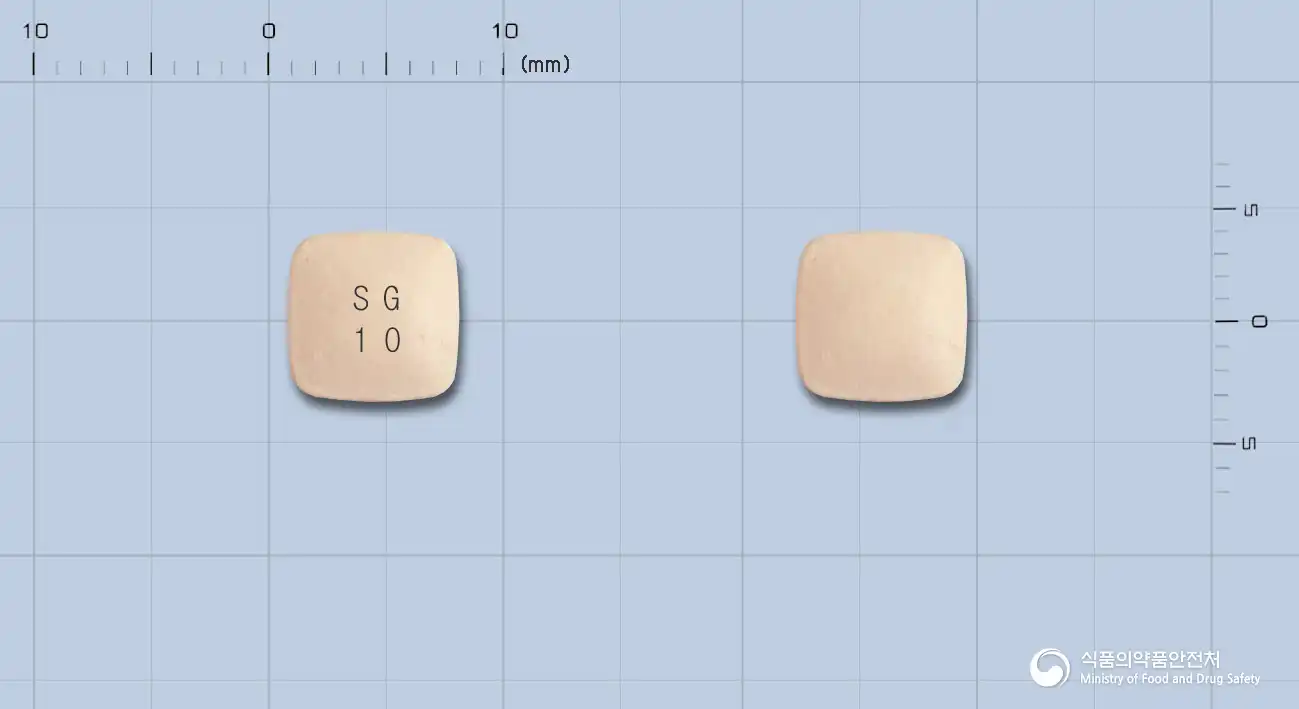
Montelukast Sodium 10.4mg
Tablet · Prescription medication
JW Pharmaceutical Co., Ltd.
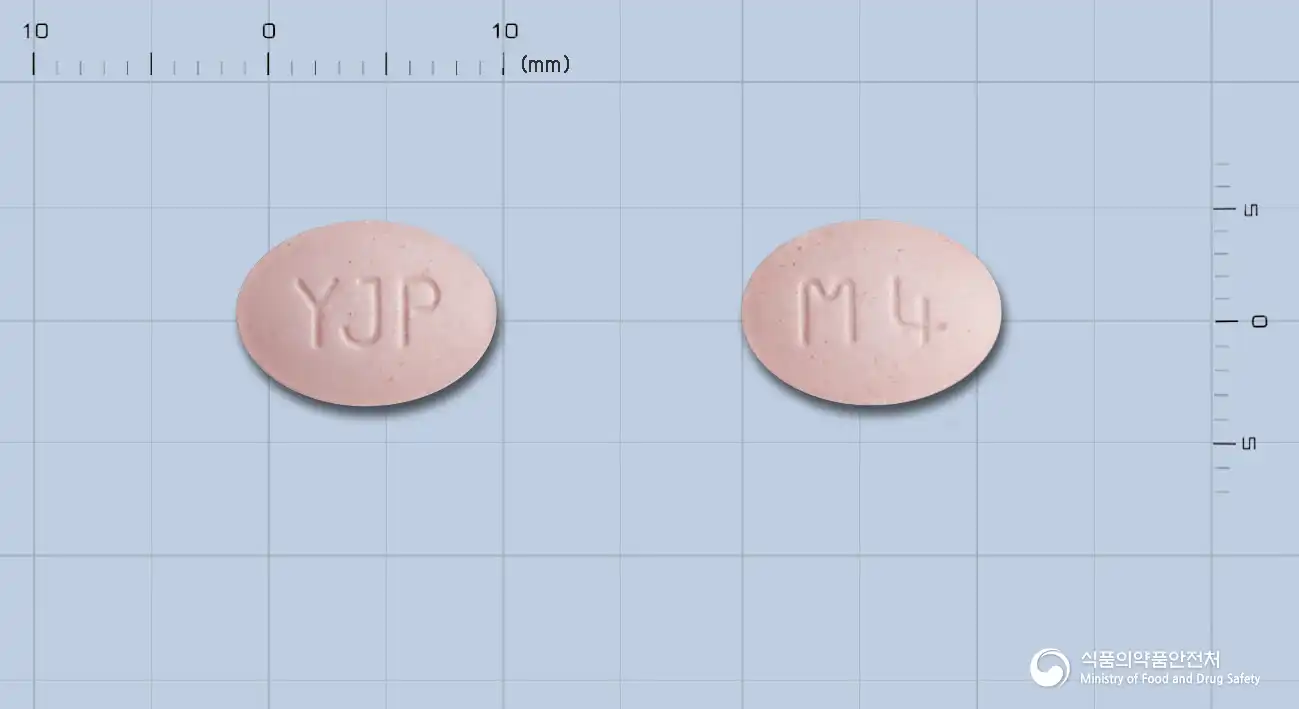
Montelukast Sodium 4.16mg
Chewable Tablet · Prescription medication
Youngjin Pharmaceutical Co., Ltd.
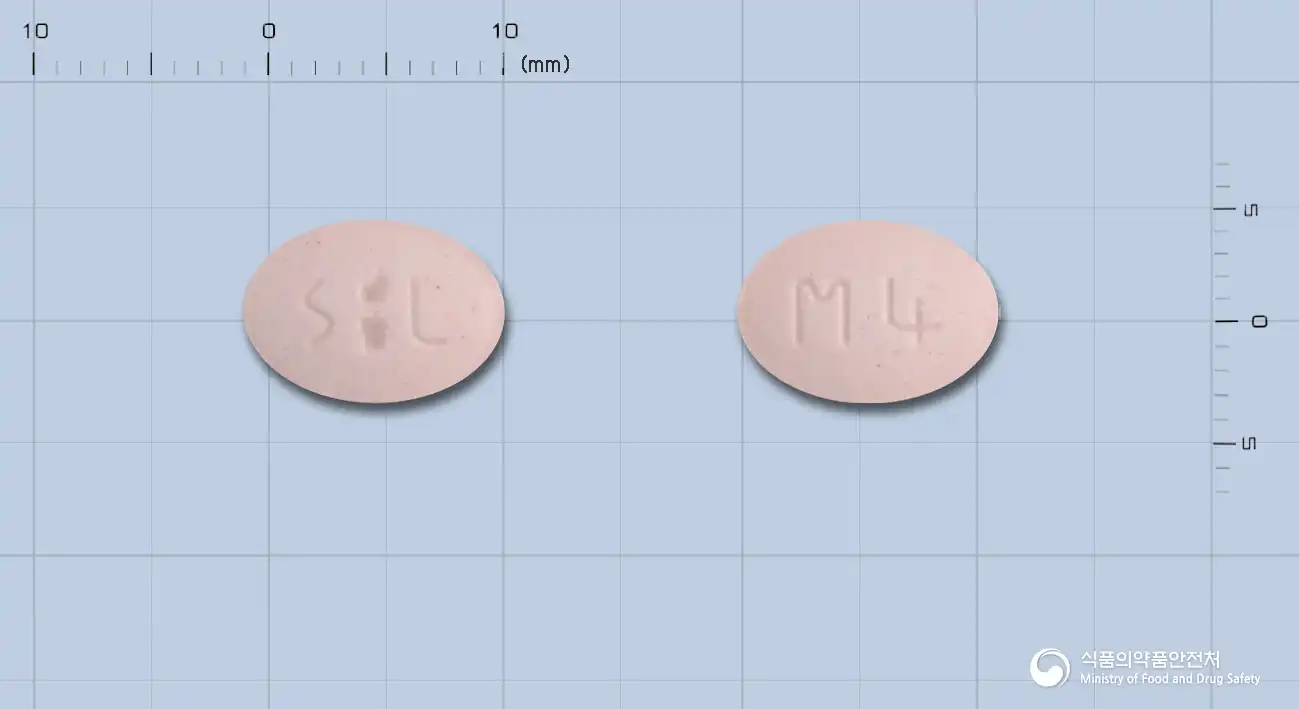
Montelukast Sodium 4.16mg
Chewable Tablet · Prescription medication
Samil Pharmaceutical Co., Ltd.
Even with the same ingredient, the dose and directions can differ by strength and dosage form. Talk to a doctor or pharmacist before switching from a medication you are already taking.
No questions yet.
For anything that needs medical judgment, consult a doctor or pharmacist.
This drug information is based on data provided by the Korea Ministry of Food and Drug Safety.
Consult a doctor or pharmacist for accurate dosage, administration, and usage instructions.