Treatment of hypertension, improvement of dyslipidemia, and inhibition of atherosclerosis progression and cardiovascular risk
Who takes it
Adults · Children
Adult dose
Take 1 tablet once daily with water, regardless of meals. If possible, it is recommended to take it at the same time each day (e.g., in the morning).
This medicine is for adults only. The dose should be individualized for each patient based on the efficacy and tolerability of the fimasartan/amlodipine combination and rosuvastatin.
Patients taking the fimasartan/amlodipine combination together with rosuvastatin as a single-ingredient product may switch to this medicine (a combination product containing the same amounts of each active ingredient) for convenience.
Fimasartan/Amlodipine Combination
Adults
Before starting the fimasartan/amlodipine combination, it is recommended that the dose be adjusted using fimasartan. However, if blood pressure is not controlled as described below, switching directly to this medicine may be considered.
ㆍ 30/5 mg: For patients whose blood pressure is not adequately controlled with fimasartan 30 mg monotherapy.
ㆍ 30/10 mg: For patients whose blood pressure is not adequately controlled with fimasartan 30 mg monotherapy or 30/5 mg.
ㆍ 60/5 mg: For patients whose blood pressure is not adequately controlled with fimasartan 60 mg monotherapy.
ㆍ 60/10 mg: For patients whose blood pressure is not adequately controlled with fimasartan 60 mg monotherapy or 60/5 mg.
Elderly patients
No initial dose adjustment is required in elderly patients aged 70 years or younger. In patients aged 75 years or older, amlodipine clearance is reduced; therefore, treatment should be started at a lower dose, and the dose should be increased gradually.
Patients with renal impairment
No dose adjustment is required in patients with mild or moderate renal impairment (creatinine clearance 30 ~ 80 mL/min). However, in patients with severe renal impairment (creatinine clearance < 30 mL/min), treatment should be initiated with fimasartan 30 mg in this medicine.
Patients with hepatic impairment
No dose adjustment is required in patients with mild hepatic impairment. This medicine should not be administered to patients with moderate ~ severe hepatic impairment.
Rosuvastatin
1. Primary hypercholesterolemia (type IIa, including heterozygous familial hypercholesterolemia), mixed dyslipidemia (type IIb), primary dysbetalipoproteinemia (type III), and homozygous familial hypercholesterolemia
Patients receiving rosuvastatin should follow a standard cholesterol-lowering diet before and during treatment and continue it throughout the treatment period. Rosuvastatin may be taken at any time of day, regardless of meals. The initial dose is 5 mg once daily. If a greater reduction in LDL cholesterol is required, the dose may be adjusted to the maintenance dose. The maintenance dose is 10 mg once daily, which provides adequate control in most patients. The maintenance dose should be adjusted as appropriate at intervals of 4 weeks or more, according to LDL cholesterol levels, treatment goals, and patient response, and may be increased to a maximum of 20 mg daily.
2. Elderly patients: No dose adjustment is required.
3. Patients with renal impairment: No dose adjustment is required in patients with mild or moderate renal impairment. Do not administer to patients with severe renal impairment. Particular caution should be exercised when administering rosuvastatin 20mg to patients with moderate renal impairment.
4. Patients with hepatic impairment: No increase in systemic exposure to rosuvastatin was observed in patients with a Child-Pugh score of 7 or less, but an increase was observed in patients with a Child-Pugh score of 8 or 9. Renal function testing should be considered in these patients. There is no experience with administration to patients with a Child-Pugh score greater than 9. Do not administer rosuvastatin to patients with active liver disease.
5. Race: Because systemic exposure to this medicine is increased in Asian patients, the recommended initial dose is 5 mg. Administration of the 40 mg dose is contraindicated.
6. Patients predisposed to myopathy: The recommended initial dose for patients predisposed to myopathy is 5 mg. Administration of rosuvastatin 40 mg is contraindicated in some of these patients.
Child dose
The safety and efficacy of this medicine have not been established in pediatric and adolescent patients aged 18 years or younger.
Treatment of hypertension, improvement of dyslipidemia, and inhibition of atherosclerosis progression and cardiovascular risk
Essential hypertension
primary hypercholesterolemia
heterozygous familial hypercholesterolemia
combined dyslipidemia
homozygous familial hypercholesterolemia
hypercholesterolemia
primary dysbetalipoproteinemia
risk factors for coronary artery disease
hypertension
low HDL cholesterol levels
smoking
family history of early coronary artery disease
View approved original textHide original text
This medication is used as a combination of Pimasartan and Amlodipine for patients with essential hypertension whose blood pressure is not adequately controlled, and for patients who need to manage hypercholesterolemia and dyslipidemia with Rosuvastatin. Rosuvastatin helps manage hypercholesterolemia and dyslipidemia that are not controlled by diet and exercise, and is particularly effective at slowing the progression of atherosclerosis and reducing cardiovascular disease risk. Additionally, it contributes to reducing the risk of myocardial infarction, stroke, and recurrence after angioplasty. Therefore, this medication is used to simultaneously manage hypertension and hyperlipidemia for improved cardiovascular health.
How to take
Adult dose
Take 1 tablet once daily with water, regardless of meals. If possible, it is recommended to take it at the same time each day (e.g., in the morning).
This medicine is for adults only. The dose should be individualized for each patient based on the efficacy and tolerability of the fimasartan/amlodipine combination and rosuvastatin.
Patients taking the fimasartan/amlodipine combination together with rosuvastatin as a single-ingredient product may switch to this medicine (a combination product containing the same amounts of each active ingredient) for convenience.
Fimasartan/Amlodipine Combination
Adults
Before starting the fimasartan/amlodipine combination, it is recommended that the dose be adjusted using fimasartan. However, if blood pressure is not controlled as described below, switching directly to this medicine may be considered.
ㆍ 30/5 mg: For patients whose blood pressure is not adequately controlled with fimasartan 30 mg monotherapy.
ㆍ 30/10 mg: For patients whose blood pressure is not adequately controlled with fimasartan 30 mg monotherapy or 30/5 mg.
ㆍ 60/5 mg: For patients whose blood pressure is not adequately controlled with fimasartan 60 mg monotherapy.
ㆍ 60/10 mg: For patients whose blood pressure is not adequately controlled with fimasartan 60 mg monotherapy or 60/5 mg.
Elderly patients
No initial dose adjustment is required in elderly patients aged 70 years or younger. In patients aged 75 years or older, amlodipine clearance is reduced; therefore, treatment should be started at a lower dose, and the dose should be increased gradually.
Patients with renal impairment
No dose adjustment is required in patients with mild or moderate renal impairment (creatinine clearance 30 ~ 80 mL/min). However, in patients with severe renal impairment (creatinine clearance < 30 mL/min), treatment should be initiated with fimasartan 30 mg in this medicine.
Patients with hepatic impairment
No dose adjustment is required in patients with mild hepatic impairment. This medicine should not be administered to patients with moderate ~ severe hepatic impairment.
Rosuvastatin
1. Primary hypercholesterolemia (type IIa, including heterozygous familial hypercholesterolemia), mixed dyslipidemia (type IIb), primary dysbetalipoproteinemia (type III), and homozygous familial hypercholesterolemia
Patients receiving rosuvastatin should follow a standard cholesterol-lowering diet before and during treatment and continue it throughout the treatment period. Rosuvastatin may be taken at any time of day, regardless of meals. The initial dose is 5 mg once daily. If a greater reduction in LDL cholesterol is required, the dose may be adjusted to the maintenance dose. The maintenance dose is 10 mg once daily, which provides adequate control in most patients. The maintenance dose should be adjusted as appropriate at intervals of 4 weeks or more, according to LDL cholesterol levels, treatment goals, and patient response, and may be increased to a maximum of 20 mg daily.
2. Elderly patients: No dose adjustment is required.
3. Patients with renal impairment: No dose adjustment is required in patients with mild or moderate renal impairment. Do not administer to patients with severe renal impairment. Particular caution should be exercised when administering rosuvastatin 20mg to patients with moderate renal impairment.
4. Patients with hepatic impairment: No increase in systemic exposure to rosuvastatin was observed in patients with a Child-Pugh score of 7 or less, but an increase was observed in patients with a Child-Pugh score of 8 or 9. Renal function testing should be considered in these patients. There is no experience with administration to patients with a Child-Pugh score greater than 9. Do not administer rosuvastatin to patients with active liver disease.
5. Race: Because systemic exposure to this medicine is increased in Asian patients, the recommended initial dose is 5 mg. Administration of the 40 mg dose is contraindicated.
6. Patients predisposed to myopathy: The recommended initial dose for patients predisposed to myopathy is 5 mg. Administration of rosuvastatin 40 mg is contraindicated in some of these patients.
Child dose
The safety and efficacy of this medicine have not been established in pediatric and adolescent patients aged 18 years or younger.
Precautions
This medication can cause serious harm or death to the fetus and newborn if taken during pregnancy, especially in the second and third trimesters; therefore, it should be discontinued immediately upon confirmation of pregnancy.
It should not be taken by individuals allergic to any ingredients in this medication or by those with specific liver diseases, kidney diseases, or muscle disorders.
Patients with very low blood pressure or low blood volume, those with impaired kidney function, and elderly individuals should exercise caution when taking this medication and should have their conditions monitored frequently.
If symptoms of muscle pain or weakness occur, consult a doctor immediately, and in severe cases, discontinue the medication.
This medication can affect the liver and kidneys, so regular liver and kidney function tests should be conducted before and during treatment.
There may be interactions with other medications, so if you are currently taking any other medications, you must inform your healthcare provider.
Pregnant women or those planning to become pregnant should consult a doctor and use appropriate contraception.
If breastfeeding, this medication can be transmitted through breast milk, so it is important to either discontinue breastfeeding or decide on use after consulting with a doctor.
Overdose may lead to hypotension, cardiac arrhythmias, and require immediate medical attention.
Dizziness may occur while driving or operating machinery, so caution is advised.
Keep out of reach of children and do not transfer to other containers.
Side effects
Nausea
peripheral edema
nasopharyngitis
influenza
increased serum creatine phosphokinase
dizziness
essential tremor
rash
pruritus
headache
Show 384 moreCollapse
fainting
sedation
migraine
dyspepsia
vomiting
upper abdominal pain
weakness
foreign body sensation
elevated liver enzyme levels
decreased platelet count
cough
muscle contraction
musculoskeletal stiffness
facial flushing
erectile dysfunction
facial edema
urinary dysfunction
insomnia
flushing
proteinuria
dizziness
orthostatic dizziness
headache
facial edema
peripheral edema
urinary dysfunction
insomnia
flushing
headache
dizziness
fainting
sedation
migraine
dyspepsia
vomiting
nausea
upper abdominal pain
weakness
foreign body sensation
elevated liver enzyme levels
decreased platelet count
cough
muscle contraction
musculoskeletal stiffness
pruritus
localized urticaria
facial flushing
erectile dysfunction
fatigue
edema
palpitations
dizziness
drowsiness
abdominal pain
nausea
weakness
lethargy
pain
weight gain
weight loss
hypotension
vasculitis
tension increase
sensory impairment
sensory abnormalities
peripheral neuropathy
taste disturbance
tremors
extrapyramidal disorder
gynecomastia
changes in bowel habits
dry mouth
gastritis
gingival hypertrophy
pancreatitis
vomiting
hyperglycemia
arthralgia
low back pain
muscle cramps
myalgia
leukopenia
thrombocytopenia
insomnia
mood changes
cough
dyspnea
alopecia
hyperhidrosis
purpura
skin discoloration
urticaria
toxic epidermal necrolysis
tinnitus
visual disturbances
increased urinary frequency
urinary dysfunction
nocturia
hepatitis
jaundice
elevated liver enzyme levels
pruritus
rash
angioedema
erythema multiforme
myocardial infarction
arrhythmia
chest pain
hypotension
sinoatrial block
atrioventricular block
abdominal discomfort
precordial pain
diarrhea
loose stools
constipation
cutaneous erythema
papular urticaria
heaviness
heat sensation
impaired glucose tolerance
weakness
angioedema
hypersensitivity reactions
diabetes
headache
dizziness
constipation
nausea
abdominal pain
pancreatitis
pruritus
rash
urticaria
myalgia
myopathy
rhabdomyolysis
weakness
polyneuropathy
amnesia
peripheral neuropathy
ulcerative stomatitis
peptic ulcer
toothache
gas bloating
oral bleeding
hemorrhoids
dryness
acute pancreatitis
colitis
colon polyp
gum pain
intestinal obstruction
hemorrhagic duodenal ulcer
appendicitis
periodontitis
saliva secretion
melena
gastroesophageal reflux
constipation
gastritis
rash
onychomycosis
seborrheic dermatitis
skin disease
keratosis
sweating
onychodystrophy
paronychia
contact dermatitis
alopecia
dermatitis
osteoarthritis
muscle weakness
tendinitis
osteomyelitis
shoulder impingement syndrome
lateral epicondylitis
synovitis
sciatica
jaw pain
arthralgia
arthrosis
osteoporosis
muscle weakness
intracranial hemorrhage
transient ischemic attack
atherosclerosis
worsening cerebral infarction
cerebral hemorrhage
arteriosclerosis
peripheral vascular disease
varicose veins
carpal tunnel syndrome
pulmonary tuberculosis
axillary pain
periorbital edema
allergy
chills
worsening low back pain
nasal polyp
edema
peripheral edema
pneumonia
lung disease
hemoptysis
worsening rhinitis
fibrosing alveolitis
asthma
pulmonary granuloma
abnormal chest X-ray
pharyngitis
sputum
bronchitis
hypercholesterolemia
diabetes
hypertriglyceridemia
thirst
worsening diabetes
calcification
hyponatremia
gout
eye pain
retinal disease
glaucoma
cataract
diplopia
floaters
uveitis
visual abnormalities
retinal disease
floaters
worsening chronic kidney failure
cystitis
urinary tract infection
increased BUN
acute kidney failure
pyelonephritis
frequency
worsening chronic kidney failure
otitis media
fungal infection
abscess
bacterial infection
genital herpes
cold sores
shingles
colon carcinoma
neoplasm of unspecified nature
liver cancer
cervical cancer
prostate cancer
thrombocytosis
panic reaction
Alzheimer's disease
suicide attempt
anxiety
insomnia
depression
hyperthyroidism
hypothyroidism
elevated TSH
benign pituitary neoplasm
atrial fibrillation
bradycardia
arrhythmia
ventricular arrhythmia
tachycardia
coronary artery disease
arterial stenosis
aortic stenosis
angina
myeloproliferative disease
worsening anemia
iron deficiency anemia
tinnitus
hearing impairment
hearing loss
pelvic inflammatory disease
vaginitis
uterine prolapse
benign prostatic hyperplasia
scrotal pain
heart failure
blood pressure fluctuations
acute hepatitis
alcoholic liver disease
localized inflammation
soft tissue inflammation
pulmonary embolism
lymphadenopathy
abrasion of unspecified nature
septal deviation
surgical intervention
postoperative pain
heat intolerance
recurrence of cancer
fall
chest pain
low back pain
edema
limb pain
fatigue
fever
neck/shoulder pain
fracture
arthralgia
insomnia
depression
anxiety
memory impairment
anorexia
gastroesophageal reflux
gastritis
diarrhea
functional gastrointestinal disorders
gastroenteritis
frequency
urinary incontinence
kidney stones
chronic kidney failure
difficulty urinating
hyperlipidemia
dyslipidemia
hypoglycemia
epilepsy
amyotrophic lateral sclerosis
neuropathy
neurocellulitis
blepharospasm
facial paralysis
normal pressure hydrocephalus
spinal canal stenosis
restless legs syndrome
ischemic neuropathy
sensory abnormalities
tremors
spinal canal stenosis
excessive muscle tone
panic reaction
Alzheimer's disease
suicide attempt
anxiety
insomnia
depression
hyperthyroidism
hypothyroidism
elevated TSH
benign pituitary neoplasm
atrial fibrillation
bradycardia
arrhythmia
ventricular arrhythmia
tachycardia
coronary artery disease
arterial stenosis
aortic stenosis
angina
myeloproliferative disease
worsening anemia
iron deficiency anemia
tinnitus
hearing impairment
hearing loss
pelvic inflammatory disease
vaginitis
uterine prolapse
benign prostatic hyperplasia
scrotal pain
heart failure
blood pressure fluctuations
acute hepatitis
alcoholic liver disease
localized inflammation
soft tissue inflammation
pulmonary embolism
lymphadenopathy
abrasion of unspecified nature
septal deviation
surgical intervention
postoperative pain
heat intolerance
recurrence of cancer
fall
Not everyone experiences these, and they can vary from person to person.
Storage
This medication should be stored in a tightly sealed container to prevent air or moisture from entering, and should be kept at a temperature between 1 to 30 degrees Celsius. Proper storage will maintain the medication's efficacy and prevent degradation.
Appearance and packaging
Appearance
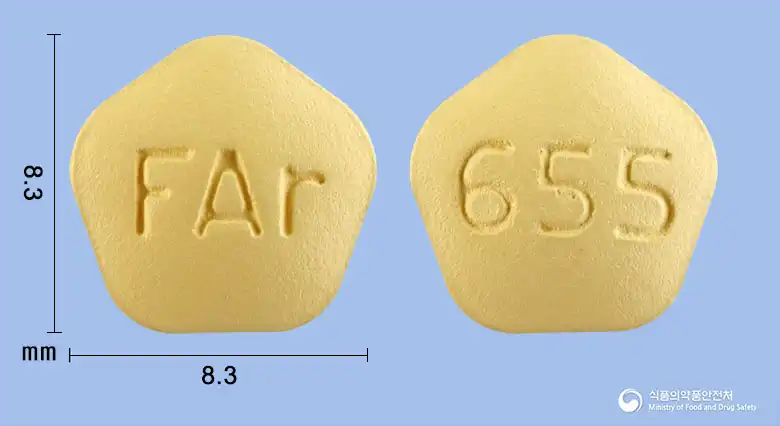
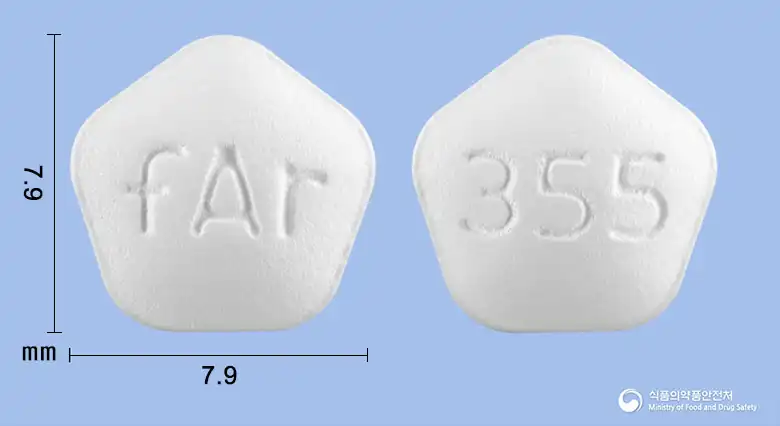
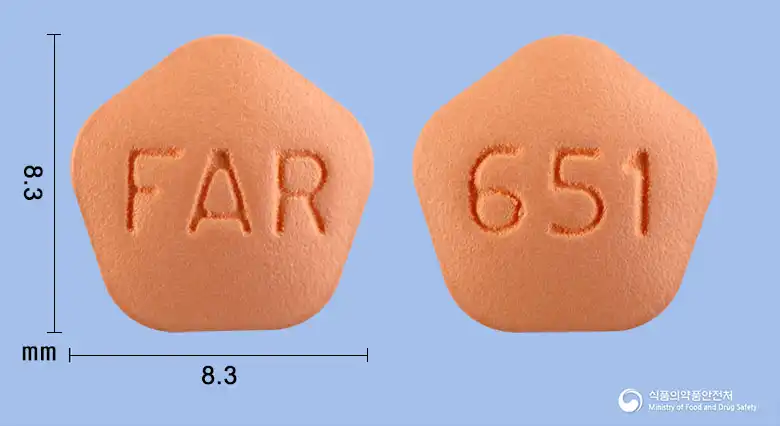
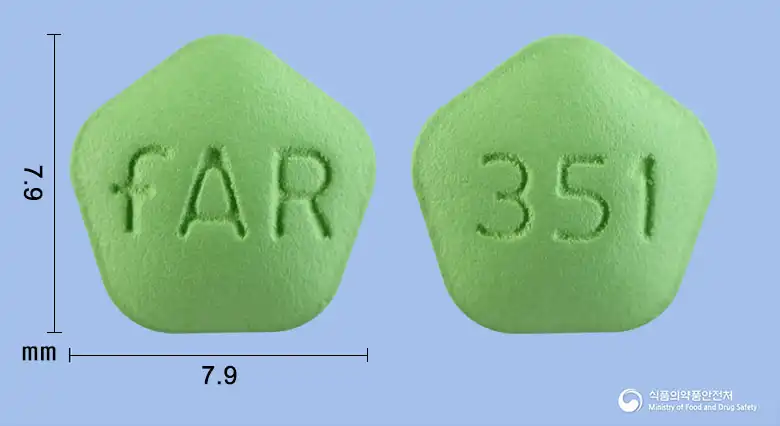
Pale green pentagonal film-coated tablet
Package unit
30 tablets/box [10 tablets/PTP*3]
Same-ingredient medicines
Even with the same ingredient, strength, dosage form and how it is taken can differ.
Even with the same ingredient, the dose and directions can differ by strength and dosage form. Talk to a doctor or pharmacist before switching from a medication you are already taking.
Questions about this medicine
No questions yet.
For anything that needs medical judgment, consult a doctor or pharmacist.
This drug information is based on data provided by the Korea Ministry of Food and Drug Safety. Consult a doctor or pharmacist for accurate dosage, administration, and usage instructions.

 한국어
 English
 日本語
 中文(简体)
 Viewing nowCombination