
 한국어
 English
 日本語
 中文(简体)
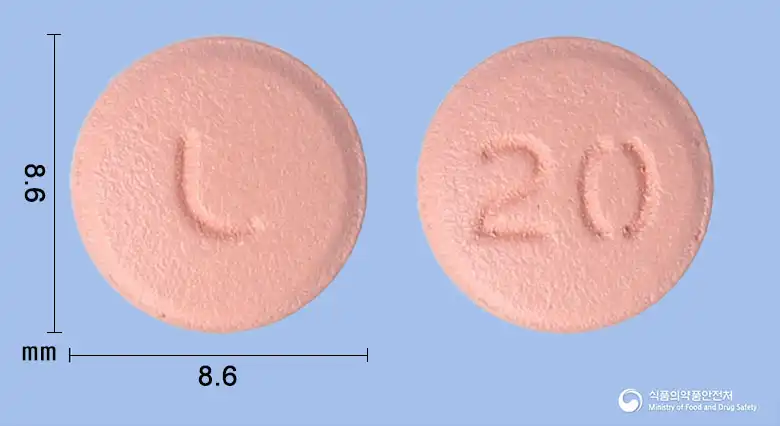 Viewing now
Megaclopidogrel 75 mg (Clopidogrel Hydrogen Sulfate)
Clopidogrel Bisulfate 97.875mg
Tablet · Prescription medication
LNC Bio Co., Ltd.
MFDS item code 201907801 · Approved 2019.11.07 · Insurance code 060500430
Improvement of symptoms of atherosclerosis and acute coronary syndrome; prevention of blood clots in atrial fibrillation
This medication helps improve symptoms of atherosclerosis in patients with ischemic stroke, myocardial infarction, and peripheral artery disease. It can also lower the risk of death, myocardial infarction, and stroke due to cardiovascular complications in patients with acute coronary syndrome who have undergone medical treatment, coronary intervention, or coronary artery bypass surgery. In adult patients with atrial fibrillation and vascular risk factors, it reduces the risk of stroke and thromboembolism when there is a low bleeding risk and vitamin K antagonist therapy is not appropriate. In summary, this medication is used to improve major vascular and cerebrovascular disease symptoms and reduce thrombotic risk, thus enhancing health.
○ Adults 1. In patients with ischemic stroke, myocardial infarction, or peripheral arterial disease, administer clopidogrel 75 mg orally once daily. 2. In patients with acute coronary syndrome (unstable angina or non-Q-wave myocardial infarction), initiate treatment on the first day with a loading dose of 300 mg once daily, followed by a maintenance dose of 75 mg orally once daily. Aspirin 75 ~ 325 mg should be administered concomitantly with this medicine once daily. 3. In patients with atrial fibrillation, administer this medicine 75 mg orally once daily. Aspirin 75 ~ 100 mg should be administered concomitantly with this medicine once daily. ○ Patients with renal impairment : Treatment experience in patients with renal impairment is limited. ○ Patients with hepatic impairment : Treatment experience in patients with moderate liver disease and a bleeding diathesis is limited. This medicine may be administered regardless of food intake.
This drug prevents blood clots by inhibiting platelet aggregation. The drug must be converted to an active form in the liver to be effective, so individuals with genetically reduced enzyme function in the liver may experience diminished efficacy. Taking this medication with other drugs that increase the concentration of the active metabolite may increase the risk of bleeding; therefore, co-administration with such drugs is not recommended. Individuals allergic to this drug or its components, those with bleeding issues, severe liver damage, or who are breastfeeding should not take this medication. People with certain genetic disorders, such as lactose intolerance, should also avoid this drug. Patients with a high risk of bleeding, especially those with a history of gastrointestinal bleeding or coagulation abnormalities, should use this medication cautiously and may need to stop it 5-7 days before any planned surgery. This drug may increase the risk of bleeding when taken with other antiplatelet or anticoagulant medications. Any symptoms of bleeding or unusual symptoms occurring during treatment should be reported to a doctor immediately. Rarely, this medication can cause thrombocytopenia or serious bleeding, and symptoms such as skin rash, dyspepsia, headache, and dizziness may occur. During pregnancy, it should only be used if necessary, considering the potential effects on the fetus, and may need to be stopped before delivery to reduce the risk of bleeding. While breastfeeding, a discussion with a doctor is advised about whether to halt breastfeeding or the medication, as this drug may be excreted into breast milk. Elderly patients or those with impaired kidney or liver function may have a higher risk of bleeding, necessitating caution during use. Overdose may increase the risk of bleeding, and platelet transfusion may reverse the medication's effects in such cases. This drug's safety and efficacy in children have not been established, so caution is advised in their use. When storing this medication, keep it out of reach of children and do not transfer it to another container.
Bleeding, gastrointestinal bleeding, purpura, contusion, hematoma, epistaxis, hematoma, hematuria, intraocular bleeding, intracranial hemorrhage, severe neutropenia, aplastic anemia, thrombocytopenia, gastrointestinal symptoms, abdominal pain, dyspepsia, gastroenteritis, constipation, diarrhea, rash, pruritus, skin and skin appendages adverse reactions, chest pain, accidental injury, influenza-like illness, pain, fatigue, edema, hypertension, headache, dizziness, nausea, depression, upper respiratory tract infection, difficulty breathing, rhinitis, bronchitis, cough, urinary tract infection, reduced motor function, tremor, speech disorder, abnormal gait, hyperkinesia, ataxia, sensory disturbance, insomnia, depression, forgetfulness, anxiety, sedation, altered mental state, abnormal behavior, arthralgia, myalgia, low back pain, weight loss, weight gain, facial flushing, weakness, rigidity, facial edema, syncope, purpura disease, bloody stools, thrombocytopenia, anemia, pneumonia, sinusitis, eczema, skin ulcers, cystitis, cataract, conjunctivitis, loss of appetite, weight loss, visual disturbance, sedation, weight gain, facial flushing, reduced motor function, thirst, forgetfulness, altered mental state, polyuria, arrhythmia, tremor, speech disorder, abnormal gait, hyperkinesia, ataxia, hiccups, dysphagia, tongue disorders, abnormal behavior, rigidity, visual disturbances, dry eyes, transient blindness, congestion, urination disorders, uremia, hypoglycemia, bradycardia, tinnitus, contact dermatitis, gynecomastia, elevated PSA, cholecystitis, hematemesis, spinal hematoma, thrombocytopenia, thrombocytopenic purpura, vasculitis, hypotension, bronchospasm, interstitial pneumonia, eosinophilic pneumonia, colitis, pancreatitis, gastritis, stomatitis, hepatitis, acute liver failure, petechial rash, erythematous skin rash, hives, angioedema, vesiculobullous dermatitis, drug-induced hypersensitivity syndrome, eosinophilia, drug rash, lichen planus, arthritis, glomerulopathy, gynecomastia, fever
Not everyone experiences these, and they can vary from person to person.
This drug must be stored in a tightly sealed container to prevent exposure to air or moisture. It is best stored at room temperature, between 1°C and 30°C, to maintain its effectiveness for a longer time.
Pink, round film-coated tablets
30 tablets/bottle, 100 tablets/bottle
Even with the same ingredient, strength, dosage form and how it is taken can differ.
Viewing nowClopidogrel Bisulfate 97.875mg
Tablet · Prescription medication
LNC Bio Co., Ltd.
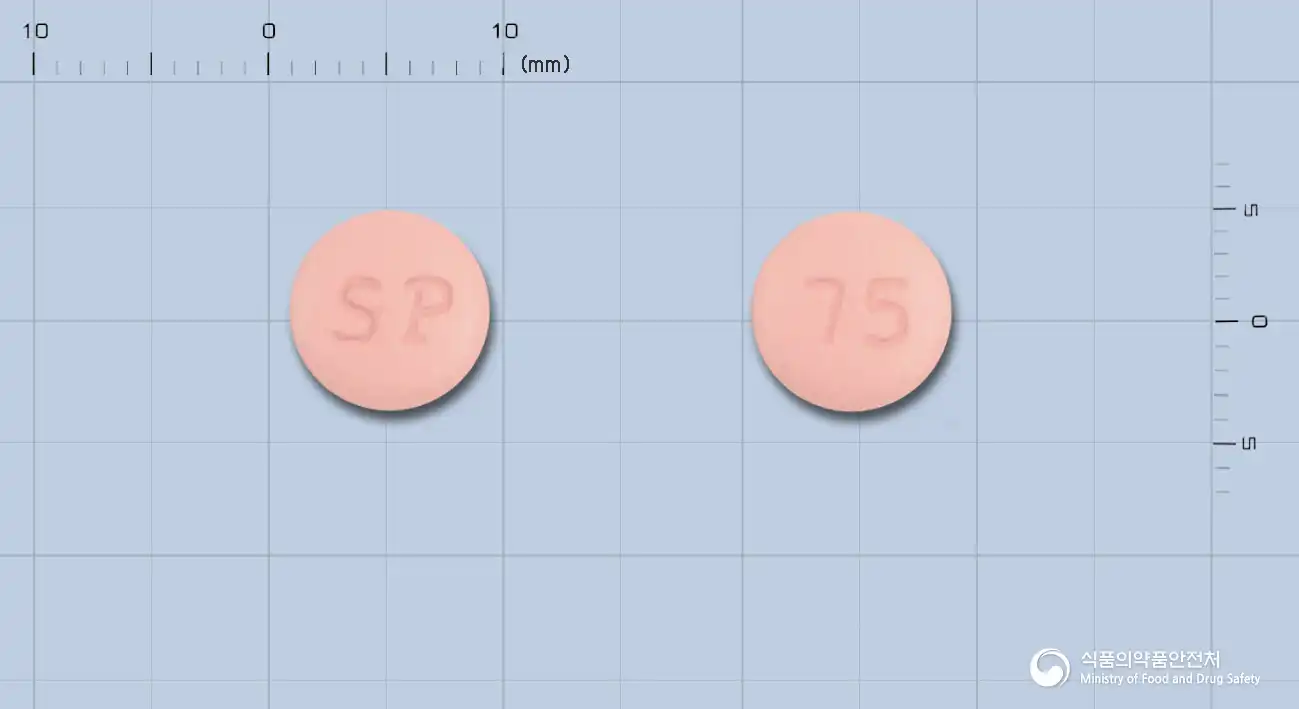
Clopidogrel Bisulfate 97.875mg
Tablet · Prescription medication
Shinpoong Pharmaceutical Co., Ltd.
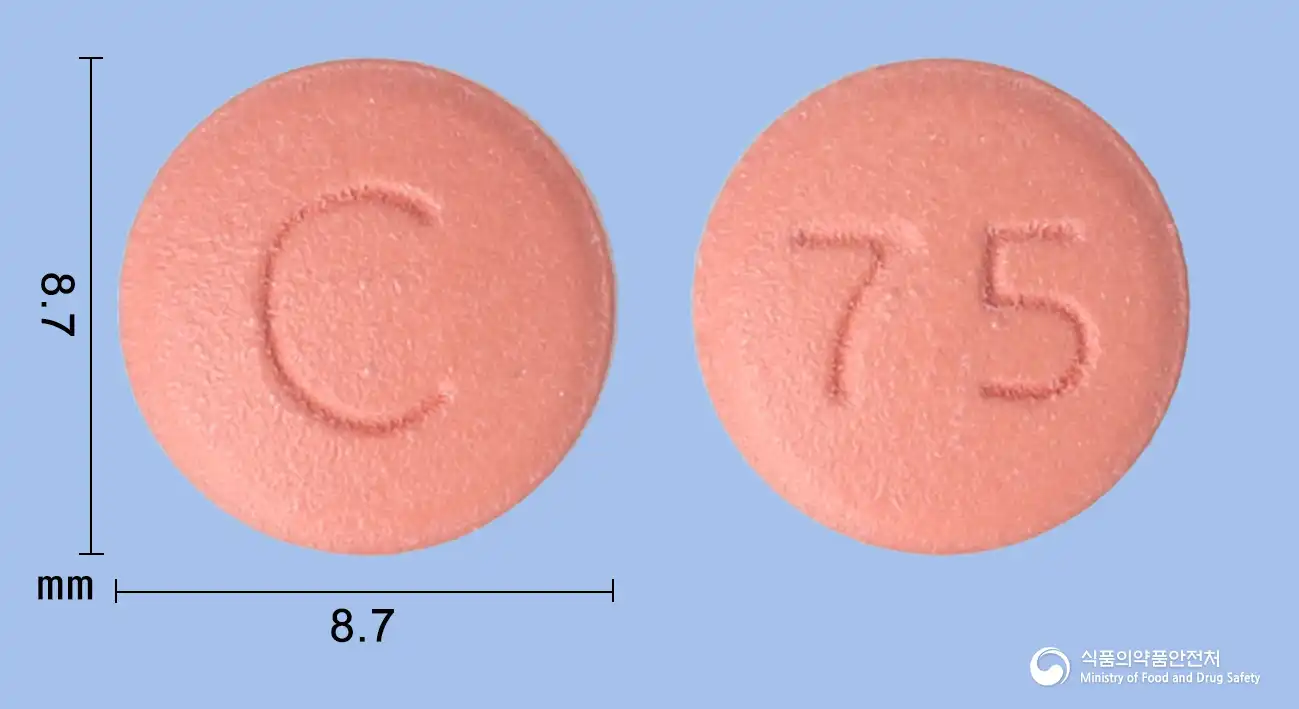
Clopidogrel Bisulfate 97.875mg
Tablet · Prescription medication
Dong-A ST Co., Ltd.
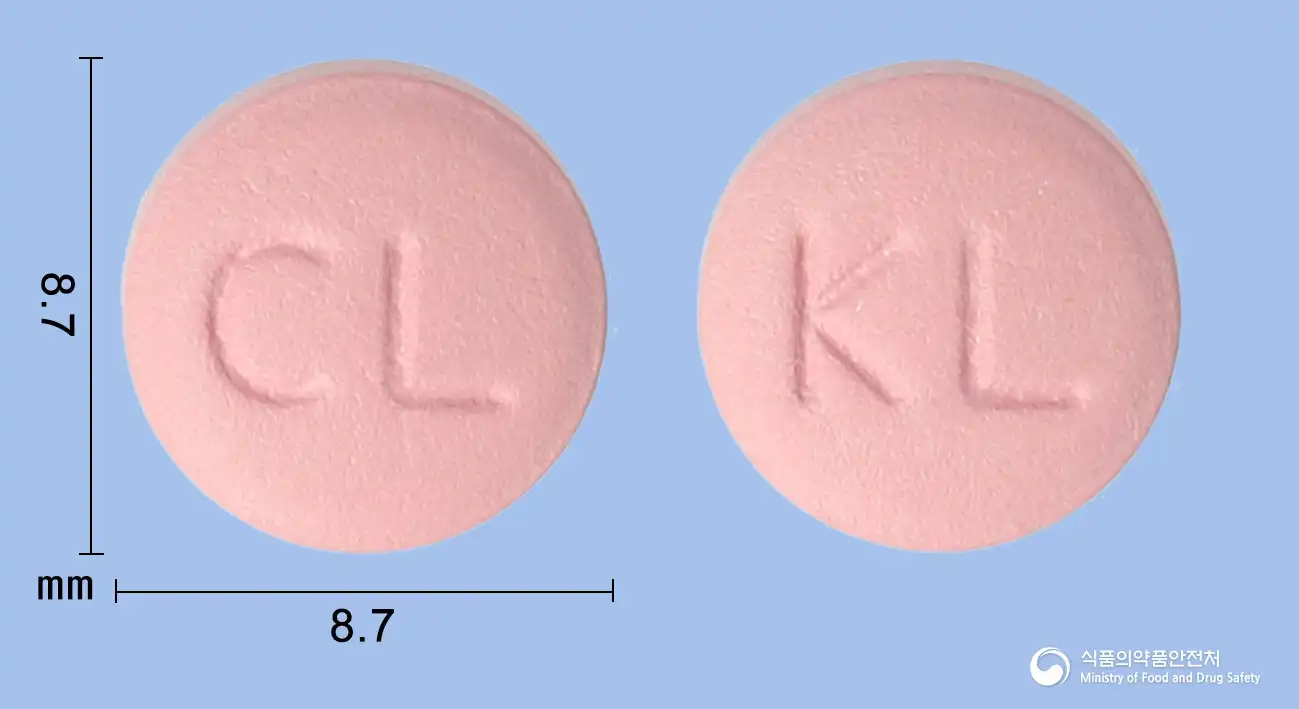
Clopidogrel Bisulfate 97.875mg
Tablet · Prescription medication
Kolon Pharmaceutical Co., Ltd.
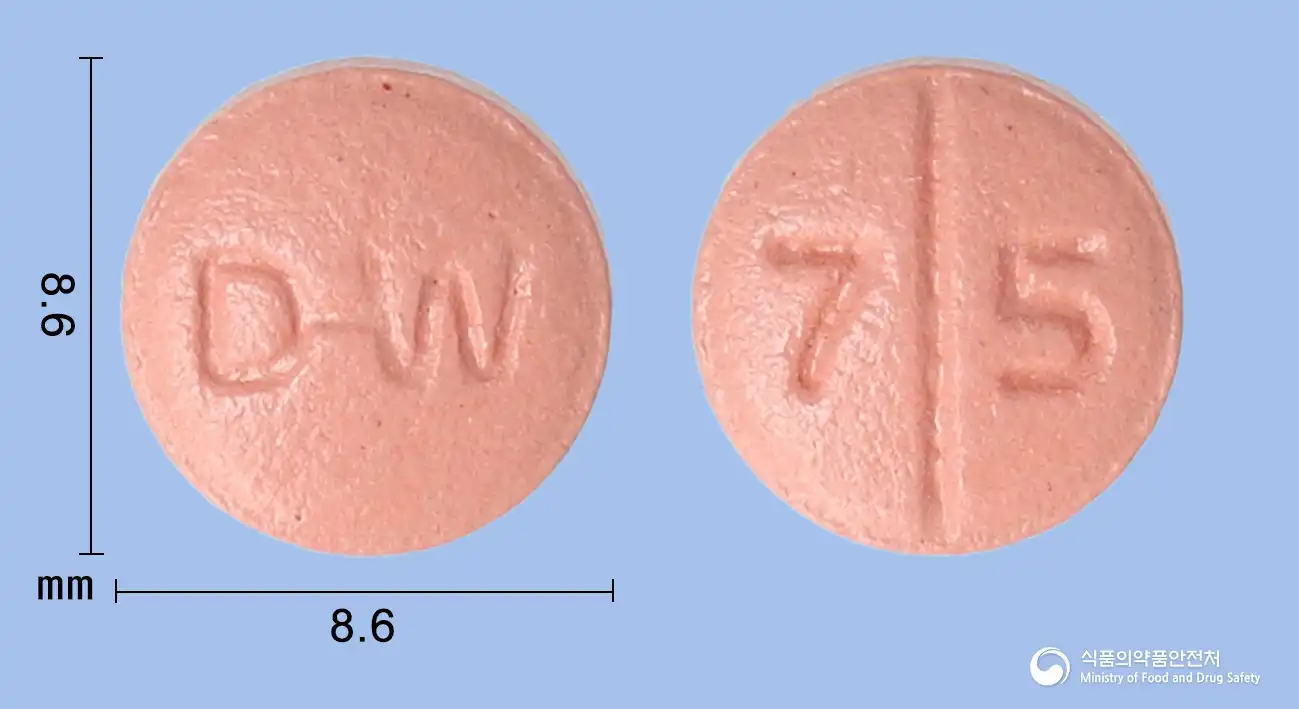
Clopidogrel Bisulfate 97.875mg
Tablet · Prescription medication
Dongwha Pharmaceutical Co., Ltd.
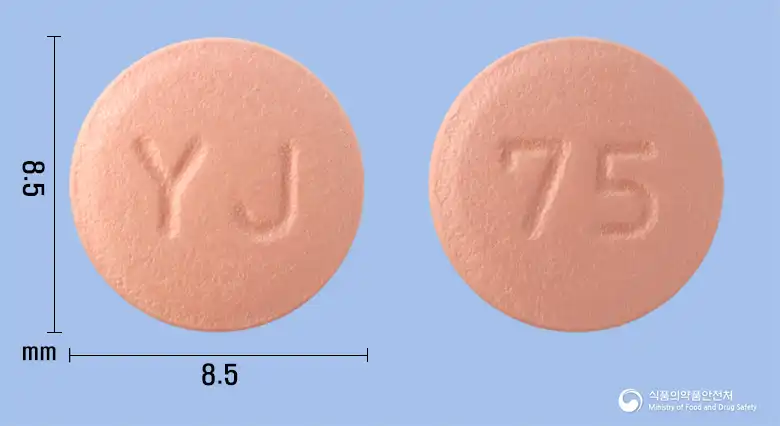
Clopidogrel Bisulfate 97.875mg
Tablet · Prescription medication
Youngjin Pharmaceutical Co., Ltd.
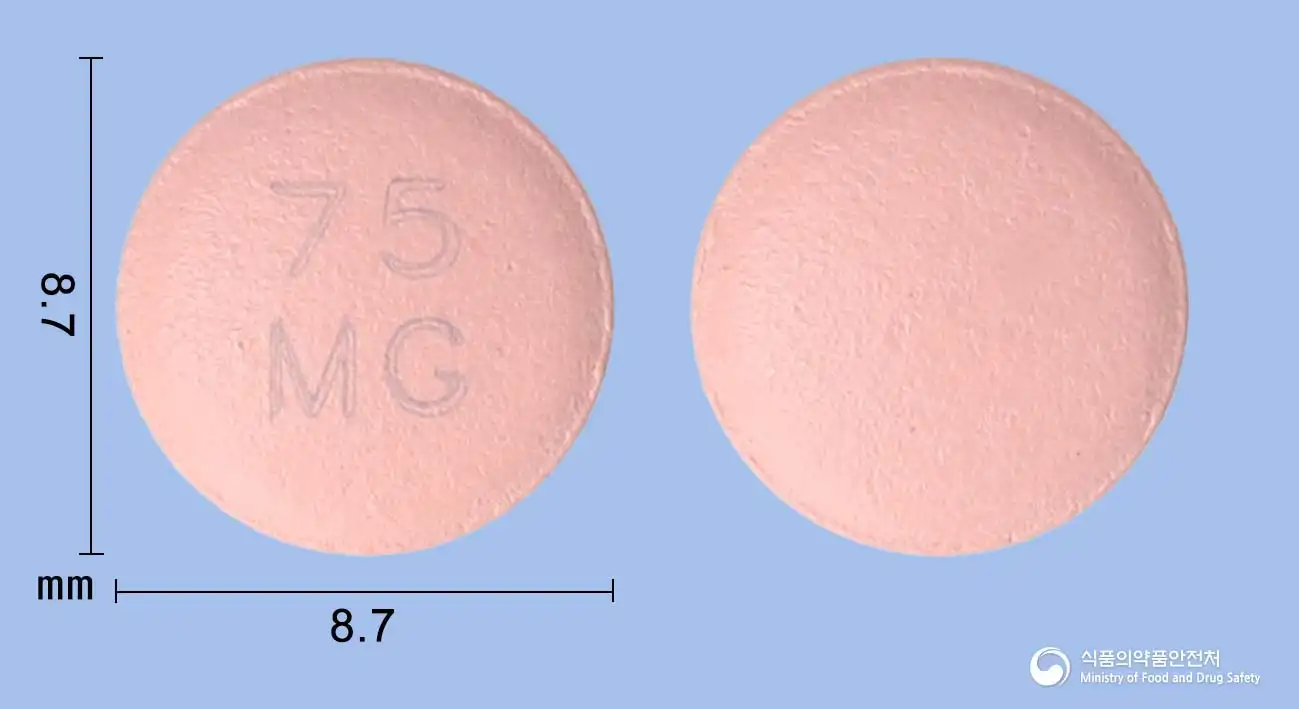
Clopidogrel Bisulfate 97.875mg
Tablet · Prescription medication
Albozen Korea Co., Ltd.
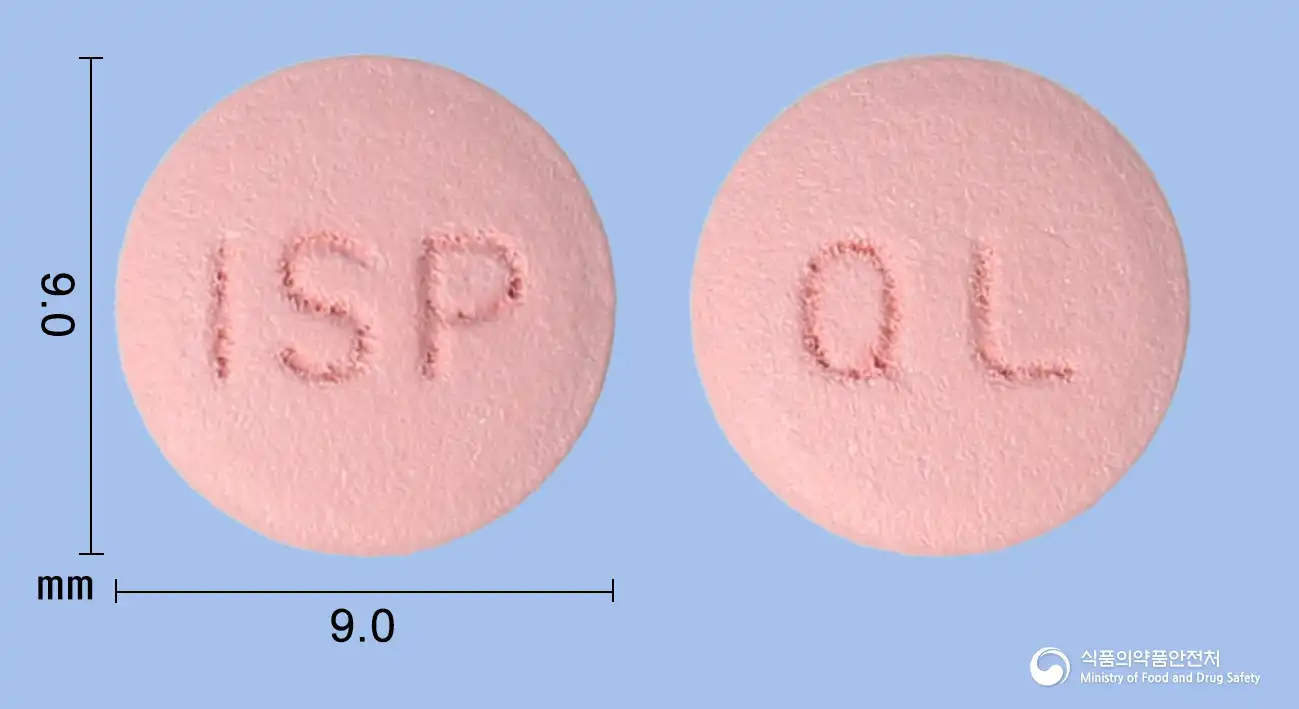
Clopidogrel Bisulfate 97.875mg
Tablet · Prescription medication
Ilsung IS Co., Ltd.
Even with the same ingredient, the dose and directions can differ by strength and dosage form. Talk to a doctor or pharmacist before switching from a medication you are already taking.
No questions yet.
For anything that needs medical judgment, consult a doctor or pharmacist.
This drug information is based on data provided by the Korea Ministry of Food and Drug Safety.
Consult a doctor or pharmacist for accurate dosage, administration, and usage instructions.