
 한국어
한국어 English
 日本語
日本語 中文(简体)
Dosage form image
Viewing nowCombinationDagliem Tablet 2/500 mg
Glimepiride 2mg · Metformin Hydrochloride 500mg
Tablet · Prescription medication · Combination
Hwa Il Pharmaceutical Co., Ltd.
MFDS item code 201907770 · Approved 2019.11.06
This product's status changed to Expired on 2024.11.06. It may no longer be sold, so consult a doctor or pharmacist before taking it.
Improvement in blood sugar control for Type 2 Diabetes
This medication is used for patients with non-insulin dependent diabetes, i.e., Type 2 Diabetes. It is administered when blood sugar control is insufficient with diet and exercise alongside monotherapy with glimepiride or metformin. It can also replace combination therapy of glimepiride and metformin. This helps manage blood sugar levels effectively, contributing to the improvement of diabetes.
This medication is administered 1 to 2 times a day before or with meals. The dosage may be adjusted considering the patient's current treatment regimen, effectiveness, and tolerance, with appropriate blood sugar monitoring. Typically, treatment begins at a low dose, which can be adjusted based on the patient's current medications and blood sugar levels. In clinical trials, the initial daily dose was glimepiride/metformin hydrochloride.
This medication can cause severe lactic acidosis or hypoglycemia, so treatment should be temporarily discontinued and a doctor consulted if there is a rapid decline in kidney function or symptoms of dehydration (severe diarrhea, vomiting, fever, decreased fluid intake, etc.). This medication should not be administered to patients with kidney function below a certain level, and situations where kidney function may change should be monitored carefully. In patients with cardiovascular disease or at high risk for cardiovascular death, caution should be exercised regarding the use of this medication, and the risks and benefits of treatment should be thoroughly discussed. This medication should not be used in certain patient groups, including those with insulin-dependent diabetes, acute metabolic acidosis, severe liver dysfunction, pregnant or lactating women, and severe renal impairment. As there is a high risk of hypoglycemia in the early stages of treatment, blood sugar levels should be carefully monitored, especially in the elderly or patients with irregular meals, malnutrition, vigorous exercise, or alcohol intake. Gastrointestinal disturbances (nausea, vomiting, etc.) may occur during treatment but are mostly transient, and if symptoms are severe, medical advice should be sought. If allergic reactions or blood-related symptoms (thrombocytopenia, anemia, etc.) occur, medical staff should be informed immediately, and in severe cases, treatment should be discontinued. This medication may interact with various drugs that affect blood sugar control, so if other medications are being used, it is essential to inform medical staff. Pregnant or breastfeeding women are advised not to use this medication and should switch to insulin therapy if necessary. Caution should be exercised when administering to children and the elderly, especially the elderly who may require dosage adjustments and regular kidney function testing due to renal impairment. In cases of overdose, hypoglycemia or lactic acidosis may occur, so immediate emergency treatment should be obtained, and glucose should be consumed in cases of hypoglycemic symptoms. Regular monitoring of blood sugar, kidney function, and blood tests should be conducted to assess treatment effectiveness and side effects during treatment. Caution is necessary when driving or operating machinery due to potential hypoglycemia or impaired agility. Keep out of reach of children, and do not transfer to another container for safety.
Hives, severe swelling (edema), chest tightness, difficulty breathing, cold sweat, pallor, severe rash with high fever, blistering, skin peeling, pain in oral/ocular mucosa, shortness of breath or difficulty breathing, asthma attack, respiratory abnormalities accompanied by cough and fever, jaundice (yellowing of the skin or eyes), severe fatigue, sudden and very severe headache, thunderclap headache, seizures, confusional state, visual disturbances, paralysis, urination
Not everyone experiences these, and they can vary from person to person.
This medication should be stored in a tightly sealed container to prevent air ingress, preferably at a temperature between 1 and 30 degrees Celsius. Storing it this way helps maintain the medication's efficacy for a longer duration.
White rectangular film-coated tablet
30 tablets/bottle, 100 tablets/bottle
Even with the same ingredient, strength, dosage form and how it is taken can differ.
Glimepiride 2mg · Metformin Hydrochloride 500mg
Tablet · Prescription medication · Combination
Hwa Il Pharmaceutical Co., Ltd.
 Combination
Metformin Hydrochloride 500mg · Glimepiride 1mg
Tablet · Prescription medication · Combination
Hanmi Pharmaceutical Co., Ltd.
 Combination
Metformin Hydrochloride 500mg · Glimepiride 2mg
Tablet · Prescription medication · Combination
Handok Co., Ltd.
 Combination
Metformin Hydrochloride 500mg · Glimepiride 2mg
Tablet · Prescription medication · Combination
Teragen Etex Co., Ltd.
 Combination
Glimepiride 2mg · Metformin Hydrochloride 500mg
Tablet · Prescription medication · Combination
Hawon Pharmaceutical Co., Ltd.
Metformin Hydrochloride 500mg · Glimepiride 2mg
Tablet · Prescription medication · Combination
TDS Pharm Co., Ltd.
 Combination
Glimepiride 2mg · Metformin Hydrochloride 500mg
Tablet · Prescription medication · Combination
Il Yang Pharmaceutical Co., Ltd.
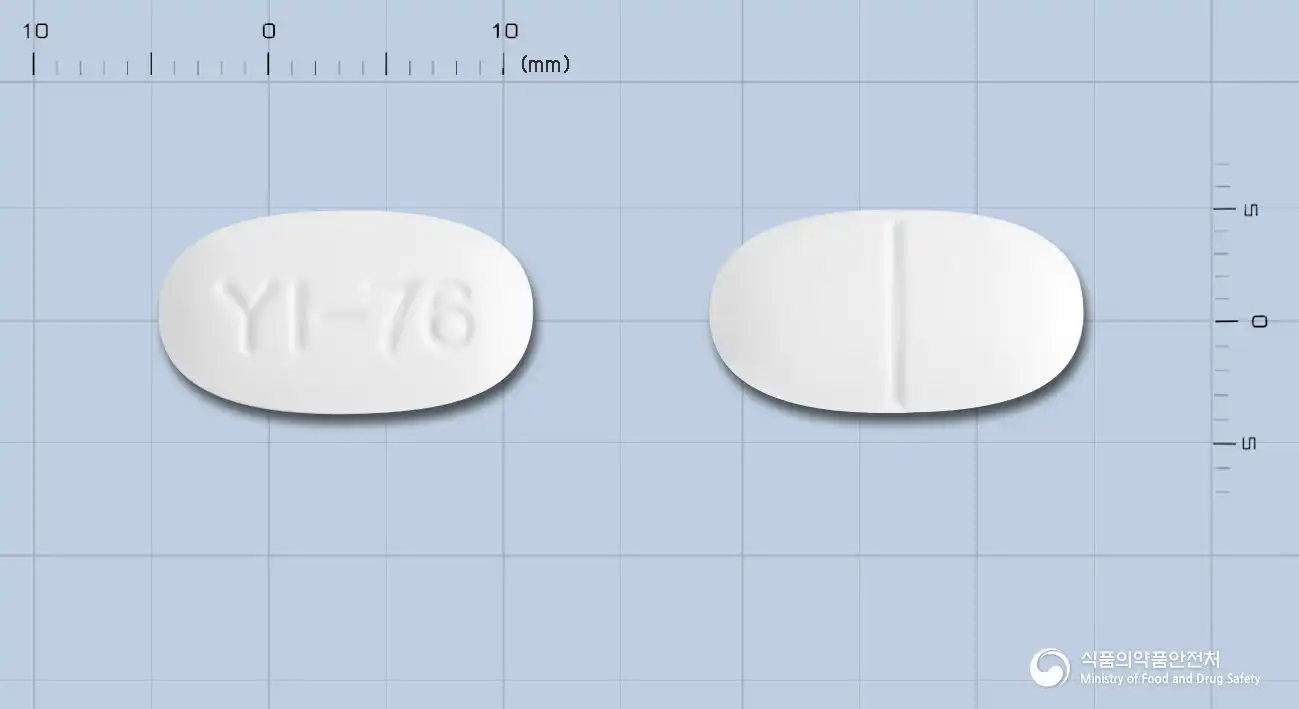 Combination
Glimepiride 2mg · Metformin Hydrochloride 500mg
Tablet · Prescription medication · Combination
Youngil Pharmaceutical Co., Ltd.
Even with the same ingredient, the dose and directions can differ by strength and dosage form. Talk to a doctor or pharmacist before switching from a medication you are already taking.
No questions yet.
For anything that needs medical judgment, consult a doctor or pharmacist.
This drug information is based on data provided by the Korea Ministry of Food and Drug Safety.
Consult a doctor or pharmacist for accurate dosage, administration, and usage instructions.