
 한국어
 English
 日本語
 中文(简体)
Dosage form image
Viewing nowCofromin Capsule 300 mg (Theobromine)
Theobromine 300mg
Hard capsule · Prescription medication
The Yu Pharmaceutical Co., Ltd.
MFDS item code 201907438 · Notified 2019.10.24
This product's status changed to Expired on 2024.10.24. It may no longer be sold, so consult a doctor or pharmacist before taking it.
Relief of cough due to acute and chronic bronchitis or postnasal drip (from rhinitis, sinusitis, etc.)
This medicine is used to relieve cough caused by rhinitis, sinusitis, pharyngitis leading to postnasal drip, and both acute and chronic bronchitis.
Adults: Administer 1 capsule per dose orally twice daily
This drug should not be used in patients who have hypersensitivity to xanthine drugs or have experienced severe side effects from xanthine drugs in the past. Caution should be exercised in patients with peptic ulcers, convulsive symptoms, severe acute infectious lung diseases or tuberculosis, liver or kidney dysfunction, congestive heart failure, alcohol addiction, hypoxia, hypertension, hypertrophic cardiomyopathy, tachyarrhythmias, myocardial infarction, and hypotension. Typical side effects may include headache, dizziness, nausea, and sometimes itching, rash, drowsiness, myalgia, insomnia, abdominal distension, loss of appetite, constipation, diarrhea, dry mouth, dysphagia, heartburn, vomiting, abdominal pain, stomach pain, indigestion, and other symptoms. Additionally, there may be an increase in uric acid levels in the blood or liver function tests may rise, along with symptoms such as edema, facial swelling, palpitations, sore throat, fever, and sweating. Careful monitoring is needed because this drug may be slowly excreted in patients with viral infections, impaired liver and kidney functions, elderly patients, and those with heart failure. There may be interactions with other xanthine drugs such as caffeine-containing beverages, aminophylline, theophylline, so caution is warranted. Also, caution is needed when used conjointly with central nervous system stimulants or sympathomimetics like cocaine, amphetamines, and codeine. When used with several other medications, this drug may influence its excretion rate or blood concentration, so consultation with a pharmacist or physician is recommended. Women who are pregnant or breastfeeding must consult their physician before taking this drug, and caution is necessary if there is a possibility of pregnancy. This drug should not be used in children or adolescents under 18 years of age or in elderly patients over 70 years, as safety and efficacy have not been sufficiently established for these populations. In case of overdose, serious symptoms such as nausea, vomiting, headache, anxiety, seizures, and cardiac arrhythmias may occur, requiring immediate medical attention.
Not everyone experiences these, and they can vary from person to person.
This medicine should be stored in a tightly closed container to protect it from air and moisture. It is important to maintain storage temperatures between 1 to 30 degrees Celsius to ensure the drug's effectiveness and safety.
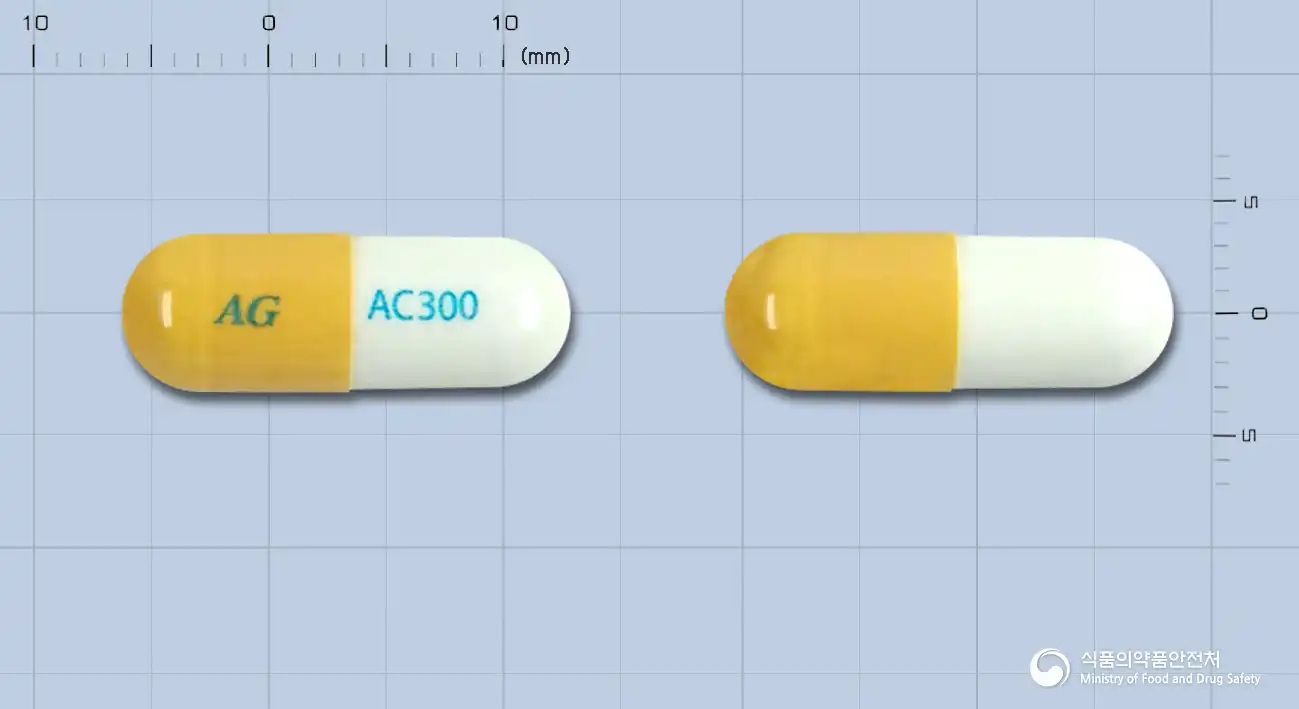
Hard capsule filled with white powder, with a dark yellow upper part and a white lower part
30 capsules/bottle, 300 capsules/bottle
Even with the same ingredient, strength, dosage form and how it is taken can differ.
Theobromine 300mg
Hard capsule · Prescription medication
The Yu Pharmaceutical Co., Ltd.
Theobromine 300mg
Hard capsule · Prescription medication
Anguk Pharmaceutical Co., Ltd.
Theobromine 300mg
Hard capsule · Prescription medication
Poonglim Pharm Co., Ltd.
Theobromine
Prescription medication
Anguk New Pharm Co., Ltd.
Theobromine 300mg
Prescription medication
Genewon Science Co., Ltd.
Theobromine
Prescription medication
Ilseong IS Co., Ltd.
Theobromine 300mg
Hard capsule · Prescription medication
Aliko Pharmaceutical Co., Ltd.
Theobromine
Prescription medication
Hawon Pharmaceutical Co., Ltd.
Even with the same ingredient, the dose and directions can differ by strength and dosage form. Talk to a doctor or pharmacist before switching from a medication you are already taking.
No questions yet.
For anything that needs medical judgment, consult a doctor or pharmacist.
This drug information is based on data provided by the Korea Ministry of Food and Drug Safety.
Consult a doctor or pharmacist for accurate dosage, administration, and usage instructions.