
 한국어
 English
 日本語
 中文(简体)
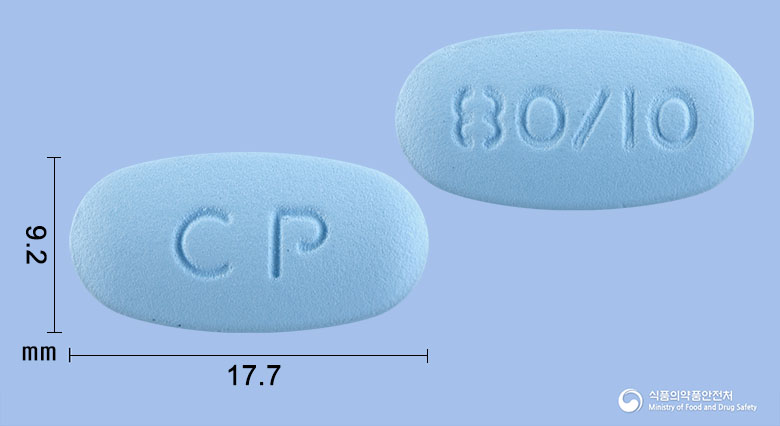 Viewing nowCombination
Telduo Tablet 80/10 mg
Telmisartan 80mg · Rosuvastatin Calcium 10.4mg
Tablet · Prescription medication · Combination
CMG Pharmaceutical Co., Ltd.
MFDS item code 201907254 · Approved 2019.10.15 · Insurance code 648603880
Treatment of hypertension and dyslipidemia; reduction of cardiovascular risk and inhibition of atherosclerosis progression
This medication is used for patients who need to take both telmisartan and rosuvastatin together. First, telmisartan helps lower blood pressure and is effective in treating essential hypertension, especially in patients over 55 years old who are at high risk for cardiovascular disease, reducing the risk of myocardial infarction, stroke, and cardiovascular mortality. Rosuvastatin improves lipid disorders such as hypercholesterolemia, helping to control blood cholesterol levels and slowing the progression of atherosclerosis. It also aids in lowering the risk of strokes, myocardial infarctions, and revascularization in high-risk patients with elevated cardiovascular disease. By using these two medications together, it effectively reduces the risk of cardiovascular diseases caused by hypertension and lipid disorders.
This medication should be administered to adults only. The dose should be individualized for each patient based on the efficacy and tolerability of each component, telmisartan and rosuvastatin. ○ Telmisartan 1. Essential hypertension Adults: The recommended dose is 40 mg orally once daily as telmisartan. Depending on the patient, 20 mg once daily may be effective. If necessary, the dose may be increased to 80 mg once daily. When increasing the dose, the maximum blood pressure-lowering effect is achieved 4 ∼ 8 weeks after starting treatment. 2. Reduction of cardiovascular risk Adults: The recommended dose of this medication is 80 mg orally once daily. The risk-reduction effect on cardiovascular morbidity and mortality at doses below 80 mg has not been established. 3. Patients with hepatic impairment Administer with caution to patients with mild ∼ moderate hepatic impairment, and do not exceed 40 mg once daily. ○ Rosuvastatin calcium 1. Primary hypercholesterolemia (type IIa, including heterozygous familial hypercholesterolemia), mixed dyslipidemia (type IIb), primary dysbetalipoproteinemia (type III), and homozygous familial hypercholesterolemia The initial dose is 5 mg once daily. If a greater reduction in LDL cholesterol is needed, the dose may be adjusted to the maintenance dose. The maintenance dose is 10 mg once daily, which is adequate for most patients. The maintenance dose should be adjusted as appropriate at intervals of 4 weeks or longer according to the LDL cholesterol level, treatment goals, and patient response, and may be increased to a maximum of 20 mg once daily. 2. Older adults: No dose adjustment is necessary. 3. Patients with renal impairment: No dose adjustment is necessary for patients with mild or moderate renal impairment. Do not administer to patients with severe renal impairment. Exercise particular caution when administering this medication at a dose of 20mg to patients with moderate renal impairment. 4. Patients with hepatic impairment: No increase in systemic exposure to rosuvastatin was observed in patients with a Child-Pugh score of 7 or below, but an increase was observed in patients with a Child-Pugh score of 8 or 9. There is no experience with administration in patients with a Child-Pugh score above 9. Do not administer this medication to patients with active liver disease. 5. Race: Because systemic exposure to this medication is increased in Asian patients, the recommended initial dose is 5 mg. Administration of the 40 mg dose is contraindicated. 6. Patients predisposed to myopathy: The recommended initial dose for patients predisposed to myopathy is 5 mg. Administration of the 40 mg dose is contraindicated in some of these patients. For patients taking telmisartan and rosuvastatin concomitantly, they may switch to this medication (a combination product containing the same amounts of each active ingredient) for convenience.
This medication should be avoided during pregnancy, especially in the early stages, as it can cause serious harm to the fetus and newborn; if pregnancy is confirmed, use should be immediately discontinued. Women who are pregnant or may become pregnant, and nursing mothers should not take this medication, and fertile women not employing effective contraceptive methods should also exercise caution. Patients with severely impaired liver function, those with biliary excretion issues, patients with unexplained elevated liver enzymes, patients with muscle diseases, or hereditary angioedema should not be treated with this medication. It should also not be used in patients with severe renal impairment or when used in combination with certain immunosuppressants. Caution is advised when administering this medication to the elderly, patients with hyperkalemia, or those with mild to moderate liver impairment, and immediate consultation with a physician is necessary if muscle pain or weakness occurs. This medication can cause severe muscle-related side effects such as muscle injury or rhabdomyolysis, thus regular monitoring of muscle enzyme levels before and during treatment is essential. Liver function tests should be conducted periodically, and if liver function abnormalities appear, use should be discontinued. This medication may interact with other antihypertensives or certain lipid-lowering agents; therefore, it is vital to inform the physician about any other medications being taken. Dizziness or drowsiness may occur while using this medication, so caution is advised when driving or operating dangerous machinery. Keep out of reach of children, and do not transfer to another container for safety reasons.
Headache, postural dizziness, sleep paralysis, increased blood pressure, decreased blood pressure, hypotension, ALT elevation, dysuria, rhinitis, discomfort in the oropharynx, lung disease, unspecified intestinal disease, benign gastrointestinal neoplasm, hemorrhoids, skeletal pain, osteoporosis, sensory impairment, movement disorders, atherosclerosis, frequent urination, tinnitus, hearing loss, bad breath, fatty liver, upper respiratory infection, urinary tract infection, sepsis, anemia, thrombocytopenia, eosinophilia, hypersensitivity, anaphylactic reaction, hyperkalemia, hypoglycemia, depression, insomnia, anxiety, syncope, visual disturbance, dizziness, bradycardia, tachycardia, dyspnea, abdominal pain, diarrhea, dyspepsia, abdominal distension, vomiting, abdominal discomfort, dry mouth, liver function abnormalities, liver damage, increased sweating, itching, rash, erythema, angioedema, drug rash, toxic skin eruption, eczema, urticaria, myalgia, low back pain, muscle cramps, arthralgia, limb pain, tendon pain, acute renal failure, chest pain, myasthenia, influenza-like illness, increased serum creatinine, increased uric acid, elevated liver enzymes, increased serum CK, decreased hemoglobin, hypoglycemia, angioedema, hypersensitivity reactions including angioedema, diabetes, headache, dizziness, constipation, nausea, abdominal pain, pancreatitis, pruritus, rash, urticaria, myalgia, myopathy, rhabdomyolysis, myasthenia, polyneuropathy, memory loss, peripheral neuropathy, cough, dyspnea, diarrhea, thrombocytopenia, jaundice, hepatitis, increased transaminases, Stevens-Johnson syndrome, drug reaction with eosinophilia and systemic symptoms syndrome, lupus-like syndrome, muscle rupture, arthralgia, immune-mediated necrotizing myopathy, hematuria, edema, depression, sleep disorders, sexual dysfunction, gynecomastia, fatal and non-fatal liver failure, cognitive impairment, severe myasthenia gravis, ocular myasthenia, facial spasms, sensory disturbances, paralysis, hyperventilation, pneumonia, flushing, erectile dysfunction, loss of appetite, arrhythmia, weakness, edema, decreased libido, facial edema, alopecia, conjunctivitis, tinnitus, petechiae, palpitations, fatigue, nausea, insufficient effect, headache, dizziness, cough, dyspepsia, chest pain, myalgia, increased CK, constipation, increased AST, myasthenia, arthralgia, fatigue, numbness, sensory disturbances, chest discomfort, nausea, abdominal pain, diarrhea, loss of appetite, abdominal distension, pruritus, abnormal liver function tests, syncope, generalized pain, muscle cramps, gout, erectile dysfunction, acute renal failure, oliguria, thrombocytopenia, increased serum creatinine, hypotension, tachycardia, bradycardia, dizziness, acute renal failure, hypotension, tachycardia, bradycardia, dizziness, acute renal failure, hypotension, tachycardia, bradycardia, dizziness, acute renal failure, hypotension, tachycardia, bradycardia, dizziness, acute renal failure, hypotension, tachycardia, bradycardia, dizziness, acute renal failure, hypotension, tachycardia, bradycardia, dizziness, acute renal failure, hypotension, tachycardia, bradycardia, dizziness, acute renal failure, hypotension, tachycardia, bradycardia, dizziness, acute renal failure, hypotension, tachycardia, bradycardia, dizziness, acute renal failure, hypotension, tachycardia, bradycardia, dizziness, acute renal failure, hypotension, tachycardia, bradycardia, dizziness, acute renal failure, hypotension, tachycardia, bradycardia, dizziness, acute renal failure, hypotension, tachycardia, bradycardia, dizziness, acute renal failure, hypotension, tachycardia, bradycardia, dizziness, acute renal failure
Not everyone experiences these, and they can vary from person to person.
This medication should be stored in a tightly closed container to prevent exposure to air and moisture. The storage temperature should be maintained between 1 and 30 degrees Celsius at room temperature to preserve the drug's effectiveness and safety for an extended period.
Bright blue oval film-coated tablet
30 tablets/box [10 tablets/PTP*3]
Even with the same ingredient, strength, dosage form and how it is taken can differ.
Viewing nowCombinationTelmisartan 80mg · Rosuvastatin Calcium 10.4mg
Tablet · Prescription medication · Combination
CMG Pharmaceutical Co., Ltd.
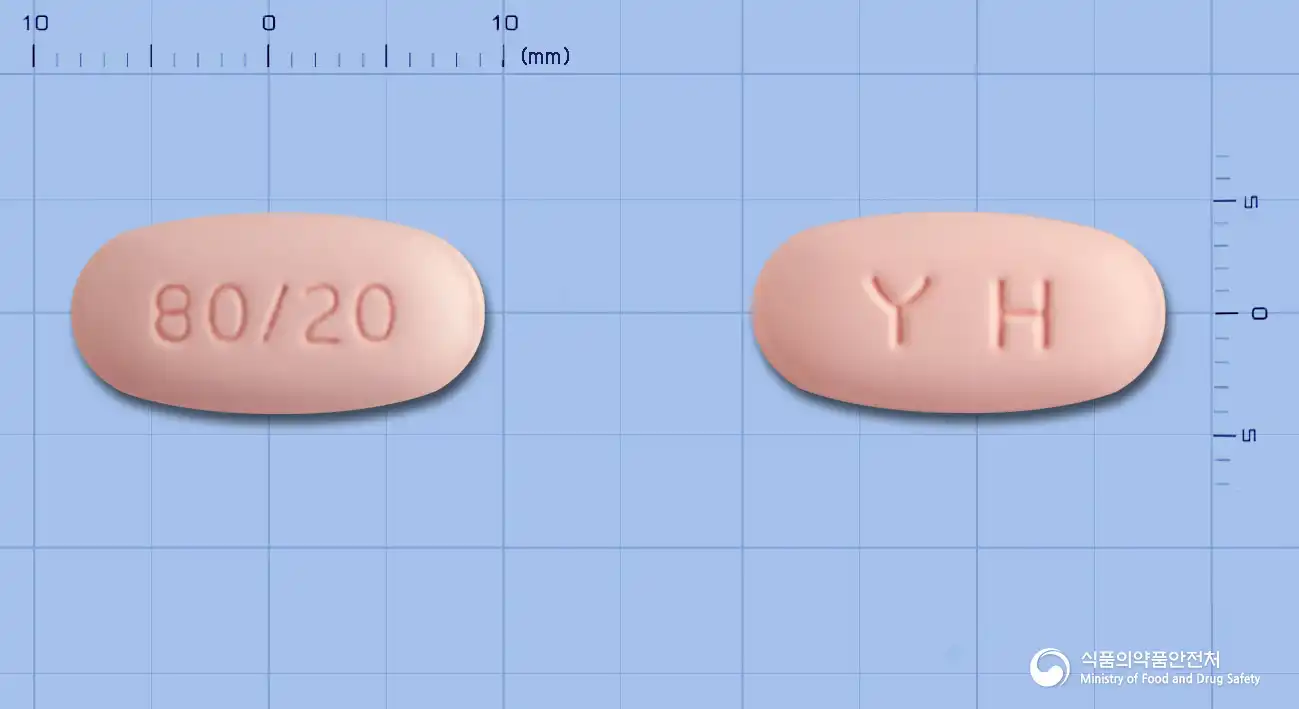 Combination
Telmisartan 80mg · Rosuvastatin Calcium 20.8mg
Tablet · Prescription medication · Combination
Yuhan Corporation.
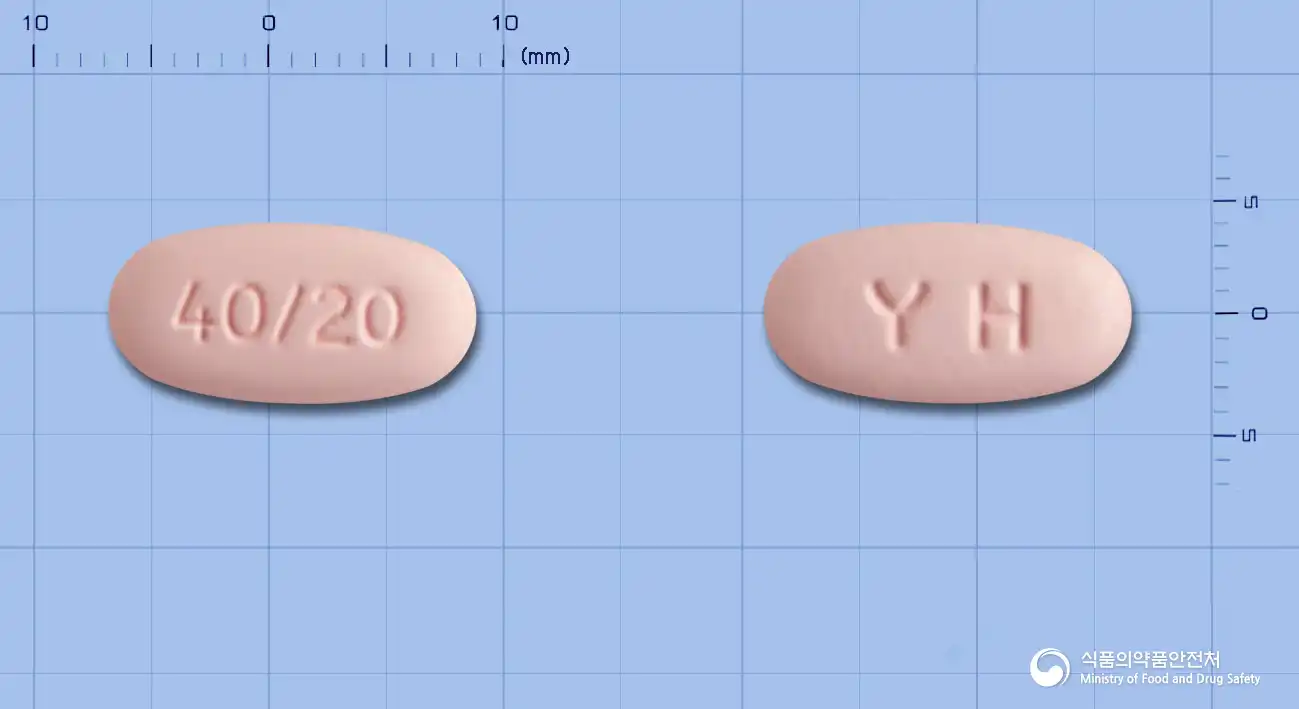 Combination
Telmisartan 40mg · Rosuvastatin Calcium 20.8mg
Tablet · Prescription medication · Combination
Yuhan Corporation
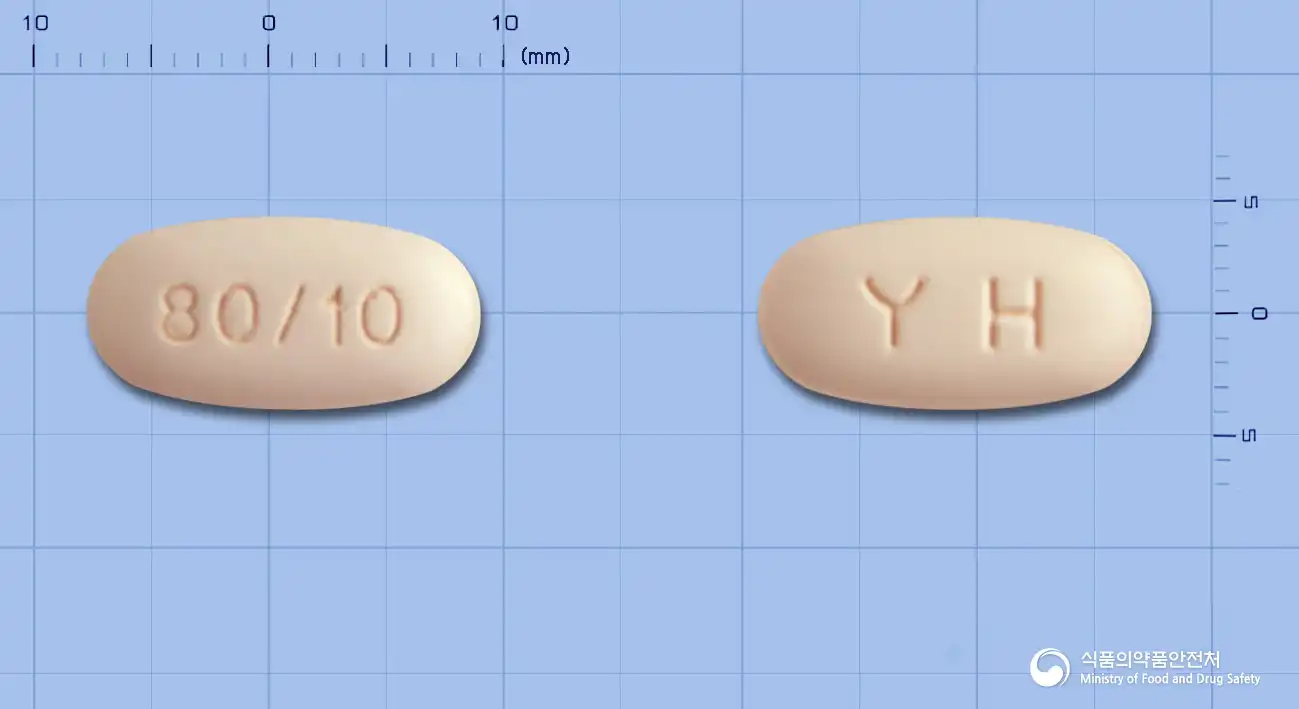 Combination
Telmisartan 80mg · Rosuvastatin Calcium 10.4mg
Tablet · Prescription medication · Combination
Yuhannanghang Co., Ltd.
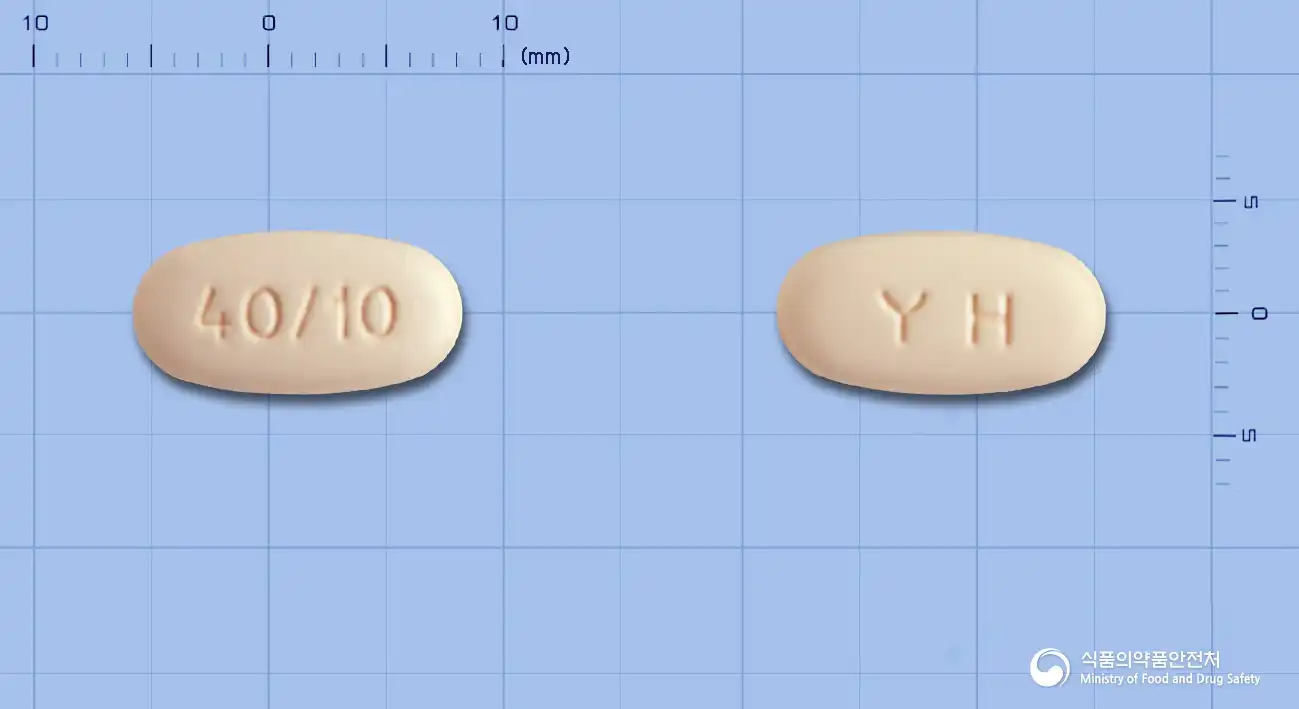 Combination
Telmisartan 40mg · Rosuvastatin Calcium 10.4mg
Tablet · Prescription medication · Combination
Yuhan Corporation Co., Ltd.
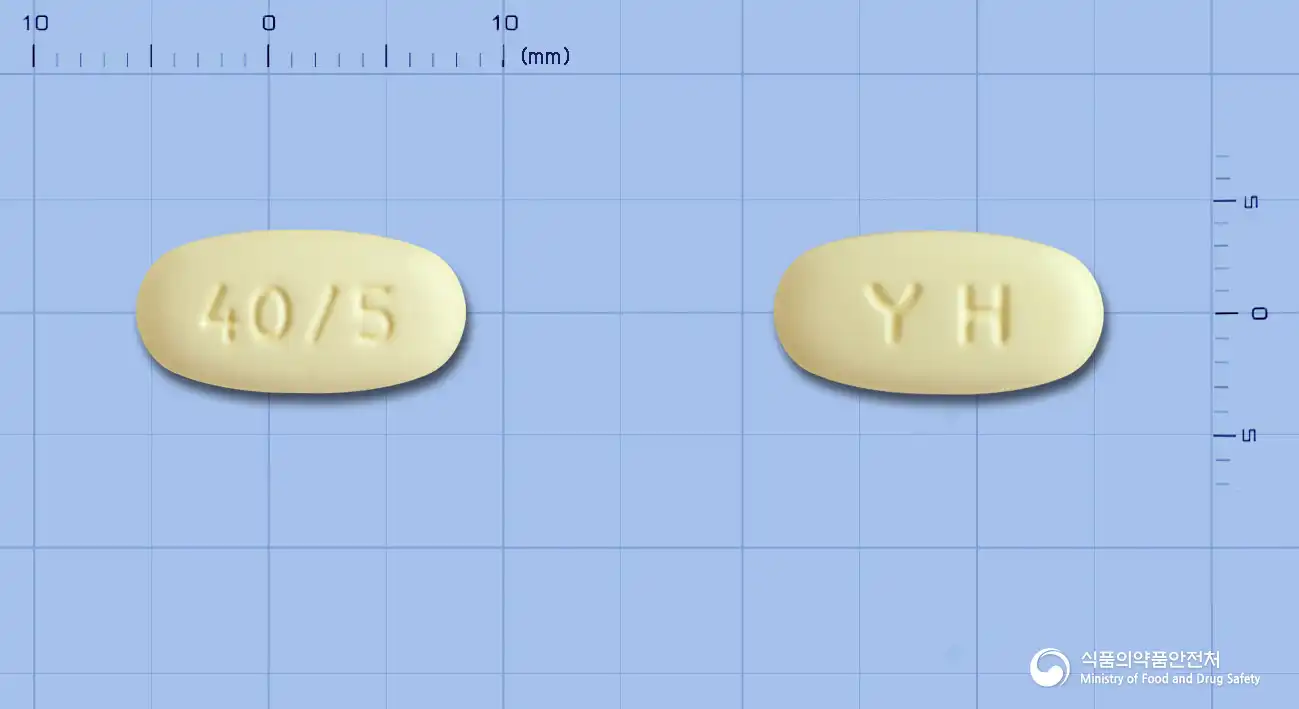 Combination
Telmisartan 40mg · Rosuvastatin Calcium 5.2mg
Tablet · Prescription medication · Combination
Yuhan Corporation
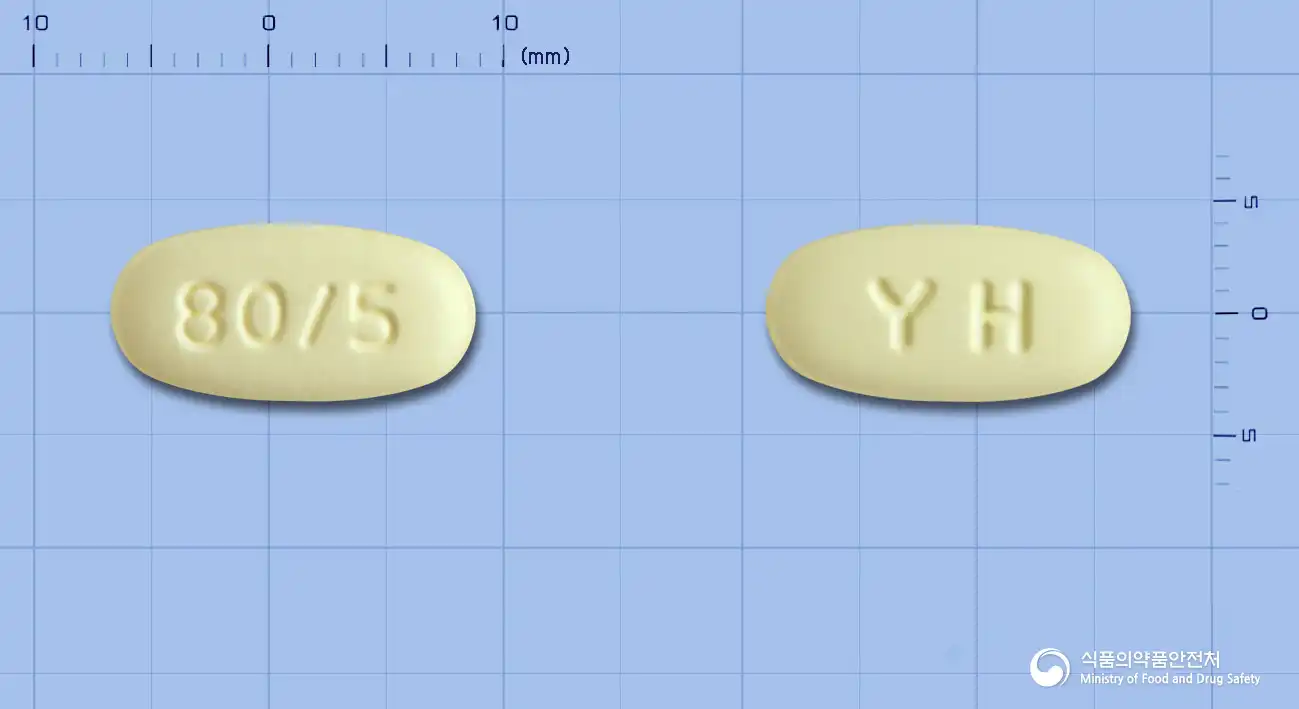 Combination
Telmisartan 80mg · Rosuvastatin Calcium 5.2mg
Tablet · Prescription medication · Combination
Yuhan Corporation
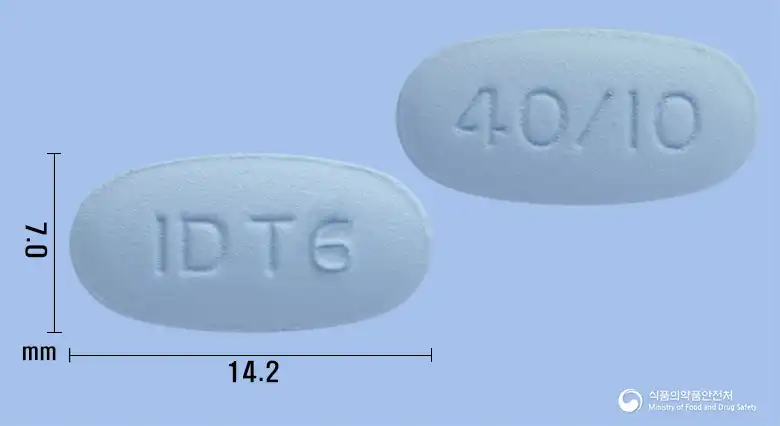 Combination
Telmisartan 40mg · Rosuvastatin Calcium 10.4mg
Tablet · Prescription medication · Combination
Ildong Pharmaceutical Co., Ltd.
Even with the same ingredient, the dose and directions can differ by strength and dosage form. Talk to a doctor or pharmacist before switching from a medication you are already taking.
No questions yet.
For anything that needs medical judgment, consult a doctor or pharmacist.
This drug information is based on data provided by the Korea Ministry of Food and Drug Safety.
Consult a doctor or pharmacist for accurate dosage, administration, and usage instructions.