
 한국어
 English
 日本語
 中文(简体)
Dosage form image
Viewing nowJaltoprofen Tablets (Jaltoprofen)
Zaltoprofen 80mg
Tablet · Prescription medication
Korea Sintax Pharmaceutical Co., Ltd.
MFDS item code 201907150 · Approved 2019.10.10
This product's status changed to Expired on 2024.10.10. It may no longer be sold, so consult a doctor or pharmacist before taking it.
Relief of inflammation and pain in musculoskeletal disorders (arthritis, lower back pain, etc.) and after surgery or trauma
This medication helps alleviate symptoms through its anti-inflammatory and analgesic effects in various conditions such as chronic rheumatoid arthritis, osteoarthritis, low back pain, periarthritis of the shoulder, and cervical shoulder syndrome. It is also used to reduce inflammation and pain that occur after surgery, trauma, and tooth extraction. Overall, it helps to reduce inflammation and relieve pain, making life more comfortable for patients. This medication is effectively utilized to treat pain and inflammation occurring in these various situations.
○Adults: Administer 80 mg of zaltoprofen orally three times daily. For a single dose, administer 80∼160 mg orally.
This medication may cause gastrointestinal bleeding in those who regularly consume more than three drinks a day; therefore, consultation with a doctor or pharmacist is essential. This medication may increase the risk of cardiovascular disease, and serious issues such as myocardial infarction or stroke can occur; thus, those with cardiovascular conditions or risk factors should take particular care. Additionally, this medication can cause serious gastrointestinal issues like gastrointestinal bleeding, ulcers, and perforations, so elderly patients or those with a history of gastrointestinal disorders should be particularly cautious. Patients with peptic ulcers, severe blood disorders, liver disease, kidney disease, heart failure, those allergic to this medication or its components, those with asthma or aspirin allergies, pregnant women in their later stages, nursing mothers, and patients with inflammatory bowel disease should not take this medication. Caution should be exercised when administering this medication to patients with a history of peptic ulcers, blood disorders, liver or kidney issues, heart failure, asthma, the elderly, and hypertensive patients, and they should be carefully monitored under a physician's guidance. While taking this medication, abnormal symptoms such as stomach pain, vomiting, diarrhea, headache, dizziness, allergic reactions, skin rashes, abnormal liver function, and decreased kidney function may occur, and immediate consultation with a physician is advisable if any symptoms appear. This medication should be used at the minimum effective dose and for the shortest duration possible. If taken long-term, regular blood tests and assessments of liver and kidney function should be conducted. This medication may interact with other non-steroidal anti-inflammatory drugs, diuretics, anticoagulants, lithium, methotrexate, etc., so it is important to inform if taking any other medications. Particularly during late pregnancy, it may be harmful to the fetus; thus, women who are pregnant or may become pregnant should consult a doctor before taking it, and nursing mothers are advised against taking it. The safety for children has not been established; therefore, it is advised not to use it in children. Elderly patients may have decreased kidney function, which can increase the risk of elevated blood concentration of this medication, thus requiring dosage adjustment and careful monitoring of their condition. This medication should be kept out of reach of children and should not be transferred to another container.
Dyspepsia, stomach pain, vomiting, epigastric pain, stomatitis, nausea, diarrhea, abdominal pain, sense of fullness in the stomach, vomiting, heartburn, loss of appetite, constipation, glossitis, thirst, abdominal bloating, peptic ulcer, small intestine ulcer, colon ulcer, hemorrhagic colitis, headache, drowsiness, dizziness, numbness, shock, symptoms resembling anaphylaxis, itching, flushing, facial swelling, hives, dyspnea, Stevens-Johnson syndrome, toxic epidermal necrolysis, Riel's syndrome, rash, papules, eczema, frequency unspecified photosensitivity reaction, anemia, decreased hemoglobin, decreased hematocrit, eosinophilia, leukocytosis, leukopenia, thrombocytosis, agranulocytosis, thrombocytopenia, hemolytic anemia, aplastic anemia, ALT elevation, AST elevation, ALP elevation, γ-GTP elevation, jaundice, acute renal failure, nephrotic syndrome, elevated BUN, elevated serum creatinine, hematuria, edema, fatigue, dysuria, urinary disorders, fever, burning sensation, frequent urination, dyspepsia, edema, nausea, vomiting, gastritis, hypertension, pharyngitis, dizziness
Not everyone experiences these, and they can vary from person to person.
This medication must be stored in a tightly sealed container to protect it from air and moisture. It is important to maintain a storage temperature between 1 and 30 degrees Celsius.
White round film-coated tablets
30 tablets/bottle, 500 tablets/bottle
Even with the same ingredient, strength, dosage form and how it is taken can differ.
Zaltoprofen 80mg
Tablet · Prescription medication
Korea Sintax Pharmaceutical Co., Ltd.
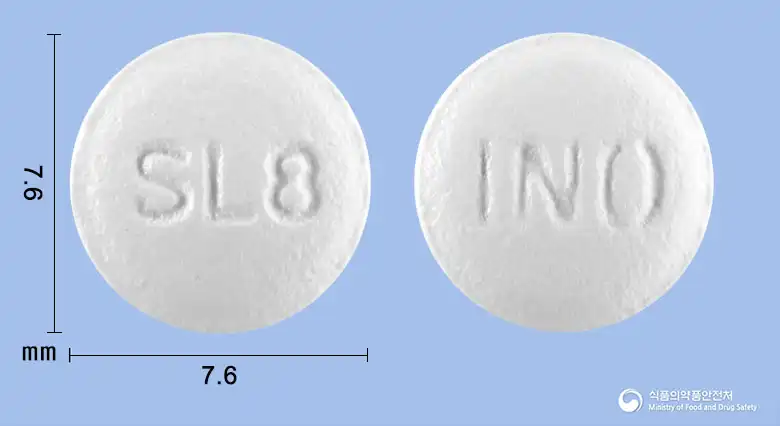
Zaltoprofen 80mg
Tablet · Prescription medication
HK inno.N Co., Ltd.

Zaltoprofen 80mg
Tablet · Prescription medication
Samchundang Pharmaceutical Co., Ltd.

Zaltoprofen 80mg
Tablet · Prescription medication
(Co., Ltd.) Yuyoung Pharmaceutical

Zaltoprofen 80mg
Tablet · Prescription medication
Daehwa Pharmaceutical Co., Ltd.

Zaltoprofen 80mg
Tablet · Prescription medication
(Co., Ltd.) Korea PMG Pharmaceutical
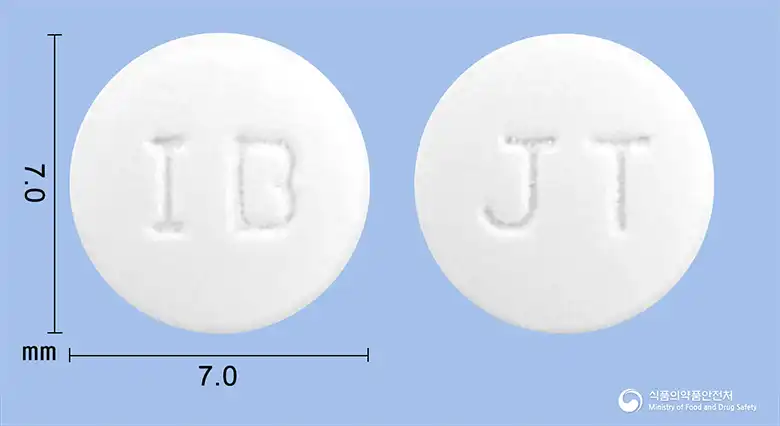
Zaltoprofen 80mg
Tablet · Prescription medication
IlYang Biopharm Co., Ltd.

Zaltoprofen 80mg
Tablet · Prescription medication
IYON Pharmaceutical Co., Ltd.
Even with the same ingredient, the dose and directions can differ by strength and dosage form. Talk to a doctor or pharmacist before switching from a medication you are already taking.
No questions yet.
For anything that needs medical judgment, consult a doctor or pharmacist.
This drug information is based on data provided by the Korea Ministry of Food and Drug Safety.
Consult a doctor or pharmacist for accurate dosage, administration, and usage instructions.