
 한국어
 English
 日本語
 中文(简体)
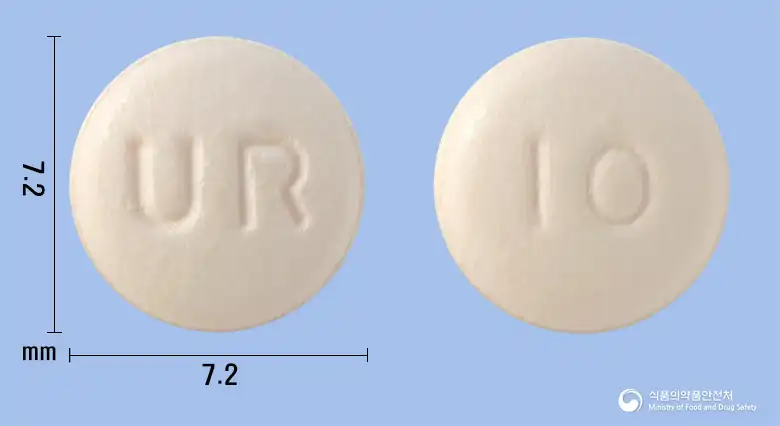
Dosage form image
Viewing nowEntifenacin 10 mg (Solefenacin Succinate)
Solifenacin Succinate 10mg
Tablet · Prescription medication
Korea Sintac Pharmaceutical Co., Ltd.
MFDS item code 201907115 · Approved 2019.10.07
This product's status changed to Expired on 2024.10.07. It may no longer be sold, so consult a doctor or pharmacist before taking it.
Treatment of overactive bladder symptoms (urinary frequency·urgency, etc.)
This medication is used to improve symptoms such as urge incontinence, frequent urination, and urinary urgency associated with overactive bladder. It works by controlling excessive contractions of the bladder, alleviating symptoms, and helping to reduce the frequency and urgency of urination. Patients can expect an improvement in symptoms and a reduction in discomfort in daily life.
The usual recommended dose for adults (including the elderly) is 5mg once daily. If necessary, the dose may be increased to a maximum of 10mg once daily. This medicine may be taken with or without food; swallow it whole with water. Dosage adjustment is necessary for the following patients. 1. Patients with renal impairment: No dose adjustment is necessary for patients with mild or moderate renal impairment (creatinine clearance>30ml/min). Use caution in patients with severe renal impairment (creatinine clearance≤30ml/min), and do not exceed 5mg once daily. 2. Patients with hepatic impairment: No dose adjustment is necessary for patients with mild hepatic impairment. Use caution in patients with moderate hepatic impairment (Child-Pugh Class B), and do not exceed 5mg once daily. 3. Patients receiving potent cytochrome P450 3A4 (CYP3A4) inhibitors: Limit the maximum daily dose to 5mg in patients receiving ketoconazole or another potent CYP3A4 inhibitor (e.g., ritonavir, nelfinavir, itraconazole).
This medication should not be used in patients with urinary retention symptoms or severe gastrointestinal diseases such as toxic megacolon. It is also contraindicated in patients with myasthenia gravis, narrow-angle glaucoma, or known hypersensitivity to this medication or its components. It is safest to avoid this medication in patients undergoing dialysis and those with severe liver or kidney dysfunction. Patients with certain genetic metabolic issues, such as galactose intolerance, should also avoid this medication. Patients at risk of urinary retention or with narrowed bladder outlet, those with obstructive gastrointestinal diseases, or those with slow gastrointestinal motility should use this medication cautiously. Patients with severe kidney or liver impairment should limit the dosage, and caution is required when taken with strong CYP3A4 inhibitors. Additionally, patients taking medications that may cause or worsen gastroesophageal reflux or esophagitis and those with autonomic neuropathy should exercise caution. Common side effects of this medication include dry mouth, constipation, blurred vision, urinary retention, and dry eyes. Especially, dry mouth and constipation tend to occur more frequently at higher doses. Rarely, angioedema or severe gastrointestinal adverse reactions have been reported, so if symptoms are severe, immediate consultation with healthcare professionals is necessary. Caution should also be exercised when driving or operating machinery due to potential drowsiness or blurred vision. Patients at risk of heart-related issues such as QT prolongation or hyperkalemia may have an increased risk of cardiac arrhythmias, so they should be monitored closely. In case of serious allergic reactions such as angioedema or anaphylaxis, the drug should be discontinued immediately and treatment sought. The safety of this medication during pregnancy has not been established, so it should be used cautiously in pregnant women, and it is advised to avoid this medication during breastfeeding. Safety and efficacy in pediatric patients have also not been established, thus it should not be administered to children. This medication may enhance the effects of other anticholinergic drugs or exacerbate their side effects, necessitating consultation with a professional. Moreover, it may reduce the efficacy of medications that stimulate gastrointestinal motility. Since this medication is primarily metabolized by CYP3A4 enzymes, concomitant use of strong CYP3A4 inhibitors may increase drug concentration, necessitating dose adjustments. In case of overdose, the administration of activated charcoal may be helpful, and severe symptoms may require professional treatment. Symptoms such as headache, dry mouth, dizziness, drowsiness, and blurred vision may occur, so caution is advised. Prior to taking this medication, patients must inform healthcare professionals about existing conditions or medications currently being taken, and should consult immediately in the event of any adverse reactions.
Not everyone experiences these, and they can vary from person to person.
This medication may be sensitive to air and moisture, so it should be stored in a sealed container. It is important to maintain a storage temperature between 1 and 30 degrees Celsius to ensure the effectiveness and safety of the medication.
Light pink round film-coated tablets
100 tablets (10 tablets/PTP packaging x 10), 30 tablets/bottle, 100 tablets/bottle
Even with the same ingredient, strength, dosage form and how it is taken can differ.
Solifenacin Succinate 10mg
Tablet · Prescription medication
Korea Sintac Pharmaceutical Co., Ltd.

Solifenacin Succinate 10mg
Tablet · Prescription medication
Astellas Pharma Korea, Inc.

Solifenacin Succinate 5mg
Tablet · Prescription medication
Korea Astellas Pharma Co., Ltd.
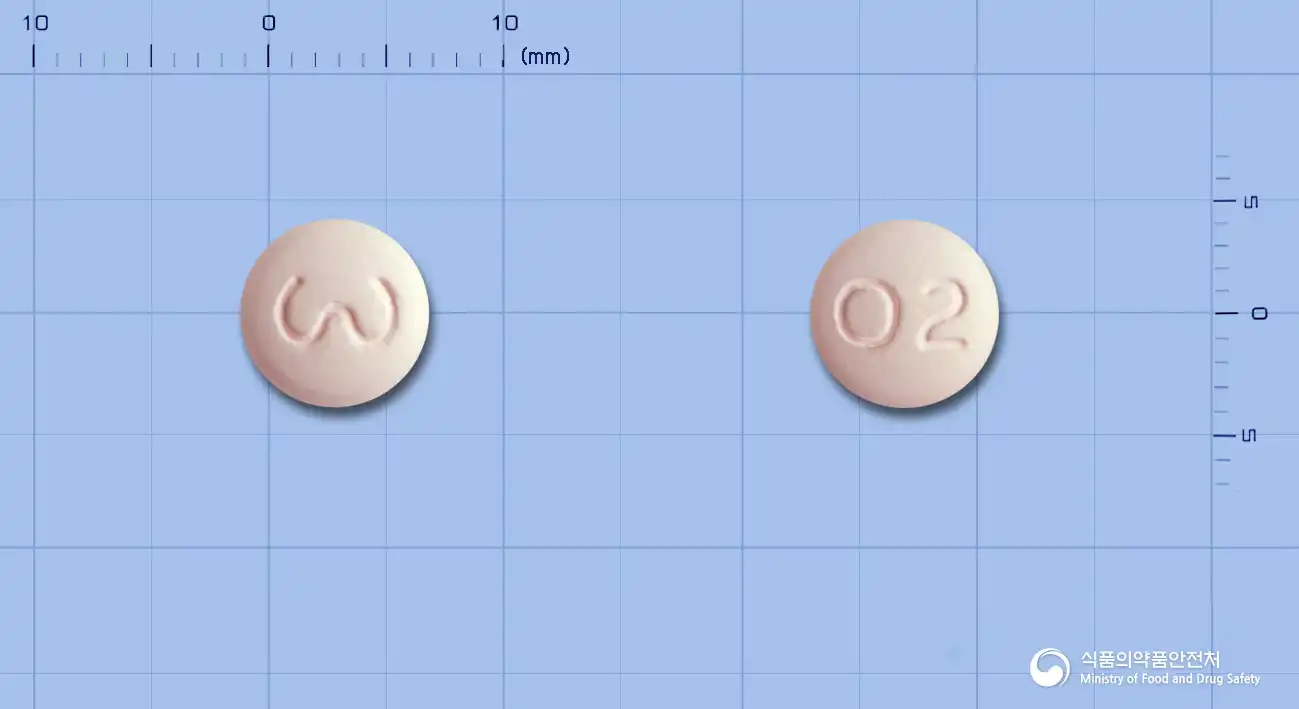
Solifenacin Succinate 10mg
Tablet · Prescription medication
Withus Pharmaceutical Co., Ltd.
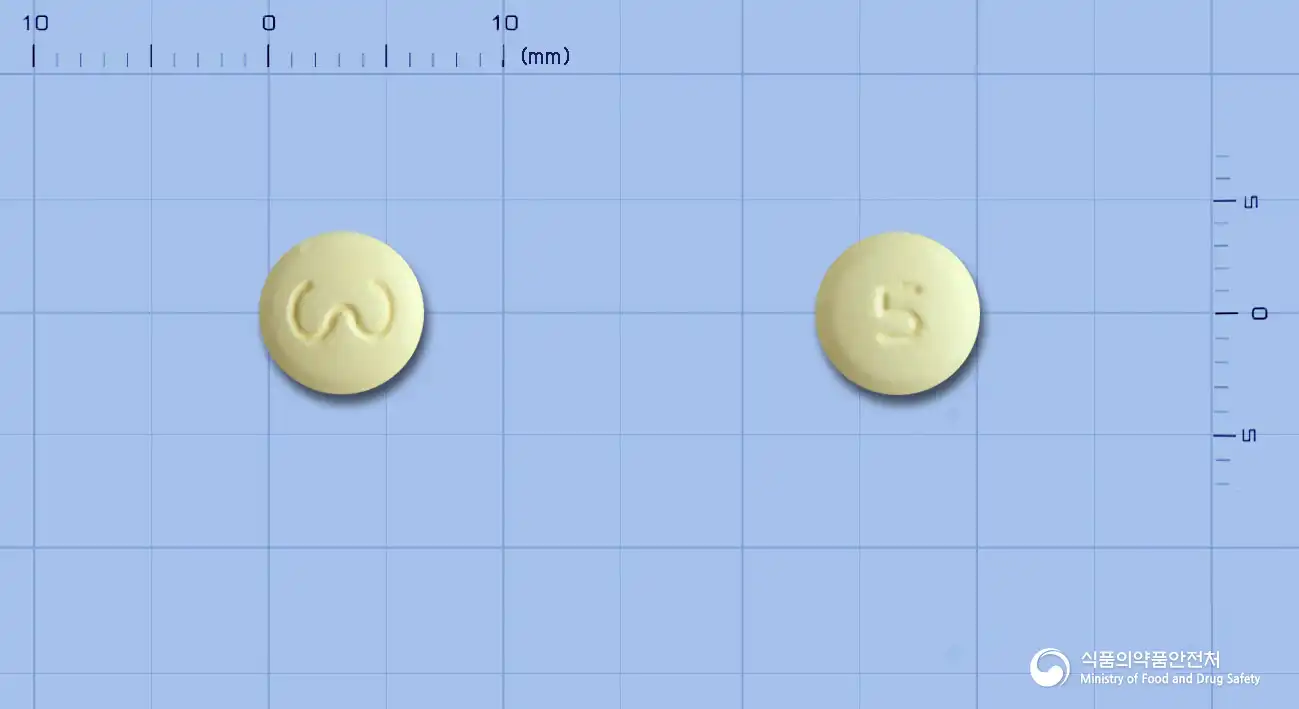
Solifenacin Succinate 5mg
Tablet · Prescription medication
Withus Pharmaceutical Co., Ltd.
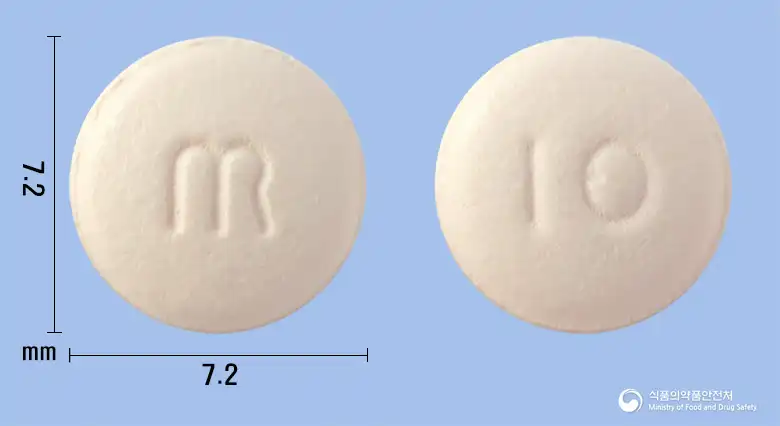
Solifenacin Succinate 10mg
Tablet · Prescription medication
Mothers Pharmaceutical Co., Ltd.
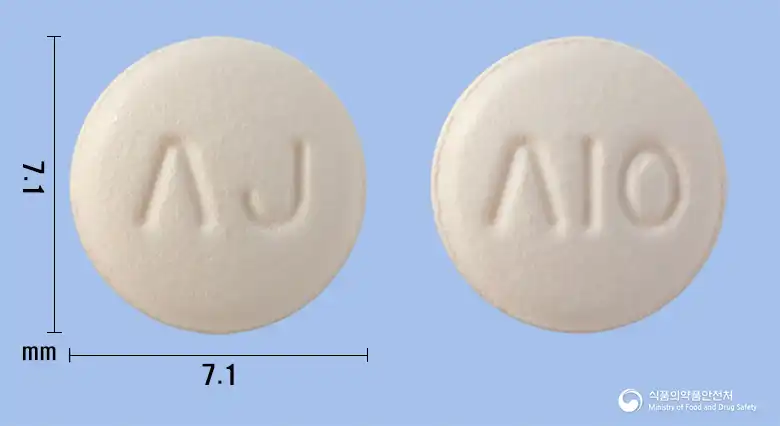
Solifenacin Succinate 10mg
Tablet · Prescription medication
Aju Pharmaceutical Co., Ltd.
Solifenacin Succinate 10mg
Tablet · Prescription medication
Korea Hyutecs Pharmaceutical Co., Ltd.
Even with the same ingredient, the dose and directions can differ by strength and dosage form. Talk to a doctor or pharmacist before switching from a medication you are already taking.
No questions yet.
For anything that needs medical judgment, consult a doctor or pharmacist.
This drug information is based on data provided by the Korea Ministry of Food and Drug Safety.
Consult a doctor or pharmacist for accurate dosage, administration, and usage instructions.