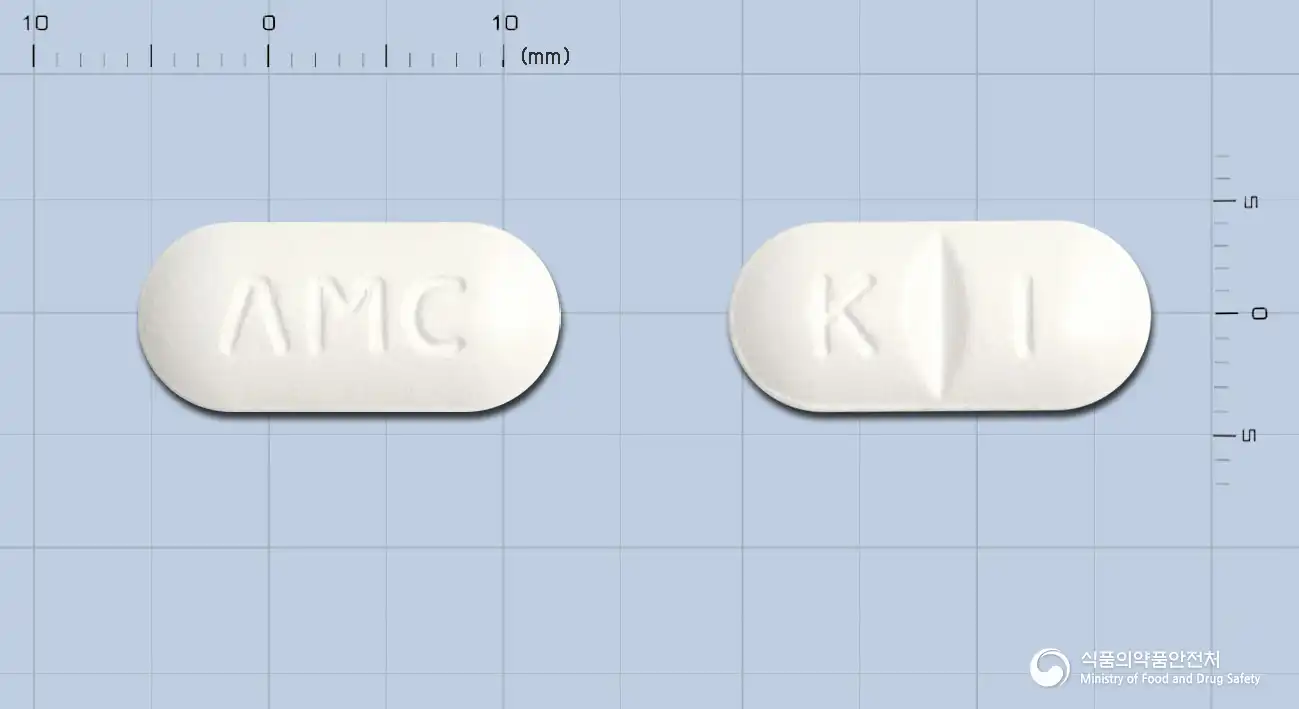
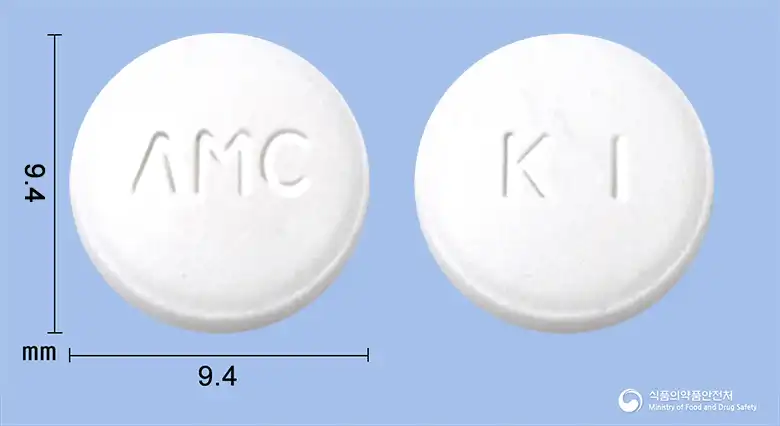
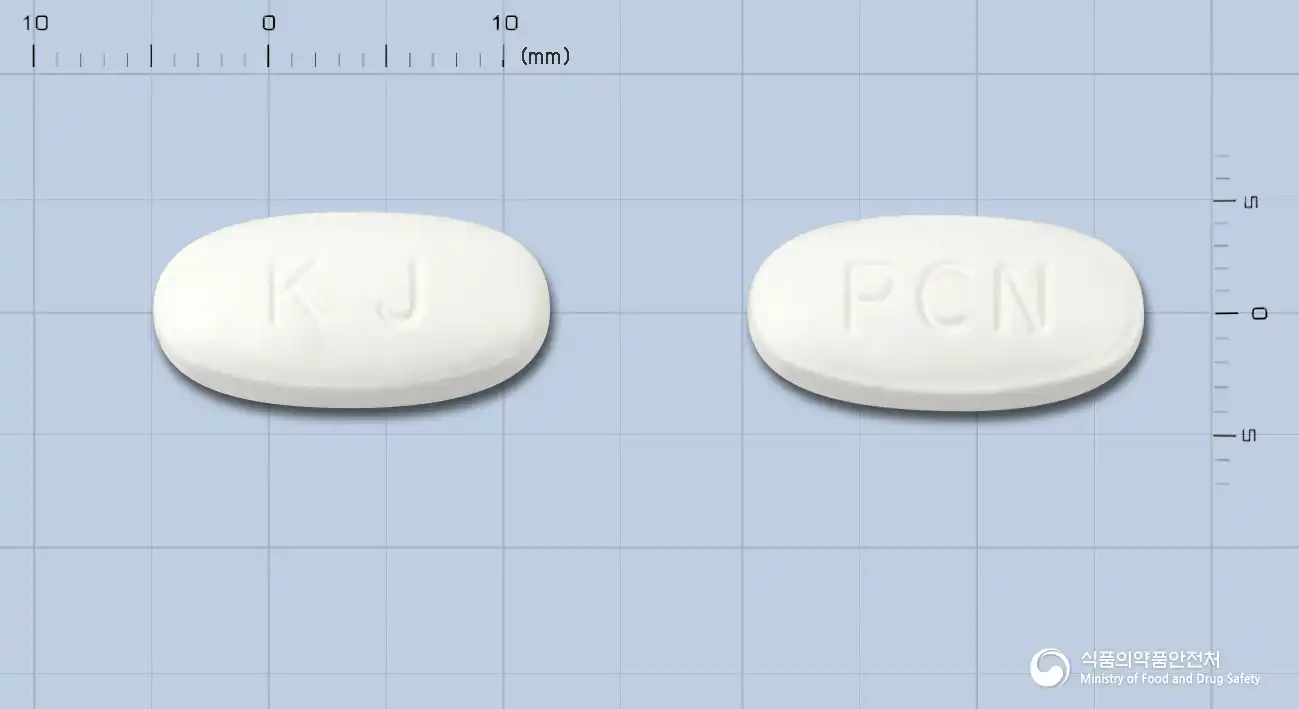
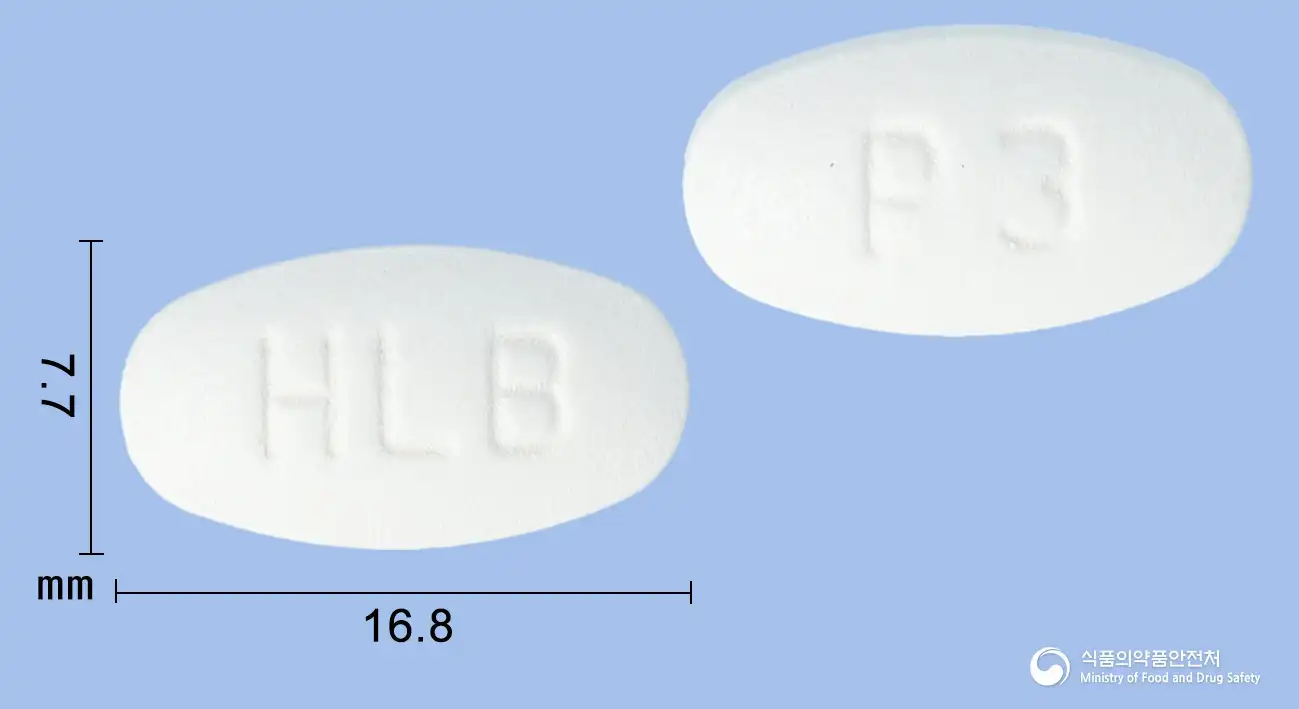
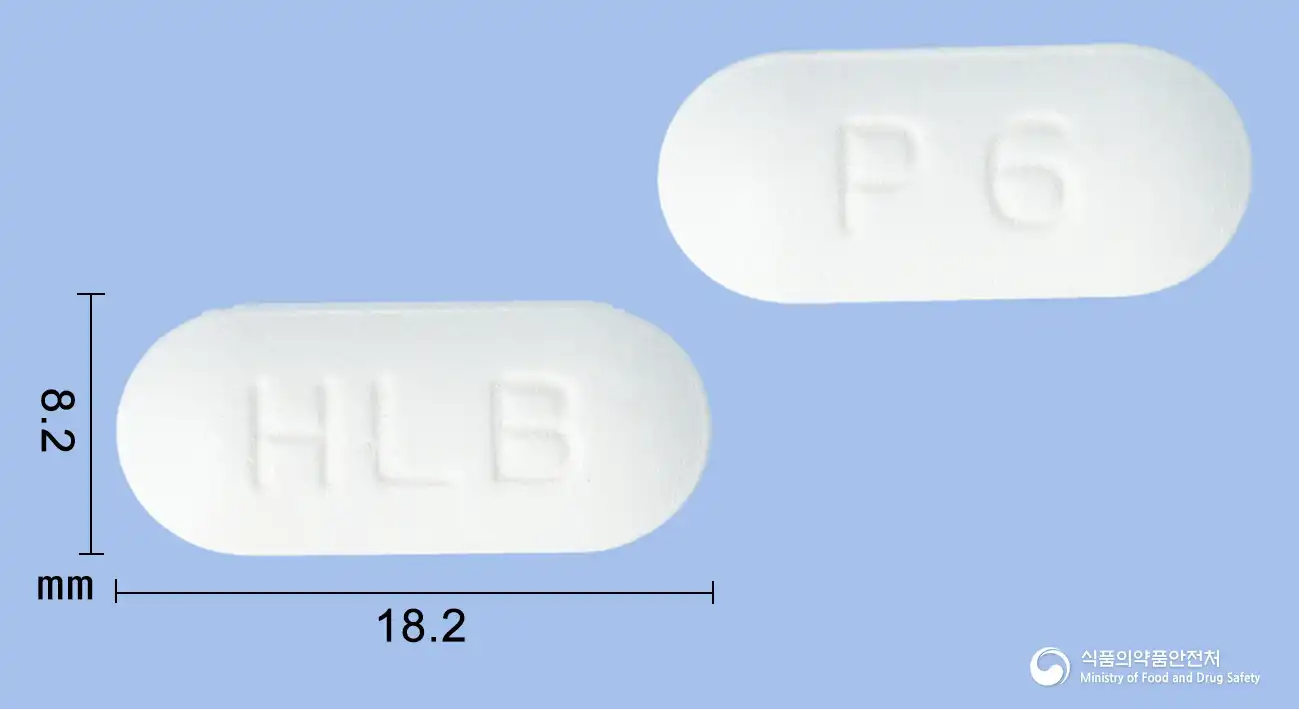
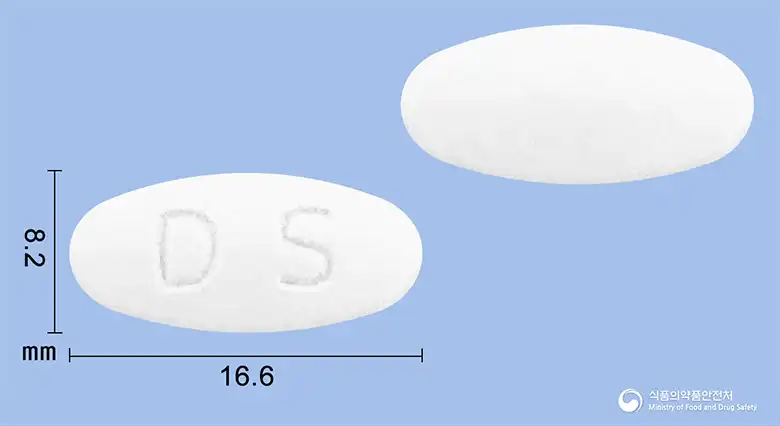
This product's status changed to Expired on 2024.09.27. It may no longer be sold, so consult a doctor or pharmacist before taking it.
Summary
Main use
Treatment of bacterial infections such as respiratory and urogenital infections
Who takes it
Adults · Children
Adult dose
Adults and children aged 12 years or older or weighing more than 40 kg should take Amoxicillin/Potassium Clavulanate at a dose of 250 mg/125 mg orally three times a day every 8 hours. In cases of severe and respiratory infections, the dosage can be increased to 500 mg/125 mg per dose. In cases of kidney impairment, the dosage should be adjusted based on creatinine clearance.
Child dose
Children aged 12 years or older or weighing more than 40 kg should take the same dosage as adults. Dosage should be reduced following the same method based on creatinine clearance.
Treatment of bacterial infections such as respiratory and urogenital infections
Acute and chronic bronchitis
lobar and bronchopneumonia
empyema
lung abscess
tonsillitis
sinusitis
otitis media
cystitis
urethritis
pyelonephritis
pelvic infections
gonorrhea
View approved original textHide original text
This medication is effective against various bacteria such as Staphylococcus aureus, Streptococcus pneumoniae, and Escherichia coli, and is used for respiratory infections like acute and chronic bronchitis, pneumonia, tonsillitis, and sinusitis. It is also suitable for the treatment of urinary tract infections such as cystitis, urethritis, and pyelonephritis and is utilized for treating sexually transmitted diseases like gonorrhea. It is also effective for skin and soft tissue infections, abscesses, wound infections, as well as osteomyelitis and dental infections. This medication helps in the recovery of patients by addressing a wide range of bacterial infections.
How to take
Adult dose
Adults and children aged 12 years or older or weighing more than 40 kg should take Amoxicillin/Potassium Clavulanate at a dose of 250 mg/125 mg orally three times a day every 8 hours. In cases of severe and respiratory infections, the dosage can be increased to 500 mg/125 mg per dose. In cases of kidney impairment, the dosage should be adjusted based on creatinine clearance.
Child dose
Children aged 12 years or older or weighing more than 40 kg should take the same dosage as adults. Dosage should be reduced following the same method based on creatinine clearance.
Precautions
This medication is a penicillin-class antibiotic and should not be administered to patients who have had specific allergic reactions. Patients who have previously experienced severe allergic reactions to this medication or similar antibiotics must inform their healthcare provider. It should be used cautiously in patients with liver function issues or reduced kidney function, and dosage adjustments may be necessary. Allergy-prone individuals or the elderly, as well as those with digestive disorders, should also exercise caution. During treatment, side effects such as diarrhea, abdominal pain, rash, and itching may occur; if such symptoms arise, immediate consultation with a physician is required. In particular, if severe diarrhea, blood in stool, respiratory difficulties, or swelling occurs, the medication should be discontinued immediately and medical assistance sought. This medication can affect the liver and kidneys, necessitating regular testing during long-term use. Also, there may be interactions with other medications, so it's essential to disclose any medications currently being taken, particularly anticoagulants or certain antibiotics. Pregnant or breastfeeding women should consult with a physician before use, and special caution is needed for children and the elderly. Overdosage may cause gastrointestinal disturbances, kidney problems, and allergic reactions, so the prescribed dosage must be strictly followed. Store in a dry place below 25 degrees, and it is essential to adhere to the usage period and methods.
Side effects and when to seek care immediately
Serious side effects
Hives, severe swelling (angioedema), chest tightness, difficulty breathing, anaphylaxis, shock, cold sweat, pallor, severe allergic reactions with high fever, severe rash, blisters, skin peeling, mucosal pain in mouth/eyes, Stevens-Johnson syndrome, toxic epidermal necrolysis (Lyell syndrome), vesiculobullous dermatitis, acute generalized exanthematous pustulosis, respiratory issues (bronchospasm, laryngeal edema, difficulty breathing), jaundice (yellowing of skin or eyes)
Mild side effects
Diarrhea
indigestion
stomatitis
gastritis
glossitis
nausea
vomiting
loss of appetite
abdominal pain
abdominal bloating
Show 20 moreCollapse
constipation
colonic pain
hyperacidity
loose stools
dry mouth
candidiasis
antibiotic-associated colitis
itching
erythema multiforme
thrombocytopenia and hemolytic anemia
anemia
thrombocytopenic purpura
eosinophilia
leukemia
agranulocytosis
lymphocytopenia
thrombocytosis
bone marrow suppression
prolonged bleeding time
prolonged prothrombin time
Not everyone experiences these, and they can vary from person to person.
Storage
This drug should be stored in a tightly sealed container to prevent moisture, and it is best kept in a dry place below 25 degrees. By storing it this way, the medication's effectiveness can be maintained for a longer time.
Even with the same ingredient, the dose and directions can differ by strength and dosage form. Talk to a doctor or pharmacist before switching from a medication you are already taking.
Questions about this medicine
No questions yet.
For anything that needs medical judgment, consult a doctor or pharmacist.
This drug information is based on data provided by the Korea Ministry of Food and Drug Safety. Consult a doctor or pharmacist for accurate dosage, administration, and usage instructions.

 한국어
한국어 English
 日本語
日本語 中文(简体)