
 한국어
한국어 English
 日本語
日本語 中文(简体)
Dosage form image
Viewing nowMetformin XR Tablets 500mg (Metformin Hydrochloride)
Metformin Hydrochloride 500mg
Tablet · Prescription medication
Daewoo Pharmaceutical Co., Ltd.
MFDS item code 201906867 · Approved 2019.09.26
This product's status changed to Expired on 2024.09.26. It may no longer be sold, so consult a doctor or pharmacist before taking it.
Improvement of blood glucose control in type 2 diabetes
This medication is used to treat patients with type 2 diabetes who do not have sufficient blood glucose control with diet and exercise alone, especially overweight adults. It can be used alone or in combination with other oral hypoglycemic agents or insulin to effectively control blood glucose levels. This helps improve blood sugar management and prevents complications.
The starting dose is 1 tablet of Metformin Hydrochloride 500mg extended-release, once daily with the evening meal. Blood glucose levels should be measured after one week to adjust the dosage. The dosage can be increased by 500mg weekly, with a maximum of 2000mg taken with the evening meal. If blood glucose control is still inadequate at a maximum of 2000mg once daily, consider administering 1000mg twice daily, both taken with meals.
This medication can rarely cause a serious condition known as lactic acidosis. Lactic acidosis is a state in which lactic acid accumulates excessively in the body, potentially leading to death if severe, so caution is required. Also, when this drug is used in conjunction with insulin or sulfonylureas, there is a risk of hypoglycemia, so blood glucose levels should be monitored carefully. Patients with moderate to severe renal impairment, dehydration, severe infections, or acute heart disease should not use this medication. In particular, patients with very poor renal function may be at risk from this medication. This medication should be temporarily discontinued before and after procedures using radiologic contrast agents, and can only be resumed once renal function is confirmed to be normal. Patients with allergies to the components of this drug, as well as those with type 1 diabetes, severe metabolic acidosis, or acute heart failure, should not take it. Patients scheduled for surgery should stop taking this medication 48 hours prior to the surgery and can only restart it after kidney function has recovered post-surgery. Patients with poor nutritional status or liver dysfunction, as well as those who consume excessive alcohol, have an increased risk of lactic acidosis and should take caution. While taking this medication, kidney function should be monitored regularly, and particularly elderly patients or those with slightly reduced kidney function should be monitored more frequently. Gastrointestinal symptoms (nausea, vomiting, diarrhea, etc.) are common, but most improve over time. If symptoms are severe, consult a physician. If symptoms such as sudden weakness, shortness of breath, muscle pain, or abdominal pain occur while taking this medication, inform medical personnel immediately, as this may be an early sign of lactic acidosis. Caution is also needed if blood glucose control is poor or if hypoglycemic symptoms appear, particularly when taken with other hypoglycemic agents, as the risk of hypoglycemia increases. During pregnancy, this medication should be used cautiously, considering the effects on the fetus, and during lactation, it is advisable to consult a doctor about either discontinuing breastfeeding or the medication. It is not recommended for children, as safety and efficacy have not been established, and elderly patients should adjust the dosage according to their kidney function. In case of overdose, hypoglycemia is rare, but there is a risk of lactic acidosis, so immediate treatment at a hospital is necessary; blood dialysis may be required. This medication can interact with other drugs, so if you are taking any other medications, you must inform your doctor or pharmacist. Finally, this medication should only be taken according to a doctor's prescription and instructions, and should not be stopped or changed arbitrarily.
Lactic acidosis (associated with acute renal failure, cardiopulmonary disease, sepsis), severe allergic reactions (including hives), hypoglycemia (risk of severe hypoglycemia), dehydration due to gastrointestinal disturbances, increased risk of lactic acidosis due to renal impairment
Not everyone experiences these, and they can vary from person to person.
This medication should be stored in a tightly closed container to protect it from air and moisture. It should be kept at room temperature between 1°C and 30°C, avoiding extremely hot or cold places.
White, biconvex, rectangular extended-release tablet
30 tablets/bottle, 300 tablets/bottle
Even with the same ingredient, strength, dosage form and how it is taken can differ.
Metformin Hydrochloride 500mg
Tablet · Prescription medication
Daewoo Pharmaceutical Co., Ltd.
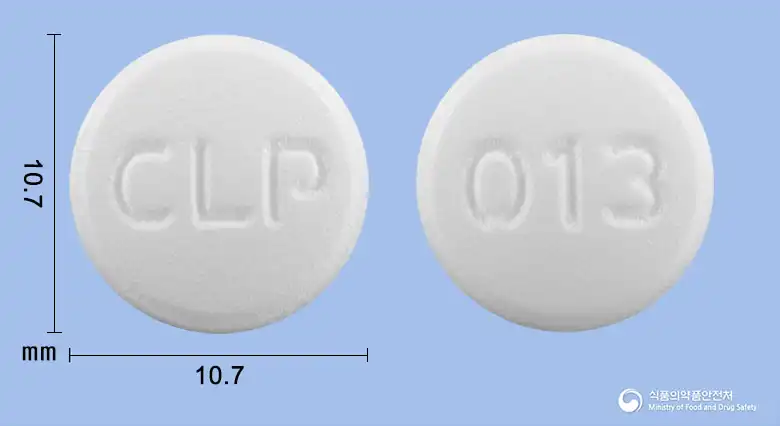
Metformin Hydrochloride 500mg
Tablet · Prescription medication
(Celltrion Pharmaceuticals)
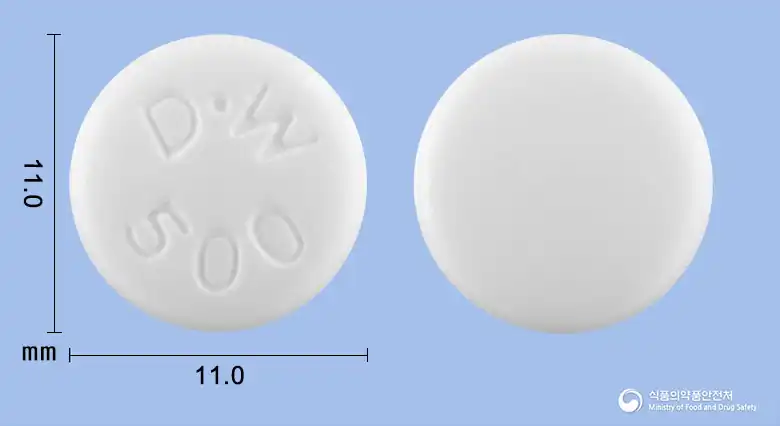
Metformin Hydrochloride 500mg
Tablet · Prescription medication
(Daewoong Pharmaceutical)
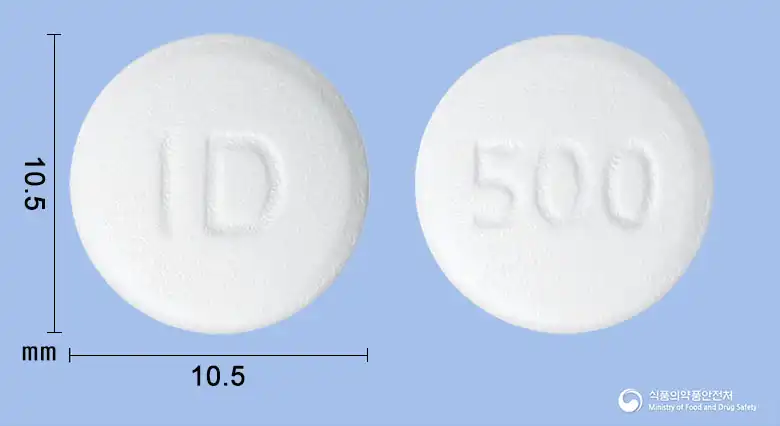
Metformin Hydrochloride 500mg
Tablet · Prescription medication
(Ildong Pharmaceutical Co., Ltd.)

Metformin Hydrochloride 500mg
Tablet · Prescription medication
(Ilseong IS Co., Ltd.)
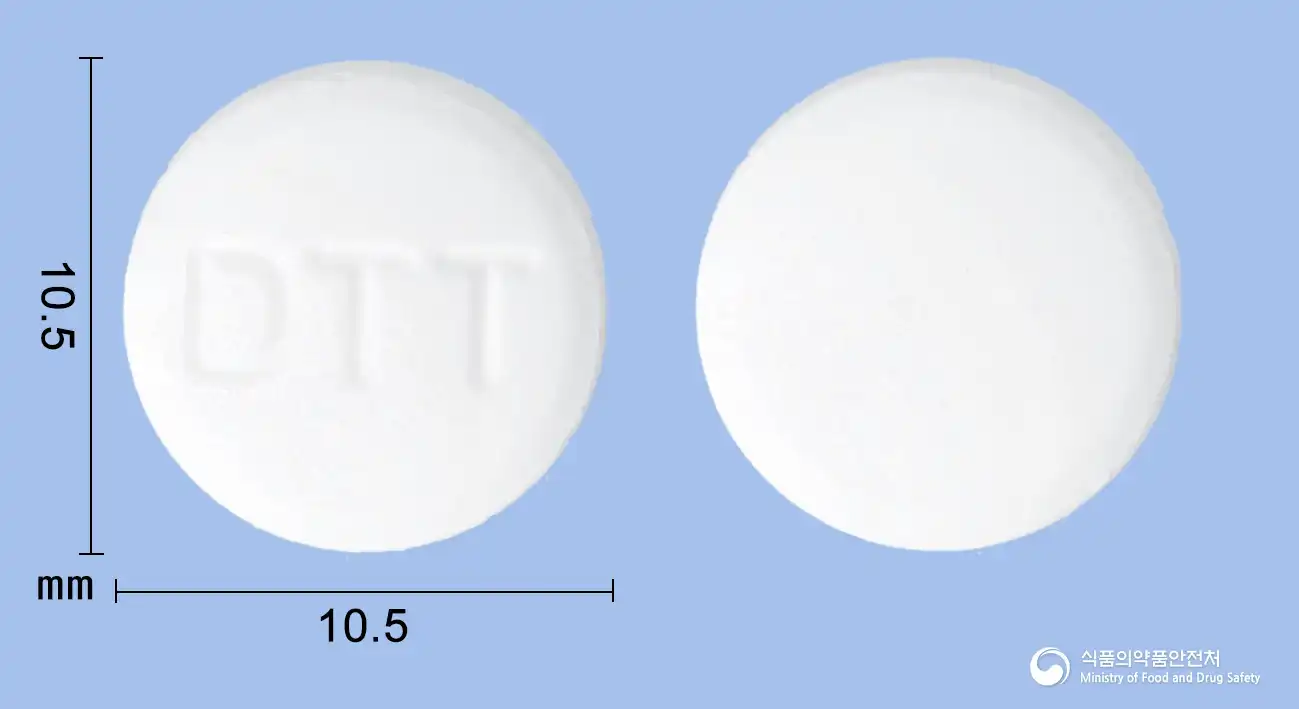
Metformin Hydrochloride 500mg
Tablet · Prescription medication
(Kyungdong Pharmaceutical Co., Ltd.)
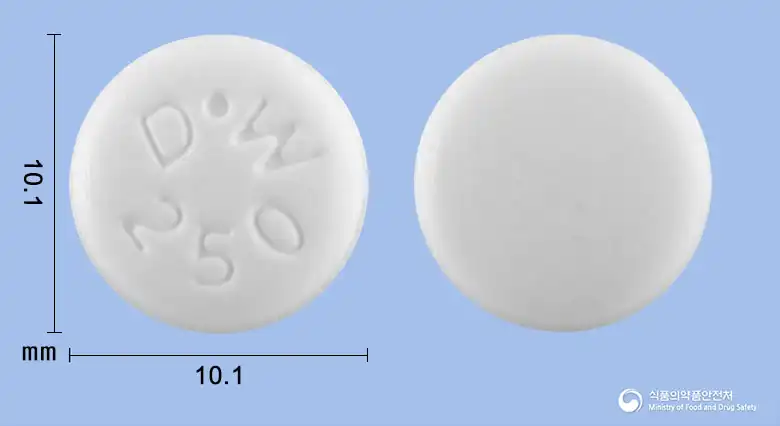
Metformin Hydrochloride 250mg
Tablet · Prescription medication
(Daewoong Pharmaceutical)

Metformin Hydrochloride 500mg
Tablet · Prescription medication
(Youngpoong Pharmaceutical Co., Ltd.)
Even with the same ingredient, the dose and directions can differ by strength and dosage form. Talk to a doctor or pharmacist before switching from a medication you are already taking.
No questions yet.
For anything that needs medical judgment, consult a doctor or pharmacist.
This drug information is based on data provided by the Korea Ministry of Food and Drug Safety.
Consult a doctor or pharmacist for accurate dosage, administration, and usage instructions.