
 한국어
 English
 日本語
 中文(简体)
Dosage form image
Viewing nowNapronin 100mg (Napronyl Oxalate)
Nafronyl Oxalate 100mg
Tablet · Prescription medication
Korea Sintex Pharmaceutical Co., Ltd.
MFDS item code 201906488 · Notified 2019.09.17
This product's status changed to Approval withdrawn on 2024.04.11. It may no longer be sold, so consult a doctor or pharmacist before taking it.
Improvement of peripheral vascular disorders
Peripheral vascular disorder is a condition where blood circulation is poor in peripheral areas such as hands or feet. This medication is used to alleviate symptoms and improve function by improving blood flow in peripheral blood vessels.
Administer nafronyl oxalate 100 mg orally three times daily.
This medication should not be administered to patients with acute myocardial infarction or those at the early stages of hemorrhagic injuries. Patients with orthostatic dysregulation or who have had allergic reactions to this medication should also not use it. Patients with a history of hyperoxaluria or recurrent calcium nephrolithiasis, as well as those with acute heart failure, congestive heart failure, severe cardiac conduction defects, angina, or hypotension should avoid this medication. It is also safer not to use this medication in patients with liver function problems or those at risk of seizures, as well as pregnant or potentially pregnant women and nursing mothers. Patients with impaired kidney function or those with coronary atherosclerosis should be administered the medication cautiously, and it is important to consult with a physician prior to administration. This medication may cause neurological symptoms such as seizures, sensory abnormalities, anxiety, drowsiness, insomnia, fatigue, headaches, and dizziness. Gastrointestinal symptoms like loss of appetite, esophagitis, vomiting, nausea, stomach pain, and diarrhea may occur, so if symptoms are severe, you should inform a doctor. Allergic reactions such as urticaria, angioedema, and rashes may appear, so it is important to be cautious if there are skin abnormalities. There have also been reports of liver-related side effects such as hepatitis, liver function abnormalities, jaundice due to bile stasis, and acute hepatocellular necrosis. In the kidneys, there could be the risk of urination disorders or calcium oxalate nephrolithiasis, so adequate hydration is necessary. Cardiovascular adverse reactions such as hypotension, orthostatic hypotension, arrhythmias, angina, fainting, and peripheral edema may also occur. Blood glucose may increase, so diabetic patients need to pay attention to blood sugar management. This medication is not used for hypertension treatment, and it should be taken with plenty of water to prevent esophagitis. If this medication is taken along with antihypertensives or antiarrhythmics, their effects may be enhanced, so you should consult a physician. It is safe for pregnant or nursing women not to use this medication, and if planning on becoming pregnant, consult a specialist before taking it. In the case of an overdose, cardiac rhythm abnormalities and convulsions may occur, so you should immediately visit a medical facility for appropriate treatment.
Not everyone experiences these, and they can vary from person to person.
This medication should be stored in a closed container that can block light, and it is safe to store it at room temperature between 1 to 30 degrees Celsius. Therefore, when using the medication, it is important to avoid direct sunlight and not to place it in excessively hot or cold places.
White round film-coated tablet
30 tablets/bottle, 500 tablets/bottle
Even with the same ingredient, strength, dosage form and how it is taken can differ.
Nafronyl Oxalate 100mg
Tablet · Prescription medication
Korea Sintex Pharmaceutical Co., Ltd.
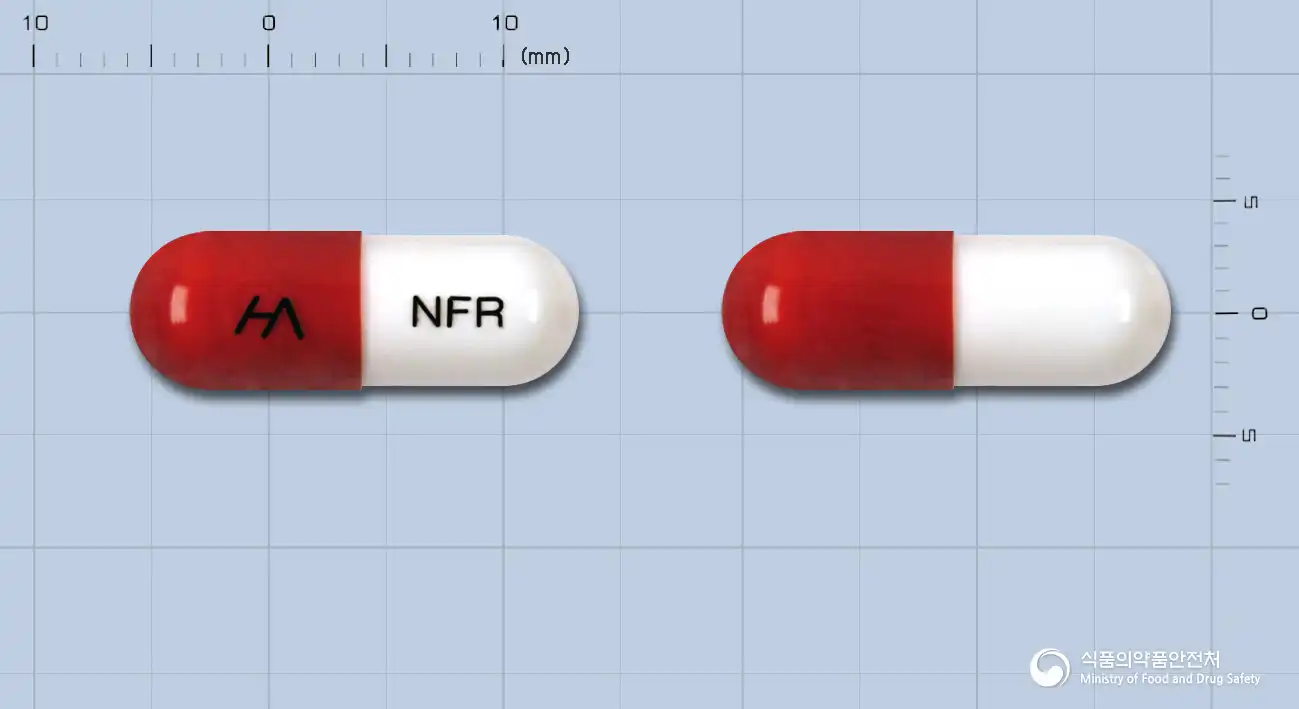
Nafronyl Oxalate 100mg
Hard capsule · Prescription medication
Hanall Biopharma Co., Ltd.
Nafronyl Oxalate 100mg
Prescription medication
Albozen Korea Co., Ltd.
Nafronyl Oxalate 100mg
Hard capsule · Prescription medication
Korea Union Pharm Co., Ltd.
Nafronyl Oxalate 100mg
Prescription medication
Hawon Pharmaceutical Co., Ltd.
Nafronyl Oxalate 100mg
Hard capsule · Prescription medication
CMG Pharmaceutical Co., Ltd.
Nafronyl Oxalate 100mg
Prescription medication
Korea Prime Pharmaceutical Co., Ltd.
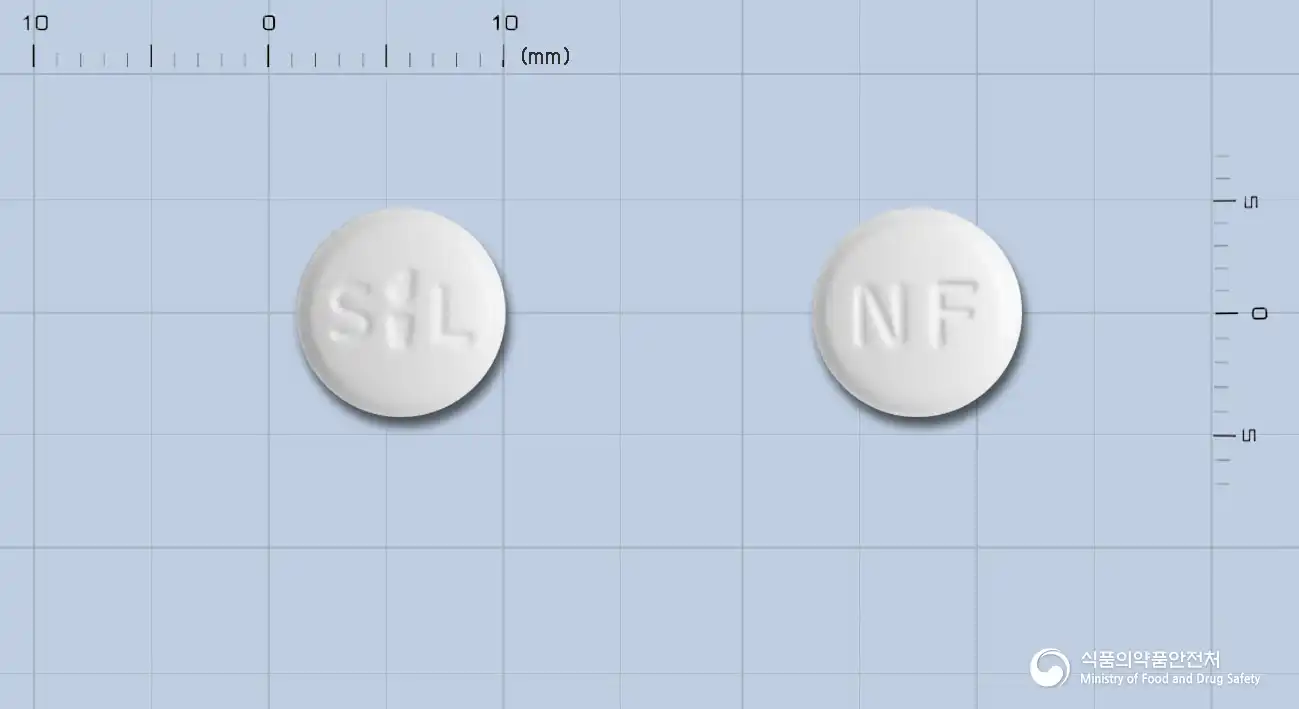
Nafronyl Oxalate 100mg
Tablet · Prescription medication
Samil Pharmaceutical Co., Ltd.
Even with the same ingredient, the dose and directions can differ by strength and dosage form. Talk to a doctor or pharmacist before switching from a medication you are already taking.
No questions yet.
For anything that needs medical judgment, consult a doctor or pharmacist.
This drug information is based on data provided by the Korea Ministry of Food and Drug Safety.
Consult a doctor or pharmacist for accurate dosage, administration, and usage instructions.