
 한국어
 English
 日本語
 中文(简体)
Summary
- Main use
- Treatment of visual impairment due to Leber hereditary optic neuropathy in adolescents and adults
- Who takes it
- Adults · Children
- Adult dose
- This medicine must be administered under the supervision of a physician experienced in treating Leber hereditary optic neuropathy. The recommended dose of this medicine is 300mg orally per dose 3 times daily (total daily dose of 900mg). Data on continuous treatment with this medicine for up to 24 months have been confirmed in a natural history controlled open label clinical trial. No dose adjustment is required for elderly patients. Studies of this medicine in patients with renal or hepatic impairment are limited; caution is required when administering it to these patients. Swallow this medicine whole with water. Do not split or chew the tablets. This medicine should be taken with food because food increases its bioavailability.
- Child dose
- Use is not recommended in patients under 12 years of age because the safety and efficacy of this medicine have not been established.
Ingredients
- Importer
- Kwangdong Pharm Co., Ltd.
Efficacy & effects
Treatment of visual impairment due to Leber hereditary optic neuropathy in adolescents and adults
- Visual impairment
View approved original textHide original text
This medication is used to treat visual impairment caused by Leber's Hereditary Optic Neuropathy (LHON) in adolescents and adults.
How to take
Adult dose
This medicine must be administered under the supervision of a physician experienced in treating Leber hereditary optic neuropathy. The recommended dose of this medicine is 300mg orally per dose 3 times daily (total daily dose of 900mg). Data on continuous treatment with this medicine for up to 24 months have been confirmed in a natural history controlled open label clinical trial. No dose adjustment is required for elderly patients. Studies of this medicine in patients with renal or hepatic impairment are limited; caution is required when administering it to these patients. Swallow this medicine whole with water. Do not split or chew the tablets. This medicine should be taken with food because food increases its bioavailability.
Child dose
Use is not recommended in patients under 12 years of age because the safety and efficacy of this medicine have not been established.
Precautions
This medicine should not be used by patients who are allergic to the active ingredient or excipients. Additionally, it contains lactose, so it should not be administered to patients with genetic problems such as galactose intolerance, lactase deficiency, and glucose-galactose malabsorption. Patients with hypersensitivity to Yellow No. 5 dye or a history of allergies should use this medicine with caution. Patients with liver or kidney issues need to use this medicine with caution and should be well observed. Taking this medication may result in mild diarrhea, nasopharyngitis, cough, and back pain as side effects. Rarely, various adverse reactions may occur, including seizures, headaches, anxiety, blood abnormalities, liver function abnormalities, and skin rashes, so consult a healthcare provider immediately if symptoms appear. The metabolites of this medicine may cause urine to turn red, which is not harmful and does not require discontinuation of treatment. However, since the change in urine color could mask the signs of other conditions, caution is necessary. This medicine should be used under the supervision of a medical professional, and regular health status checks are needed. It does not affect driving or machinery operation, but patients with impaired kidney or liver function should be cautious when taking it. There may be potential interactions when using this medicine with other drugs, especially those metabolized in the liver, so let healthcare providers know if you are taking these types of medications. The safety of this medication during pregnancy is not established, so it should only be used when the benefits of treatment outweigh the risks. Breastfeeding women should carefully decide whether to continue breastfeeding, as this medication may be excreted in breast milk. It is recommended not to use this medication in children under 12 years of age, as its safety and efficacy have not been established. In case of overdose, as there is no specific antidote, it is important to receive appropriate treatment based on the symptoms. This medication should be stored at room temperature, away from the reach of children, and kept in a secure location. Transferring to another container is not advisable for maintaining quality, so it is best to store it in its original packaging.
Side effects
- Diarrhea
- nasopharyngitis
- cough
- back pain
- bronchitis
- increased blood cholesterol
- increased blood triglycerides
- seizures
- delirium
- hallucinations
Show 30 moreCollapse
- anxiety
- movement disorders
- hyperkinesia
- wandering
- dizziness
- headache
- anxiety disorders
- malaise
- agranulocytosis
- anemia
- leukopenia
- thrombocytopenia
- neutropenia
- nausea
- vomiting
- loss of appetite
- dyspepsia
- increased alanine aminotransferase
- increased aspartate aminotransferase
- increased serum alkaline phosphatase
- increased serum lactate dehydrogenase
- increased gamma-glutamyl transferase
- increased serum bilirubin
- hepatitis
- rash
- itching
- limb pain
- hypernitrogenemia
- colored urine
- lethargy
Not everyone experiences these, and they can vary from person to person.
Storage
This medicine should be stored in a tightly sealed container to prevent air and moisture from entering. It is best to maintain the storage temperature between 1 degree and 30 degrees Celsius at room temperature. This storage will help preserve the effectiveness of the medicine for a long time.
Appearance and packaging
Appearance
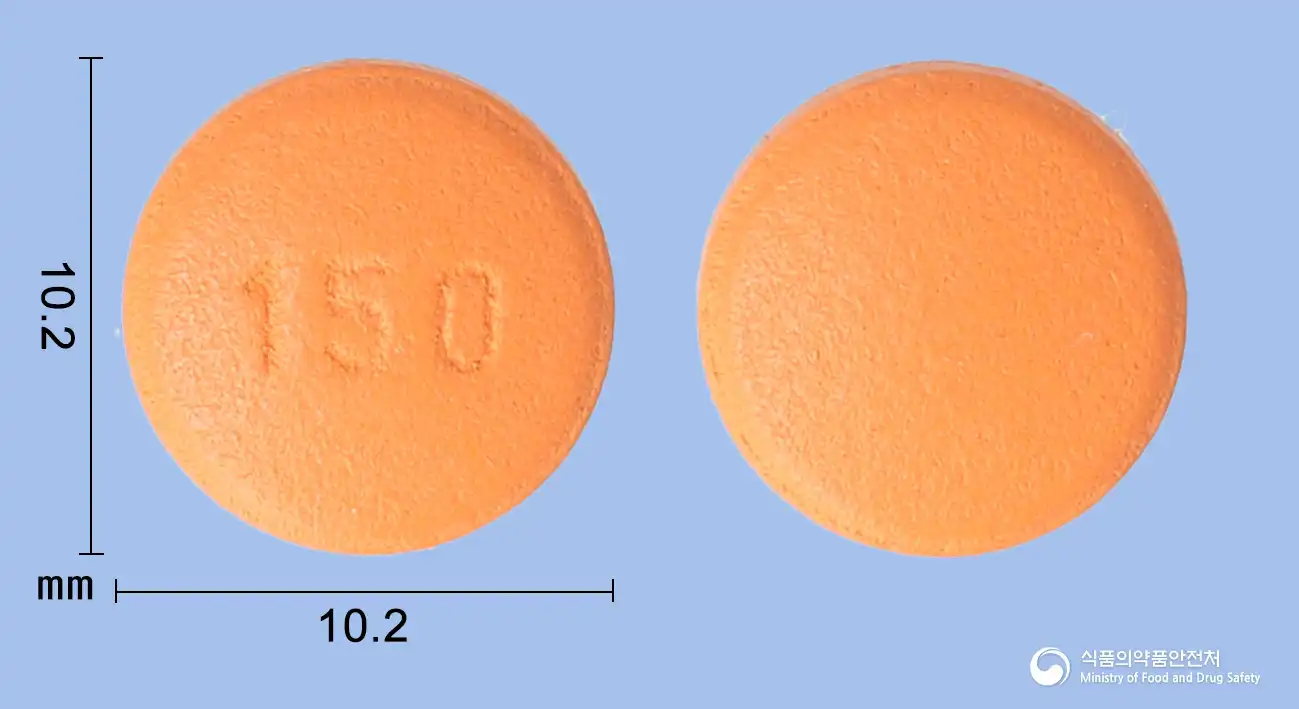
This medicine is a round, orange film-coated tablet with a convex shape on both sides.
Package unit
Packaging unit change - 180 tablets/bottle
Questions about this medicine
No questions yet.
For anything that needs medical judgment, consult a doctor or pharmacist.