
 한국어
한국어 English
 日本語
日本語 中文(简体)
 Viewing now
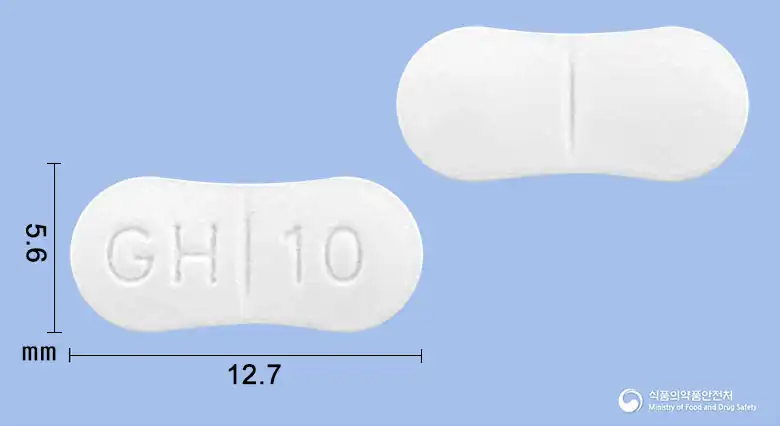
Memantine Tablets (Memantine Hydrochloride)
Memantine Hydrochloride 10mg
Tablet · Prescription medication
Hanpoong Pharmaceutical Co., Ltd.
MFDS item code 201906361 · Approved 2019.09.09 · Insurance code 658107480
Treatment of moderate to severe Alzheimer's disease
This medication is used for the treatment of moderate to severe Alzheimer's disease. Alzheimer's disease is a condition characterized by a gradual decline in memory and cognitive function. This drug helps slow the progression of symptoms and improve the patient's ability to carry out daily activities. It is expected to help the patient prevent the deterioration of symptoms and maintain their quality of life.
This medication is taken orally once a day and should be taken at the same time every day. If necessary, it can be administered twice a day. Dosage escalation method: The maximum daily dose is 20mg, and to minimize the risk of adverse reactions, increase the dose by 5mg weekly over the first 3 weeks. - First Week (Days 1-7): Administer 5mg per day - Second Week (Days 8-14): Administer 10mg per day - Third Week
This medication should not be used in patients who are allergic to any of its ingredients. It is also not safe to administer to patients with severely impaired liver function or very poor kidney function. Patients with epilepsy or a history of seizures, or those prone to seizures should use this medication with extreme caution. Additionally, co-administration with other NMDA antagonists such as amantadine, ketamine, and dextromethorphan can worsen side effects, so these should not be used together. Patients with conditions that may change urine acidity (pH) or dietary changes should also be closely monitored. There is insufficient data on the use of this medication in patients with recent heart disease or uncontrolled hypertension, so careful judgment is required. When using this medication, side effects such as dizziness, headaches, constipation, drowsiness, and hypertension may occur, so symptoms should be carefully monitored. Mental confusion, hallucinations, and psychotic reactions have been reported infrequently, so if unusual symptoms occur, immediate consultation with healthcare personnel is recommended. Interactions may occur when used with other medications, particularly with levodopa, dopamine drugs, anticholinergic drugs, barbiturate drugs, antipsychotic medications, skeletal muscle relaxants, and warfarin, so caution is needed when co-administering. Women who are pregnant or may become pregnant should carefully weigh the risks and benefits of using this medication, and breastfeeding women are advised to discontinue breastfeeding while using this medication. Safety has not been established in children or adolescents under 18 years of age, so use in this population is not advisable. In the case of overdose, symptoms of central nervous system effects and gastrointestinal symptoms may occur, so immediate hospital visit for proper treatment is necessary. This medication may decrease the patient's responsiveness, affecting driving or operation of machinery; therefore, caution is advised when engaging in such activities. Lastly, it should be stored out of the reach of children, and it is important not to transfer it to other containers to maintain quality.
Not everyone experiences these, and they can vary from person to person.
This medication should be stored in a tightly closed container to prevent air or moisture from entering, and it is best kept at room temperature between 1 and 30 degrees Celsius. Proper storage will help maintain the efficacy of the drug for a longer period.
White, rectangular film-coated tablets
30 tablets/bottle, 100 tablets/bottle
Even with the same ingredient, strength, dosage form and how it is taken can differ.
Viewing nowMemantine Hydrochloride 10mg
Tablet · Prescription medication
Hanpoong Pharmaceutical Co., Ltd.
Memantine Hydrochloride 1g
Solution · Prescription medication
Lundbeck Korea Co., Ltd.
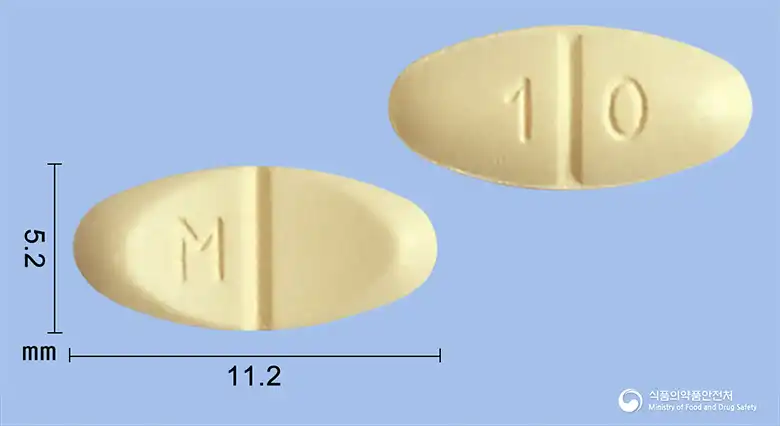
Memantine Hydrochloride 10mg
Tablet · Prescription medication
Lundbeck Korea Co., Ltd.
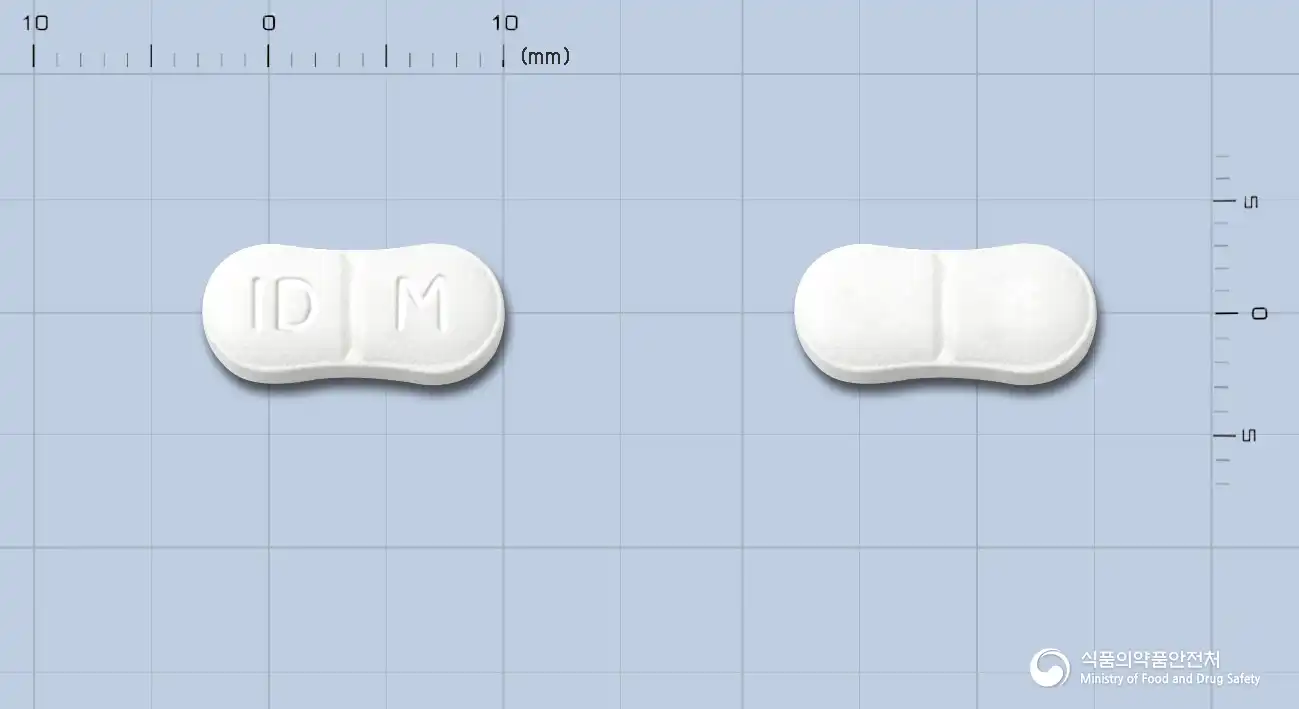
Memantine Hydrochloride 10mg
Tablet · Prescription medication
Ildong Pharmaceutical Co., Ltd.
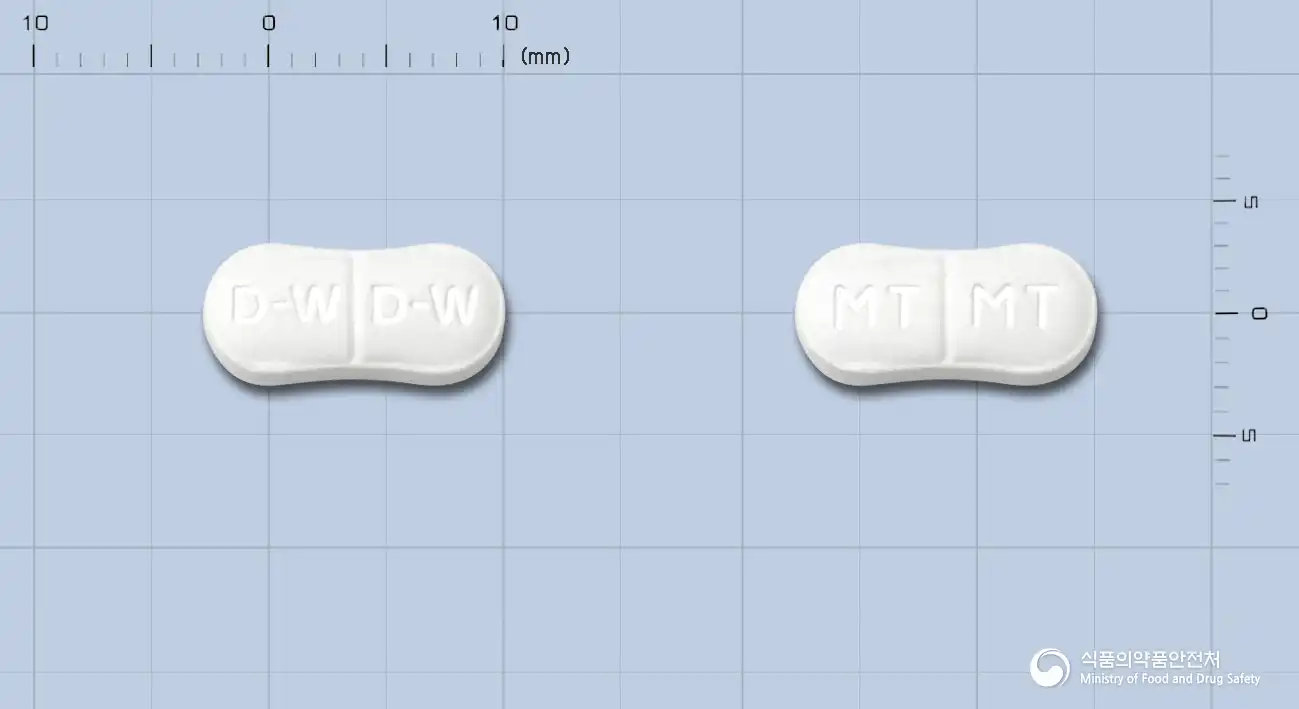
Memantine Hydrochloride 10mg
Tablet · Prescription medication
Donghwa Pharmaceutical Co., Ltd.
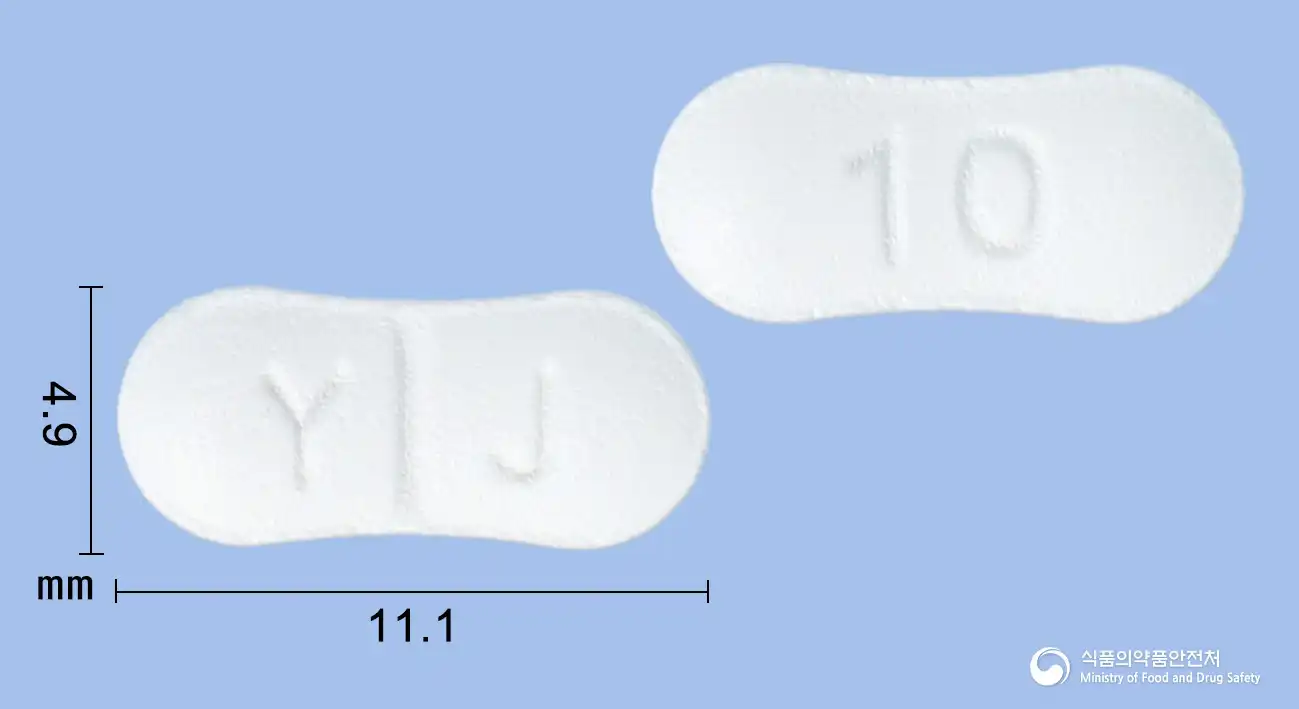
Memantine Hydrochloride 10mg
Tablet · Prescription medication
Youngjin Pharmaceutical Co., Ltd.
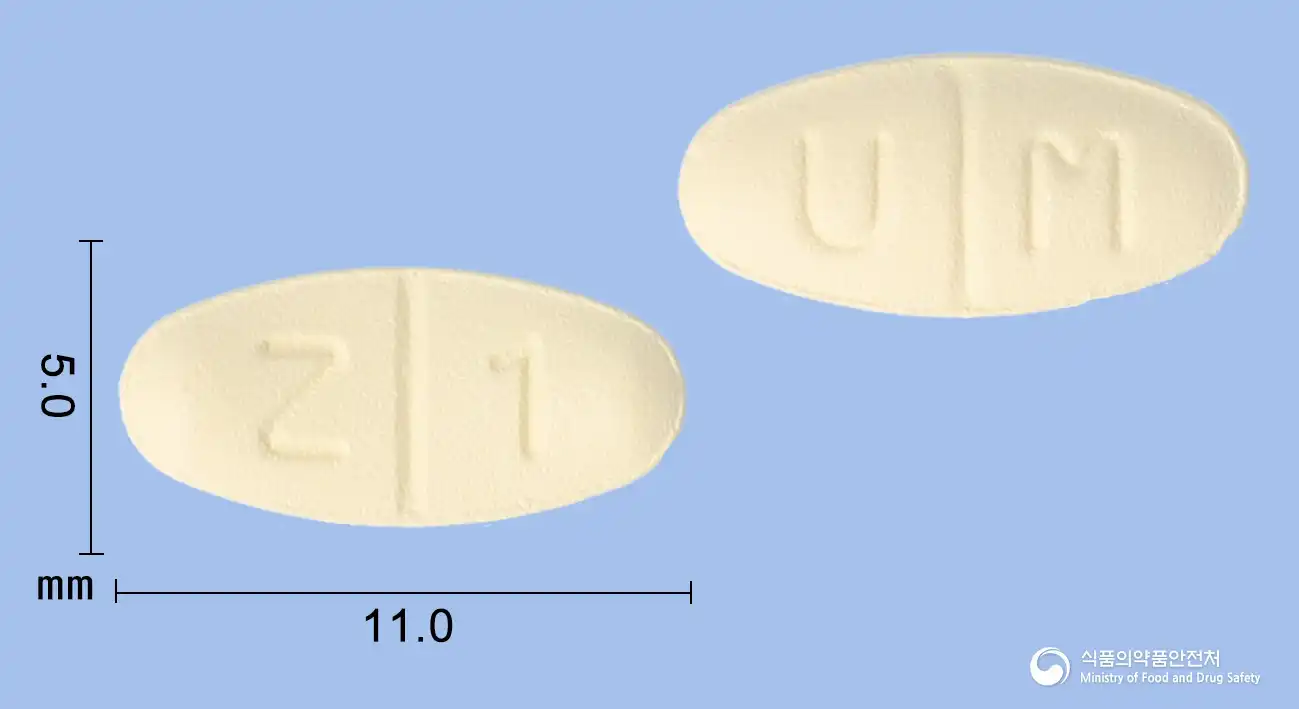
Memantine Hydrochloride 10mg
Tablet · Prescription medication
Unimed Pharmaceutical Co., Ltd.
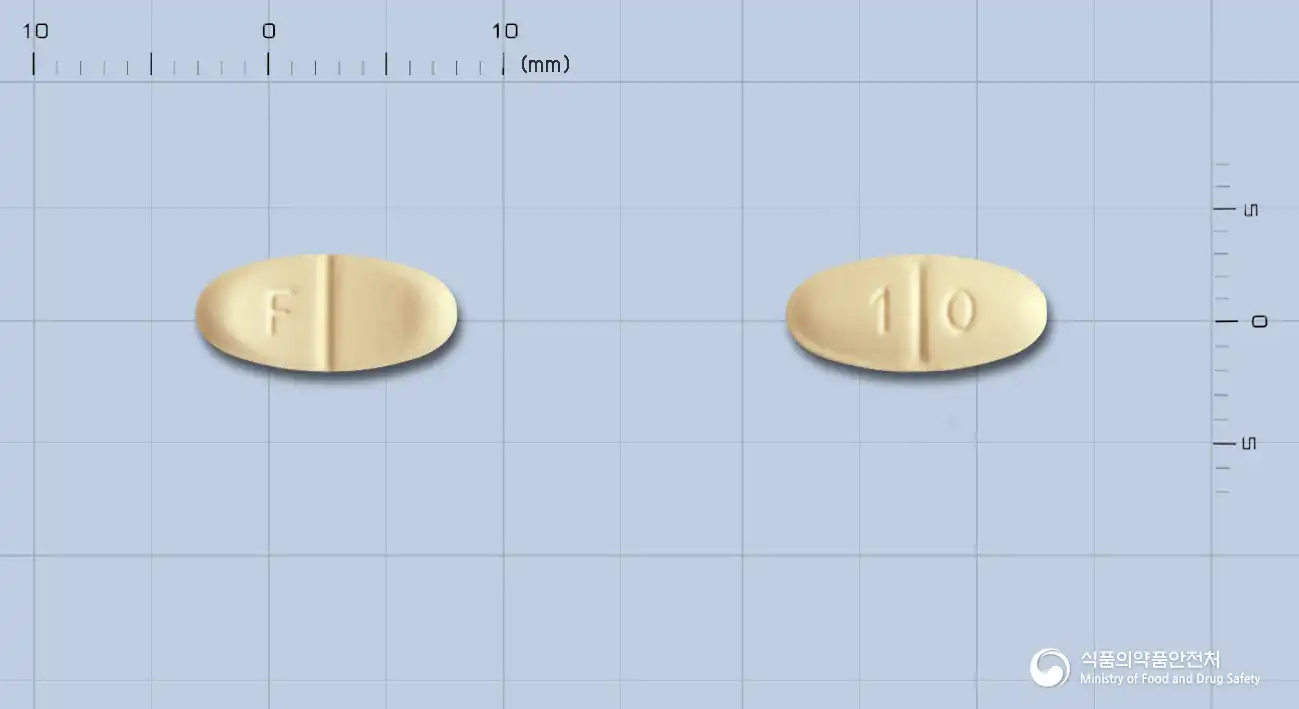
Memantine Hydrochloride 10mg
Tablet · Prescription medication
Myongin Pharmaceutical Co., Ltd.
Even with the same ingredient, the dose and directions can differ by strength and dosage form. Talk to a doctor or pharmacist before switching from a medication you are already taking.
No questions yet.
For anything that needs medical judgment, consult a doctor or pharmacist.
This drug information is based on data provided by the Korea Ministry of Food and Drug Safety.
Consult a doctor or pharmacist for accurate dosage, administration, and usage instructions.