
 한국어
 English
 日本語
 中文(简体)
 Viewing now
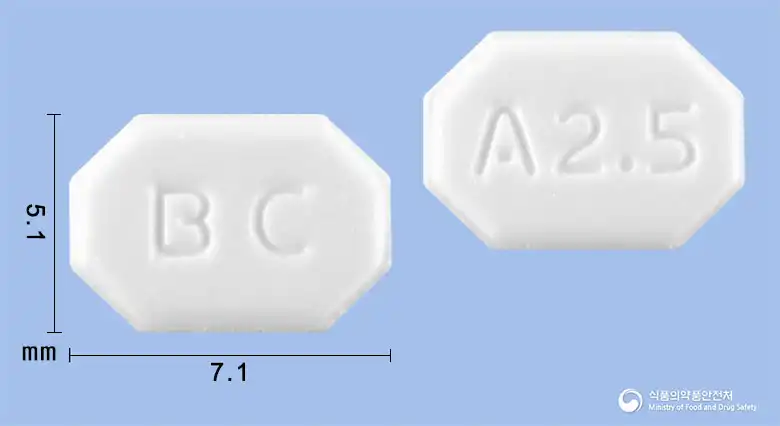
Birodi Tablet 2.5 mg (Esamolodipine Besylate Hydrate)
S-Amlodipine Besylate Dihydrate 3.69mg
Tablet · Prescription medication
BC World Pharmaceutical Co., Ltd.
MFDS item code 201906357 · Approved 2019.09.09 · Insurance code 653103500
Treatment of hypertension and myocardial ischemia (such as stable angina)
This medication is used in the treatment of myocardial ischemia, including hypertension and stable angina due to fixed lesions in the coronary arteries, and variant angina caused by vasospasms of coronary vessels.
Take this medicine with a sufficient amount of water. Adults: The usual dose is 2.5 mg of S-amlodipine orally once daily. The dose may be increased to a maximum of 5 mg once daily, depending on the patient's response. Adjust the dose as appropriate according to symptoms.
This medication should not be used in certain patients. For example, it should not be administered to individuals who have allergies to this medication or its components, pregnant or breastfeeding women, patients in severe shock, patients with severe heart valve disease, patients with unstable angina, patients who have recently had a myocardial infarction, patients with severe liver dysfunction, patients with severe hypotension, and patients with genetic metabolic disorders such as lactose intolerance. Caution should also be exercised for patients with very poor kidney function, the elderly, patients with acute heart failure, patients with rapidly increasing blood pressure, and patients with mild to moderate liver dysfunction. While taking this medication, various side effects may occur, such as flushing and a sensation of warmth, as well as fatigue, edema, palpitations, dizziness, headache, and indigestion. Rarely, there may be hypotension, skin rash, liver function abnormalities, and allergic reactions, so if symptoms are severe or unusual, consult a healthcare professional immediately. Discontinuing the medication suddenly may worsen symptoms, so dosages should be adjusted gradually under a physician’s guidance when stopping or changing the dose. This medication may interact with other drugs, so inform healthcare providers about any medications currently being taken. Special caution is required when taken with certain antibiotics, antihypertensives, antidepressants, and grapefruit juice. Pregnant or breastfeeding women should avoid using this medication due to uncertain safety, and breastfeeding should be discontinued if using this medication. In children, use is recommended only for those aged 6 years and older, and elderly patients may be more sensitive to the effects and side effects of the medication, so dosing should start at a low dose and administered cautiously. In the event of overdose, severe hypotension, cardiac abnormalities, and coma may occur, requiring immediate emergency treatment; in such cases, aggressive treatment should be carried out according to healthcare providers' instructions. Store the medication out of reach of children and do not transfer it to another container for safety. Finally, this medication is said to not pose a carcinogenic risk or induce genetic abnormalities even with long-term use.
Not everyone experiences these, and they can vary from person to person.
This medication can be sensitive to air or moisture, so it must be stored in a tightly sealed container. It is best to maintain a storage temperature at room temperature between 1 to 30 degrees Celsius. This helps to retain the medication's efficacy and safety over time.
White octagonal tablet
30 tablets/bottle, 300 tablets/bottle
Even with the same ingredient, strength, dosage form and how it is taken can differ.
Viewing nowS-Amlodipine Besylate Dihydrate 3.69mg
Tablet · Prescription medication
BC World Pharmaceutical Co., Ltd.
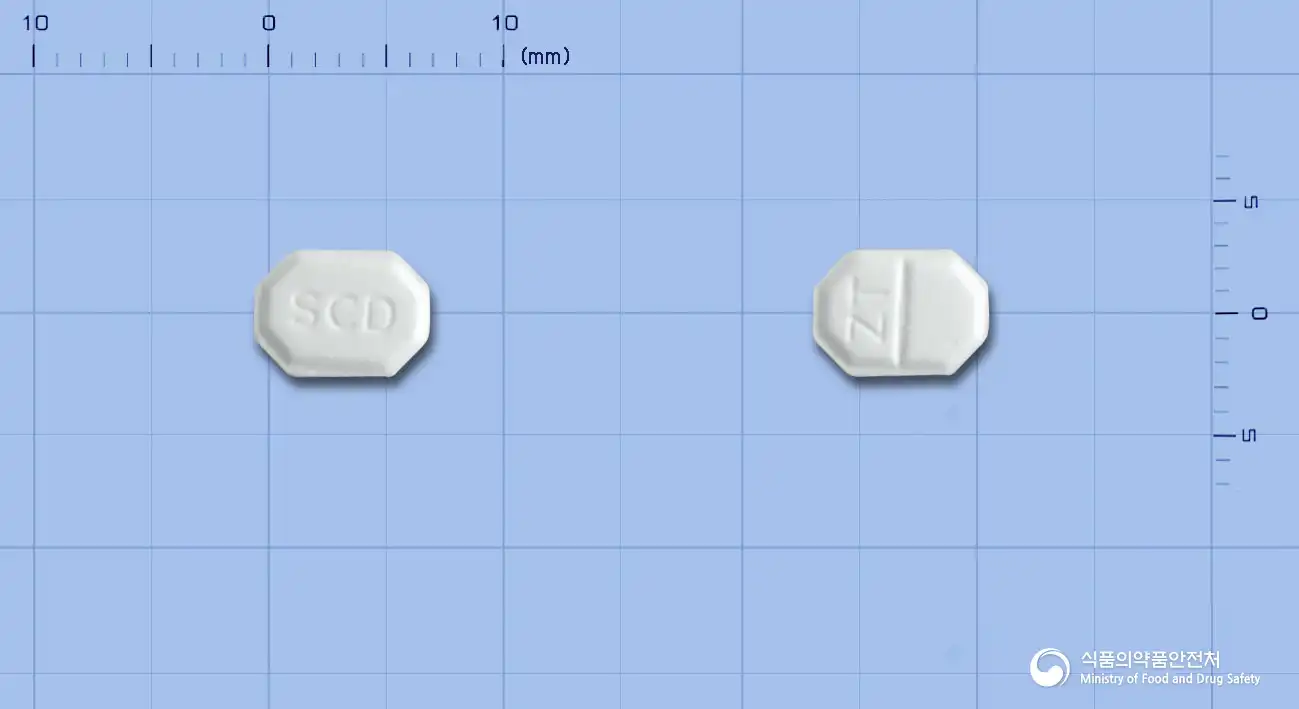
S-Amlodipine Besylate Dihydrate 3.69mg
Tablet · Prescription medication
Samchundang Pharmaceutical Co., Ltd.
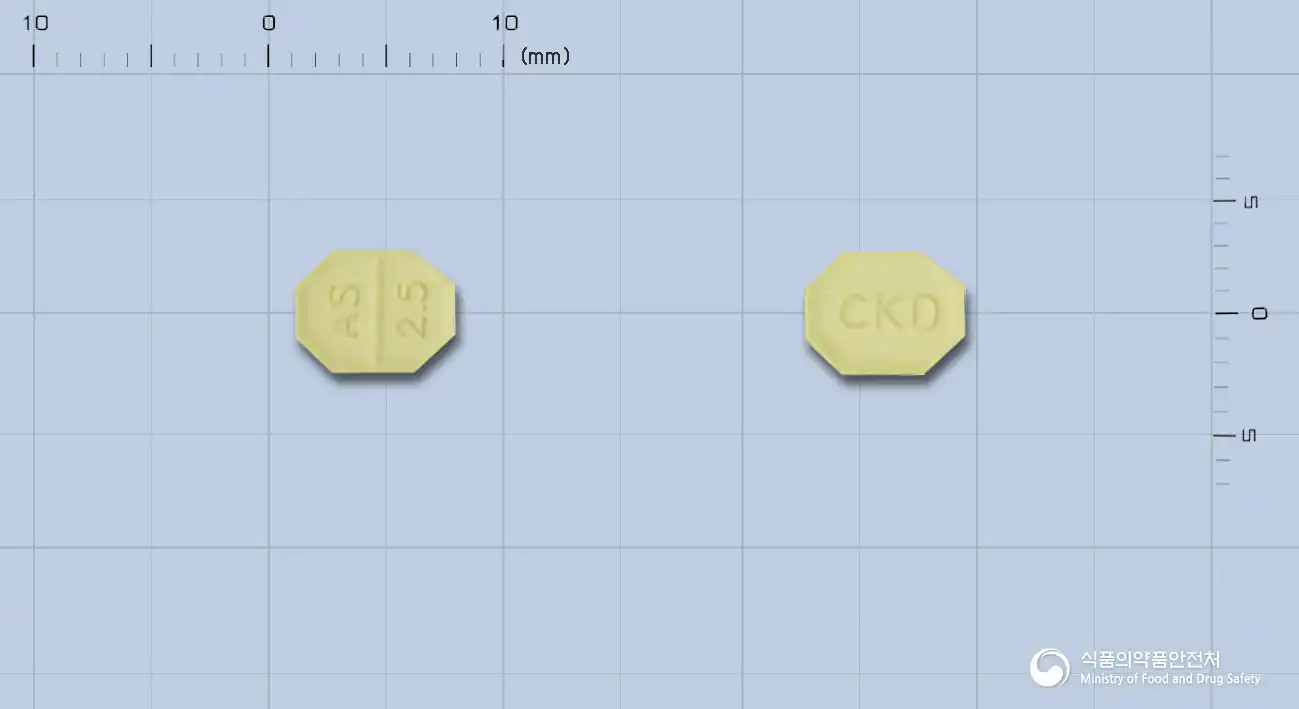
S-Amlodipine Besylate Dihydrate 3.69mg
Tablet · Prescription medication
Jongkundang Co., Ltd.
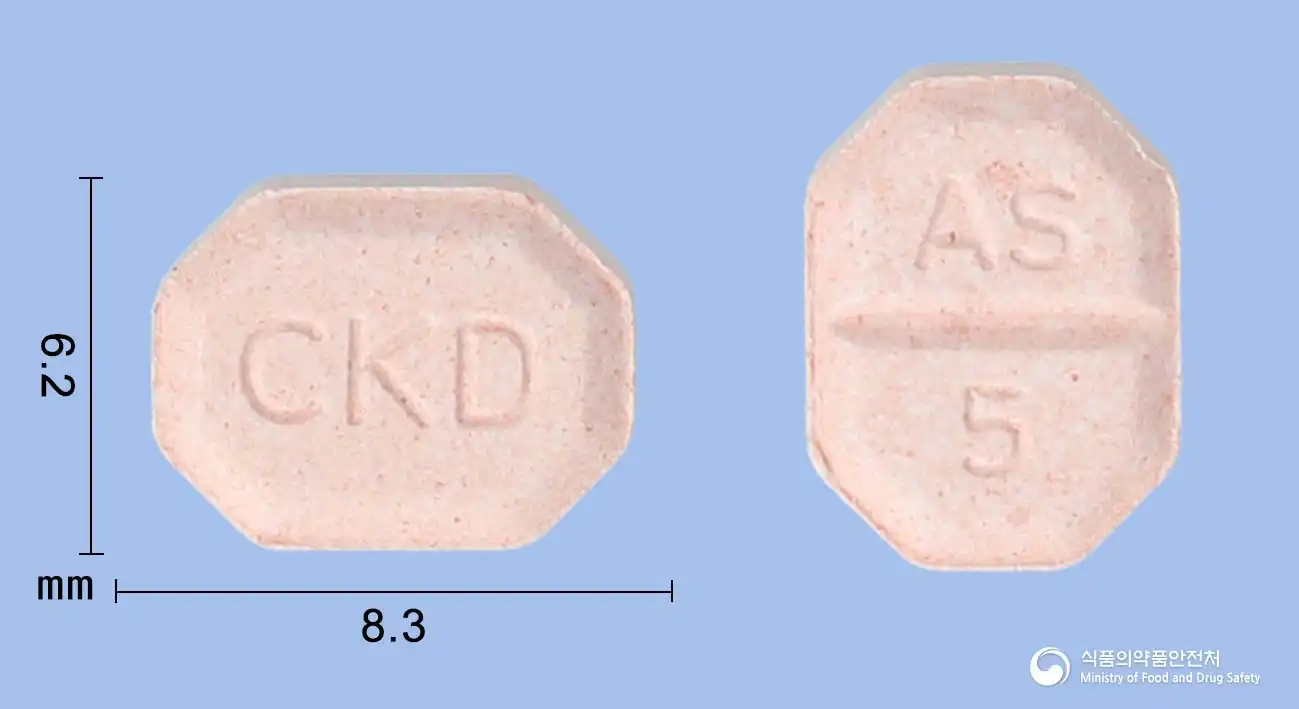
S-Amlodipine Besylate Dihydrate 7.38mg
Tablet · Prescription medication
Jongkundang Co., Ltd.
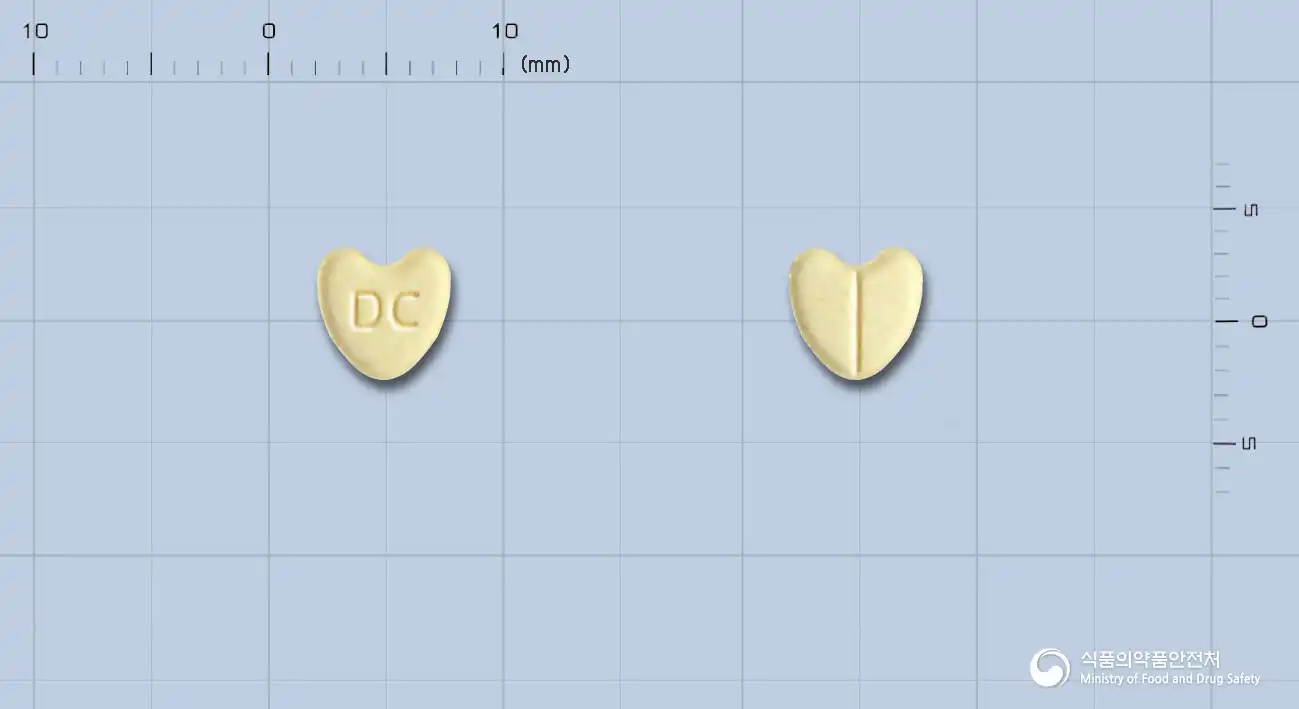
S-Amlodipine Besylate 3.74mg
Tablet · Prescription medication
Dong Gu Bio Pharmaceutical Co., Ltd.
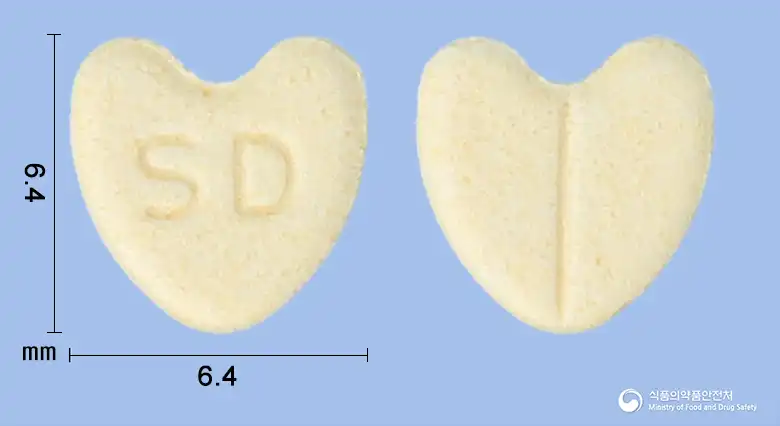
S-Amlodipine Besylate Dihydrate 3.69mg
Tablet · Prescription medication
Farmgen Science Co., Ltd.
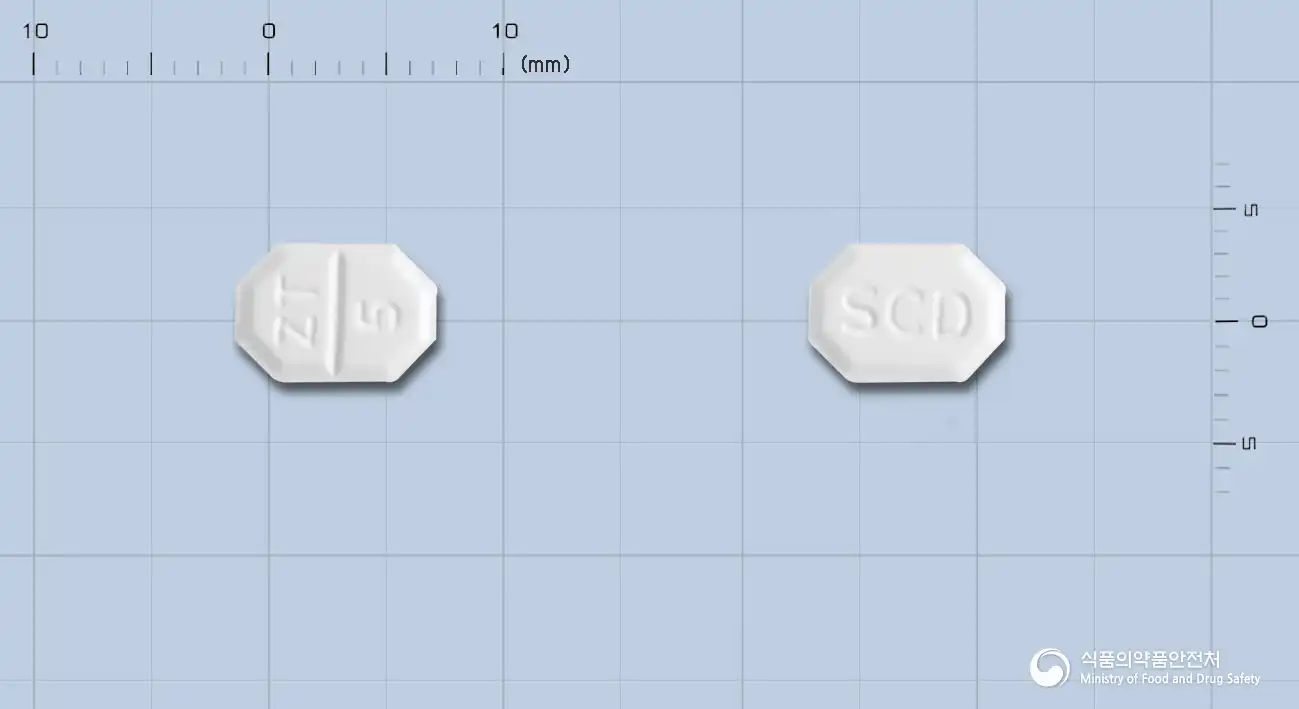
S-Amlodipine Besylate Dihydrate 7.38mg
Tablet · Prescription medication
Samchundang Pharmaceutical Co., Ltd.
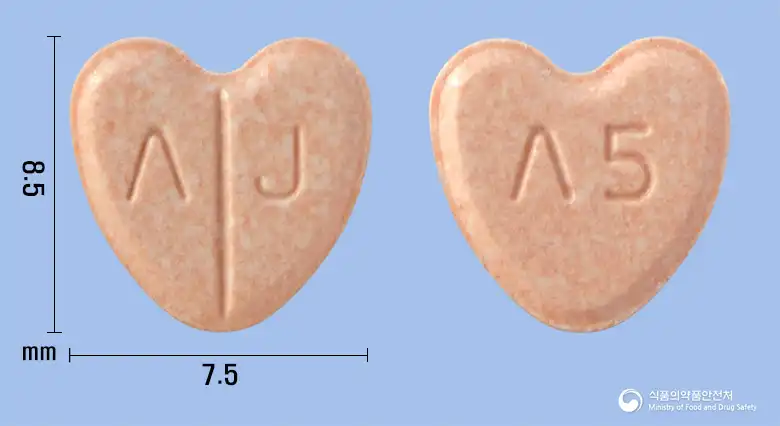
S-Amlodipine Besylate Dihydrate 7.38mg
Tablet · Prescription medication
Aju Pharmaceutical Co., Ltd.
Even with the same ingredient, the dose and directions can differ by strength and dosage form. Talk to a doctor or pharmacist before switching from a medication you are already taking.
No questions yet.
For anything that needs medical judgment, consult a doctor or pharmacist.
This drug information is based on data provided by the Korea Ministry of Food and Drug Safety.
Consult a doctor or pharmacist for accurate dosage, administration, and usage instructions.