
 한국어
 English
 日本語
 中文(简体)
Dosage form image
Viewing nowSylewon Tablet 6 mg (Doxepin Hydrochloride)
Doxepin Hydrochloride
Prescription medication
Hana Pharmaceutical Co., Ltd.
MFDS item code 201906324 · Notified 2019.09.05
This product's status changed to Approval withdrawn on 2023.04.12. It may no longer be sold, so consult a doctor or pharmacist before taking it.
Short-term treatment of insomnia with difficulty maintaining sleep
This medication is used for patients with short-term insomnia who have difficulty maintaining sleep. It helps alleviate symptoms of difficulty falling asleep or frequent awakenings, aiding comfortable sleep. It also improves sleep quality, supporting a refreshed condition the next day. It is suitable for short-term use and is effective in treating insomnia.
Adults: The recommended dose of this medicine is 6 mg once daily. For patients, 3 mg once daily may be appropriate as prescribed by a physician. Adults aged 65 years or older: The recommended initial dose of this medicine is 3 mg once daily. As prescribed by a physician, the dose may be increased to a maximum of 6 mg per day. Do not take more than 6 mg of this medicine per day. Take this medicine within 30 minutes before bedtime, and do not take it within 3 hours after a meal to minimize its effects the following day.
This medication may not only be a simple case of insomnia, so it is necessary to thoroughly check the patient's physical or mental condition before taking it. If insomnia does not improve after taking it for 7 to 10 days, there may be other psychiatric or medical issues, and consultation with a specialist is advised. When taking this medication, there is a risk of unusual behavior that one may not remember during sleep, such as driving or eating while sleepwalking, so caution is needed. Especially when taken with alcohol or other central nervous system depressants, the risk of such behaviors can be significantly increased, so they should not be taken together. Patients with depression may be at an increased risk of suicide while on this medication, so any new psychiatric symptoms should be reported to healthcare professionals immediately. It is advisable to avoid driving or operating hazardous machinery after taking this medication due to drowsiness or sedative effects. When used alongside other central nervous system depressants such as alcohol or antihistamines, the sedative effects of this medication can be intensified, requiring careful supervision. Patients with hypersensitivity to this medication or those who have taken a specific antidepressant known as an MAO inhibitor within the last 2 weeks should not take it. Additionally, patients with untreated glaucoma or severe urination disorders should avoid this medication. Women who are pregnant or breastfeeding should consult with a physician before taking this medication, as it may affect the fetus or newborn. Safety in children has not been established, so use is not recommended. Elderly patients may be more sensitive to this medication, so starting with a lower dose and careful observation of their condition is necessary. Patients with impaired liver function may have elevated blood drug concentrations, requiring dosage adjustments and close observation. Patients with sleep apnea should be careful, as this medication can worsen respiratory function, and it is not recommended for severe cases. Overdosage can result in serious side effects; if suspected, immediate medical attention should be sought.
Drowsiness, sedation, upper respiratory infection, pharyngitis, colitis, nausea, hypertension, anemia, thrombocytosis, atrioventricular block, palpitations, tachycardia, ventricular premature contraction, ear pain, hearing loss, motion sickness, tinnitus, tympanic membrane perforation, congestion, blurred vision, eyelid spasm, double vision, eye pain, decreased urination, abdominal pain, dry mouth, gastroesophageal reflux, vomiting, dyspepsia, constipation, gum bleeding, blood in stool, oral vesicles, weakness, chest pain, fatigue, chills, gait abnormalities, peripheral edema, hyperbilirubinemia, hypersensitivity reactions, bronchitis, fungal infection, laryngitis, sinusitis, dental infection, urinary tract infection, viral infection, soft tissue infection, eye infection, folliculitis, viral gastroenteritis, herpes zoster, tenosynovitis, influenza, lower respiratory infection, onychomycosis, pharyngitis, pneumonia, abdominal injury, falls, joint sprain, fracture, skin laceration, increased blood sugar, elevated ALT, decreased blood pressure, increased blood pressure, abnormal ST-T segment on ECG, abnormal QRS complex on ECG, decreased heart rate, decreased neutrophil count, abnormal QRS axis on ECG, increased aminotransferase, decreased appetite, reduced appetite, hyperkalemia, hypermagnesemia, increased appetite, hypokalemia, arthralgia, back pain, myalgia, neck pain, limb pain, reduced joint range of motion, muscle cramps, lethargy, stage 1 lung adenocarcinoma, malignant melanoma, dizziness, taste disturbance, somnolence syndrome, tingling in hands and feet, syncope, loss of taste, ataxia, cerebrovascular accident, attention deficit, migraine, sleep paralysis, vasovagal syncope, tremors, abnormal dreams, adjustment disorder, anxiety, depression, confused state, euphoric mood, insomnia, decreased libido, nightmares, breast cyst, dysmenorrhea, dysuria, nocturia, hemoglobinuria, nocturia, congestion, sore throat, sinus congestion, wheezing, cough, bad odor, nasopharyngeal disorder, rhinorrhea, dyspnea, skin irritation, cold sweat, dermatitis, erythema, sweating, pruritus, rash, rosacea, pallor, uncontrolled blood pressure, hematoma, facial flushing, constipation, urinary retention, disorientation, hallucination, numbness, sensory disturbance, extrapyramidal symptoms, seizure, delayed-onset movement disorders, hypotension, aphthous stomatitis, dyspepsia, increased libido, scrotal swelling, gynecomastia, excessive milk secretion, breast enlargement, increased blood sugar, decreased blood sugar, syndrome of inappropriate antidiuretic hormone secretion, tinnitus, weight gain, sweating, flushing, jaundice, hair loss, exacerbation of asthma, high fever, confusion, concentration difficulties, transient visual hallucinations, pupil dilation, restlessness, hyperactive reflexes, lethargy, drowsiness, muscle rigidity, vomiting, hypothermia, high fever
Not everyone experiences these, and they can vary from person to person.
This medication should be stored in a tight container to protect it from air and moisture. It is best to maintain a storage temperature between 1 and 30 degrees Celsius. Proper storage will help preserve the medication's effectiveness.
Green oval tablet
30 tablets/bottle, 100 tablets/bottle
Even with the same ingredient, strength, dosage form and how it is taken can differ.
Doxepin Hydrochloride
Prescription medication
Hana Pharmaceutical Co., Ltd.
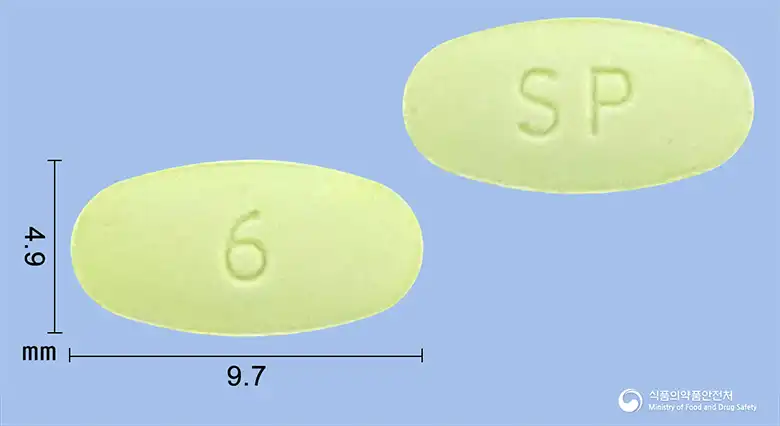
Doxepin Hydrochloride 6.78mg
Tablet · Prescription medication
HK inno.N Co., Ltd.
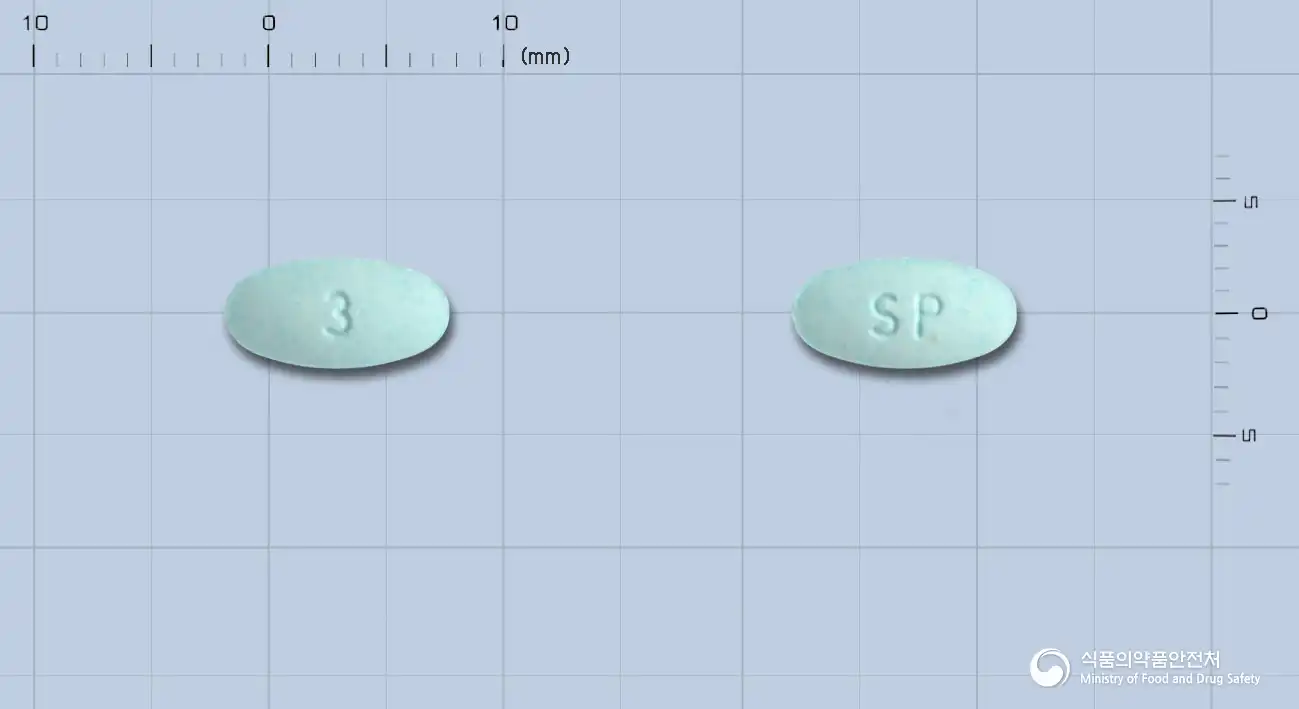
Doxepin Hydrochloride 3.39mg
Tablet · Prescription medication
HK Inno.N Co., Ltd.
Doxepin Hydrochloride
Prescription medication
Hanmi Pharmaceutical Co., Ltd.
Doxepin Hydrochloride
Prescription medication
Hanmi Pharmaceutical Co., Ltd.
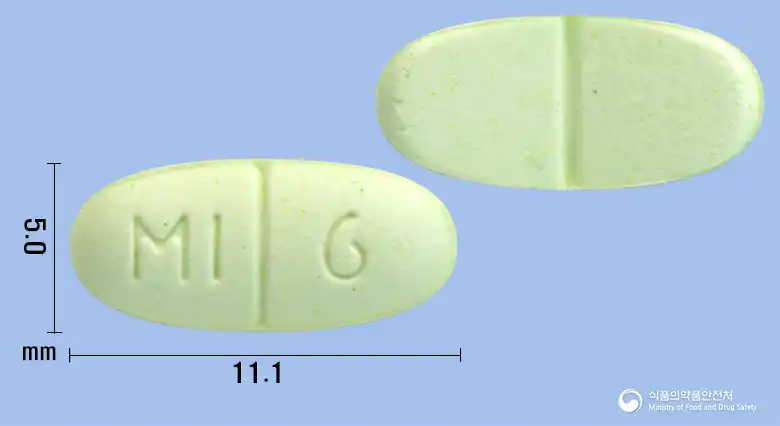
Doxepin Hydrochloride 6.78mg
Tablet · Prescription medication
Myungjin Pharmaceutical Co., Ltd.
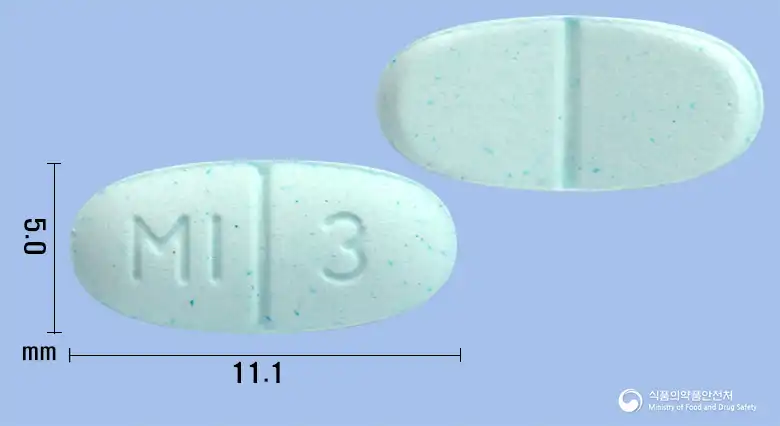
Doxepin Hydrochloride 3.39mg
Tablet · Prescription medication
Myungjin Pharmaceutical Co., Ltd.
Doxepin Hydrochloride
Prescription medication
Poonglim Pharmaceutical Co., Ltd.
Even with the same ingredient, the dose and directions can differ by strength and dosage form. Talk to a doctor or pharmacist before switching from a medication you are already taking.
No questions yet.
For anything that needs medical judgment, consult a doctor or pharmacist.
This drug information is based on data provided by the Korea Ministry of Food and Drug Safety.
Consult a doctor or pharmacist for accurate dosage, administration, and usage instructions.