
 한국어
 English
 日本語
 中文(简体)
Dosage form image
Viewing nowCough Pen Syrup (Ketotifen Fumarate)
Ketotifen Fumarate 27.6mg
Prescription medication
Joah Pharmaceutical Co., Ltd.
MFDS item code 201906227 · Notified 2019.09.02 · Insurance code 644603991
Prevents asthma symptoms; prevents and treats allergic conditions (including rhinitis, skin conditions, and systemic multisystem allergies)
This medication helps prevent asthma symptoms related to bronchial asthma and allergic bronchitis. It is also used to prevent and treat various allergic skin diseases and systemic multiple allergic diseases such as allergic rhinitis, eczema, atopic dermatitis, urticaria, and pruritus. Through these effects, it contributes to alleviating allergy-related symptoms and maintaining a healthy lifestyle for patients.
Adults: The usual dose is 1 mg of ketotifen orally twice daily (with breakfast and dinner). If necessary, the dose may be increased to 2 mg per dose. If sensitivity such as sedation occurs during treatment with ketotifen, start with 0.5 mg twice daily or 1 mg at bedtime during the first week of treatment, and then increase gradually to 2 mg daily. The dose may be adjusted appropriately according to age and symptoms.
Children aged 3 years and older: The dose is 1 mg of ketotifen orally twice daily (with breakfast and dinner). For patients aged 10 years and older, the dose may be increased to 2 mg per dose if necessary. Children aged 6 months to under 3 years: The dose is 0.5 mg of this medicine orally twice daily (with breakfast and dinner).
This medication should not be used in patients who have had an allergic reaction to this drug or its ingredients. Patients with epilepsy or other seizure disorders or a history of such should exercise caution while taking this medication since the risk of seizures may increase. This medication cannot replace corticosteroid drugs used for asthma treatment, so patients on steroid therapy should not substitute this medication for their current treatment. Women who are breastfeeding should preferably avoid taking this medication; if unavoidable, breastfeeding should be discontinued. Patients taking oral hypoglycemic agents should monitor their blood count, as this medication may reduce platelet counts. Patients with genetic issues such as fructose intolerance should avoid syrup formulations of this medication due to its maltitol content. Patients already taking other medications for asthma should not abruptly discontinue those medications upon starting this treatment but should taper off gradually. Initial side effects may include drowsiness, dry mouth, and dizziness, but these typically resolve over time. Particularly in children, central nervous system symptoms such as excitability, irritability, and insomnia may occur, necessitating careful observation. Caution is required when operating machinery or driving, as response times may be slower. Patients undergoing steroid treatment should reduce their steroid dosage gradually and cautiously while taking this medication. If an infection is present, appropriate antimicrobial treatment should accompany this therapy, as this medication is not intended to treat seizures or symptoms that have already occurred. For seasonal allergy patients, it is advisable to start this medication before symptoms begin and continue until the end of symptoms. When discontinuing this medication, it should be tapered off gradually over 2 to 4 weeks to reduce side effects. This medication may enhance the effects of sedatives, sleep aids, antihistamines, and alcohol, so dosage adjustments and caution are necessary. The safety of this medication during pregnancy is not well established; therefore, if medication is necessary, it should be used only after consulting a physician and confirming that the benefits outweigh the risks. Although no special dosage adjustments are typically necessary for children or the elderly, careful monitoring is advised for those with impaired physical function. In cases of overdose, symptoms may include drowsiness, confusion, headache, and changes in heart rate, and immediate medical attention should be sought. It is recommended to discontinue this medication before allergy testing, and it should be stored in a sealed container out of reach of children and kept in its original container.
Not everyone experiences these, and they can vary from person to person.
This medication should be stored in a sealed container to prevent exposure to air or moisture and kept at room temperature away from direct sunlight. This will help maintain the medication's effectiveness for a longer period.
A transparent solution with a colorless to light yellow aromatic sweetness contained in a white plastic bottle
500 milliliters/bottle
Even with the same ingredient, strength, dosage form and how it is taken can differ.
Ketotifen Fumarate 27.6mg
Prescription medication
Joah Pharmaceutical Co., Ltd.
Ketotifen Fumarate 27.6mg
Prescription medication
Dong Sung Pharmaceutical Co., Ltd.

Ketotifen Fumarate 1.38mg
Tablet · Prescription medication
Youngpoong Pharmaceutical Co., Ltd.
Ketotifen Fumarate 27.6mg
Prescription medication
Daewon Pharmaceutical Co., Ltd.
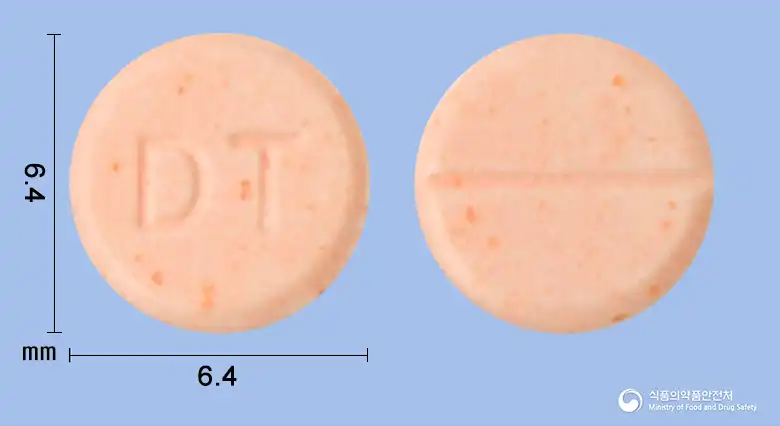
Ketotifen Fumarate 1.38mg
Tablet · Prescription medication
(Co., Ltd.) Donggu Bio Pharmaceutical
Ketotifen Fumarate 27.6mg
Prescription medication
Youngpoong Pharmaceutical Co., Ltd.
Ketotifen Fumarate 27.6mg
Syrup · Prescription medication
Daewoo Pharmaceutical Co., Ltd.
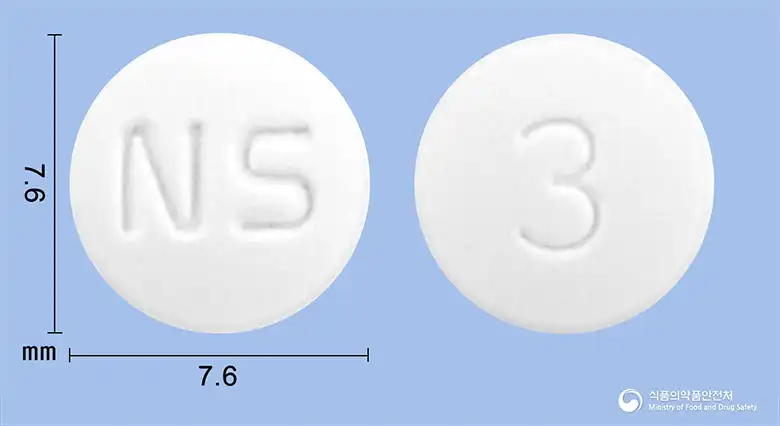
Ketotifen Fumarate 1.38mg
Tablet · Prescription medication
Korea Nelson Pharm Co., Ltd.
Even with the same ingredient, the dose and directions can differ by strength and dosage form. Talk to a doctor or pharmacist before switching from a medication you are already taking.
No questions yet.
For anything that needs medical judgment, consult a doctor or pharmacist.
This drug information is based on data provided by the Korea Ministry of Food and Drug Safety.
Consult a doctor or pharmacist for accurate dosage, administration, and usage instructions.